
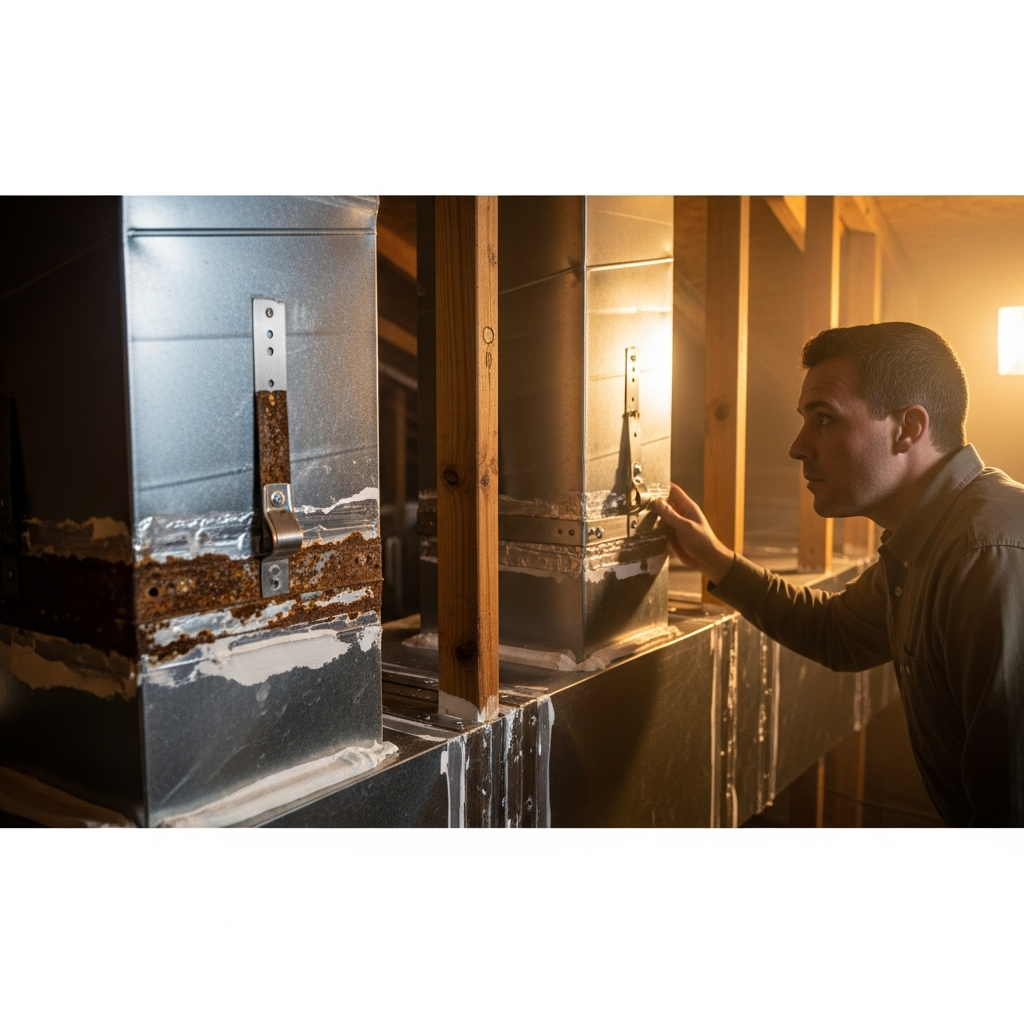
The Clock Is Ticking on Coastal Ductwork
In Malibu, time works differently on building materials. The ocean leaves a fine film of salt on everything from patio furniture to roof fasteners, and that same invisible layer accelerates the aging of your duct system. I have walked attics where straps that looked solid on move-in day rusted thin in just a few seasons, and where joints that once tested tight began to leak under daily expansion and contraction. This is why timely attention to duct replacement matters so much along our coast. It is not an exercise in perfectionism; it’s a practical response to the unique wear-and-tear cycle of a marine climate, one that protects comfort, air quality, and the equipment you rely on to keep the home livable year-round.
Many homeowners wait until the system becomes loud, smelly, or obviously inefficient before they act. By then, you often have stacked problems: a blower working too hard, temperature differences room-to-room that force thermostat games, and filtration that no longer keeps up during smoke season. Acting on time—informed by inspection, not guesswork—prevents the spiral where minor leaks become major inefficiencies and where condensation turns to mold risk. In Malibu’s salt air, yesterday’s small gap is tomorrow’s big one.
What “Timely” Means in a Malibu Context
Timeliness is relative. In coastal Malibu, a duct system can reach its functional limits earlier than the averages you might read about for inland homes. The combination of salt-laden breezes, sun-baked attics, cool evenings, and seasonal winds creates more thermal cycling and more stress on seals. I recommend a cadence of assessment that recognizes those realities: periodic pressure testing, visual checks of insulation integrity, and a conversation about comfort outcomes as the seasons change. When tests show leakage creeping up, when insulation jackets feel soft or damp, or when return paths prove undersized for a modern air handler, that is the moment to talk seriously about replacement rather than trying to nurse the system along.
Acting promptly is also about aligning work with your schedule and the seasons. Many Malibu homeowners travel, host guests at predictable times, or plan renovations. A timely replacement stitches itself into that calendar—completed before late-summer heat ramps up, or in the lull between holiday visits—so your home is ready when you need it most.
Protecting Indoor Air Quality Before Problems Compound
When ducts leak or lose insulation value, they invite unfiltered air into the supply and return paths. In our region, that often means pulling in attic dust, moisture-laden marine air, or particulates during wildfire events. If you act late, you can wind up chasing smells and symptoms in a home where the true culprit is a tired duct network. With timely replacement, we intercept the problem at its source, rebuilding the air path so all air passes through filtration, returns are properly sized, and supply runs deliver clean, conditioned air to every space.
Sensitive family members can feel this difference right away. When the system isn’t drawing through holes hidden behind drywall or in crawlspaces, you see less dust settling on surfaces, and rooms smell neutral rather than stale. If your current setup runs the fan often and still stirs up dust, that is a signal that a timely reset may reclaim the calm you expect in a coastal retreat.
Energy Efficiency Without the Drama
Malibu’s weather has a rhythm: soft marine mornings, sun-warmed afternoons, and cooler evenings. A system with compromised ducts fights that daily swing, short-cycling at times and running long during the hottest or coldest hours. The moment you replace inefficient runs with a sealed, right-sized network, runtime steadies. Equipment works within its sweet spot, not against it. That balance delivers a quieter home, fewer temperature spikes, and a sense that the HVAC is almost reading the house rather than chasing it.
Timely action avoids collateral strain on the expensive parts of your mechanical system. When static pressure drops because the ducts are properly laid out, the blower doesn’t have to muscle air through kinks and bottlenecks. Heat exchangers and coils see steadier airflow, which is exactly how they are designed to operate. The benefit cascades: fewer emergency calls, more predictable performance during heat waves, and a more relaxed relationship with your thermostat.
Designing Replacement with Malibu’s Microclimates in Mind
Not all “timely” replacements are the same; the best ones are tailored to the site. A home along the sand faces different stresses than one tucked beneath a canyon ridge. We account for wind corridors, sun exposure, roof color, and attic ventilation when planning new runs. In a two-story hillside residence, for example, we might upgrade returns to support gentle, continuous circulation that evens out stratification. In beach cottages with low attic clearance, we prioritize smooth-radius fittings and robust outer jackets to maintain performance under tight conditions. By addressing design flaws while the old ducts come out, you multiply the return on timing—solving tomorrow’s problems today.
Even details like diffuser selection matter. Register throws and patterns should fit the geometry of your rooms, especially those with large sliders or clerestory windows. When matched properly, the system can soften drafts from ocean breezes and eliminate the hot “glare zone” that builds by sunset. These are the finishing touches that make a replacement feel timely not just because it prevents problems, but because it elevates daily life.
A Mid-Stream Check That Changes Outcomes
One of the best practices in Malibu projects is to pause mid-stream—once new trunks and major branches are in place—to test pressure and verify airflow targets. It is at this exact midpoint that homeowners can revisit goals and make fine adjustments, such as balancing dampers or tweaking return placement. Building in that check ensures the finished system delivers what was promised. It is also an ideal time to revisit any questions about duct replacement details you’re curious about, from insulation thickness to noise treatments, while everything is still accessible.
That measured approach stands in contrast to “rip and replace, then hope.” In Malibu’s climate, the margin between good and great is often found in the small decisions, and verifying those decisions while the work is underway is a hallmark of a timely, thoughtful project.
Staying Ahead of Smoke and Salt Seasons
The calendar here brings recurring challenges. Late summer and early fall can bring smoke, while spring can load the air with moisture. A timely replacement before those windows repositions your home to handle them gracefully. With new ducts, the system maintains gentle positive pressure where appropriate, minimizes leakage that otherwise bypasses filters, and gives you a cleaner canvas for any enhanced filtration choices you make during smoky weeks. Meanwhile, improved insulation and sealing discourage condensation during damp spells, protecting both ducts and the building envelope.
When these seasons arrive, you will feel the difference immediately. The house holds its setpoint with less effort, doors no longer seem to breathe with pressure fluctuations, and you can run the fan for air circulation without stirring up dust or whistling at vents. That is what timeliness buys you: a system poised for the challenges that are already visible on the calendar, not reacting to them after the fact.
The Human Side of Timely Work
There is a lifestyle dimension to this conversation. Malibu homes are gathering places, whether you host surf buddies after dawn sessions or family dinners that run late. Timely replacement means guests walk into rooms that feel right, without drafts or hot corners that draw comment. It protects mornings when you want quiet coffee and an ocean view without a blower roaring overhead. And it supports work-from-home days when steady temperatures and low noise reduce fatigue more than you might expect. When the ducts are right, the home feels composed.
Frequently Asked Questions
What signals mean I should replace, not just repair?
Signs include widespread leakage confirmed by testing, insulation that is deteriorated or damp, noisy airflow from poor routing, and comfort issues that persist despite equipment maintenance. When multiple symptoms converge—uneven temperatures, odors, dust, and long runtimes—replacement typically offers a clean solution that repair cannot match.
How often should coastal ducts be inspected?
In Malibu, an annual visual inspection plus periodic pressure testing is wise, especially after storms, heat waves, or smoke events. The goal is to catch small issues early, before salt and humidity accelerate deterioration. Timely findings keep your options open and minimize disruption.
Will replacement disrupt my household schedule?
With a clear plan, staging, and protection for floors and furnishings, work can proceed efficiently. Many projects are organized to preserve daily routines and privacy, with access coordinated around your needs. Communication is key; a brief pre-walk and check-ins during work keep the process smooth.
Can new ducts improve noise and airflow in open-plan spaces?
Yes. Open plans common in Malibu benefit from right-sized trunks, smooth transitions, and registers with throws matched to room geometry. Rebalancing during replacement eliminates the boomy blasts near the closest diffusers and brings airflow to distant corners without a roar.
What materials and methods withstand salt exposure?
Quality insulation with strong vapor barriers, corrosion-resistant fasteners, durable outer jackets, and mastic-sealed joints are essential. Just as important are routing and support strategies that avoid pinches, reduce static pressure, and isolate ducts from framing to cut noise.
Is it worth replacing ducts before upgrading equipment?
Absolutely. A tight, well-designed duct system maximizes the performance of any equipment you choose later, from high-efficiency furnaces to modern heat pumps. Many comfort and efficiency issues blamed on equipment are actually duct-related; addressing ducts first yields immediate, lasting benefits.
If you are ready to prevent small problems from becoming big ones and want a home that rides Malibu’s seasons with ease, start the conversation today. A timely plan for duct replacement will help your rooms feel right, your air stay clean, and your system work quietly in the background—exactly how a coastal home should feel.