
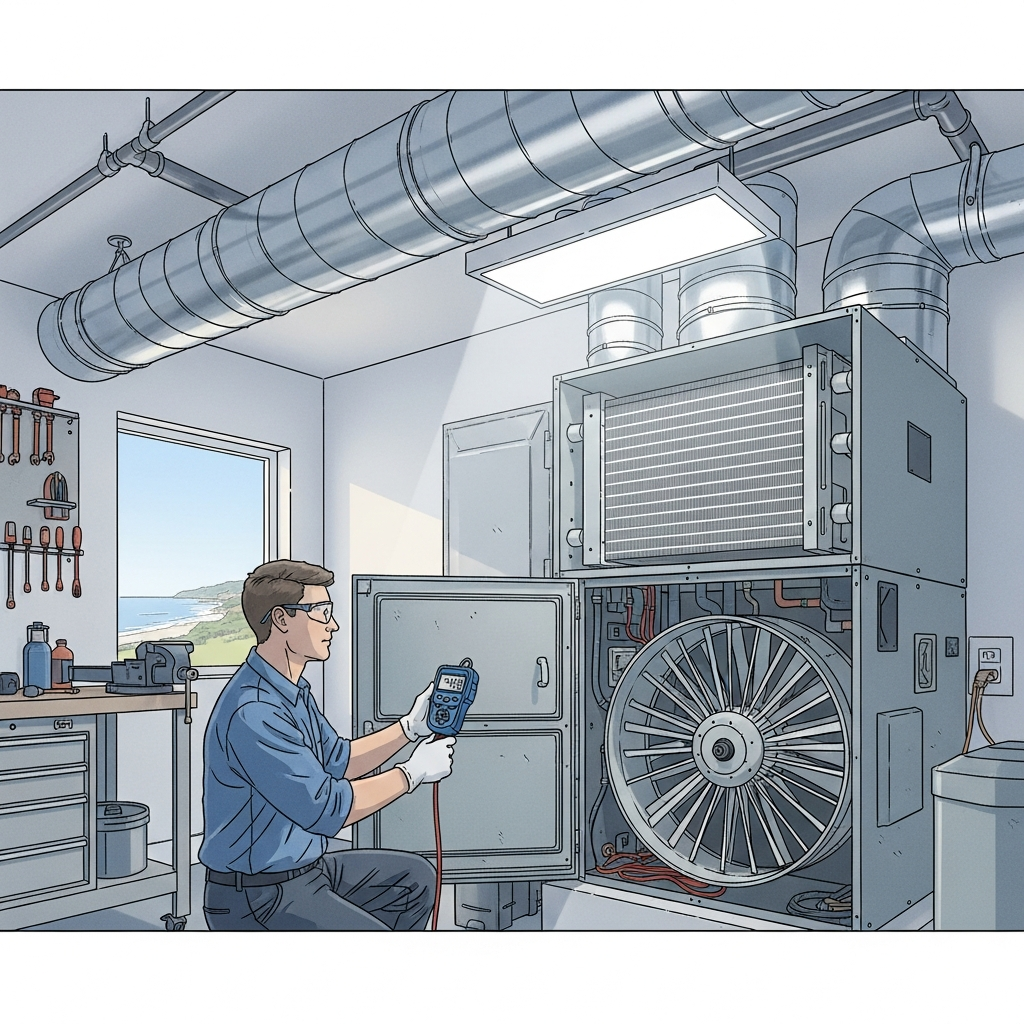
When Malibu homeowners ask what actually happens during a maintenance visit, I describe it as a guided conversation between your equipment and a trained listener. The goal is to hear what the system has been saying through its sounds, temperatures, and pressures, and then respond with cleaning, calibration, and small part replacements that restore harmony. In our coastal environment, that conversation always includes salt, sun, marine layer moisture, and microclimates. Understanding the flow of a thorough inspection helps you appreciate why consistent air conditioning maintenance brings such reliable results.
An inspection begins before any tools come out. We walk the property to see how the outdoor condenser sits in relation to ocean exposure, landscaping, and sun. We note whether the pad is level, whether wind gusts from a canyon could drive debris into the coil, and whether irrigation overspray has been kissing the fins. That context informs the rest of the visit. A unit two blocks from the beach demands different coil care than one up Encinal Canyon, and a west-facing system needs extra respect for afternoon heat.
Indoor system: airflow, cleanliness, and control
Inside, we start with airflow because it colors everything else. We check the return path and filter fit, measuring static pressure to confirm the blower is moving the right volume of air. If pressure is high, we look for restrictive filters, dirty coils, or duct bottlenecks. If it is low, we consider leakage or an undersized filter rack. Then we open the air handler or furnace cabinet to inspect the blower wheel for dust buildup that can unbalance the motor and dull efficiency. A careful cleaning here often makes a home feel quieter and cooler within the hour.
Next is the evaporator coil. In Malibu, coils frequently carry a translucent film from salt and indoor particulates. That film may not look dramatic but can sap heat transfer. We examine fins under good light, clean where necessary with approved solutions, and check for any oil residue that might hint at a refrigerant issue. While the cabinet is open, we test the condensate drain and safety float, ensuring the trap holds water and the line runs clear to its termination point. A clean drain prevents headaches on foggy mornings when moisture removal is heaviest.
Thermostat calibration follows. We compare room temperatures to the thermostat display, evaluate placement for sun influence, and review settings. In multi-zone homes, we verify damper operation and confirm the zones respond as expected. Small improvements here prevent overcooling one area while another lags, a common issue in glass-rich Malibu interiors.
Outdoor unit: coil, fan, and weathering
With the condenser, our first focus is fins and airflow. We inspect for salt film, sand, and plant matter that impede heat rejection. Cleaning is gentle but thorough; bending fins to “get it done” fast only creates new problems. We also clear any debris from the base, check the fan blade for balance, and confirm that vibration pads are intact. An out-of-balance fan is a noise maker and a bearing killer, especially in windy locations where gusts repeatedly start and stop the blade.
Corrosion assessment is next. We examine cabinet seams, fasteners, and service valves for early rust. Applying anti-corrosion products and replacing weakened hardware during a routine visit is far easier than wrestling with frozen components later. For units close to the beach, we may recommend a gentle rinse cadence between formal visits to prevent salt creep.
Electrical testing: the hidden heartbeat
Electrical components speak clearly when you know the language. We test capacitor values to ensure the compressor and fan have the support they need, inspect contactor faces for pitting, and tighten connections that can loosen with thermal cycling. If a part is drifting out of spec, we explain the finding so you can decide whether to replace proactively. These decisions are the difference between a calm summer and a system that chooses the most inconvenient moment to fail.
We also verify voltage and amperage draw under normal operating conditions. Comparing readings to nameplate and historical values reveals trends—perhaps a compressor working harder due to airflow issues, or a fan motor starting to tire. Trend awareness is especially helpful for Malibu properties that see long idle periods, as components may age more by exposure than by runtime.
Refrigerant circuit: performance, not just pressure
Checking refrigerant is about more than hooking up gauges. We assess superheat, subcooling, and temperature splits to understand how effectively the system is moving heat. Pressures taken in isolation can mislead, especially near the coast where ambient temperatures and humidity shift quickly. By triangulating performance metrics, we can spot undercharge, overcharge, or metering device issues and correct them responsibly. We also examine insulation on line sets—UV and salt can degrade it—and secure any rub points that might become leaks over time.
If a leak is suspected, we proceed carefully with detection methods appropriate for the system. The goal is clarity without introducing contaminants. When remediation is needed, we outline options in plain language so you can make informed choices aligned with your home and budget priorities.
Ductwork: the quiet foundation
Ducts rarely take center stage, but in Malibu’s distinctive homes they often decide whether comfort feels effortless or elusive. During maintenance we inspect accessible runs for kinks, disconnected sections, or crushed flex. We look for telltale dust streaks marking leaks and examine supply boots for gaps that hiss quietly but wastefully. If measurements suggest imbalance, we note fixes—from sealing to minor damper adjustments—that can transform how evenly your home cools.
For homes with long runs to ocean-facing great rooms, we pay special attention to insulation and radiant exposure. Afternoon sun on a poorly insulated duct can undo much of the system’s hard work, leaving living areas lagging behind bedrooms. A maintenance inspection that reads these cues correctly helps prioritize improvements that deliver the biggest real-world gains.
Documentation and dialogue
At the end of the visit, we document findings with clear notes and photos where helpful. You receive a story of what your system told us that day: how clean it is, how confidently it starts, how evenly it cools, and where it may need attention before the next season. This record becomes the backbone of reliable service in a coastal environment where small stressors add up. It also protects manufacturer warranties that expect proof of regular care.
In Malibu, maintenance is as much about rhythm as it is about checklists. A spring tune resets the system after a damp winter, and a late-summer check clears salt and dust after months of use. Between those visits, we often touch base about preventive air maintenance habits appropriate to your property—like gently hosing the condenser from the inside out a few times a season if your home sits right on the breeze line.
What you should feel afterward
Following a proper inspection and tune, expect quieter starts, smoother airflow, and rooms meeting setpoints without overshoot. The house feels cohesive, with fewer “cold corner, warm sofa” moments. You may also notice cleaner indoor air, especially if filters, seals, and coils received attention. Those changes are not abstract—they show up the next time a sunny afternoon gives way to an evening marine layer and you close the sliders. Comfort remains steady as the system glides through changing conditions.
Frequently Asked Questions
How long should a thorough maintenance inspection take? Plan for a visit long enough to test, clean, and calibrate—often one to two hours depending on system complexity and coastal exposure.
Do you always hook up gauges? Not always. We prioritize non-invasive diagnostics first, then use gauges when performance readings suggest a refrigerant issue that warrants deeper evaluation.
Will maintenance make my AC last longer near the ocean? Yes. Coil care, anti-corrosion steps, and proactive electrical replacements measurably extend life in salt-air environments.
What should I do between visits if I live very close to the beach? Keep landscaping back, gently rinse the condenser periodically, and replace filters on schedule. Your technician can tailor a simple plan for your property.
Can you improve airflow to one stubborn room during a maintenance visit? Often we can. Minor damper adjustments, sealing small leaks, and verifying register choices frequently bring lagging spaces back into balance.
If you would like your next service visit to feel this clear and productive, reach out for a comprehensive air maintenance inspection tailored to Malibu’s coastal realities, and enjoy a home that settles into comfort with ease.