
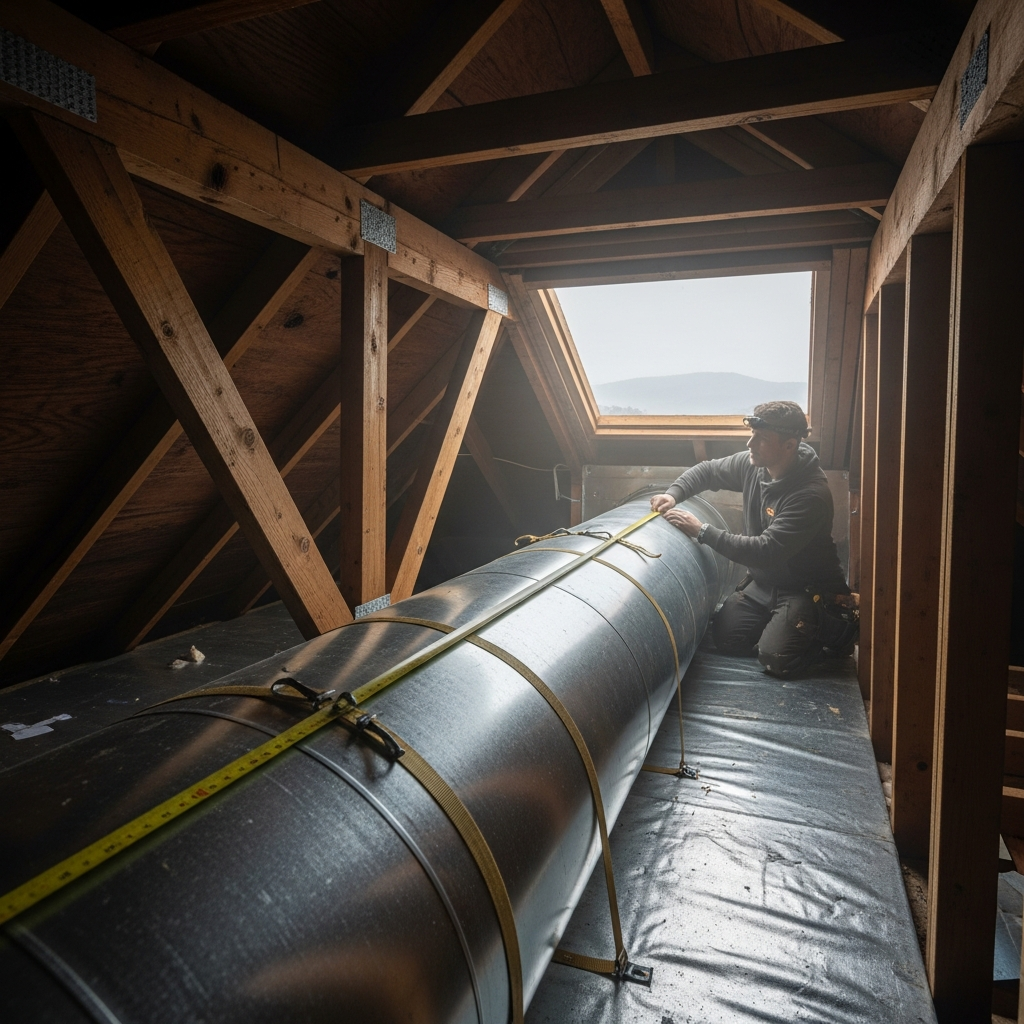
Talking about the average duct replacement cost in Malibu, California means talking about more than numbers on a page. It means understanding how our canyon roads, salt-kissed breezes, and hillside homes shape the scope of a project from the first walkthrough to the last airflow reading. As someone who works with Malibu homeowners from Point Dume to Serra Retreat, I can tell you the story behind the budget is always about site conditions, design choices, and the realities of a coastal climate. If you are weighing the timing or scope of duct replacement, it helps to picture how your home’s unique layout, access, and microclimate play into comfort, code compliance, and day-to-day life.
Why Malibu homes are their own category
Malibu architecture runs the gamut from glassy beachfront bungalows to secluded canyon estates, and each style asks the duct system to solve different problems. Older beach cottages often hide winding duct runs in shallow crawl spaces, while modern hillside builds may route long supplies through conditioned chases to preserve a clean aesthetic. Property lines can be tight, driveways narrow, and parking limited during construction, all of which affect planning and timeline. Add in the marine layer, fire seasons, and the expectation of near-silent performance, and you have a project that rewards meticulous planning more than anywhere else in Los Angeles County.
What truly shapes the overall investment
When people ask what drives the financial picture, the answer lives in four big buckets: access, design, condition, and verification. Access is about crawl spaces, attics, rooflines, and how easily materials and crews can navigate a property. Design encompasses load calculations, duct sizing, and the strategy for supply and return placement that actually fits the house rather than forcing it into a cookie-cutter layout. Condition includes the state of existing ducts, insulation, and framing around them, along with any surprises that show up during demo. Verification covers code requirements, energy testing, and the documentation Malibu and the state expect before an inspector signs off. Each of these pieces influences timeline and logistics, and together they define what a homeowner can expect when planning the work.
Access and layout: the unseen drivers
In Malibu, access is rarely straightforward. Beachfront homes tend to have shallower crawl spaces and more humidity, which complicates the routing of returns and the protection of insulation. Canyon homes can be multilevel with tight mechanical rooms and long trunk runs, especially when the air handler sits far from the most-used living spaces. Attics may be partially habitable with low-slope rooflines, and older properties sometimes have ducts threaded above unique architectural ceilings. These factors determine how many turns a run needs, whether rigid or flex makes sense in a given section, how many supports are required to maintain proper pitch and minimize noise, and how precisely the team must stage tools and materials to avoid disrupting the household.
Materials and configuration choices that matter
There is no one-size-fits-all duct solution for Malibu. In some cases, rigid metal trunk lines with lined plenums deliver the quietest performance, especially where long straight runs allow the designer to keep static pressure modest. In tighter zones with multiple branch lines, high-quality insulated flex duct can be appropriate if it is correctly stretched, supported, and protected. Duct board may make sense for specific plenums or returns when weight and insulation continuity are priorities. The real work happens in the design: elbows with generous radii, transitions that avoid abrupt changes, thoughtful placement of balancing dampers, and a return strategy that keeps bedrooms peaceful at night. Acoustic performance is a common priority here, and that means paying attention to vibration isolation, hanger selection, and the quality of sealing materials used at every joint.
Coastal climate and corrosion awareness
Salt air accelerates corrosion, even miles inland when onshore winds carry fine spray. That is why Malibu projects benefit from fasteners, straps, and hangers that resist corrosion, along with mastics and tapes rated for longevity in coastal environments. Insulation jackets should be robust and well-sealed against moisture intrusion, especially in vented attics or crawl spaces where temperature and humidity fluctuate. If ducts pass through garages or semi-conditioned areas, pay close attention to air sealing and separation to maintain indoor air quality and prevent migration of odors into living spaces. On the beach, keeping condensation under control is essential, and that often starts with good design that avoids sharp pressure drops and maintains proper air velocities.
Wildfire and WUI specifics
Malibu’s wildland-urban interface realities inform duct decisions in subtle ways. Homeowners often ask about filtration strategies to manage smoky days, and that conversation is closely linked to duct sizing and pressure balance. If you plan to improve filtration, the returns and the blower’s static pressure capacity have to support it, or noise and comfort suffer. Ember-resistant vents and attic ventilation details also factor into how ducts cross attic spaces and where returns can be located. While these items interact more with the building envelope than ducts alone, thinking holistically keeps the system resilient when the air outside is at its worst.
Design is not optional: the case for calculation
Malibu homes are frequently high-performance envelopes with large windows toward the ocean and shaded canyons in back. A proper Manual D duct design based on an accurate load calculation translates those quirks into right-sized ducts that feed rooms according to real needs, not assumptions. This is where issues like stratification in high-ceiling spaces, open staircases, and glass walls get solved on paper before installers lift a single section of duct. Quiet diffusers, return paths that avoid forced door undercuts, and balancing plans that anticipate seasonal wind patterns make daily life feel effortless. Skipping design rarely saves time in the end; it just moves the challenges to the punch list.
Permitting, inspections, and testing expectations
From the city counter to the final sign-off, documentation matters. Expect conversations about energy compliance and duct leakage testing to be part of the plan. Scheduling inspections can take coordination, particularly when homes are located on narrow streets or in gated communities that require advance notice for access. A good contractor will choreograph this with your routine, staging demo, installation, and testing so that your family life remains as normal as possible. HERS verification, when required, ensures the installed system meets design intent. That testing is not a hoop to jump through; it is the proof that conditioned air is going where it should, and that the effort spent on sealing, strapping, and insulating has paid off.
The rhythm of a well-run project
A smooth Malibu project starts with a thorough walkthrough, photographs, and measurements, followed by a clear plan that sequences demo and installation to minimize disruption. Materials arrive staged for the order of work, with contingency for weather, traffic, and delivery windows specific to your area. Once demolition exposes the old system, the team validates assumptions and adjusts the plan if a hidden joist or unexpected beam appears. Installation proceeds zone by zone, with each branch tested for flow and leaks before insulation jackets close. When the last register is in place, the system is balanced and verified so that the master suite, great room, and home office all feel equally comfortable.
Somewhere in the middle of all this, homeowners often ask if a small design adjustment could improve comfort in a tricky room, or whether a return could be relocated to reduce sound in a sleeping area. That collaborative spirit is a hallmark of local projects and a good time to revisit the goals you set at the start. If you are mid-research and want an organized way to compare design options specific to Malibu conditions, exploring professional guidance on duct replacement can clarify what truly matters for performance and longevity.
Hidden conditions and how they are handled
It is normal to discover a few surprises once old ducts come out. Past rodent activity, mold on old insulation jackets, unsealed chase penetrations, or duct runs that pinch behind a beam are common finds. The key is to address them methodically. Sanitation, sealing of penetrations, and re-routing around problem areas restores the system’s integrity. In older houses, it is smart to look carefully at return cavities built from framing rather than sealed boxes; converting those to dedicated, sealed returns can dramatically improve air quality and cleanliness over time. The difference is visible when registers stay clean longer and dust levels drop.
Acoustics, comfort, and everyday living
Comfort in Malibu is more than temperature. It is the hush in the living room at night, the evenness of air in a glass-walled great room at noon, and the feeling that doors do not flutter or pull when the system starts. Achieving that level of refinement depends on balancing airflow, strategic placement of returns, and pressure relief paths so bedrooms can sleep quietly even as a system ramps up. Designers often use lined plenums, soft turns, and well-sized returns to keep sound in check. When air glides rather than rushes, you feel the difference.
Energy performance that respects the view
Many Malibu homes pair large glass areas with insulation strategies that keep views pristine and interiors cool. Duct design can support this by positioning supplies to wash glass with conditioned air where needed, while preventing drafts in seating areas. Thoughtful zoning helps, too, because it respects how people actually use the home. A wing used primarily on weekends should not drive weekday energy use. Smart controls can coordinate with zoning, but the ductwork must be laid out to allow gentle turndown rather than abrupt on-off cycles that create noise and wear. The best systems feel almost invisible in daily life.
Maintenance habits that preserve performance
After installation, a simple rhythm keeps results strong: change filters on schedule, vacuum supply registers if dust accumulates, and keep storage from blocking returns. If your home is near the beach, a seasonal check of hangers and exterior terminations catches early corrosion and keeps jackets sealed tight. In canyons where critters are common, visual checks for chewing or nesting make sense, especially in the first year after a renovation when new materials can be attractive. Small habits add up to big dividends in air quality and reliability.
Choosing a Malibu-savvy contractor
Trustworthy local teams do more than install ducts; they choreograph access, respect neighbors’ schedules, and anticipate the quirks of narrow streets and steep driveways. They document designs, explain options plainly, and keep a tidy site so your home never feels like a construction zone. When crews know the rhythm of Malibu life, they plan around school runs, surf traffic, and gated community rules. Communication is the quiet superpower in all of this, turning a complex project into a series of calm, predictable steps.
Frequently asked questions
How long does a typical Malibu duct project take?
Timelines vary with home size, access, and design complexity, but most projects move through predictable phases: assessment, design confirmation, demolition, installation, testing, and final verification. Clear scheduling with the city and any community gate ensures inspections and deliveries do not stall the process. A well-planned job feels steady and transparent from start to finish.
Is it better to replace everything at once or in stages?
Whole-home replacement delivers the most controlled outcome because design, sealing, and balancing can be optimized across the system. That said, staged work is sometimes practical when remodeling in phases. The key is to plan the end state first so each stage sets up the next, preserving airflow targets and comfort in the interim.
What materials hold up best by the coast?
Durability comes from the system as a whole: corrosion-resistant hardware, high-quality mastics and tapes, robust insulation jackets, and thoughtful routing that protects runs from moisture and UV exposure in attics. Where possible, keeping ducts within conditioned space improves longevity and efficiency, but many homes need well-executed attic or crawl space runs that perform reliably when detailed correctly.
Can duct design help with wildfire smoke days?
Yes. Returns and blower capacity must be planned so higher-efficiency filtration does not create noise or reduce comfort. When the system is designed with pressure in mind, it can accept better filters without penalty. Coordination with envelope details like attic vents and door seals also helps keep smoky air outside.
Why is testing important if the work looks neat?
Neat work is a great sign, but air is invisible. Verification confirms that the system performs as intended, that leakage is minimal, and that every room receives the airflow it needs. Testing translates craftsmanship into measured comfort, and in Malibu’s climate, those small percentages matter every day.
What should I watch for during the first months after replacement?
Listen for any unexpected sounds, note comfort in rooms at different times of day, and keep an eye on registers and returns for dust patterns. Share observations with your contractor during follow-up; minor damper tweaks or diffuser adjustments can fine-tune performance to perfection.
If you are mapping out a project and want to ground your expectations in the realities of Malibu life, there is no substitute for a careful site visit and a transparent plan. When you are ready to explore next steps or to compare design pathways tailored to your home’s microclimate, consider speaking with a specialist who lives and works this landscape every day. To start that conversation with clarity and confidence, take a moment to review professional insights on duct replacement and outline your priorities. Then, when it is time to act, reach out to a trusted local team that will treat your home with the respect and discretion it deserves.
When you decide it is time to elevate comfort, quiet, and air quality in your Malibu home, connect with a seasoned local pro who can guide design, permitting, and verification from start to finish. Begin with a clear conversation, a measured plan, and a commitment to craftsmanship that lasts. Schedule your consultation today and explore expert duct replacement tailored to Malibu’s coastal realities.