
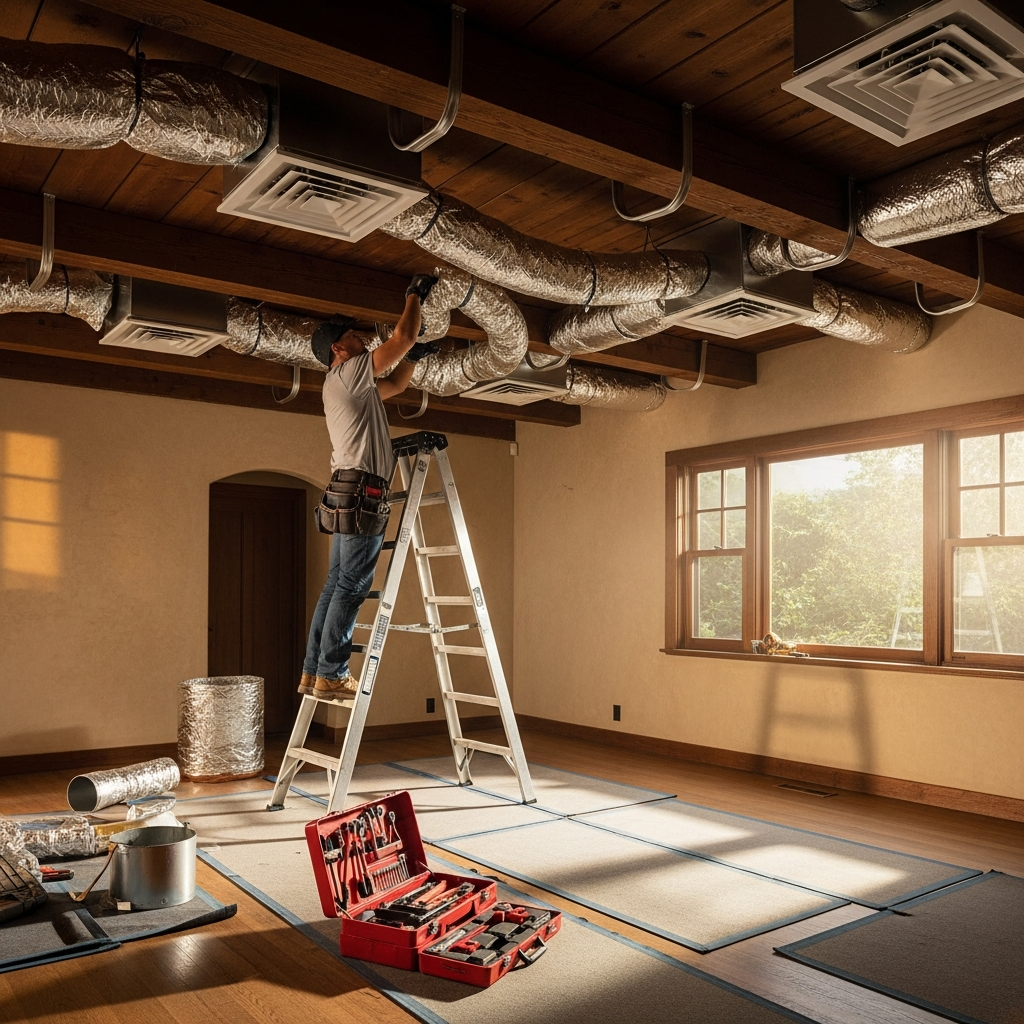
Older Malibu homes have a character that is hard to duplicate—handcrafted details, thoughtful siting to catch ocean views, and a sense of calm rooted in the landscape. They also carry the fingerprints of their era in the way air moves, or sometimes fails to move, through the house. When you weigh the overall investment and planning for updating HVAC ductwork in a vintage property, the job is as much about respecting the bones of the home as it is about modern performance. The right approach blends preservation with smart engineering, guiding you to a durable, healthy, and quiet system that feels invisible in day-to-day life. For many owners, the path leads to carefully planned duct replacement designed to fit the home’s age and architecture without compromising comfort.
In houses that predate contemporary energy standards, ducts were often an afterthought, added during expansions or tucked into narrow chases not intended for air distribution. You may find long, undersized runs that starve distant rooms, returns that draw from odd places, and insulation that has collapsed after decades of temperature swings. The good news is that thoughtful redesign can respect the home’s style while making it live better, room by room. The sections below map how experienced Malibu contractors evaluate older properties and the decisions that shape a successful outcome.
Respecting Architecture While Improving Airflow
Every older home presents invisible boundaries—plaster walls you prefer not to open, original wood ceilings, or vintage tile that you want to preserve. A skilled designer works within those bounds, reusing chases when possible, selecting low-profile boots that blend with existing grilles, and routing ducts to avoid invasive surgery. In some cases, a short soffit or discreet chase extension achieves the airflow target without altering sightlines. The goal is to improve comfort while leaving the home looking unchanged to a casual eye.
Diagnosing Legacy Layout Problems
Vintage layouts can send air through path-of-least-resistance routes that ignore where people actually live today. A thorough evaluation begins with pressure readings, temperature checks, and visual inspection of attics and crawlspaces. The team maps bottlenecks, crushed runs, and unbalanced branches, then correlates those findings with the rooms you identify as problematic. This diagnostic step informs whether strategic repairs will suffice or whether a more holistic plan is warranted to address multiple constraints at once.
Navigating Tight Chases and Crawlspaces
Older Malibu homes often rely on tight chases and shallow crawlspaces. Skilled crews use compact fittings, consistent supports, and careful turns to preserve airflow in those conditions. Premium flexible ducts may bridge short, complex sections when rigid options cannot make the geometry. Supports are spaced to prevent sag, and insulation choices emphasize vapor control for coastal moisture. The key is serviceability—future technicians should be able to access key junctions without dismantling finishes, preserving the home over time.
Materials That Respect Time and Climate
Durability serves preservation. Galvanized, well-sealed ducts paired with heavy-duty mastics and insulation with a true vapor barrier stabilize temperatures and resist coastal condensation. Where older framing meets newer materials, proper transitions and gaskets prevent noise and leaks. Hardware choices matter too—coated hangers and stainless screws hold fast in humid, salt-touched air. These details are small individually, but together they ensure your new system does not ask the house to compromise.
Returns, Filtration, and Quiet Operation
Many vintage homes suffer from undersized or poorly located returns, which raise noise and stifle airflow. Reassessing return paths is one of the highest-value design steps in older properties. Thoughtfully placed returns, paired with appropriate filtration, clear the way for lower static pressure and quieter operation. Malibu’s coastal air can carry fine particulates and salt; a right-sized, well-sealed return with upgraded filtration helps protect both the equipment and your indoor environment without shouting its presence.
Permits, Testing, and Documentation for Vintage Properties
California’s performance standards apply to older homes as much as to new builds. Permits and testing validate that the finished system meets duct leakage and airflow targets, and they help ensure that sensitive architectural areas remain intact. A good contractor documents existing conditions, explains any tradeoffs necessary to protect original finishes, and shows before-and-after test results that demonstrate improvement. That record becomes part of your home’s story and can be useful for future projects or resale.
When Repair Gives Way to Replacement
Owners of older homes often start with repairs, but the tipping point arrives when multiple runs are compromised, insulation is brittle, and layout flaws are sticking points. If the system’s fundamentals are out of alignment—undersized trunks, starved returns, or duct runs that can never be properly supported—a full duct replacement becomes the more honest solution. The payoff is comfort you can feel: consistent temperatures, lower fan noise, and air that smells as fresh as the ocean outside your window.
Coastal Realities for Older Construction
Homes built decades ago were not designed with salt-laden air in mind, and even inland parts of Malibu feel that influence. Morning fog settles in attics, crawlspaces collect moist air, and unsealed penetrations become pathways for sea breeze and dust. Your design should lean into corrosion resistance, airtight connections, and insulation that keeps duct surfaces above dew point. Those measures protect aging framing and help prevent condensation issues that can blemish plaster or stain historic woodwork.
Working Around Historic Surfaces
When finishes are irreplaceable, planning and protection define the job. Crews lay protective coverings, choose access paths that avoid delicate trim, and coordinate with you about rooms that require special care. If small openings are necessary, your contractor should explain patch methods and engage finish trades who can make the work disappear. That attentiveness maintains the home’s integrity while giving your HVAC system the room it needs to breathe.
Sequencing Work in Lived-In Spaces
Older properties are often primary residences, not construction sites. Expect the team to stage materials off to the side, clean daily, and schedule louder tasks when they suit your routine. In many cases, ducts can be replaced in sections, keeping bedrooms and key living areas operable throughout. Communication keeps stress down; a clear plan for each day helps you stay comfortable while the system evolves behind the scenes.
Future-Proofing Without Changing the Soul of the Home
Thoughtful duct design anticipates tomorrow’s needs. Even if you keep your current equipment, ducts that reduce leakage and pressure drop set the stage for future upgrades, including high-efficiency heat pumps. Zoned strategies or additional returns can be planned now with minimal visual impact, ready to be activated later if your household grows or your floorplan changes. The aim is a quiet, capable system that adapts without rewriting the home’s aesthetic.
Common Questions From Owners of Older Homes
Can my existing registers and grilles be reused to preserve the vintage look?
Often, yes. If they are in solid condition and compatible with the new layout, keeping original grilles can maintain the home’s period charm. Your contractor will confirm that airflow and noise goals are still met, and may discreetly adapt the boot or collar behind the grille to balance performance with preservation.
Will new ducts make the system noisier?
Properly designed systems are typically quieter. Lower static pressure, smooth routing, and right-sized returns reduce turbulence and whistling. If the home is particularly quiet by nature, acoustic considerations—like lined plenums or strategic return placement—can be included to preserve the calm that older homes are prized for.
How do you protect plaster and historic finishes during the job?
Planning and protection lead the way. Crews map access routes, lay down floor protection, and seal off work areas. When openings are unavoidable, careful cutting, dust control, and collaboration with finish trades ensure patches blend. The emphasis is always on minimizing intrusion while meeting performance targets verified by testing.
Is it possible to phase the work?
Yes. Many older-home projects are phased by area or by system zone, maintaining livability. Phasing also allows the team to test and learn from each stage, fine-tuning subsequent sections. Your contractor should outline what remains functional at each step and coordinate around your daily schedule.
What if I plan to upgrade equipment later?
Design the ducts now to support tomorrow’s equipment. That means sizing for reasonable static pressure, reducing leakage, and leaving room for future returns or zoning. With those fundamentals in place, swapping equipment later becomes straightforward, and you avoid redoing ductwork a second time.
How do coastal conditions interact with older framing?
Salt and moisture interact with metal and wood in ways that can accelerate wear. The design response is airtight seams, robust insulation, and corrosion-resistant components. Keeping duct surfaces at stable temperatures and away from dew point protects surrounding materials and reduces the risk of condensation-related blemishes on historic finishes.
Looking to modernize comfort while honoring your home’s history?
Malibu’s older homes deserve solutions that are as thoughtful as their architecture. If you want to explore options that respect your finishes, improve air quality, and deliver quiet, even temperatures, connect with a local team that understands both preservation and performance. Begin a tailored plan today and set your home up with duct replacement that feels right for the next generation.