
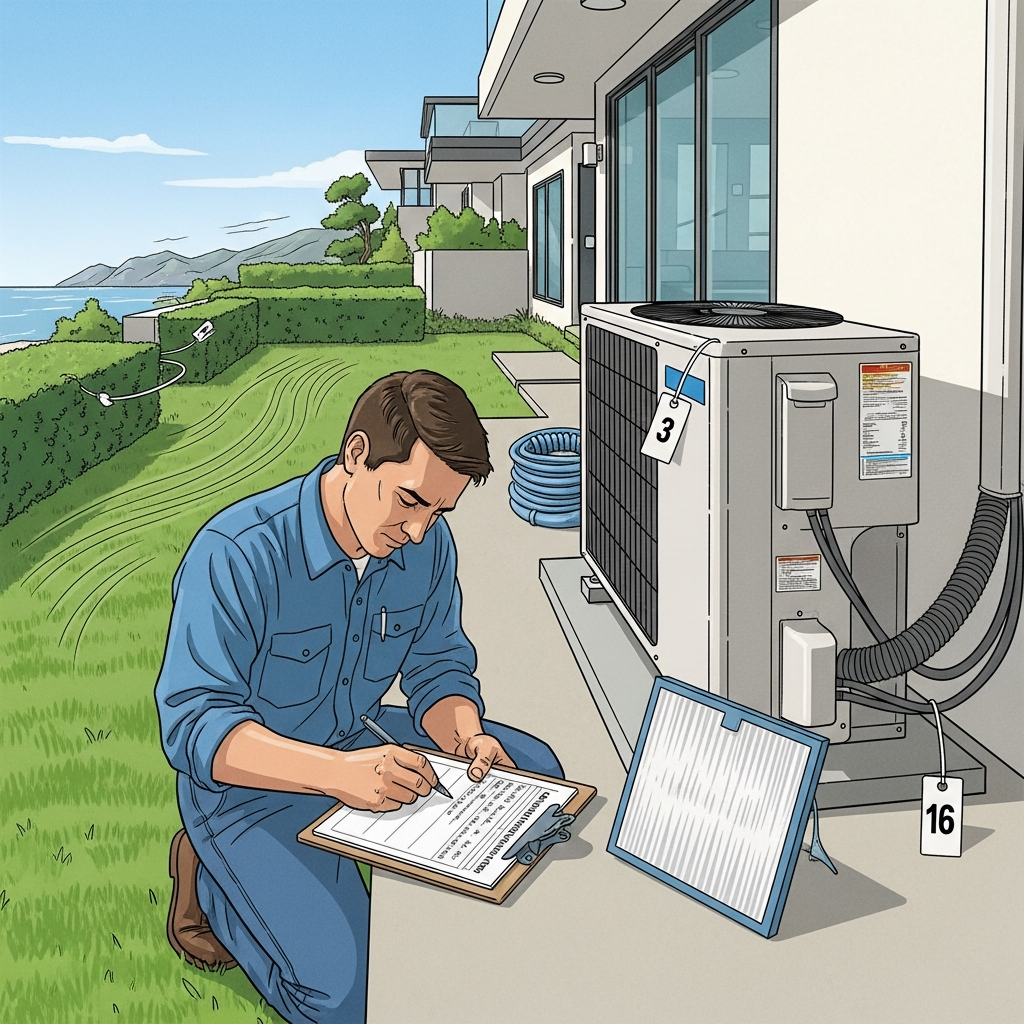
Preventive air conditioning maintenance in Malibu is not an abstract plan; it is a practical pact with the coast. The sea gives us mornings softened by a silver marine layer, afternoons brightened by sun that lingers on decks and courtyards, and the occasional wind that reminds every palm tree who is in charge. Your AC lives in that rhythm, coping with salt film, fine grit, shifting humidity, and the everyday swirl of doors, guests, pets, and ocean-view windows. A preventive mindset weaves care into the calendar so the system stays quiet, responsive, and ready, anchored by a dependable approach to air maintenance that reflects the realities of coastal life.
Think of prevention as layers that echo how the equipment actually works. Airflow sits at the base: filters clean and snug, returns unobstructed, supply vents free to breathe. On top of that, clean coils that welcome heat exchange rather than resist it. Add reliable drainage that moves water without drama. Cap it with accurate controls and sound electrical connections. Each layer strengthens the next, and together they let compressors and fans live an easier life, season after season.
The coast asks for special attention to the outdoor coil. Salt mist and marine haze do not shout; they whisper. Fins feel slightly sticky, the sheen dulls, and slowly the unit runs a little longer to accomplish the same work. Preventive maintenance sets a schedule—not a vague promise but a calendar mark—to rinse and clean with the right chemistry so the metal’s edges remain open and the fan’s effort is rewarded. That schedule flexes with location: a home perched close to the water near Malibu Road needs earlier attention than one tucked further inland in a wind-sheltered canyon.
Drain lines also enjoy a calendar. It is tempting to ignore them because when they work, they are invisible. But a small colony of algae in spring grows into a clog by midsummer. Preventive care means a deliberate flush, a quick vacuum at the service port, and a tablet designed to discourage growth. If your air handler sits over a closet or a hallway, that attention pays back with every dry ceiling tile you do not have to replace.
Electrical health makes prevention feel like insurance. Contactors age faster when salt drifts into the cabinet. Capacitors drift from their rating with heat and time. Periodic tests—real measurements under load, not just a glance—catch the slow slide long before a no-cool call interrupts a weekend. Tightened lugs, clean grounds, and balanced amperage keep motors humming at their intended note.
Controls, too, benefit from foresight. Malibu homes and offices often mix glassy rooms that soak up sun with shaded interiors that linger cool. Preventive maintenance checks thermostat calibration, confirms sensor placement, and reviews schedules with the reality of how people actually use the space. If a guest room sleeps empty most weeks, the schedule should say so; if a studio runs hot midafternoon when lights are on, the system should anticipate it.
Ducts hide, but they tell on themselves with uneven rooms and noisy transitions. Prevention brings them into the conversation. A smoke pencil can reveal drafts at joints; a manometer reads the static pressure that says whether the blower is working too hard. Small sealing jobs, gentle damper nudges, and the occasional return addition transform a home’s comfort without touching the equipment itself. In Malibu’s eclectic architecture—low-slung beach cottages, hillside aerie homes, and everything between—these tweaks matter.
Preventive thinking shines during the shoulder seasons. In early spring, choose a cool morning to run the AC for fifteen minutes. You are not cooling the house; you are listening. Does the condenser fan steady itself quickly? Do you hear a new rattle from the air handler? Is the first breath of air from the vent crisp and clean or faintly musty? Those clues, addressed in April or May, make June and July feel effortless.
Long-term prevention considers materials and placement. If you are replacing a condenser within sight of the surf, ask about corrosion-resistant coatings and hardware that stand up to salt. If wind often whips through your side yard, position fencing or landscaping to break the gusts without trapping recirculated exhaust air around the coil. Small choices in layout pay dividends every hot day for a decade.
Indoor air quality ties directly into preventive routines. Filters are not fashion; they are functional conversation between your home and the air outside. Choose a level that your blower can comfortably handle, and change them more often in busy seasons when windows beckon and traffic stirs dust along PCH. Keep a higher-efficiency option handy for smoky days, then return to your regular choice when skies clear. Prevention means being ready to adapt without starving airflow.
Documentation makes prevention powerful. A short log after each visit—filter condition, coil appearance, amperage, drain test, thermostat settings—turns memories into data. Over a year or two, patterns emerge. You see that the coil near the ocean wants attention every four months, not six. You notice that a certain breaker trips after windy periods, pointing to a loose connection corrected during the next visit. The log becomes a map of comfort.
For offices and studios, prevention respects schedules. Plan visits during low-traffic windows and follow up with quick spot checks after events, deliveries, or rearrangements that change airflow. Communicate with the people who occupy the rooms; their lived experience routes technicians toward the details that instruments confirm.
Noise and vibration sit on the preventive list as well. A humming unit that once purred may be asking for a fan blade cleaning or a motor mount check. A whistle at a vent often signals a diffuser setting or a pressure imbalance. Addressing these whispers is cheaper—in time, not money—than waiting for them to crescendo into failure.
In a place like Malibu, prevention intersects with hospitality. Many of us host friends and family often. A user-friendly thermostat with a few simple presets minimizes accidental settings that leave the house too cold or muggy. Clear instructions on leaving interior doors open for circulation help guests help you keep the system balanced. After a busy weekend, a filter check and a pass by the condenser to clear wind-blown debris return everything to baseline.
Midseason, pause and reconfirm. Look at the outdoor coil after a string of breezy days; trim back the jasmine that overreached toward the warm cabinet. Peek at the return to ensure the filter has not bowed. This is also the time to renew your commitment to scheduled professional air maintenance so the easy glide of summer continues without a hitch.
Ultimately, preventive maintenance is the art of letting your air conditioner disappear into the background of good days. It is a quiet partnership between attentive homeowners or managers and technicians who know what the coast asks of machinery. When the system is tuned, you notice the sunsets and conversations, not the thermostat. Rooms feel even, the soundtrack is a soft hush, and the mechanical world keeps pace with the natural one outside your windows.
How often should preventive maintenance happen in Malibu?
A spring tune-up paired with a brief midseason check serves most homes well. Properties very close to the ocean or with heavy use may benefit from an additional late-summer coil inspection. Regularity matters more than any single, heroic visit.
What is the single most valuable preventive task?
Keeping airflow healthy is foundational. That means the right filter, changed on time, and a coil that stays clean. With those two in place, motors draw fewer amps, temperatures stay even, and everything downstream lasts longer.
Do smart thermostats help with prevention?
They can. Smart controls that learn routines and average multiple sensors smooth temperature swings and reduce short cycling. Proper setup and sensor placement matter more than features on the box.
How do I protect outdoor equipment near salty air?
Schedule gentle coil cleaning with appropriate cleaners, use corrosion-resistant hardware when possible, and shield the unit from wind without trapping recirculated exhaust. Placement and materials together make the difference.
What about wildfire smoke days?
Keep windows closed, shift to recirculate, and use a filter with higher capture efficiency if your blower can handle it. After the air clears, swap back to your standard filter and consider a quick coil check to ensure residues did not settle.
What are warning signs that prevention should become immediate action?
New noises at startup, musty odors, tripped float switches, frequent breaker trips, ice on refrigerant lines, or weak airflow call for prompt attention. Early response preserves comfort and prevents collateral damage.
Ready to make comfort in Malibu a quiet certainty?
Put prevention on the calendar, pair it with regular professional air maintenance, and let your system settle into the easy confidence that suits coastal life. With a little foresight, your AC fades into the background, leaving the ocean and the people around you to take center stage.