
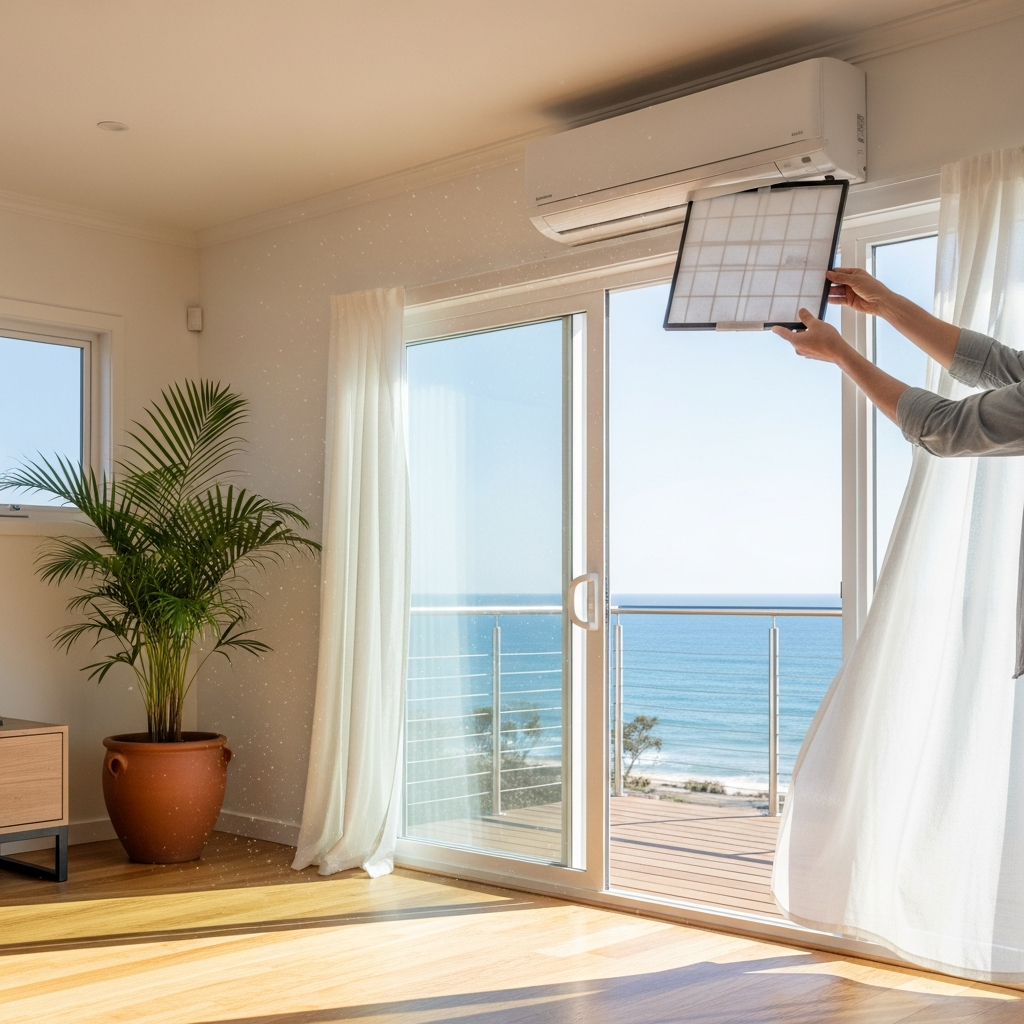
Malibu homes wear the coast like a favorite sweater—soft salt in the air, a hint of dampness in the mornings, and golden light that finds its way through every sliding door. That beauty shapes how your air conditioner should be cared for. The same breeze that cools an evening on the deck can carry a film of salt that clings to outdoor coils. The same gentle marine layer that makes dawn magical can leave condensate drains busy and filters working a little harder. Local know-how matters, and a consistent plan for air maintenance turns a complex system into a quiet, reliable companion for everyday life.
Every house tells its own story. On the flats near the beach, systems live right in the splash zone for salt and wind. Up in the canyons, dust rides thermal currents as afternoon winds nose inland. Some homes rely on traditional split systems feeding a network of ducts; others use stylish mini-splits that perch high on walls and cool rooms independently. The principles are the same—keep air moving freely, keep coils clean, keep water draining smoothly—but the tactics shift to suit the layout, exposure, and family routine.
Begin with filters, because everything downstream depends on them. If you are new to the coast, the rhythm can surprise you: filters that looked fine in the winter suddenly darken by early summer as windows open and close, kids track sand through the hall, and inland breeze stirs pollen into the mix. Check monthly in the busy season, and change at the first sign of bowing or dust bypass. A filter that bends in its frame leaves a gap where particles slip through, collect on the evaporator coil, and whisper “musty” each time the system wakes up. Your goal is to keep airflow stable so the coil can do its job without strain.
Coil care is where Malibu’s personality really shows. Outdoor condensers along the ocean view—Big Rock, Malibu Road, Point Dume—feel the salt before you do. You may notice a slight tackiness on the fins if you brush them lightly. That film slows heat transfer, forcing the compressor to work harder and longer. Gentle rinsing combined with the right cleaner, done by a pro who respects the fragility of the fins, restores performance. Inland homes still need coil attention, especially after windy spells that plaster the grille with chaparral debris. Either way, a clean coil is quiet, efficient, and kind to your power bill without you ever thinking about it.
Drainage is another quiet hero. The marine layer turns evaporator coils into hard workers, pulling moisture from the air as they cool. That water has to go somewhere, and the path is a narrow condensate line that can gum up with algae or debris over time. If you notice a faint damp smell near a closet air handler or see a drip pan that looks busier than usual, it is time to clear the line. A simple vacuum and flush during maintenance, plus periodic tablets designed for the task, keep your ceiling safe and your system happy.
Thermostat wisdom makes comfort feel effortless. Malibu’s sun angles can heat a hallway even when the air feels cool by the windows. If your thermostat sits in that hallway, it will call for cooling that overshoots the rest of the house. Moving the sensor to a more balanced spot or using a smart thermostat with room sensors can tame hot and cool pockets. Give the system a few days to learn your habits; the goal is a gentle curve of temperature across the day, not a jagged line that chases every cloud.
Ducts deserve attention in homes that were remodeled more than once, which is common here. A beautiful addition or an opened ceiling can leave a duct with too many bends or a run that was “good enough” in the rush to finish. Little fixes—a straighter path, sealed joints, a damper set by measurement instead of guesswork—can turn an obstinate bedroom into the most comfortable room in the house. If one space never seems to cool, consider whether return air has an easy route back; adding or enlarging a return often solves the puzzle.
Noise tells a story, too. A gentle hum is normal; a rattle at startup or a whistle from a vent is a clue. Sometimes the fix is as simple as tightening a panel, replacing a tired capacitor, or adjusting a diffuser. Listen to your system during a calm evening when the ocean is barely audible. You will start to recognize its healthy baseline the way you recognize the tide’s faint hush through an open window.
In spring, before the season turns decisively warm, do a shoulder check. Run the AC for fifteen minutes in the morning. You want to hear the condenser fan rise evenly, feel steady cool air from the first vent you check, and see clear water exiting the drain. If you smell something musty or hear a hesitant start, you have time to address it before the calendar fills with beach days and houseguests.
For homes with mini-splits, maintenance stays simple but focused. Clean the washable filters gently, check that the condensate tube is not pinched or weeping down the siding, and wipe the coil surface with care. Outdoor units need the same breathing room as larger condensers; trim shrubs back and ensure there is space for warm air to move away without recirculating. A light rinse to remove salt film can make a remarkable difference in sound and responsiveness.
Wildfire smoke, while not a daily feature, is a reality some seasons. When the air turns, close windows, set your system to recirculate, and, if your blower can handle it, use a filter rated to capture finer particles for the duration of the event. Afterwards, replace the filter and consider a professional coil inspection to ensure residue did not settle where it should not. The goal is to avoid choking your airflow while still protecting indoor air quality when it matters most.
Electrical checks are the quiet guardians of reliability. Malibu’s hills and coastal weather can create brief power events. A technician who tightens lugs, tests capacitors, and verifies clean starts and amperage under load buys you seasons of uninterrupted performance. These are the things you never see, but you feel in the system’s confidence when it wakes up on the first truly hot day.
By midsummer, make a quick circuit of the home while the system is running. Are supply vents cool but not forceful? Is the outdoor unit exhaling warm air freely or sighing into the back of a hedge? Is the return filter snug in its frame or bowed at a corner? Small corrections now prevent long, frustrating afternoons later. This is a perfect time to reaffirm your commitment to periodic professional air maintenance so small drifts never become big failures.
For families who host often, little habits keep comfort effortless. Remind guests to leave interior doors open for circulation when possible. Keep the thermostat simple, with clear modes and temperatures labeled. After a weekend of comings and goings, a quick filter check and a peek at the outdoor unit are often all you need.
Upgrades can be a gift to future you. High-efficiency equipment shines in Malibu’s climate, but only when allowed to breathe. That means correct sizing, clean coils, and ductwork that respects the design airflow. If your system is nearing retirement, a thoughtful consultation that includes duct inspection, return sizing, and placement recommendations will pay you back with quiet, even cooling and lower energy use for years.
In the end, maintenance is not about fussing over machines; it is about creating a home that welcomes you after a beach walk or a long day on the highway. You open the door, feel the air settle around you just right, and never once think about a drain line, a coil, or a capacitor. That is the quiet success of caring for an AC system that lives by the sea.
How often should Malibu homeowners schedule AC maintenance?
Plan on a full spring tune-up with a midseason check. If your condenser sits close to the ocean or in a particularly windy spot, add a late-summer coil inspection. These touchpoints match the rhythm of the coast and prevent small issues from growing.
Which filters are best near the beach?
Choose a filter your blower can move air through comfortably, and change it more often during busy, breezy months. Keep a higher-efficiency option ready for smoky days, then return to your standard choice when the air clears.
Should I worry about salt corrosion?
It is a real factor on outdoor equipment. Regular rinsing, non-acidic coil cleaning, and corrosion-resistant hardware slow the process dramatically. Thoughtful placement and a little wind shielding help, too.
What if one room always runs warmer?
That points to duct balance, return placement, or solar gain more than a failing unit. Adjusting dampers, sealing small leaks, adding a return, or managing sun exposure typically solves it.
Are smart thermostats worth it here?
Often yes. With remote sensors and adaptive schedules, they smooth out hot spots and anticipate your routine. Setup matters, so let the system learn for a few days and fine-tune sensor locations.
What are early warning signs of trouble?
New noises, musty smells at startup, long run times with weak airflow, ice on refrigerant lines, or water in the drain pan mean it is time for a visit. Quick attention prevents larger repairs and protects comfort.
Ready to make Malibu comfort effortless?
Set a simple plan for professional air maintenance, pair it with easy at-home habits, and give your system the calm, consistent care that coastal living rewards. Your home will respond with quieter operation, smoother temperatures, and that easy, ocean-adjacent comfort you look forward to every day.