
Living Well on the Edge of the Pacific
Stepping outside in Malibu, you feel the ocean before you see it. The air carries a cool marine breath in the morning, a sun-warmed shimmer at midday, and a gentle fall of evening fog that drifts like a seasonal ritual. That rhythm is what draws many of us to live along the bluffs and beaches, yet it is also what makes indoor comfort more nuanced here than in almost any other corner of Southern California. In a coastal home, comfort is not merely about dropping the temperature on a hot afternoon. It is about balancing salt, moisture, wind, and sun so the house breathes with the landscape while your living spaces remain quiet, healthy, and reliably comfortable day and night. The right cooling plan becomes a steward of the home’s finishes, the artwork on the wall, the instrument in the corner, and the people who gather around the table.
When neighbors talk about the difference a well-designed system makes, they usually begin with the same understated admission: you do not realize how much the ocean touches everything until you live with it every day. That is why the most decisive first step is to pair the home’s architecture with a coastal-tuned air conditioning strategy. From salt-resistant outdoor components to filtration that responds to marine particulate, the plan should be as site-specific as your view. Done right, cooling in Malibu feels less like machinery and more like a quiet, protective background presence that lets the house open to the sea when you want it to and close itself gently when the elements ask for a firmer boundary.
Comfort Means Temperature and Humidity Together
People often describe comfort as a number on a thermostat, but along the coast it is the meeting point of temperature and humidity that tells the real story. Mornings can be cool yet clammy as the marine layer lingers, while afternoons swing warm and dry, especially when breezes slip offshore. A properly selected system treats moisture with the same precision it treats heat, using variable-speed compressors and thoughtfully sized air handlers to draw humidity to a consistent, healthy range. That balance takes the edge off sticky mornings without overcooling, then glides through sun-warmed afternoons without a jarring blast of air.
Humidity management also protects the house itself. Hardwood floors, fine cabinetry, musical instruments, and cherished collections all respond to moisture changes, expanding and contracting with the tide of indoor air. Over time, those cycles can loosen joints, warp panels, and dull finishes. A coastal-tuned system steadies the environment so materials move less and last longer. In practical terms, that means quieter floors, tighter drawers, and photographs that keep their flatness and color even as the seasons turn. Comfort becomes longevity, and longevity becomes part of the home’s calm.
There is a health dimension too. Balanced indoor humidity helps keep dust mites in check, discourages mold growth in tucked-away corners, and supports restful sleep by reducing that sticky feeling that can keep you tossing on the warmest nights. When you think of cooling in Malibu, imagine the feeling of your body relaxing into the bed sheets, the room neither dry nor damp, the air moving softly, and the system simply reading the conditions, trimming and tuning until your breathing slows. That subtle regulation is the mark of a system working with the climate rather than against it.
Guarding Against Salt, Sun, and Sea Breeze
Every coastal homeowner has a story about how quickly metal fixtures show their first freckles of rust or how sea spray seems to drift farther inland than expected on a windy day. Outdoor condensing units sit at the front lines of that exposure. Protective coil coatings, stainless or polymer fasteners, and smart siting away from direct spray paths help the equipment resist corrosion. Equally important is gentle, regular rinsing to lift salt mist before it cakes. These details may sound small, but they are the difference between years of quiet operation and the slow grind of coastal wear.
Inside, filtration matters for more than just dust. Onshore winds can carry fine saline particles that contribute to a faint tackiness on glass and art if air is not turned and cleaned. High-quality filters, properly sealed in their housings, intercept these particles while also capturing beach dust, pet dander, and wildfire smoke that sometimes rides the Santa Ana pattern. Clean air feels lighter in the lungs and brighter to the eye; rooms keep their clarity, and the subtle coastal fragrance comes through without the grit.
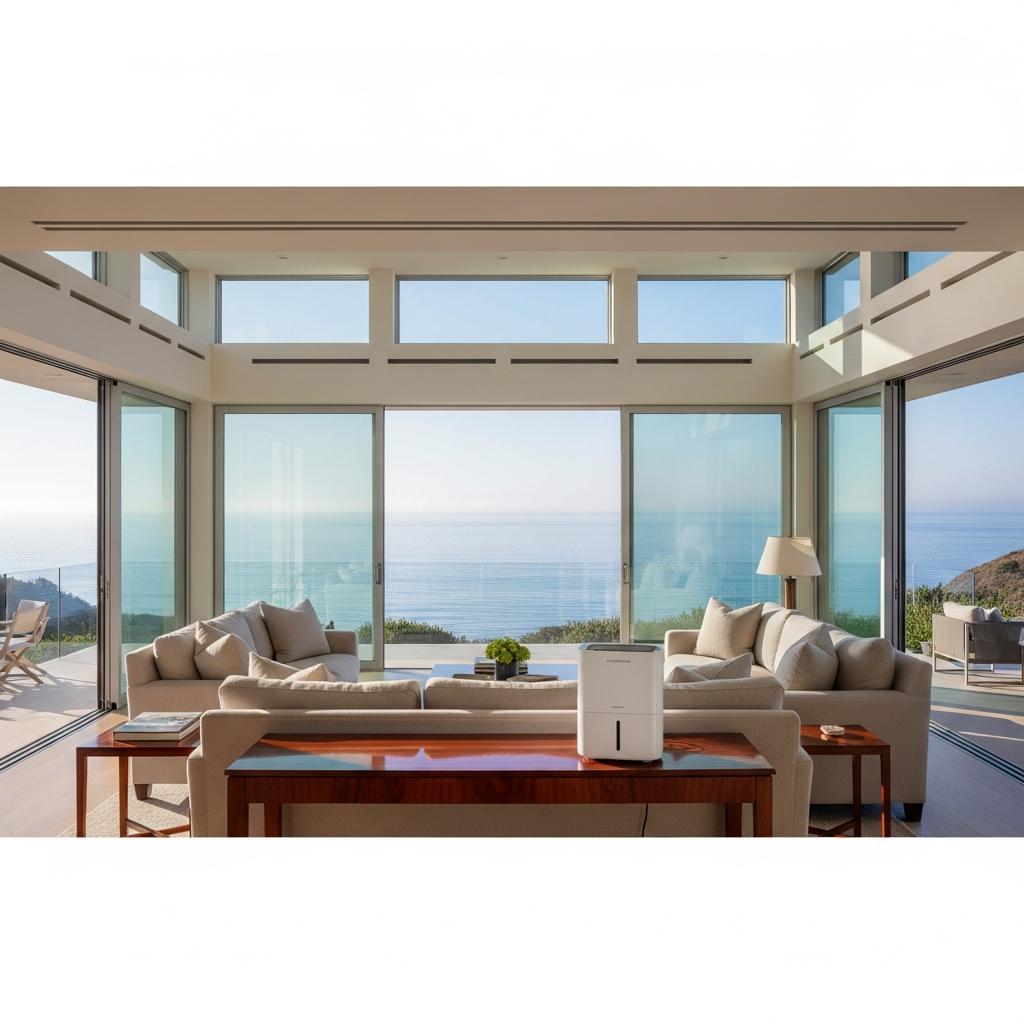
Window walls, skylights, and clerestory glazing are common in Malibu designs for good reason—they pull daylight deep into the plan and frame that straight-line horizon. Yet glass can bring radiant heat on bright afternoons, creating hot spots that make a room feel warmer than the thermostat reading suggests. A well-tuned system accounts for those solar loads, especially in spaces with tall ceilings and exposed beams. By staging airflow where gains are highest and using variable outputs that match the real-time load, the system smooths temperature differences so you experience a uniform calm even as the sun arcs and angles.
Quiet, Efficient, and Unobtrusive by Design
Part of what we cherish here is the hush of evenings when the surf is the loudest thing you hear. Cooling should honor that soundscape. Modern variable-speed systems sip energy and modulate quietly, allowing the equipment to run longer but gentler, which is paradoxically more efficient and less intrusive. That steady state avoids the up-and-down cycling that can wake light sleepers and spike utility use. Duct design plays a role too; wide, smooth pathways with careful sealing reduce turbulence, while proper return placement prevents the whoosh-and-rattle that older homes sometimes tolerate as a necessary evil.
Efficiency has a coastal character as well. Salt air and fine particulates can add drag to heat transfer if coils are not kept clean. That is why the pairing of protective coatings and thoughtful maintenance matters just as much as the efficiency rating on paper. The most efficient ton of cooling is the one that matches your home’s real need at a given hour—cooler mornings with a marine hush, warm golden afternoons, and occasional weeks of dry offshore winds when the system should shift focus from dehumidification to gentle, consistent temperature control. Around the midpoint of a typical summer afternoon, this is where homeowners most often notice the steadiness of a system that has been sized and set up carefully, and it is a fine moment to appreciate how the home holds its line with a quiet assist from modern air conditioning.
Noise control is not just an outdoor consideration. Inside, attention to supply registers, return placement, and the softening effect of furnishing makes the difference between a draft you feel and one you do not notice. Many Malibu renovations now prioritize hidden linear diffusers, discreet grilles painted to match ceiling planes, and equipment mounted on vibration-absorbing pads that keep the home’s soundtrack free from hums or rattles. The result is a cooling presence you sense as stillness rather than a mechanical chorus.
Cooling Tailored to Malibu Architecture
The coastal hillside homes that step up the canyons and the low-slung bungalows hugging the sand face different demands. In a terraced plan with multiple exposures, zoning becomes a silent ally, letting you nudge a west-facing great room while leaving a shaded bedroom to drift a degree warmer. In a single-level beach cottage, ductless heads or thoughtfully placed supply trunks can address isolated glaze-heavy spaces without pushing air too hard everywhere else. The point is not to standardize but to read the building: where light pours, where wind rests, where families gather and where they retreat.
Malibu materials are also telling: white oak boards, plaster walls that catch the light, steel railings, and natural stone. Cooling that manages moisture and filtration protects those materials and the craftsmanship behind them. Consider art niches and wine storage, the two canaries in the coal mine for unsteady indoor conditions. When those elements remain consistently comfortable—no sheen of moisture on a glass door, no warping of a canvas frame—you can be certain the rest of the house is living well too.
Smart controls have matured to the point where they fade into the background. A well-placed sensor reads the room’s true conditions; quiet schedules reflect your habits; and gentle setbacks allow some drift when the sea breeze is enough, then return rooms to a set point before guests arrive. The best compliment for a control system is that you rarely need to touch it. If you do, it should tell you something useful about air quality and runtime instead of asking you for attention.
Indoor Air Quality and the Malibu Lifestyle
Many Malibu homes blur the boundary between inside and outside with telescoping doors and breezeways that erase corners. That is part of the magic, yet it also means more open-air days when pollen and fine salt enter freely. Good filtration paired with balanced ventilation keeps indoor air bright even during long stretches of open living. When doors close, the system should turn the indoor envelope into a gentle cocoon, pulling particles and humidity into balance and restoring that quiet clarity you notice on early mornings after an overnight run cycle.
On days when wildfire smoke drifts from inland valleys or the Santa Anas turn the air unseasonably dry, indoor air quality takes center stage. Well-sealed ducts, upgraded filters, and conscientious maintenance protect the home’s lungs when opening windows is not an option. If you have ever returned from a smoky day outdoors to a living room that smells clean and feels breathable, you have experienced how much your system’s invisible work shapes daily wellbeing. That is not an extravagance; it is preparation that pays off in resilience when the weather turns.
Sleep is the other dimension that coastal families mention often. The same ocean that cools afternoons can deliver a nighttime dampness that wakes light sleepers. Quiet, low-output operation paired with a dehumidification strategy creates a bedroom environment that stays consistent from dusk to dawn. It is a small-seeming change with an outsized effect: fewer wake-ups, calmer mornings, and a house that feels like it is helping you rest instead of asking you to accommodate its quirks.
Planning, Installation, and Care
When a system feels invisible in daily life, it is usually because it was carefully planned at the start. Load calculations based on the home’s specific exposures, window assemblies, and usage patterns produce a system that neither strains nor loafs. Installation then becomes craft: refrigerant lines routed to minimize exposure, outdoor units sheltered from direct spray without starving airflow, and condensate drains pitched and protected so they do not become a surprise source of moisture. These nuts-and-bolts decisions accumulate into a home that breathes evenly through every season.
Maintenance, approached the way coastal households maintain teak or stainless, keeps performance steady. Gentle rinses of outdoor coils, timely filter changes, and seasonal checkups before peak heat set the tone for the months ahead. Think of it as tuning a favorite instrument: the better the attention, the more effortless the performance. For Malibu specifically, that means a little more awareness of salt’s slow hand and a little more gratitude for the system’s quiet everyday work.
Ultimately, the benefit of good cooling in a coastal home is not a number on a brochure but the way the home supports the way you live. Mornings are clear and fresh even if fog lingers outside. Afternoons feel bright but never harsh. Evenings invite conversation without a second thought about stickiness or hot spots. The ocean is always there—just on the other side of the glass, just enough in the air to remind you where you are—while the interior settles into a calm that respects both the setting and the people who call it home.
What is the single biggest benefit of coastal-tuned cooling in Malibu?
Consistency is the standout. A system that manages humidity and temperature together keeps rooms steady across shifting marine conditions, which feels better to live in and protects finishes, furnishings, and art from gradual wear.
How does salt air actually affect air conditioning equipment?
Salt accelerates corrosion on exposed metal, particularly on condenser coils and fasteners. Protective coatings, stainless or composite hardware, and routine rinsing dramatically reduce that impact so performance and appearance hold up over time.
Can I just oversize equipment to handle muggy mornings and hot afternoons?
Oversizing typically makes comfort worse, creating short, loud cycles that fail to remove enough moisture and leave rooms feeling clammy. Right-sizing with variable-speed components lets the system run long, quiet cycles that balance moisture and temperature together.
Do large glass walls mean I will always have hot spots?
Not if the system is designed with solar gains in mind. Careful zoning, diffuser placement, and modulating output can smooth temperatures across those radiant loads so the space feels even without heavy blasts.
What kind of filtration should I consider near the beach?
High-quality filters with good capture efficiency for fine particulates help with saline mist, pollen, and smoke. Just as important is a tight filter fit to prevent bypass and a maintenance schedule that reflects local conditions.
How often should coastal systems be maintained?
Seasonal checkups paired with periodic coil rinsing and regular filter changes keep performance consistent. The exact cadence depends on proximity to direct spray and wind exposure, but proactive care is always rewarded by quieter, steadier operation.
Is dehumidification really necessary in Malibu?
While the climate is not tropical, the marine layer creates periods of elevated humidity that feel uncomfortable and stress materials. Systems that actively manage moisture deliver a noticeable improvement in comfort and help preserve finishes.
When you are ready to make your Malibu home calmer, healthier, and more resilient through the seasons, take the next step with a plan centered on thoughtful, salt-savvy design and installation. The right partner will tune capacity to your rooms, stage airflow to your glass, and set controls that align with your life so comfort becomes something you feel, not something you fuss with. Start today by exploring the coastal possibilities of modern air conditioning and give your home the quiet, balanced interior it deserves.