
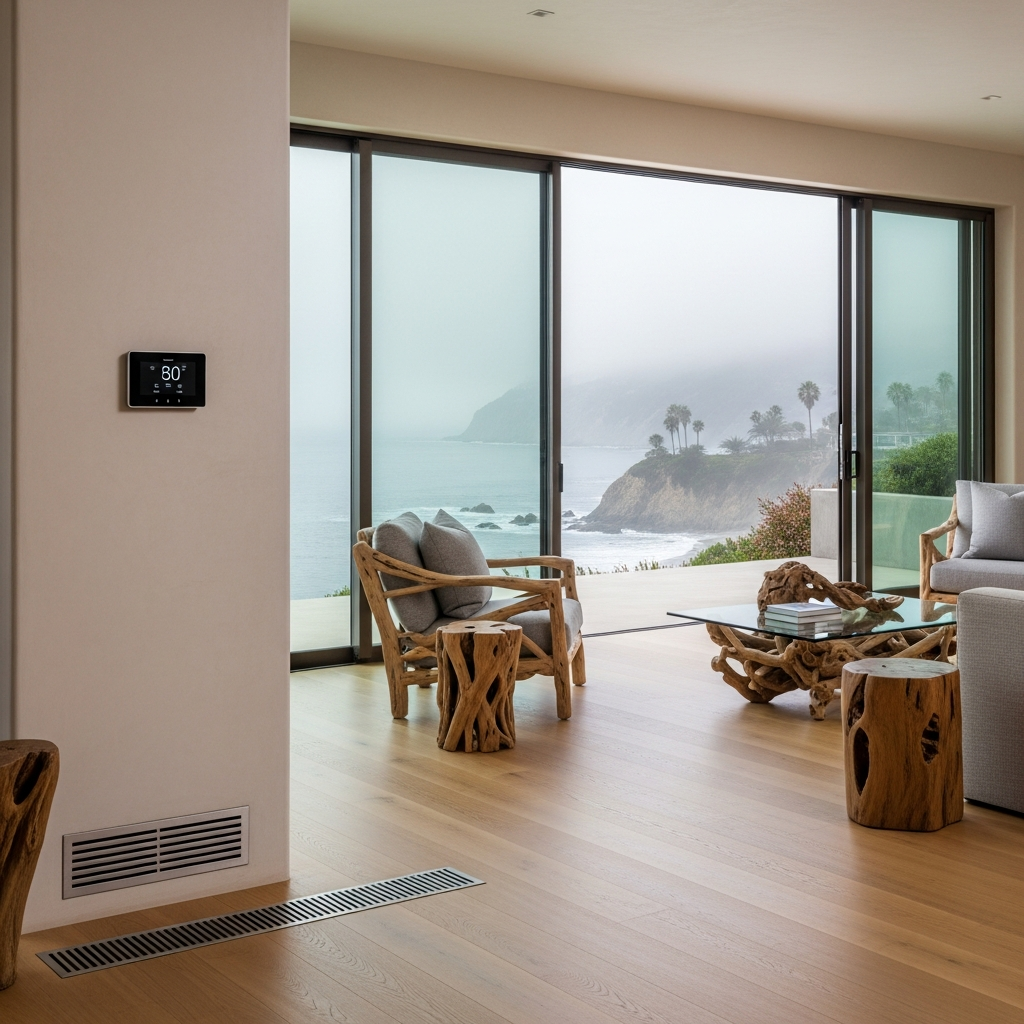
Malibu’s Many Weathers in a Single Day
If you spend time driving from the pier to the canyons and back again, you notice how Malibu contains multitudes. Fog can hang over Point Dume like a gauze curtain while Serra Retreat basks in bright sun. The beach may be cool enough for a sweater at breakfast while just a few turns inland the canyon roads shimmer with heat by lunchtime. These microclimates are the natural poetry of our coastline, choreographed by elevation, topography, and the daily tug-of-war between marine layer and inland warmth. The same variety that makes long summer days so beautiful also makes indoor comfort a practiced craft; it asks for cooling that is nimble, quiet, and smart about both humidity and temperature.
When neighbors swap stories about a day that began with damp morning air and ended with the wind racing offshore, they are describing why a home needs more than a simple on-off response. A tailored approach to air conditioning is not merely about keeping cool during a heat wave; it is about guiding the house gracefully through the daily seesaw of Malibu weather. Done well, you never feel the pivot. You just move from coffee to noon errands to dinner on the patio with a home that stays unconcerned by the outside world’s shifts.
The Marine Layer: Friend Outside, Foe Indoors
Those soft, gray mornings are part of Malibu’s personality. The marine layer filters the sun and calms the coastline, but inside it often feels like a light blanket of dampness laying across fabrics and floors. That is where humidity control earns its keep. When a system can run long, low cycles that gently pull moisture out of the air without chilling the room, you step into a day that feels fresher and cleaner. The benefit is tangible: sheets dry faster, mirrors do not haze as easily, and your body feels less weighed down as the day begins.
The trick is not brute force cooling but modulation. Variable-speed compressors and thoughtfully placed sensors steady indoor conditions with minimal noise. Instead of coming on with a gust, the equipment engages like a whisper, trimming humidity in the background so temperature set points hold true without clamminess. This subtlety becomes more than a comfort perk; it helps wood floors resist cupping, keeps cabinetry tight, and preserves the balance that coastal materials need to age gracefully.
Sun, Slopes, and Solar Gain
By late morning, when fog lifts and the light throws itself across glass, rooms with southwest exposure start to collect heat. Malibu’s architecture, with its views framed by large panes and clerestory heights, can amplify that gain. A microclimate-tuned system accounts for those patterns by zoning. It is not about isolating rooms as much as letting them speak for themselves. A great room that runs warm can get a nudge while north-facing bedrooms relax in a gentler band of cooling. Air distribution also matters; with well-positioned diffusers, you feel evenness rather than streams of cold air racing from a single source.
Canyon homes face their own choreography. Slopes shelter some spaces from coastal winds, creating pockets that warm faster and hold heat deeper into evening. Those same canyons can funnel breezes, sending an evening draft that cools one wing and skips the other entirely. A savvy cooling plan listens to the building and the land at once, answering each zone with precision so the interior feels like one well-tuned instrument rather than a handful of competing notes.
Santa Ana Days and the Dry Heat Question
When Santa Ana conditions roll in, the conversation shifts from moisture to dryness and particulate. Air warms and desiccates as it sweeps from inland, sometimes carrying a fine haze of dust or, in difficult years, smoke. Here, filtration and pressurization quietly earn gratitude. High-quality filters intercept fine particles before they settle on surfaces or irritate lungs, while careful sealing of ducts prevents that paper-dry feeling that can creep in through gaps. The system’s ability to maintain comfort on these days is a matter of resilience; it keeps routines steady, sleep restful, and indoor air noticeably calmer than the world outside.
It is also the moment when capacity that modulates becomes invaluable. Rather than blasting and idling, equipment that can ramp its output glides through the hotter hours efficiently. By avoiding short cycling, it holds temperature with less power and with the kind of steady sound profile that preserves the hush of a home tuned to the coastline. The payoff shows up in the way rooms feel and the way the day flows uninterrupted by the machine meant to support it.
Why Essential Means More Than Cooling
Calling cooling essential in Malibu is not only about beating a heat wave. It is about preserving health, maintaining materials, and giving daily life a rhythm that does not bow to the weather. For families with children or elders, stable temperatures and clean air reduce stress on bodies that are more sensitive to swings. For homes with art, musical instruments, or specialty finishes, steadiness protects investment and avoids the low, constant hum of repair work that follows a house under environmental strain. Essential, in Malibu terms, looks like a home that stays quietly itself regardless of whether the day dawns fog-bound or ends in a dry, offshore glow.
There is a human factor too. Cognitive performance, sleep quality, and mood all respond to indoor conditions. People feel more alert and content in spaces where air is fresh, temperatures are even, and humidity is balanced. That link is especially clear here, where many residents work from home, host gatherings, and spend long stretches moving between open-air terraces and indoor rooms. Good design bridges those modes gracefully, letting the home open wide to the view when the breeze cooperates, then close in and keep its calm when the air outside asks for caution.
Designing to the Microclimate You Actually Have
The phrase “Malibu home” covers a lot of ground—from beach cottages steps from the sand to hillside retreats overlooking a canyon’s green fold. A process that begins with load calculations rooted in actual site conditions avoids both overreach and undershoot. Window assemblies, shading, prevailing winds, and the layout’s intended daily use all inform the right capacity and distribution. Often, the best outcomes pair a central system with smart zoning that respects how the house lives: a lively main volume, a quieter bedroom wing, and perhaps a studio or fitness room that runs on its own rhythm.
Midway through summer, when you notice the interior’s steady calm despite the outside air swinging from cool and misty to bright and dry, you are feeling the value of a plan tuned to Malibu’s microclimates. That steadiness is not accidental; it is the signature of well-chosen air conditioning working in concert with the home’s bones and setting. The best part is how little you think about it day to day. Comfort recedes into the background like a trusted habit.
Filtration, Ventilation, and Peace of Mind
Open-plan living and large moveable walls are Malibu signatures, but they also invite in pollen and fine salt on breezy days. Filtration with a good capture profile keeps that influx from lingering. Balanced ventilation ensures that when doors close, indoor air does not become stale; fresh air can be tempered and cleaned so the transition from outside to inside feels natural rather than abrupt. Coupled with careful duct sealing, these steps minimize hot and cold spots and keep every room feeling connected to the whole.
Condensate management is another quiet hero in coastal settings. Drains that are sloped correctly and protected from debris prevent nuisance moisture where you least want it—inside walls or near finishes that do not tolerate dampness. In a home where the ocean is a daily presence, knowing that the system is moving water out and away reliably makes a noticeable difference over the years.
Longevity and the Rhythm of Care
Coastal conditions ask for prevention rather than dramatic rescue. Simple, steady care—seasonal checkups, filter changes matched to real use, and gentle rinsing of outdoor coils—pays back with quieter operation and longer equipment life. Protective coatings, smart placement out of direct salt paths, and mindful landscaping that does not crowd equipment complete the picture. What you gain is more than reliability; you gain a system that remains almost invisible in your daily life, a piece of the house that never competes with the view.
In the stories neighbors tell, the happiest results always sound the same: a home that welcomes guests on damp mornings without mustiness, floats through sparkling afternoon heat without stuffiness, and settles into bedtime without drafts or hum. That is what essential means here. It means the house keeping pace with the day so that you can pay attention to the parts of Malibu that brought you here in the first place.
Is air conditioning truly necessary so close to the ocean?
Yes, because Malibu’s coastal microclimates bring swings in humidity and temperature that affect comfort, sleep, and the health of materials. Thoughtful systems that modulate and dehumidify make interiors dependably livable while preserving finishes and furnishings.
What makes canyon homes different from beachfront properties?
Canyons create sheltered, warmer pockets and channel winds unpredictably, while beachfront homes face more direct salt exposure and marine moisture. Design that accounts for those differences—through zoning, equipment placement, and filtration—delivers steadier comfort.
Will opening large doors ruin efficiency?
Not with a plan that anticipates it. When weather cooperates, open-air living is a joy. When doors close, balanced ventilation and filtration restore indoor calm quickly so you do not feel like you are fighting the climate to regain comfort.
How do Santa Ana winds change the cooling strategy?
Santa Ana periods shift focus toward particulate control and even, quiet temperature management in drier air. Good filtration, sealed ducts, and variable-capacity operation hold comfort while minimizing energy spikes and noise.
What role do smart controls play in microclimate comfort?
Smart controls paired with remote sensors read actual room conditions. They adjust output gently, maintain humidity targets, and learn schedules so the system anticipates rather than reacts, preserving comfort through daily weather swings.
How often should systems be serviced in Malibu?
Seasonal service aligned with coastal exposure plus regular filter changes and light coil rinsing keep performance consistent. Homes directly facing salt spray may benefit from more frequent visual checks for debris and salt film.
If you want your Malibu home to feel composed during foggy mornings, bright afternoons, and the occasional dry offshore spell, now is the time to shape a plan that fits your exact microclimate. Work with a team that listens to your site, measures real loads, and installs with a craftsperson’s care so the result is comfort you barely notice because it simply works. Begin by exploring modern options for air conditioning that harmonize with Malibu’s many weathers, and let your house feel as effortless as the view it frames.