
Coastal Living Shapes How Your Home Breathes
Malibu’s allure is obvious the moment you step outside: the marine layer drifting across the water at dawn, the afternoon sun brightening the hills, and the evening breeze that cools everything down. That daily rhythm also shapes how your home moves air, and it is why so many coastal homes benefit when a professional team tackles a comprehensive duct replacement. Your ducts are the hidden highways that carry comfort from the air handler to every room, and in coastal environments they face unique stresses—from salt air and humidity to wind-driven infiltration and architectural quirks born from hillside building. Replacing compromised ductwork is less about swapping materials and more about restoring the way your house breathes in this specific place.
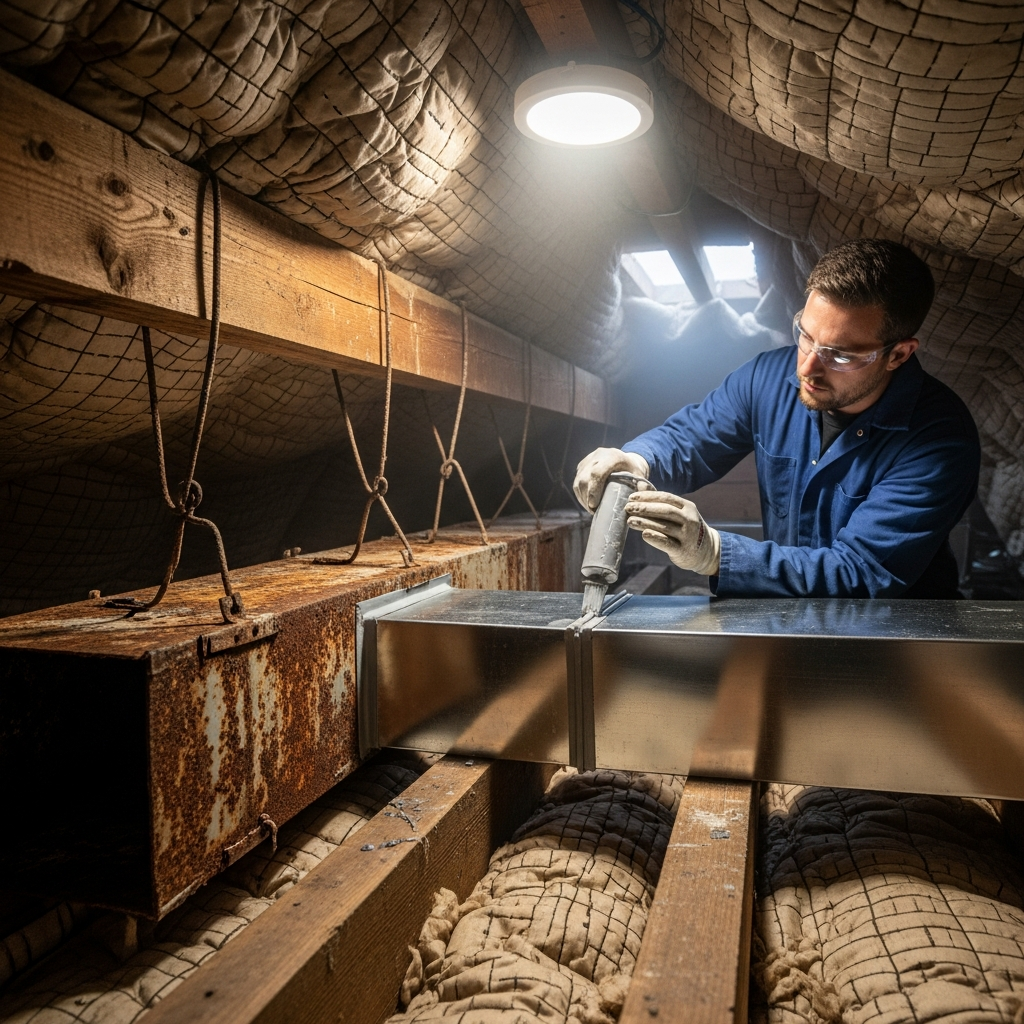
Unlike inland environments, Malibu homes often endure persistent, fine salt particles that ride in on sea breezes. Over time, that exposure can degrade metal hangers, rust galvanized fittings, and embrittle older duct jackets. Even minor corrosion can loosen joints, which quietly turns into leakage. Meanwhile, morning moisture condensing on cooler duct surfaces and afternoon heat loading the attic create a constant expansion-and-contraction cycle. If the duct system wasn’t sized or supported with these forces in mind, you see sagging runs, crushed bends, and weak connections that sap airflow and spike energy use.
Salt Air, Sun, and Wind: A Tricky Trio for Ducts
Salt doesn’t just target metal; it also shortens the life of certain tapes and adhesives used years ago. Where older systems relied on flimsy tapes, today’s best practices use mechanical fastening and mastic-based sealing that stand up better to coastal conditions. Sun exposure on rooftop or exterior chases accelerates UV damage to unprotected jackets, and wind can work loose any component that wasn’t strapped and braced with the right spacing. Replacing ducts gives you the chance to use materials and methods that resist all three: salt, sun, and wind.
Wind also influences airflow inside the home. On gusty afternoons, pressure differences between windward and leeward sides encourage air to move through even tiny openings. Leaky return ducts can draw attic air under those conditions, which is the last thing you want entering your HVAC system. Tight, well-sealed returns combined with thoughtful supply distribution prevent that “wind-tilted” feeling where one side of the house seems less comfortable than the other. Duct replacement allows designers to re-balance the network so each room gets what it needs, regardless of the breeze outside.
Architectural Realities of Malibu Homes
From beachfront bungalows and mid-century modern flats to terraced hillside villas, Malibu architecture is wonderfully diverse. Many of these homes present real-world constraints: shallow roof cavities, long horizontal spans, and floor plans that evolved after remodels. A replacement project is the opportunity to address past compromises. That might mean reshaping a trunk line to avoid a notorious pinch point, relocating a register for better air throw across tall windows, or insulating a run that was previously starved for protection from attic heat. These refinements cumulatively add up to a quieter, more efficient system with room-to-room consistency that you can feel.
Historic and design-forward homes also benefit from discreet solutions. Thoughtful routing preserves aesthetics while meeting performance goals. Proper support spacing keeps flex duct at its intended diameter, while rigid duct sections handle longer, straighter runs beautifully. The end result is less turbulence, lower static pressure, and the kind of balanced airflow that makes your thermostat readings match what your body feels.
Humidity, Condensation, and Indoor Air Quality
Coastal humidity introduces a comfort challenge and a durability risk. When warm, moist air meets cooler duct surfaces or air handler components, condensation can form. If the ducts are poorly insulated or leak, that moisture can linger, inviting musty odors and dust adhesion that undermine indoor air quality. Replacing tired ductwork with properly insulated, tightly sealed lines reduces these condensate-prone surfaces and keeps unconditioned air where it belongs—outside the duct system. The result is steadier temperatures, more effective dehumidification at the coil, and cleaner air moving through your home.
Good duct design also elevates filtration performance. Filters work best when the right volume of air passes through them consistently. That requires a supply and return system with balance and minimal leakage. By curbing bypass air and stabilizing airflow, a replacement helps your filter capture fine coastal particulates more reliably, which is especially helpful when morning fog carries salts and dust inland or when wildfire smoke drifts along the coast.
Why Replacement Beats Patchwork Repairs
It’s tempting to chase obvious leaks with tape or swap a crushed section and call it a day. But in coastal homes where multiple forces degrade ducts over time, spot repairs often miss the systemic problems: undersized trunks, poorly executed branches, and returns that were never quite right for the equipment. A replacement project begins with a fresh load of information—room measurements, static pressure readings, and airflow targets—and builds a network designed to those needs. That fresh start is why homeowners so often report immediate improvements in comfort, noise, and energy use. You’re replacing the map, not just filling potholes.
There’s also a longevity argument. When a system is redesigned and rebuilt using materials suited for coastal life—quality insulation, corrosion-resistant components, robust sealing—the network ages much more gracefully. That means fewer surprises after a stormy season, fewer rattles when the house settles, and fewer callbacks for nagging imbalances that short-term fixes never fully solved.
Energy Efficiency Gains You Can Feel
Efficiency is not an abstraction; it’s the shorter run time on a bright September afternoon and the steadier temperatures when a marine layer hangs on until midday. When leakage is reduced, the blower accomplishes more with less effort. When static pressure falls into the right range, equipment operates closer to its design point, allowing coils to cool or heat air effectively without wasteful overwork. And when supply air actually reaches the rooms evenly, you stop gambling with the thermostat—no more overcooling one wing just to make another livable. That is the kind of efficiency you feel in your body and see in calmer system behavior.
For many residents, the middle of a project is the perfect time to consider complementary improvements. Some choose smart controls or zoning to direct comfort to occupied spaces and let quieter areas idle. If you decide to expand your project scope, be sure the additions reinforce the fundamentals. The core upgrade—high-quality ductwork replacement—is what turns the rest of your system into a precision instrument rather than a set of heroic band-aids.
Resilience During Challenging Conditions
Malibu’s weather can be gentle for weeks and then throw you a curveball—hot spells, strong winds, or smoke from distant fires. In those moments, a well-designed duct system is the difference between an HVAC unit that struggles and one that keeps its cool, literally. Balanced airflow allows pre-cooling strategies to work when you know a heat wave is coming. Tight returns and well-insulated supply lines keep more of that cool inside your living space longer, which is a comfort and resilience dividend when the grid is stressed or when you want to minimize runtime during peak hours.
For homes with backup power or demand-response strategies, the distribution system is mission-critical. You get more from every stored watt or every minute of strategic runtime if ducts deliver as intended. Replacement isn’t just an efficiency upgrade—it’s a resilience strategy for a coastline where nature likes to keep us on our toes.
Frequently Asked Questions
How does coastal air specifically damage ducts?
Salt-laden moisture accelerates corrosion of metal components and can degrade older tapes and jackets. UV exposure and wind then exploit those weaknesses, loosening joints and supports. Over time, leakage and sagging appear, reducing airflow and comfort.
Can replacement really fix rooms that never seem comfortable?
Yes, because imbalance is often a distribution problem, not an equipment problem. By resizing branches, rerouting tight bends, and adjusting register placement, replacement targets the causes of stubborn hot or cold rooms, restoring even temperatures.
What materials work best near the ocean?
Materials that resist corrosion and UV, combined with robust mastic sealing and proper insulation, perform best. The goal is a durable envelope around conditioned air that stands up to salt, sun, and wind without loosening or degrading.
Will new ducts help indoor air quality?
They can. Tight return paths prevent attic or crawlspace air from being pulled into the system, while steady airflow improves filtration performance. Together, those changes support cleaner, more consistent indoor air.
Is replacement disruptive to daily life?
Most projects are completed in a scoped, carefully staged manner. Teams work in attics and crawlspaces, and while there’s some noise and movement, an organized plan keeps living areas as undisturbed as possible. The payoff is lasting comfort and efficiency tailored to your home.
Talk With a Malibu HVAC Specialist
If your coastal home has been hinting at deeper duct issues—uneven rooms, a system that never seems to settle, or signs of corrosion—this is a good moment to start fresh. A collaborative assessment will reveal what matters most for your layout, your routines, and your microclimate. When you’re ready to move forward, anchor your upgrade with expert duct replacement built for Malibu’s shoreline realities.