
Malibu’s Microclimates Are Driving Smarter Duct Upgrades
From fog-laced mornings to sun-drenched afternoons, Malibu’s daily swing is a proving ground for HVAC systems. That variety has ushered in a new wave of duct replacement trends focused on precision, durability, and intelligent control. Residents no longer see ducts as passive tunnels; they recognize them as tuned instruments that shape comfort, energy use, and indoor air quality. When a project begins with a design mindset and ends with measurement, the results ripple across your home. In that context, more homeowners are exploring targeted duct replacement to sync distribution with modern equipment and the realities of living by the coast.
What’s particularly exciting is how these trends interplay. Better sealing technologies support zoning; improved insulation amplifies the effectiveness of variable-speed blowers; thoughtful register placement makes smart thermostats truly “smart” in practice. The thread running through all of them is respect for airflow—how much your system can move, at what pressure, and where that air lands in the room. Below are the trends we’re seeing on job sites from the bluffs to the beachfront, and why they matter for Malibu’s unique climate and architecture.
Right-Sizing and Static Pressure Awareness
Yesterday’s approach often treated ductwork like an afterthought, but today’s replacements start with static pressure targets. Designers calculate airflow needs per room and match duct diameters and run lengths accordingly. The goal is to let variable-speed equipment operate at lower, quieter fan speeds without straining. When the duct network is right-sized, systems glide through daily temperature swings, keeping comfort smooth and energy use modest. It’s a measurable shift—quieter registers, fewer drafts, and supply air that feels stable even during afternoon heat spikes.
Static pressure awareness also affects fittings and transitions. Instead of abrupt, noisy turns, modern layouts favor long-radius elbows and tapered transitions that maintain velocity and reduce turbulence. Those small choices accumulate, cutting wasted blower energy and improving coil performance. In Malibu’s long, sometimes winding homes, taking care with every bend is paying off in day-to-day comfort.
Advanced Sealing and Verification
Another trend reshaping replacements is advanced sealing. High-performance mastics, gaskets, and, in some cases, in-duct sealing technologies are bringing leakage down to levels that were once difficult to achieve in tight spaces. The difference shows up in cleaner attics and crawlspaces, steadier filtration, and supply air that gets to rooms intact. Crucially, projects now close with verification: measured leakage, documented static pressure, and airflow readings at key registers. That feedback loop ensures the new ducts don’t just look good—they perform as promised.
Verification has cultural momentum, too. Homeowners are asking for test results and getting comfortable with numbers like CFM, ESP, and temperature splits. As more people understand these metrics, expectations rise and systems get better. It’s good for Malibu’s housing stock and great for the lived experience inside these homes.
Higher R-Value Insulation and Thermal Discipline
Insulation has leapt from a checkbox to a design lever. With attics that can run hot on late summer afternoons and coastal nights that turn cool quickly, ducts benefit from higher R-values that minimize conductive losses throughout the daily cycle. Thermal discipline—keeping supply air close to its coil temperature until it reaches the room—translates into shorter runtimes and more precise comfort. Homeowners notice that setpoints hold with fewer swings, and equipment spends more time at efficient, lower fan speeds.
Thermal discipline also improves dehumidification. Steady, appropriate airflow across the coil removes moisture more effectively, which is a comfort advantage when marine layer mornings give way to sunny afternoons. You feel that in drier, more comfortable air without aggressive thermostat adjustments.
Zoning and Room-by-Room Intentionality
A major Malibu trend is zoning paired with smarter duct design. Instead of blasting the entire home, zoning allows bedrooms, living areas, and home offices to receive comfort on their schedule. For two-story homes or wings with different exposures, zoning curbs waste while equalizing temperatures where it matters. This approach relies on ducts that are balanced and responsive, with dampers and branches sized for stable operation. A zoned system built on a shaky duct network is fussy; built on a well-designed replacement, it’s graceful and efficient.
The social side of zoning matters too. Remote work and flexible schedules have changed occupancy patterns, and duct replacements now reflect daytime office use, afternoon family areas, and evening bedrooms. That intentionality shows up in quieter afternoons and fewer argues with the thermostat at night.
Integration with Variable-Speed and Heat Pump Systems
Malibu’s move toward high-efficiency heat pumps and variable-speed air handlers rewards good ductwork. These systems thrive when they can move just enough air with minimal effort. Replacement projects are increasingly about ensuring the ducts present the right load to the blower—wide, smooth pathways at appropriate lengths and diameters—so the equipment can modulate without hitting pressure barriers. The payoff is sublime: barely-there airflow, consistent temperatures, and energy use that reflects the true needs of the moment.
Compatibility also extends to filtration and noise. With properly sized returns and thoughtful placement, filters capture particulates without choking the system, and registers deliver air without whoosh or whistle. It’s the difference between mechanical presence and mechanical calm.
Health-Focused Air Delivery
Indoor air quality has become a core goal, not a side benefit. Tight return ducts protect against attic dust and coastal particulates, while balanced supply ensures every room sees the filtration benefits. Some homeowners are pairing replacements with upgraded filtration media to prepare for wildfire smoke days or weeks with extra particulates in the sea air. The constant is consistent airflow, which makes every filter work to spec instead of being bypassed by leaks or starved by poor sizing.
Because Malibu homes often invite the outdoors in with big glass and operable windows, the duct system must adapt gracefully when windows are closed. A properly designed replacement reduces the temptation to overcool, because the indoor air simply feels better—steadier in temperature and drier across the day.
Material Durability and Coastal Readiness
We’re also seeing a stronger emphasis on coastal-ready materials and installation methods. Better jackets resist UV in bright attics and exterior chases. Corrosion-resistant hangers and fasteners keep supports intact through salty seasons. Thoughtful routing avoids water intrusion points and ensures insulation stays dry. It’s a quiet revolution in longevity that protects your investment and keeps performance from drifting downward year after year.
Durability isn’t cosmetic. When straps, fittings, and jackets hold up, ducts retain their shape, which preserves designed airflow and keeps static pressure in range. Less deformation means less wasted blower energy and fewer headaches down the road.
Data-Driven Commissioning and Homeowner Transparency
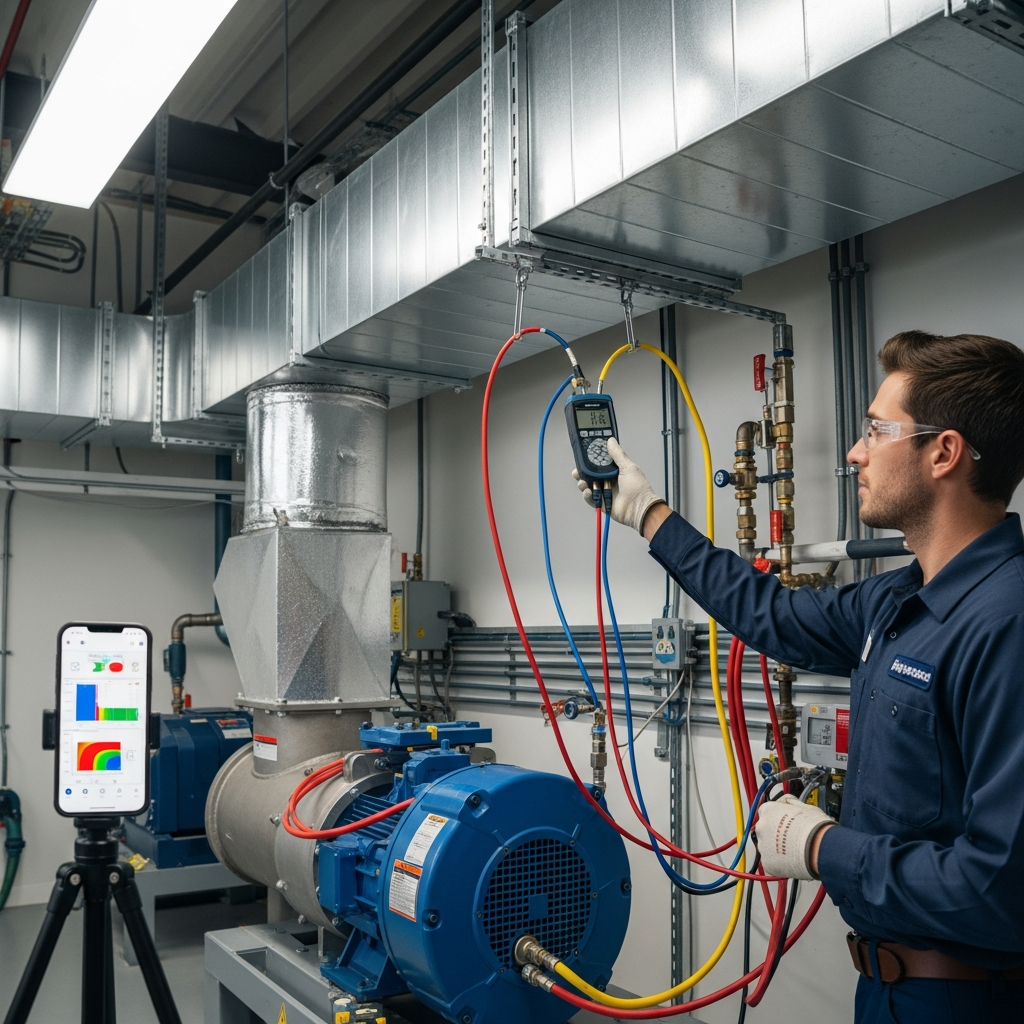
Commissioning used to be a back-of-the-envelope exercise. Today, techs arrive with manometers, flow hoods, and thermal imagers, and they leave you with data you can understand. That transparency is becoming a standard trend in Malibu replacements. The numbers reassure homeowners that promises were kept, and they provide a baseline for future checkups. Over time, that record makes it easier to spot minor drifts before they become major comfort problems.
Transparency also changes the conversation. Instead of debating feelings about airflow, everyone can look at the same readings and make informed decisions. It’s the kind of clarity that makes homeowners fans of their own systems, rather than skeptics.
Resilience and Grid-Aware Comfort
As more residents adopt solar, batteries, or demand-response strategies, duct systems are being tuned for resilience. The idea is simple: if your distribution is efficient and airtight, pre-cooling works better, comfort lasts longer, and your system sips power during peak stress. For those using backup power, efficient ducts stretch every stored watt into usable comfort. Replacement becomes part of a grid-aware lifestyle that respects comfort, cost, and community needs during heat events.
Resilience is also psychological. When you trust your system to behave predictably in tough conditions, you can plan your day and sleep better at night. That peace of mind comes from a network that was designed, installed, and verified to perform.
Frequently Asked Questions
Are these trends relevant if my equipment is older?
Yes. Even with older units, right-sized, well-sealed ducts reduce leakage and pressure, helping equipment operate closer to its potential. If you later upgrade the air handler or heat pump, your ductwork will already be prepared to showcase the new gear.
Is zoning worth it in Malibu’s mild seasons?
Zoning shines year-round because it aligns comfort with occupancy. In mild seasons, it prevents unnecessary conditioning of little-used rooms, and in hot spells it directs capacity where you actually need it, improving both comfort and efficiency.
How do I know replacement delivered the promised performance?
Ask for commissioning data: leakage numbers, static pressure readings, and airflow at key registers. These metrics verify that the ducts meet design targets and provide a benchmark for future maintenance.
Will higher insulation levels make my system too quiet or drafty?
Higher insulation won’t increase draftiness; it minimizes temperature change in transit. When paired with right-sized ducts, you get quieter, more even delivery because the blower can use lower speeds to do the same work.
What about wildfire smoke days along the coast?
Tighter returns and consistent airflow make filtration more effective on smoky days. While no system eliminates all particulates, a sealed, balanced duct network is the best foundation for cleaner indoor air during those events.
Start a Smarter Upgrade
If you’re considering a refresh, begin with a conversation about goals, data, and design. The best projects marry measurement with craftsmanship and leave you with a system that feels invisible because it simply works. When you’re ready to see what targeted duct replacement can do in Malibu’s microclimates, connect with a team that treats airflow like the precious resource it is.