
It is hard to overstate how much Malibu’s coastal climate shapes our homes, from the salt-touched breeze curling over the bluffs to the inland winds that sweep dust down the canyons. The air we love outside subtly influences what we breathe inside, especially through the labyrinth of ducts delivering heating and cooling all year. Over the past few seasons, I have watched a wave of innovation reshape how we approach duct cleaning for Malibu properties—techniques and tools designed for salt film, fine sand, and wildfire soot, all while respecting the materials and finishes that define our homes. These trends move past old habits and embrace precise, data-informed methods that create cleaner, quieter systems with results you can both feel and verify.
For homeowners deciding how to care for their indoor air, the evolution is welcome. Targeted strategies now separate simple dust control from comprehensive restoration, acknowledging that what settles in a Surfrider bungalow is not the same as what accumulates in a Point Dume estate. If you have not looked into professional air duct cleaning recently, it is worth understanding how newer approaches elevate both the process and outcomes, particularly in a microclimate as nuanced as ours.
Smarter Inspections with Visual Verification
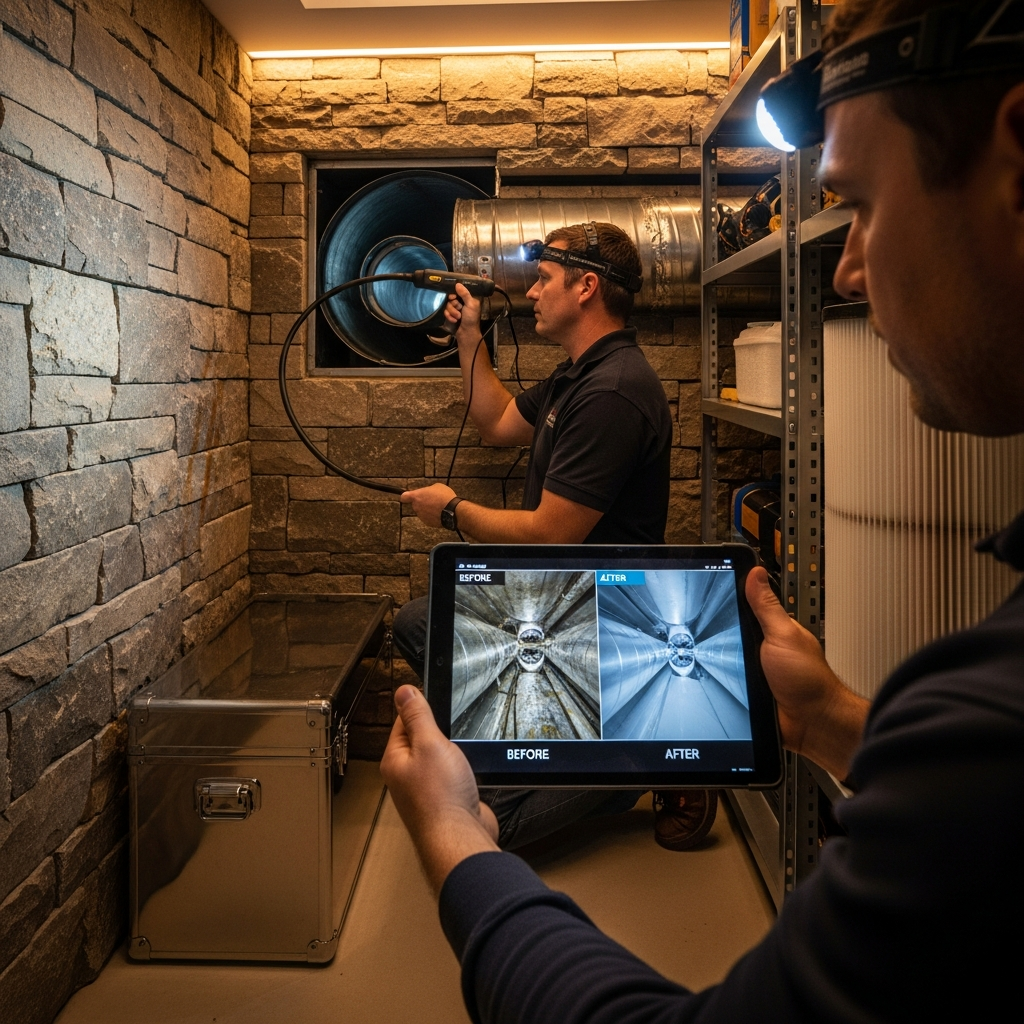
The most impactful trend is transparency. Modern inspections often include video or photo capture inside ducts, allowing homeowners to see exactly what is present and what is removed. For Malibu residents, where salt residue can look deceptively light yet cling powerfully, that visual proof matters. It also helps distinguish between normal dust and sticky soot from a past smoke day, ensuring the cleaning plan matches the challenge. When you can compare before-and-after images, you leave the appointment confident you have addressed the real issues rather than guessing.
In homes with varied duct materials—metal trunks paired with flexible branches, or older sections that have been partially replaced—visual inspections help tailor agitation methods. Gentle but effective tools can now be selected for each run, minimizing wear and avoiding the tendency to overbrush delicate sections. The result is a thorough service without the collateral effects that once worried cautious homeowners.
Containment and Filtration Upgrades
Containment has grown more sophisticated, which is critical in homes with open floor plans and premium finishes. Portable negative-air machines paired with high-efficiency filters capture loosened debris so it does not escape into living spaces. For Malibu’s salty air, where residues feel tackier and can aerosolize unevenly under agitation, these systems ensure a clean, controlled workflow. Many teams also track pressure differentials during service to confirm that debris is flowing toward filtration rather than drifting roomward, a small detail that yields big peace of mind.
Filter technology has likewise improved. Higher-capacity, high-efficiency filters with better seals keep captured particles from slipping around the edges—a subtle upgrade that matters when you are dealing with ultra-fine smoke particulates or a fine salt mist residue that tends to slide past lesser systems. These behind-the-scenes improvements add up to cleaner outcomes and far less cleanup afterward.
Targeted Soot and Odor Remediation
Wildfire seasons have spurred advances in soot-specific remediation within ducts. Fine smoke particles behave differently from household dust—they are smaller, stickier, and more likely to embed in textures. New agitation methods, paired with filtration designed to capture submicron particulates, dramatically improve removal. In some cases, odor-neutralizing treatments compatible with Malibu’s sensitivity to materials and indoor air quality are used sparingly to address stubborn smells at their source rather than blanketing them with heavy scents. It is a subtle art: the goal is to restore neutrality so your home smells like itself again.
Timing plays a role too. Post-event evaluations help determine whether a targeted intervention can resolve the issue or if a comprehensive cleaning is wise. This triage prevents overservicing while ensuring that lingering smoke does not become a long-term tenant in your ductwork. When done well, you will notice a calmer scent profile at startup and less of that telltale undertone on damp mornings.
Eco-Minded Products and Low-VOC Approaches
Malibu homeowners are rightly thoughtful about what goes into their living spaces. Newer cleaning agents and treatments emphasize low-VOC formulations and environmentally considerate ingredients while still addressing microbial concerns responsibly. On many jobs, a mechanical-first approach—thorough removal through agitation and containment—reduces the need for any chemical adjuncts at all. When a product is used, it is chosen for targeted effectiveness and compatibility with both human health and home materials.
This philosophy extends to protecting energy while servicing. Technicians are paying closer attention to how they stage equipment to reduce unnecessary runtime of HVAC systems during cleaning, as well as how to leave systems tuned and verified for optimal performance afterward. Small decisions, like verifying coil cleanliness and restoring design airflow, can have outsized impacts on day-to-day comfort and efficiency.
Data-Guided Maintenance Plans
One of the most encouraging trends is personalization. Instead of a one-size-fits-all schedule, maintenance plans are now built around home-specific data: proximity to the shoreline, openness to sea breezes, frequency of entertaining, presence of pets, and whether recent smoke days affected the property. Combined with photos or short inspection videos, this information forms a living record that guides timing for future cleanings. Malibu’s microclimates practically demand such nuance, and the result is service that happens when it is needed—not too soon, not too late.
For larger estates and multi-level homes, zone-by-zone strategies are gaining traction. Different wings may experience distinct air patterns; one side might gather salt faster if it faces the ocean, while another sees more canyon dust. A zoned cleaning plan allocates attention where it does the most good, often producing a noticeable improvement in balance and comfort across the home.
Precision Tools for Delicate Ductwork
Advances in tool design have been a quiet revolution. Flexible, low-abrasion brushes and air whips allow technicians to clean effectively without wearing down duct linings. This is especially important where older runs meet newer materials or where space constraints require finesse. In Malibu’s mix of architectural styles—from mid-century to modern—these tools adapt to odd geometries, ensuring thorough contact without aggressive force.
Attention to detail around coils and plenums has improved as well. Residues tend to hide here, adding resistance that steals comfort. Precision cleaning in these zones often yields the before-and-after difference homeowners feel most swiftly: steadier supply temperatures, gentler starts, and a return to that peaceful, effortless indoor climate that pairs so well with evenings on the patio.
Verification and Homeowner Education
Transparency does not end with images. Many teams now document airflow readings or temperature splits before and after service. While these are not substitutes for full commissioning, they help illustrate practical improvements you can feel day to day. For Malibu residents, this data becomes part of a home’s wellness record, a reference when seasons shift or when considering other upgrades like sealing, insulation, or filtration enhancements.
Education is another welcome trend. As technicians share what they see—signs of salt intrusion around coastal-facing vents, patterns of dust related to open-window habits—homeowners gain practical steps to maintain cleanliness longer. Simple habits, like mindful window use during heavy marine layer mornings or quick checks of return grills after windy days, can extend the benefits of cleaning.
FAQ
Q: What makes Malibu properties different when it comes to duct cleaning?
A: Coastal salt, fine sand, and variable canyon winds create residues that are stickier and more moisture-friendly than inland dust. These conditions call for tailored agitation, strong containment, and close attention to odor and moisture management.
Q: How do I know if modern methods are being used on my job?
A: Look for providers who offer visual inspections, explain their containment strategy, use gentle tools suited to different duct materials, and provide some form of before-and-after verification—photos, video, or airflow readings.
Q: Are low-VOC products effective enough?
A: Yes, especially when paired with a mechanical-first approach that physically removes debris. Low-VOC options are selected for targeted needs, such as odor neutralization after smoke events, and are applied judiciously to respect indoor air quality.
Q: How often should I schedule cleaning with these new approaches?
A: Timing depends on your home’s exposure and habits—proximity to surf, window use, pets, and any recent smoke days. A data-guided plan built from inspection results ensures you clean when needed rather than on a generic timetable.
Q: Will these trends help with noisy or uneven airflow?
A: Yes. By restoring clear pathways and addressing hidden resistance around coils and plenums, modern methods typically reduce startup noise and smooth airflow, which you feel as steadier comfort throughout the home.
Bring Innovation Home
If you are ready to pair Malibu’s outdoor magic with an indoor climate that feels effortless, it may be time to see what modern approaches can do inside your ducts. With visual verification, thoughtful containment, and data-guided plans, the results are both tangible and durable. Schedule professional air duct cleaning and experience how today’s best practices transform the way your home breathes.