
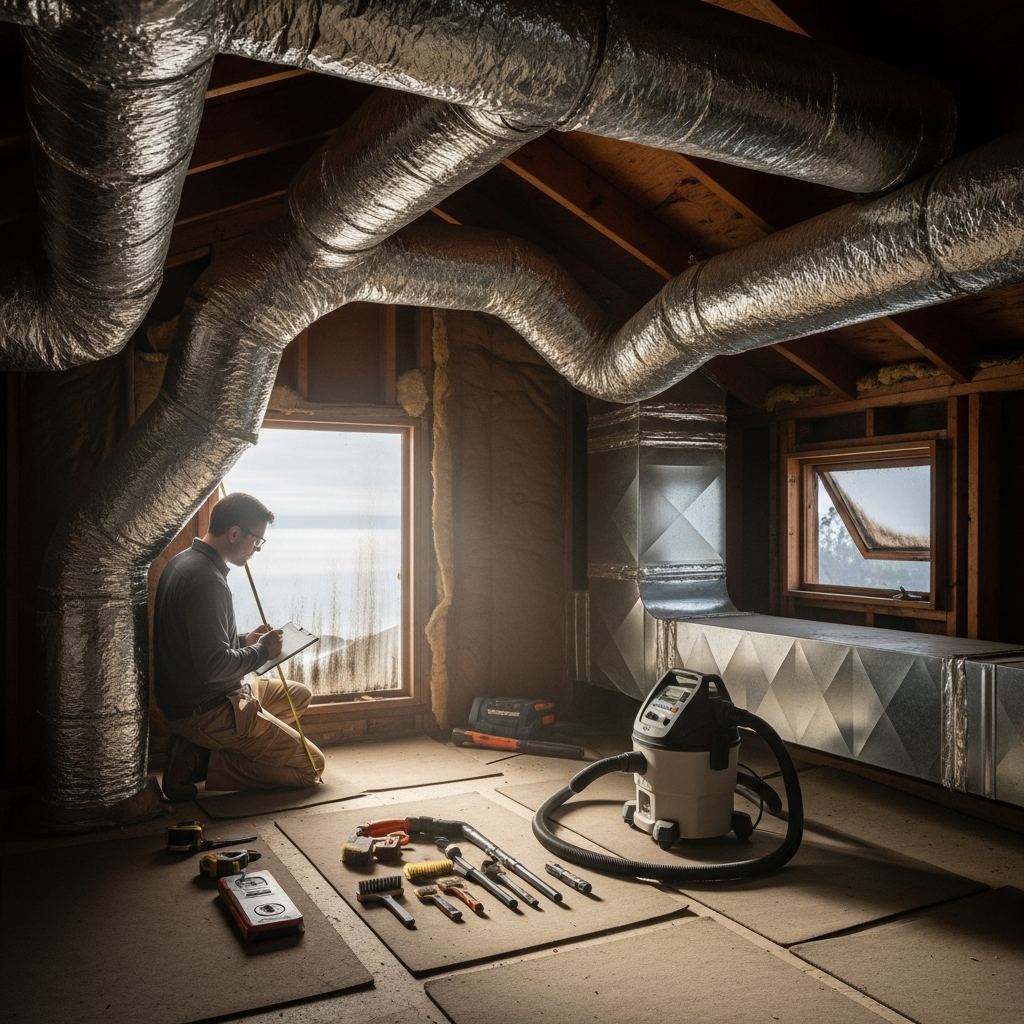
Understanding the Story Behind a Malibu Quote
Live in Malibu long enough and you begin to measure time by the rhythm of the marine layer rolling in and the warm push of Santa Ana winds sweeping out again. Those shifts are more than scenery; they shape the air that moves through your home and, over time, what gathers inside your vents. When neighbors ask what really drives a quote for air duct cleaning in our coastal community, I tell them it’s a blend of climate, construction, and day-to-day habits. The number on a proposal is the final line of a story written by salt air, hillside driveways, guest stays, and the way each room connects to your HVAC system. Let’s walk through the Malibu-specific factors that tend to influence a professional evaluation so you can read any proposal with confidence and clarity.
How Malibu’s Microclimates Shape the Work
The layout of Malibu is famously varied. One family may live beachside where moisture and salt hang in the air, while another settles in a canyon shaded by sycamores, and a third perches on a ridgeline where the wind can roar. Each microclimate affects the condition of your ductwork in distinct ways. The marine layer can contribute to condensation on cold metal surfaces inside supply trunks, while canyon dust and vegetative debris might settle more readily in returns. Up on the bluffs, dry air and strong winter gusts can accelerate the infiltration of fine particulates through small building envelope leaks. A qualified technician evaluates not just square footage, but how the home breathes within its specific microclimate, and how that influences the scope and methodology recommended for a thorough cleaning.
Home Size Is Only the Beginning
People often assume the footprint of a home is the primary driver of a quote, but locals know Malibu architecture defies easy math. A 2,000-square-foot ranch can be straightforward if registers are centralized and the mechanical room is accessible. Meanwhile, a similarly sized cliffside home with split levels, hard-to-reach soffits, and equipment tucked behind custom cabinetry can require far more time and care. The number and placement of returns, the count of supply registers, any zoning dampers, and the length and complexity of runs all matter. Long attic spans, tight crawlspace clearances, or multiple air handlers on different floors can extend setup time and the number of steps needed to establish proper negative pressure and contact agitation throughout the system.
Materials and Duct Geometry
Many Malibu homes mix materials: sheet metal trunks feeding flex duct branches, or older fiberboard sections connected to newer galvanized steel. Each material calls for its own approach. Sheet metal tolerates rotary brushing and contact vacuuming well; flex duct requires gentler agitation to protect the inner liner and wire helix; lined ductwork and acoustic sections need careful, standards-based handling to dislodge debris without damaging the surface. Elbows, takeoffs, and reducers add turbulence points where dust likes to settle, so more complex geometry can expand the steps involved. Certified teams plan their sequence register by register and branch by branch to maintain airflow, suction, and agitation that reach the furthest legs of your system.
Coastal Corrosion and Salt-Laden Air
Beachfront properties contend with salt crystals and sticky sea spray that cling to exterior intakes and drift indoors whenever doors and sliders open. Over months and years, salt can hasten oxidation in uncoated metal and attract moisture to fine particulates, making deposits heavier and more stubborn to remove. In spaces where equipment sits in an ocean-facing mechanical room or on a deck, pre-clean inspections often include a check for early rust at seams, fasteners, and coil housings. While cleaning is focused on removing contaminants, responsible pros also document any corrosion or compromised insulation they see and may recommend non-invasive supplementary steps, like sealing minor air leaks with mastic after cleaning to reduce future intrusion.
Wildfire Seasons and Ash
When regional wildfires occur, Malibu homes can experience a sudden load of ash and soot that seems to appear overnight. Even well-sealed homes take in some particulate during these events, and HVAC systems running at the time can draw it into returns. The nature of soot—ultrafine, sticky, and potentially acidic—means cleaning requires patient, methodical passes with HEPA-filtered containment and careful brush selection. Technicians may also recommend a coil cleaning and a change to a higher-MERV filter afterward, coordinated so that the system’s airflow remains within the manufacturer’s specifications. The intensity and timing of wildfire impacts are among the biggest variables that shape what a thorough project looks like in a given year.
What Lives in the Ducts: Load Level and Indicators
No two homes collect the same mixture. Some see pet dander and tracked-in sand from the beach; others capture construction dust from a remodel; still others have fine canyon dust that seems to drift in each afternoon. Visible dust streaks at vents, light “puffing” when the blower starts, or a musty odor when the air first comes on are common signs of a heavier load. Pros use visual inspection tools—mirrors, scopes, or cameras—to confirm what’s present and to tailor their agitation and vacuum approach to the specific debris. Heavier loads and stubborn deposits mean more contact time and passes to achieve verifiable results.
Access, Logistics, and Protection
Access is where Malibu proves unique. Oceanfront homes may have limited street parking, tight pathways, or HOA rules that require special staging. Hillside properties can involve long stair runs or equipment rooms tucked behind custom millwork. The work plan must account for moving negative-air equipment safely, running hoses without nicking high-end finishes, and setting down protection that can withstand salt-damp mornings and warm, dry afternoons. A conscientious crew will pad stair rails, bridge door thresholds, and seal off work areas so agitation doesn’t redistribute dust into living spaces. These logistics add setup and takedown steps that matter just as much as time spent at the vents themselves.
Method Matters: From Negative Pressure to Contact Agitation
Professional projects in Malibu typically combine a few core elements: establishing strong negative pressure at the trunk, physically agitating duct surfaces with soft to medium brushes or compressed-air whips, and capturing dislodged debris in HEPA-filtered containment. In older systems or lined duct segments, agitation is adjusted to avoid damaging insulation. For flex runs, gentle, controlled contact at the right airflow preserves integrity while lifting debris. The care spent choosing brush types, setting airflows, and sequencing runs is invisible to the eye but central to effective, standards-based work. Method selection is one of the quiet variables that explains why one home’s scope looks different from the next.
Sanitizers, Sealants, and When to Use Them
Residents often ask about fogging agents or sealants. In most well-maintained Malibu homes, physical removal of contaminants under proper containment is the gold standard, and any optional products are recommended only when appropriate and safe for the specific materials in your system. If post-wildfire soot or a moisture event is documented, some antimicrobial treatments can be proposed, but they should be applied in strict accordance with manufacturer instructions and industry standards. Likewise, sealants or encapsulants are sometimes considered for aging fiberboard after cleaning, yet those choices merit careful evaluation of long-term performance and manufacturer compatibility. A transparent, local pro will explain when these are useful—and when they are not.
Scheduling Realities on the Coast
Another Malibu truth: timing is a character in every project. Morning fog can soak pathways and drop cloths, while afternoon sun can heat attic spaces quickly. Traffic on PCH, school schedules, and even film shoots or surf competitions can affect arrival windows and access. When a team maps out a workday, they are considering not just how long each step takes but when each step makes the most sense to protect your home and equipment. Homes with multiple systems may benefit from a phased approach over two visits to allow for proper setup, work, and verification without rushing the details that drive long-term results.
Documentation, Standards, and Peace of Mind
In a market with custom architecture and coastal wear-and-tear, documentation is more than a courtesy. Before-and-after images taken at key points—returns, major supply trunks, and representative branches—help you understand what was achieved. References to recognized standards and local licensing give confidence that methods align with best practices. Teams that follow a consistent checklist, verify airflow, and explain post-clean maintenance such as filter changes demonstrate a level of discipline you can feel in the system’s performance after they leave.
Filter Strategy and Ongoing Care
After a thorough project, the conversation turns to what keeps your system cleaner for longer. In Malibu’s mix of sea air and canyon breezes, a well-fitted filter with an appropriate MERV rating for your blower is essential. Too restrictive, and you may reduce airflow; too lax, and you leave particulate to circulate. Pros often suggest a calendar-based change cadence backed by quick monthly visual checks at first, so you can adjust based on actual dust load. If doors and sliders stay open on summer evenings or pets enjoy indoor-outdoor freedom, more frequent checks may suit your lifestyle. Planning periodic air duct cleaning on a schedule aligned with your microclimate and habits keeps indoor air fresher and your HVAC components cleaner.
Reading a Proposal the Malibu Way
When you look at a proposal here, think beyond the final line. Does it mention the number of systems, returns, and registers? Does it specify the containment method and the type of agitation tools used for your duct materials? Are attic, crawlspace, and mechanical room protections described? If your home is ocean-facing, does the plan call out steps to safeguard finishes from salt-damp mornings? If you’ve experienced wildfire smoke, does it include procedures suitable for soot and any related recommendations for coil cleaning or filter upgrades? Clarity on these elements is the surest sign you’re looking at a thoughtful scope tailored to how your home truly lives.
Local Vignettes That Illustrate the Variables
Consider a single-story home on Point Dume with easy driveway access and a centralized air handler. Even with a generous number of registers, straightforward attic access and short branch runs can make for efficient progress. Contrast that with a split-level property in the hills above Latigo Canyon where the air handler sits behind custom millwork on the midlevel, a second mini system serves a studio over the garage, and flex runs snake through tight joist bays. Add a couple of ocean-facing sliders that stay open much of the day for breeze and views, and you can imagine the extra setup, protection, and patient agitation passes that ensure a true whole-home result.
Communication Is Part of the Plan
Local crews know that good communication can be the difference between a tidy, on-time experience and a frustrating one. Discussing gate codes, dog schedules, parking options, and HOA nuances upfront spares surprises. Sharing any allergy sensitivities or scent preferences helps the team choose neutral, low-odor materials. And clarifying what rooms you use most—a nursery, a home office, or an ocean-view den where the door lives open—helps tailor the work and post-clean suggestions so they match the way you actually breathe and move through your days.
After the Work: Smoother Air, Calmer System
When a project wraps, you should notice quieter starts, steadier airflow, and vents that no longer show streaks of dust. The largest difference for many Malibu homeowners is subtle: the absence of that faint, stale note in the first minutes after the blower kicks on. That sensation of a cleaner inhale is the point, and it’s achieved not by a single dramatic step but by a sequence of careful, cumulative ones—good containment, gentle but thorough agitation, methodical register-by-register attention, and practical aftercare advice you can follow without fuss.
Frequently Asked Questions
How often should Malibu homeowners plan professional duct care?
For many homes, a two- to three-year cadence works well, but coastal exposure, open-door living, pets, and wildfire seasons can shorten that interval. The best guide is your lifestyle and the actual condition of returns and registers during quick visual checks. A local professional can calibrate a timeline after an inspection.
What signs suggest it’s time for a new project?
Persistent dust streaks at vents, a faint musty odor when your system starts, visible build-up on return grilles, or a history of wildfire smoke intrusion are all meaningful indicators. Post-remodel work that created indoor dust is another common trigger for a fresh evaluation.
Will the work disrupt daily life?
Expect some background noise from negative-air equipment and vacuums, plus areas briefly sealed off for containment. Reputable teams set grounded expectations, stage thoughtfully to preserve pathways, and coordinate access to minimize impact on your schedule.
Is there anything I should do before the crew arrives?
Clearing floor space around returns and registers, securing pets, and sharing access details—gate codes, parking, elevator instructions—set the stage for a smooth day. If you have special finishes or newly refinished floors, mention them so extra protection can be planned.
Do Malibu’s coastal conditions require special products?
The core work is still physical removal under proper containment. Unique coastal factors—salt exposure and moisture—mainly influence inspection care, protection steps, and aftercare recommendations like sealing small leaks and selecting an appropriate filter strategy.
Are images or documentation provided?
Many local teams include before-and-after images from representative points. This documentation helps you see exactly what was achieved and creates a helpful baseline for future maintenance planning.
If you’re ready to breathe easier and want a plan tailored to your microclimate, architecture, and routines, connect with a trusted local team and schedule comprehensive air duct cleaning that respects Malibu’s unique rhythms and your home’s distinct character. A thoughtful conversation today sets the stage for smoother seasons ahead.