
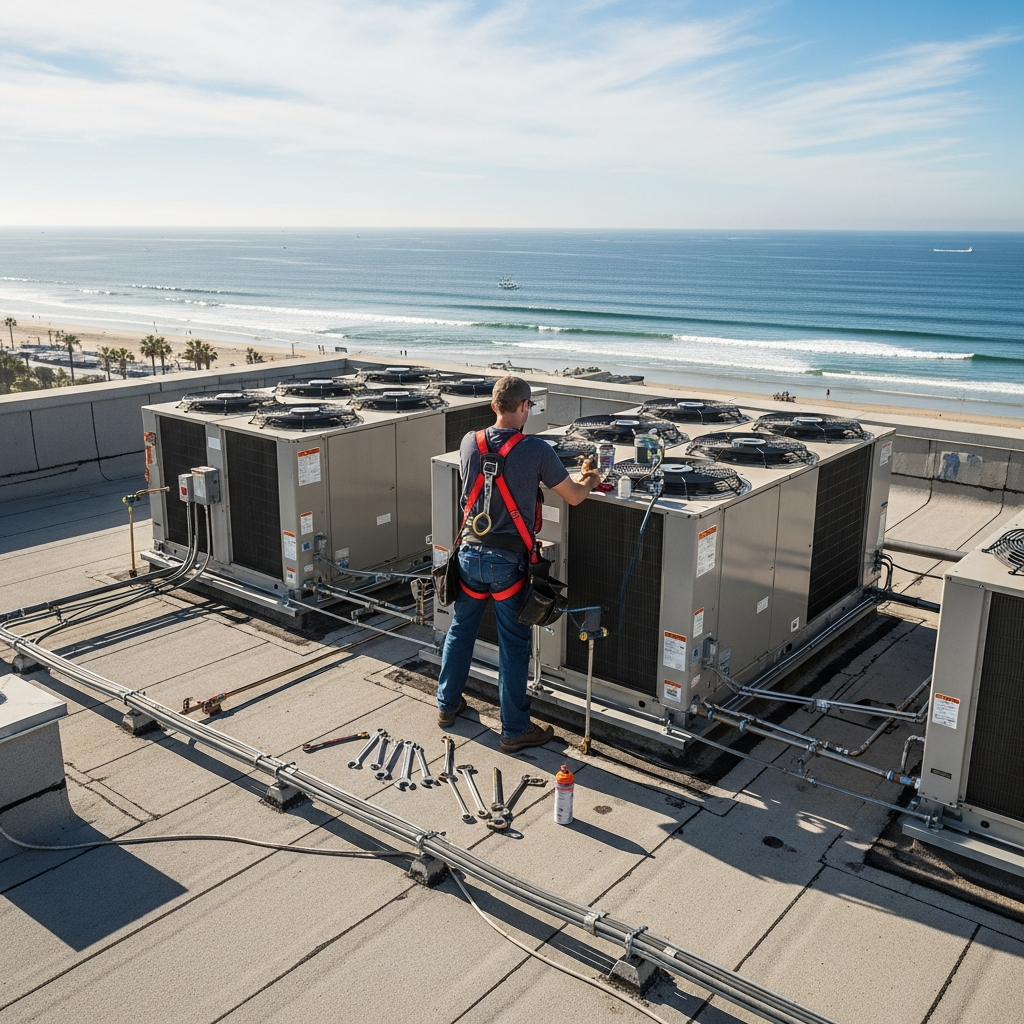
In Malibu, commercial spaces face the same inspiring horizons and the same coastal challenges as our homes—but the stakes differ. A boutique on the PCH needs consistent comfort to welcome shoppers drifting in from the sunshine. A restaurant balancing kitchen heat with ocean breezes must keep dining rooms serene through dinner service. Office suites rely on steady temperatures so teams stay focused, whether the marine layer lingers or the sun breaks through with intensity. Behind every smooth day is a cooling system that is not only well designed but also diligently maintained. The path to reliable operation begins with a disciplined plan for air conditioning maintenance tailored to commercial realities and Malibu’s coastal environment.
Commercial maintenance blends technical depth with an appreciation for business rhythms. Downtime has a cost measured in missed sales, disrupted shifts, or guests who do not linger. That is why the best plans are built backward from the calendar—shoulder-season windows for deeper work, off-hours checks for noisy spaces, and clear communication so managers know exactly what to expect. In a town where each business carries its own personality, maintenance adapts. Retail spaces with frequent door traffic need vigilant airflow assessments to compensate for infiltration. Restaurants benefit from targeted attention to ventilation balance so dining rooms feel calm while back-of-house heat is tamed. Offices with zoning require precise calibration so conference rooms, open areas, and corner suites each receive what they need.
Coastal Pressures on Commercial Equipment
Outdoor units on rooftops and behind buildings encounter salt, wind, and sun in a way few inland locations do. Salt film on coils degrades heat transfer; wind-driven debris lodges in fins; relentless sun breaks down insulation. Maintenance professionals plan accordingly. They schedule coil rinses with cleaners appropriate for coastal exposure, confirm that guards and hail screens are in place where needed, and inspect wiring and terminals for early signs of corrosion. They also verify that rooftop drainage isn’t channeling water toward equipment, a subtle issue that shortens component life if ignored.
Indoors, condensate management scales up in importance. Commercial air handlers often move large volumes of air through long hours. That means more moisture to manage during marine-layer mornings and busy dining services. Clear pans, clean traps, and proven float controls are not just checkboxes; they are frontline defenses against disruptions that spill beyond the mechanical room. Technicians with Malibu experience check these elements compulsively because they understand how quickly a quiet drip can become a customer-facing problem.
Airflow, Zoning, and Comfort in Public Spaces
In commercial settings, comfort is as much about perception as temperature. A slight draft at the register counter, a warm corner table, or a conference room that never quite cools will be noticed. Maintenance addresses these hotspots by measuring and balancing airflow with an eye on real use. Damper positions are verified and documented, diffusers are selected and adjusted to throw air where it is needed, and supply temperatures are kept within ranges that avoid clamminess or dryness. Zoning receives special attention; a zone that fails in a retail store can make half the floor feel off while the other half overcompensates.
Noise control matters, too. In restaurants and boutiques, mechanical sounds can intrude on the experience you work so hard to curate. Technicians secure panels, address duct turbulence with subtle adjustments, and validate fan speeds so systems hum along rather than announce themselves. In offices, this same work reduces distractions, keeping conversations private and the environment conducive to focused work.
Scheduling That Respects Operations
Trusted commercial maintenance lives or dies on planning. Managers appreciate knowing precisely what will happen and when. During initial walk-throughs, technicians map equipment locations, access routes, and any constraints tied to business hours. They coordinate ladder use and rooftop access, plan for safe movement through public areas, and, when needed, segment work across early mornings or late evenings to minimize interruptions. After each visit, they provide a report that highlights readings, actions taken, and items to monitor—giving owners a clear picture without wading through jargon.
As seasons shift, the plan adapts. Spring visits prepare systems for midday heat and increased foot traffic. Late-summer or early-fall work focuses on cleaning away salt buildup and confirming that zoning and controls are ready for cooler mornings. In the middle of a heatwave or a festival weekend, a quick tuning visit informed by a standing maintenance agreement can stabilize performance and prevent disruptions before customers notice anything amiss.
Energy Awareness Without Compromising Experience
Commercial operators keep a close eye on operating conditions, not just for the bottom line but for guest satisfaction. Well-maintained systems reach setpoints decisively and cycle predictably, which customers experience as calm, even spaces. Maintenance teams measure and interpret data—static pressure trends, compressor amperage, and discharge temperatures—to recommend small adjustments that yield meaningful improvements. These might include rebalancing zones to match seasonal sun paths, nudging thermostat ranges to reduce short cycling, or addressing a return bottleneck that undermines supply air.
It is not about chasing numbers for their own sake. Instead, the focus is on tying adjustments to how the space feels and functions. When a clothing boutique keeps fitting rooms serene on busy Saturdays, or a cafe maintains a gentle, consistent breeze without cold spots, patrons linger. The outcome is a steady environment where staff and customers are not thinking about the air—they are thinking about the experience you created.
Building a Culture of Preventive Care
Reliable operation is a team sport. While technicians carry the tools and training, on-site staff contribute by keeping condenser areas clear, reporting unusual sounds promptly, and noting patterns that emerge—like a zone that drifts warm in the late afternoon. The best maintenance partners educate as they go, leaving behind simple checklists for staff and encouraging quick calls when something seems off. That early signal often prevents an inconvenience from becoming an outage.
For multi-tenant properties, coordination is crucial. Maintenance plans that include regular communication with property managers and tenants reduce confusion and speed resolutions. Everyone benefits when expectations are aligned: tenants know when brief access will be needed, managers see a clean record of work, and service teams can prepare thoroughly before each visit.
Frequently Asked Questions
How often should commercial systems in Malibu be maintained?
Most benefit from two comprehensive visits per year—spring and fall—with targeted look-ins during peak periods or after weather events that carry salt and debris. Rooftop units near the ocean may call for more frequent coil inspections.
What makes coastal commercial maintenance different from inland service?
Salt exposure accelerates corrosion and reduces heat transfer, while wind and sun stress rooftop equipment. Maintenance accounts for these realities with specific cleaners, protective measures, and closer attention to drainage and wiring integrity.
How can maintenance reduce customer-facing disruptions?
By planning around business hours, documenting zones and access, and addressing small drifts before they become visible issues. Consistent airflow balancing and noise control also preserve the ambiance patrons expect.
Do smart controls help in commercial spaces?
Yes, when configured thoughtfully. Schedules aligned with opening hours and occupancy patterns, combined with zoning tuned to sun and load, produce steadier comfort and quieter operation. Maintenance verifies sensors and calibrations so controls lead rather than lag.
What should managers expect after each visit?
A clear report with readings, photos where helpful, and prioritized recommendations. The document should translate technical findings into operational terms so it is easy to act on what matters most for your space.
How involved should staff be between visits?
Lightly but attentively. Keep equipment areas clear, change accessible filters on schedule, and report unusual sounds or comfort changes early. A quick call at the first sign of drift often prevents a larger interruption.
From Plan to Performance
Commercial air conditioning maintenance in Malibu thrives on foresight and follow-through. When your service partner listens, measures, and adjusts with the guest experience in mind, comfort becomes a constant rather than a variable. That stability lets you focus on merchandise, menus, and meetings—not on mechanical rooms or rooftops.
If now feels like the time to tighten your plan, invite a local team that knows the coast to walk your site, gather the right data, and design a schedule that respects your business. Start with a conversation about air conditioning maintenance shaped for commercial needs, set expectations clearly, and step into each season confident that your space will feel exactly as you intend.