
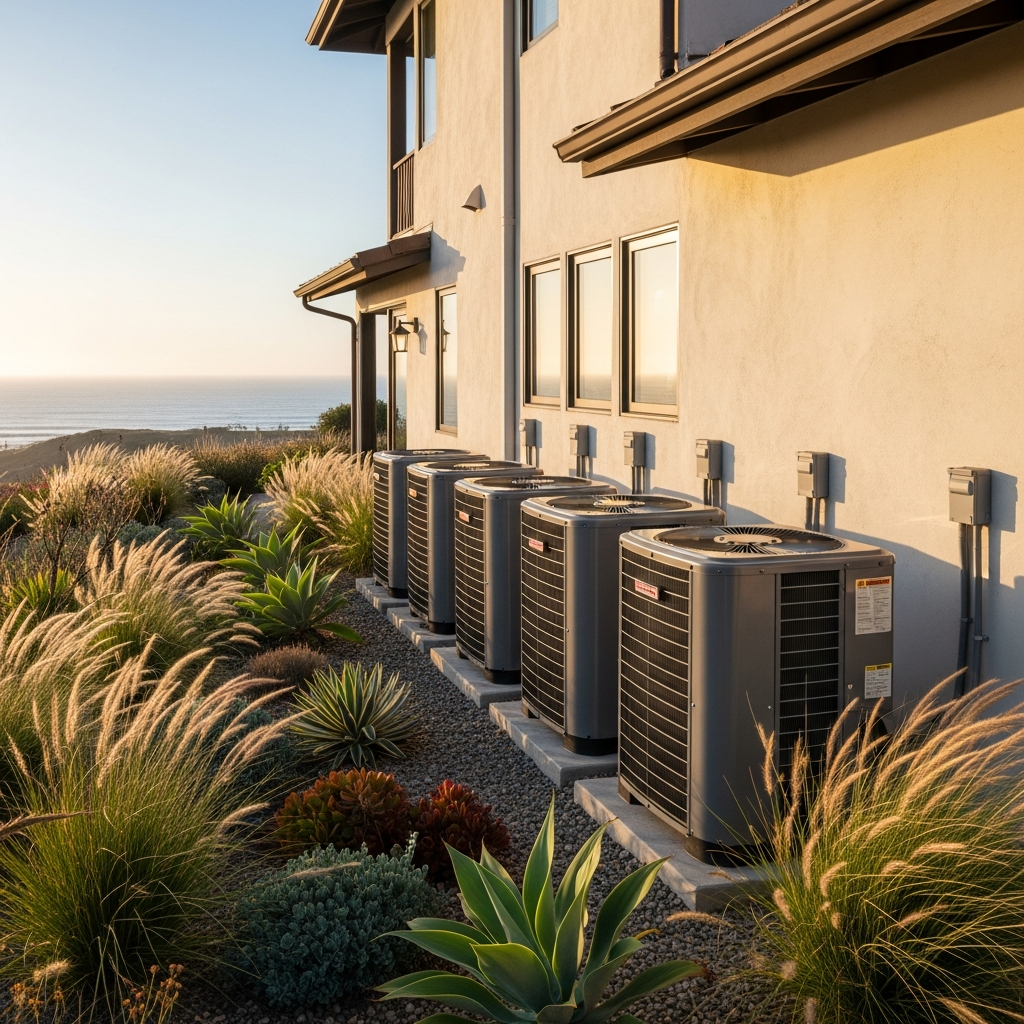
Choosing cooling that’s truly at home by the ocean
In Malibu, the best air conditioning unit isn’t simply the one with the highest efficiency sticker; it’s the one that understands the coast. Salt air, shifting sun, and quiet nights create an environment that rewards thoughtful design. Over years of working from Big Rock to Broad Beach, I’ve seen which systems take coastal life in stride and which ones fade before their time. If you’re shopping for new equipment, anchoring your search with a clear understanding of air conditioning principles will help you separate real benefits from glossy buzzwords.
Why coastal-rated features matter
Salt spray is relentless. Outdoor units that feature corrosion-resistant coatings on fins and cabinets, stainless or protected hardware, and well-sealed electrical compartments hold their looks and performance longer. It’s not just about appearance; corrosion can change heat transfer and raise operating pressures, nudging energy use up and reliability down. Units designed with the coast in mind also make service easier—fasteners that don’t seize, panels that stay true, and wiring that resists creep all save time during routine care and urgent repairs.
The case for inverter-driven systems
Malibu’s daily temperature swing—cool mornings, warm afternoons, and gentle evenings—plays perfectly to variable-speed, inverter-driven compressors. Instead of sprinting at full power and shutting off, these systems modulate. They run longer at lower speeds, matching your home’s changing load and keeping humidity in check. The result is a quieter home, fewer temperature swings, and energy use that tracks demand rather than overshooting it.
Pair that with variable-speed indoor fans and you gain a level of control that feels natural. The system nudges air just enough when the marine layer hangs around and ramps smoothly when late sunshine pours through ocean-facing glass. For homes with open floor plans and lots of windows, this smoothness matters more than any single number on a spec sheet.
Ducted, ductless, or a hybrid approach
Many Malibu homes combine large gathering areas with tucked-away bedrooms, guest suites, or studios over garages. Ducted central systems still shine for whole-home comfort, especially when ducts are tight and balanced. But ductless heads excel in spaces that are hard to serve well—sunny rooms above the garage, glassy home offices, or guest spaces that shouldn’t pull the main system off balance. A hybrid design gives you the best of both worlds: a quiet central system for everyday living and targeted ductless units where sun or use patterns demand a little extra attention.
Noise is part of the choice. Malibu evenings are famously peaceful, and outdoor units should respect that. Well-placed condensers paired with inverter technology can be whisper-quiet, especially if we think ahead about sound reflections from stucco, glass, and fences. It’s an area where craftsmanship matters as much as the model number.
Sizing with Malibu’s microclimates in mind
Right-sizing is everything. A system that’s too big short-cycles, leaving rooms sticky and equipment stressed. Too small, and it runs at its limits on bright afternoons. We size by measurement, not guesswork: window orientation and shading, insulation quality, occupancy, and air leakage all feed a load calculation that reveals what the house truly needs. Then we choose equipment that can modulate to follow the load throughout the day.
Placement matters too. Outdoor units need space to breathe and distance from salt-heavy pockets when possible. Indoor units and sensors should avoid direct sun and drafts so the system reads the home, not a hot or cold corner. These decisions, made before a unit is ever purchased, determine how well it will perform for the next decade.
In the middle of research and walkthroughs, homeowners often ask how to interpret efficiency ratings and comfort features in the context of real life. A quick review of trustworthy information on air conditioning can clear the air, helping you weigh variable-speed benefits, coastal protections, and filtration options without getting lost in jargon.
Filtration, indoor air, and the coastal breeze
Good filtration partners with the right fan to capture fine particulates carried by canyon winds without throttling airflow. Some systems offer advanced media cabinets that clean more while letting air move freely. For homes that entertain often with doors opening and closing, we can discuss how return placement, gentle fan settings, and smart controls keep air fresh without cold blasts.
Installation quality: the quiet difference
The “best unit” on paper can disappoint if installed poorly. Brazed joints need to be clean, dry, and purged with nitrogen. Linesets should be sized and supported properly, drains sloped and trapped, and charges confirmed under live conditions. We protect rooftop penetrations, secure outdoor units against vibration, and route wiring so salt and sun can’t sneak where they don’t belong. After startup, we verify numbers and, more importantly, how the system feels in your rooms with your shades, rugs, and routines.
Living with your new system
Once installed, a little care goes a long way. Gentle rinsing of coastal condensers, sensible filter checks, and smart thermostat schedules keep comfort effortless. If you have guest spaces or studios, targeted controls ensure they’re pleasant without dragging the rest of the house along. Malibu living is about flow, and the right system should support that without ever calling attention to itself.
Frequently asked questions
Which systems last longest near the ocean?
Those with thoughtful coastal protections—corrosion-resistant coils and cabinets, robust fasteners, and sealed electrical compartments—paired with regular rinsing and professional service. Installation quality and placement are equally important.
Are heat pumps a good fit for Malibu?
Yes. Modern heat pumps deliver efficient cooling and shoulder-season heating, modulating output to match our daily swings. With the right protections and placement, they operate quietly and reliably by the sea.
Do I need ductless if I already have central air?
Not always, but ductless heads can be perfect for hot rooms over the garage, glass-heavy offices, or guest suites that need independent control. A hybrid setup often delivers superior comfort without oversizing the main system.
How important is installation quality?
Critical. Even the best equipment falters with poor brazing, improper charge, sloppy drains, or unbalanced airflow. A careful install turns specifications into day-to-day comfort you can feel.
What should I do to protect a new system from salt air?
Place the outdoor unit thoughtfully, rinse coils gently in season, keep landscaping trimmed, and schedule regular service. Discuss approved protective coatings for hardware and terminals to slow corrosion over time.
If you’re ready to choose a system that feels tailored to your Malibu life—from morning marine layer to golden-hour glow—let’s walk the property together and design a solution that stays quiet, efficient, and beautiful for years. Start your planning with a clear overview of air conditioning, then contact us to turn that knowledge into a coastal-ready installation you’ll hardly notice—except for how comfortable your home feels.