
Keeping cool in a coastal climate that never sits still
Living in Malibu means waking to a soft marine layer, watching the sun blaze in the afternoon, and often feeling a cool drift by evening. It’s a beautiful rhythm, but it keeps your cooling system on its toes. Proper maintenance here looks different than it does inland. Salt air tests metals and electronics; canyon winds carry fine dust; and the way we open windows in the morning and close up later can challenge airflow patterns. After years of crawling through attics above Las Flores, hopping fences near Point Dume condensers, and balancing equipment care with ocean-friendly practices, I’ve gathered a set of habits that keep Malibu systems healthy through it all. If you’re just getting started, a quick primer on air conditioning can anchor your approach and save you time in the long run.
Start with airflow and filtration
Airflow is the heartbeat of your system. When returns are blocked by beach gear, artwork, or a favorite reading chair, the fan strains, coils chill unevenly, and comfort falls off a cliff. Walk your home and make sure returns can breathe. Filters are next. In our coastal environment, they load up faster than you expect—especially after windy days or smoky periods. Rather than setting a rigid calendar reminder, make a habit of inspecting filters monthly during active seasons and learning their look and feel when they’re truly due. Choose media that matches your fan’s capability; overly tight filters do more harm than good by starving airflow and increasing noise.
Guard against salt and moisture
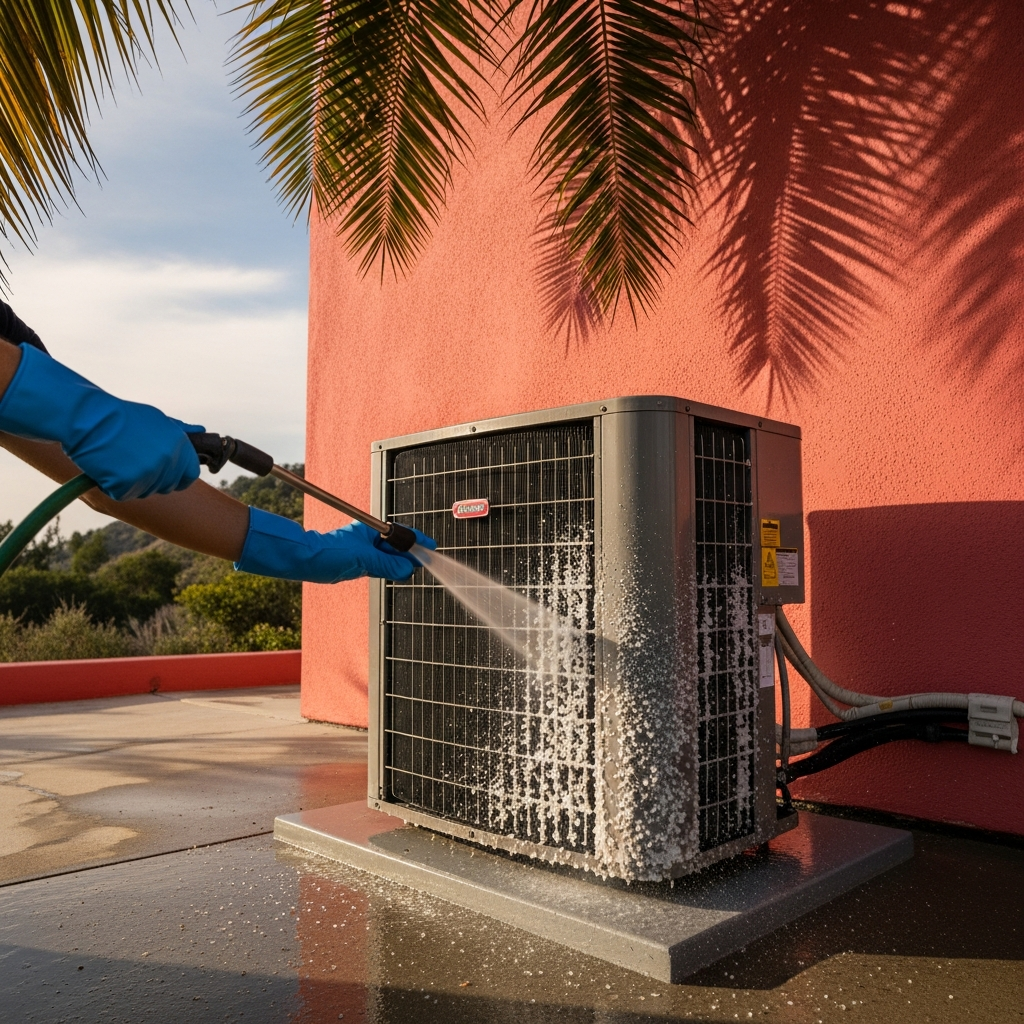
Your outdoor unit works in a fine mist of ocean life. A gentle rinse with fresh water every few weeks during summer keeps salt crystals from building up on fins and metal surfaces. Use a low-pressure spray angled from the top down and outside in to avoid bending fins. Check for plant overgrowth that crowds the coil; rosemary and coastal sage are lovely but need a little distance. If you’re close enough to hear the waves, talk with your technician about approved protective coatings for fasteners and terminals—small details that slow corrosion meaningfully.
Moisture also collects indoors. Condensate drains can grow algae and clog, tripping a safety switch and shutting your system down at the worst moment. During service visits, we clear traps and lines and add treatments that keep them flowing. Between visits, peek at the drain outlet sometimes; a steady drip during cooling season is usually a good sign, while silence on a humid day could mean a blockage forming.
Mind the Malibu attic
Attics above the coast can be warm and tight. Ducts routed through them deserve special care. Look for kinks, compressed insulation, or runs that have sagged. Even a small restriction can starve a room and push the system to work harder. Sealing joints and insulating properly stops precious cooled air from leaking into the attic, and it often hushes the system, too. If access is tough, note what you can from the hatch and share photos with your technician; together, you can plan improvements that make a difference without a major renovation.
Balance open-window living with system smarts
One of Malibu’s joys is letting morning air sweep through the house. The trick is knowing when to close up and let your system take over. Once the sun gains strength, shut windows, draw shades on ocean-facing glass, and let your system cool the home steadily rather than playing catch-up later. Gentle setpoint changes are kinder to equipment than big swings, and they tend to feel better, too. Smart thermostats help here, especially when paired with remote sensors that read rooms away from direct sun.
Listen, sniff, and look for early clues
Your senses are powerful maintenance tools. A new rattle near the outdoor unit after a windy night could be a loose panel. A faint musty odor after a long idle spell might resolve with runtime, but a sharp electrical smell is a sign to shut down and call. Water where it shouldn’t be is always a reason to pause operation until the reason is found. Jot down what you notice and when; these notes save time and protect your system from small issues that spiral.
Seasonal rituals that pay off
As spring warms, ask for a thorough inspection: coil cleaning, electrical checks, refrigerant performance under load, and drain maintenance. Confirm static pressure and airflow are where they should be; numbers tell the truth about how your system is breathing. Before fall’s dry winds, check filters more frequently and clear debris from around the outdoor unit. After major wind events, a quick visual of exposed equipment can catch minor damage early.
Mid-season, revisit how you’re using the system. If afternoons still feel uneven, a small airflow balance or a sensor relocation could smooth things out. Sometimes the best maintenance is a conversation that rethinks how the system meets your day, especially in a home with big windows and ever-changing light.
Frequently asked questions
How often should I rinse the outdoor unit?
During active cooling months near the ocean, a gentle rinse every few weeks helps. If you’re inland of PCH with less salt exposure, monthly is often fine. Aim for consistent, low-pressure cleaning rather than infrequent heavy blasts.
What’s the best filter for Malibu homes?
One that balances capture efficiency with airflow. We match media to your fan’s capability so the system breathes easily while still trapping fine particulates common after windy days. Overly restrictive filters can create noise and stress the blower.
Can I leave windows open while the AC runs?
Briefly, yes, but you’ll save energy and see better comfort by closing up once the sun rises and temperatures climb. Let the system glide steadily rather than chasing big swings caused by open doors and windows.
Why does my system smell musty after a break?
Condensation and dormant dust can create mild odors that often clear with a short runtime. Persistent smells deserve a check of drains, coils, and ductwork to ensure moisture isn’t pooling where it shouldn’t.
Do I need professional maintenance every year?
Yes. Annual service tailored to Malibu’s conditions—coils, drains, electrical checks, and airflow validation—catches small problems early and preserves efficiency. Homes closer to the surf benefit from a bit more attention to outdoor components.
If you’re ready to make maintenance a calm, confident part of Malibu living, we’re here to help with guidance that respects your home and the coast. Start with clear, practical insights on air conditioning, then reach out so we can translate those ideas into a thoughtful plan that keeps your home cool from foggy mornings to glowing sunsets.