
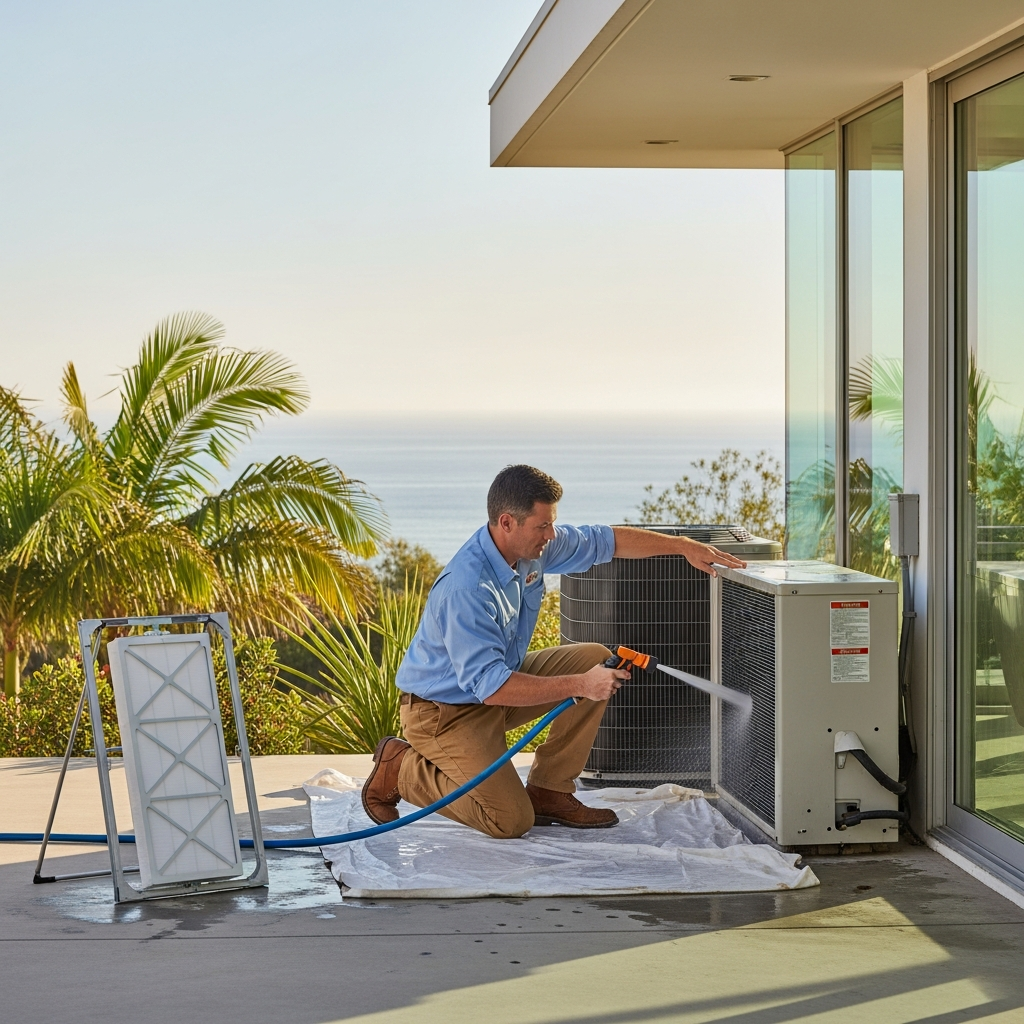
Lowering energy bills in Malibu isn’t just about setting the thermostat a few degrees higher; it starts with how well your system breathes in a coastal climate. Salt in the marine layer, ash from distant wildfires, and the dust that rides canyons on hot afternoons all end up in your equipment. Over time, those fine layers change the way air moves, the way heat transfers, and the way your system decides when to run. The payoff for proper maintenance is real: steadier comfort with shorter, quieter cycles and fewer surprises when the power bill arrives. If you’re curious about the basics behind those improvements, a working understanding of air conditioning helps you see how small tune-ups create big savings in Malibu homes.
We approach maintenance as a living plan tailored to your property. A home at the water’s edge will need different attention than a home tucked into a canyon. In the spring, when mornings are damp and afternoons glow, we focus on coil cleanliness, refrigerant stability, and airflow. By late summer, when Santa Ana winds threaten to blow dust and warmth into every crack, we pivot to filtration and drains. It isn’t a cookie-cutter checklist; it’s a rhythm that follows the ocean and the hills.
Why Clean Coils Matter to Your Bills
The outdoor coil is where heat leaves your home. When salt crystals pack between the fins, heat exchange slows. The compressor and fan work harder, running longer to extract the same amount of heat. Indoors, a film on the evaporator coil forces the system to drop its temperature further to achieve the same cooling, which encourages icing, lengthens cycles, and invites condensate issues. Gentle, thorough cleaning restores the coil’s “lungs,” resets pressures, and often shaves minutes off each cycle. Over a season, those minutes add up to significant energy savings and less wear on key components.
Cleaning on the coast is not a blast-and-go job. We use fresh water rinses, careful cleaners, and patient technique so fins aren’t bent and corrosive residues aren’t left behind. We protect electricals and confirm that drains route cleanly, because all that water needs a safe path out. Afterward, we measure with the same care we cleaned: temperature split, static pressure, and motor amperage tell us if your system is breathing better. Those numbers are the accountability that turns a nice-looking coil into real savings.
Airflow, Filters, and the Sweet Spot
Filters walk a tightrope between capturing contaminants and letting air move freely. Go too coarse and dust sneaks through to settle on the coil; go too tight and the blower strains, static pressure rises, and efficiency falls. In Malibu, the right choice can even change with the season. During smoky periods, stepping up filtration for a week protects your lungs and your equipment, but once the air clears, dropping back to an easier-breathing filter restores efficiency. We help you find that sweet spot and set reminders that reflect your home’s lifestyle—pets, open doors, and beach days included.
Maintenance also looks beyond the filter rack. Returns that are undersized or blocked by furniture, rugs, or artwork can choke airflow just as effectively as a clogged filter. We trace those paths and make easy recommendations: a grille that breathes, a return opened, or a subtle adjustment to duct transitions. These tweaks show up as calmer rooms and a quieter system that uses less energy to do the same work.
Refrigerant Health and System Balance
Refrigerant levels that drift even a little off target can push your bills up. Low charge drives coil temperatures down, which invites icing and reduces cooling capacity. Overcharge increases pressure and heat, stressing the compressor. We check charge the right way—under stable conditions, after airflow is confirmed—so your system’s heart is in the zone where it runs smoothly. Once that’s set, we compare amperage and temperature split to past baselines. If the numbers deviate, we dig in before your comfort or your bill does.
Variable-capacity systems deserve special attention. Their genius is in modulating to match your home’s needs, but they also mask underlying issues by working harder quietly. We read data, verify sensors, and ensure that gentle ramping isn’t covering for a dirty coil or a restricted return. Done right, maintenance preserves the soft, even feel you bought the system for while keeping energy use lean.
Drains, Condensate, and Coastal Humidity
Marine-layer mornings add moisture to the air, and your system pulls that moisture out as it cools. That water needs a clean, secure path away from your home. Slime in the drain pan, algae in the trap, or a sagging line invites clogs and overflows. We flush and treat drains, check slopes, and confirm that safety switches are in place and functional. Clear drains prevent messes and protect the delicate balance of temperatures at the coil, trimming wasted run time caused by nuisance shutdowns.
In spaces with limited access—tucked mechanical closets, cramped attics, or platforms—we plan maintenance to be gentle on the home. That means laying drop cloths, keeping tools organized, and moving methodically so the only sign we were there is quieter operation and a cleaner filter register.
Duct Integrity in Beach and Canyon Homes
Ducts age in ways that don’t show up until you look closely. UV light in hot attics can stiffen plastic layers, critters can crush runs, and old tape can peel back from boots. Even small leaks pull dusty, hot attic air into the system, forcing longer cycles. During maintenance, we scan for these points and seal or support as needed. In stilted beach homes, we check underfloor runs for salt exposure and corrosion on hangers. In canyon homes, we look for wind-driven dust at soffit vents that can settle in returns. Each fix eases the system’s workload and lowers energy use.
Some Malibu remodels added square footage without rebalancing ducts. If you’ve opened up rooms or moved walls, maintenance is a smart time to discuss airflow changes that fit the new layout. Small corrections—an adjusted boot, a smoothed transition, a rebalanced damper—can bring rooms back into harmony without major construction.
Thermostats, Schedules, and Real-Life Comfort
How you use your home shapes the way your system should think. If mornings begin with coffee on the deck and doors cracked for the sea breeze, your thermostat should anticipate that gradual temperature rise and adjust without hurrying. If afternoons send kids and pets running in and out, longer, gentler cycles keep humidity under control and rooms calm. We program schedules and coach you on settings that save energy without asking you to babysit the thermostat. In many cases, the smartest savings come from the system doing what it does best while you enjoy your day.
When people see a drop in bills after maintenance, it’s because each small friction—dirty coil, tight return, misread sensor—was eased. The system no longer overshoots or labors; it just works. And the comfort feels different, too: fewer hot-cold swings, quieter evenings, and less of that “stuffy” feeling when the marine layer sits.
Planning the Year: A Malibu Maintenance Rhythm
We like a spring visit to prepare for early heat and long afternoons of sun on glass, then a late-summer or early-fall check after Santa Anas and smoke events. Homes close to breaking surf or up on bluffs benefit from an extra fresh-water rinse midseason. If you travel, we’ll set away modes that hold the home safely without overcooling, and we’ll help you restart gracefully when you return. It’s a partnership that respects your schedule and the coast’s mood swings.
For homeowners who enjoy the nuts and bolts, understanding air conditioning turns maintenance into a satisfying habit. Seeing a clean coil, feeling balanced airflow, and hearing a quiet startup puts you back in control of comfort and operating costs. The more the system feels invisible, the better the maintenance plan is working.
Frequently Asked Questions
How often should Malibu homeowners schedule professional maintenance?
Twice a year is a solid baseline for coastal homes—once in spring to prepare for heat and once toward the end of summer to clean up after dust and smoke. If your outdoor unit sits close to salt spray, adding light rinses every few weeks can make a noticeable difference. We tailor the cadence to your location and lifestyle so the system stays efficient without over-servicing.
Will higher MERV filters always lower my bills?
Not necessarily. Higher MERV ratings capture finer particles but can also restrict airflow, making the blower work harder. The trick is matching filter efficiency to your home and the season. During smoky periods, a higher MERV makes sense temporarily. Once air quality improves, stepping back to a freer-breathing filter restores efficiency and keeps energy use in check.
What maintenance tasks can I do myself?
Keep the area around the outdoor unit clear and gently rinse the coil with fresh water periodically. Inside, locate and replace filters on the schedule we set together, and keep return grilles unobstructed. If you notice unusual noises, longer cycles, or humidity swings, call us before small issues grow. We’re happy to advise over the phone when a quick homeowner step might help.
How do Santa Ana winds affect my system?
Santa Anas push hot, dry, and dusty air across Malibu. That dust can plaster onto outdoor coils and clog filters quickly. After a wind event, systems may run longer and feel less effective. A timely rinse and filter check restore airflow and heat exchange, returning the system to efficient operation before bills climb.
Can maintenance fix uneven temperatures between rooms?
Often, yes. Many imbalances come from airflow issues—dirty filters, restricted returns, or minor duct problems. During maintenance we measure and adjust, and we’ll recommend small improvements that restore even comfort. When layout changes or significant design constraints are involved, we’ll outline options for longer-term corrections.
Will a maintenance plan extend equipment life?
Absolutely. Clean coils, proper charge, stable airflow, and clear drains reduce stress on compressors and motors. Components last longer when they don’t fight friction and heat every cycle. Over time, that means fewer breakdowns and a system that ages gracefully rather than abruptly.
Ready to Spend Less and Feel Better at Home?
If you’re ready for a cooler, quieter summer with fewer surprises on your statement, let’s build a maintenance rhythm that suits your Malibu home. We’ll clean with care, tune with data, and keep you informed so savings show up where it counts—your comfort and your bills. Reach out today to schedule service and learn how attentive, coastal-smart air conditioning care pays off month after month.