
Malibu’s beauty comes with a climate that asks more from your cooling equipment than most places do. The same ocean air that softens summer heat carries fine salt particles that settle on outdoor units and quietly challenge coils, fan blades, and electrical components. Canyons bring afternoon heat and gusty winds, while the marine layer can wrap homes in a blanket of humidity each morning. To keep comfort steady, maintenance here is not an afterthought—it is a rhythm that follows the seasons. As a local technician, I have seen systems thrive for years because their owners treated care as part of home life, not a chore. When maintenance is woven into your calendar, you protect your investment, protect your air, and protect the calm that makes this place special. For many households, the path begins with a refresher on what great air conditioning maintenance looks like in a coastal setting.
Why coastal homes need a different maintenance lens
Salt accelerates corrosion. Even in light concentrations, it binds to moisture in the marine layer and deposits on metal surfaces. Outdoor coils lose efficiency as fins get coated, electrical contacts pit faster, and cabinets can show wear earlier in life. Indoors, humidity patterns and occasional wildfire smoke influence filters and air quality. Maintenance for Malibu homes addresses all of these forces. The goal is not just to prevent breakdowns; it is to preserve performance, efficiency, and quiet operation in a landscape that constantly nudges systems out of tune.
The seasonal cadence that works in Malibu
Think in terms of recurring touchpoints. In spring, prepare for saltier air and longer run times with coil cleaning and a full inspection of electrical components. Summer check-ins focus on verifying airflow and monitoring refrigerant performance under load. Fall brings dry, windy conditions; technicians confirm that outdoor units are secure against gusts and that filters are ready to capture particulate from inland events. Winter is a time to review control strategies, seal minor duct leaks discovered during the year, and plan any proactive upgrades. When you treat maintenance as a conversation with the seasons, your home feels predictably comfortable without drama.
Filters: the first line of defense
Air filters do more than protect lungs; they protect equipment. A clogged filter stresses the blower, distorts pressure inside ducts, and pushes dust and salt deeper into the system. In Malibu, filter changes often run on a tighter schedule than inland homes—especially after smoky periods or heavy fog. The key is to balance filtration efficiency with airflow. Overspecifying a filter can choke a system and create noise or reduce cooling. A technician who measures static pressure and understands your household’s sensitivities can recommend a filter strategy that protects both you and your equipment.
Coil care that respects the coastline
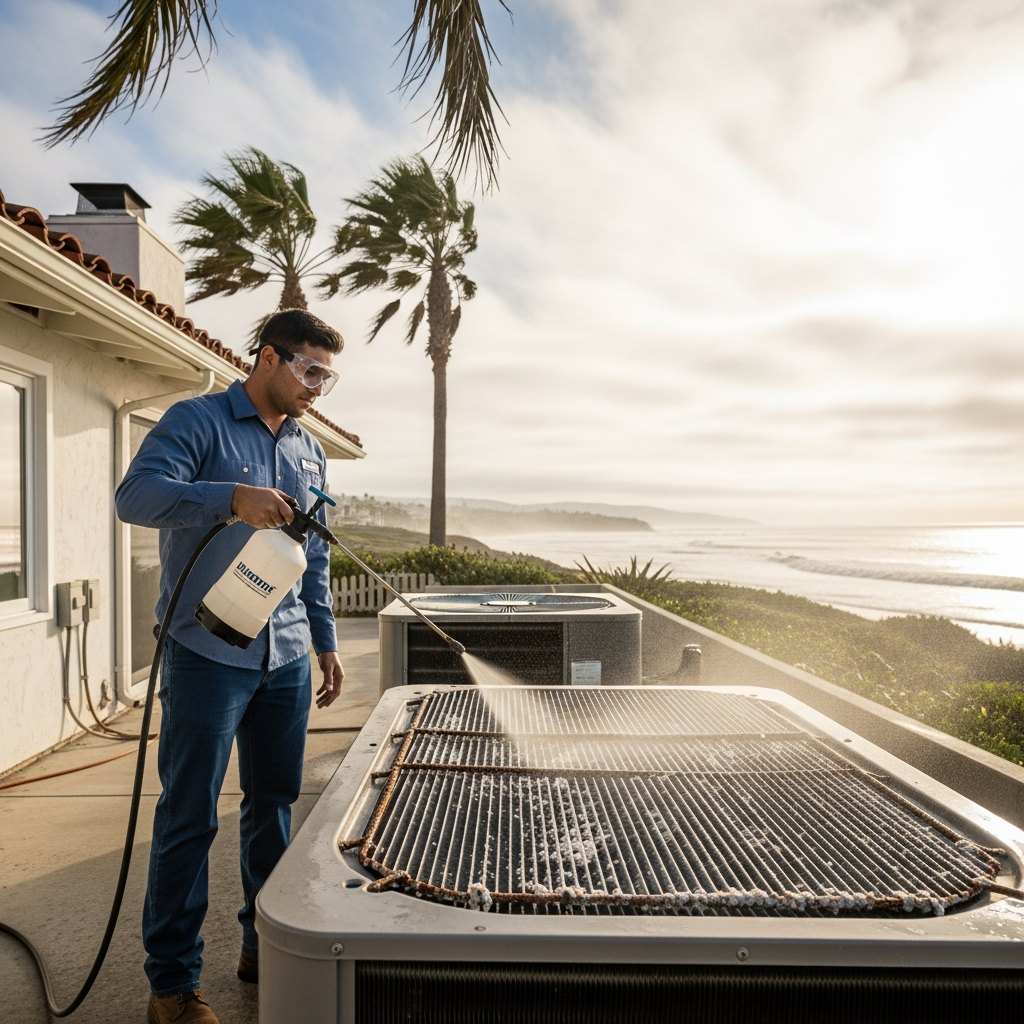
Outdoor coil cleaning is a craft in coastal environments. It starts with a visual inspection for salt residue, bent fins, and cabinet corrosion, followed by a rinse and the right cleaner that will not harm fins or introduce residues. The direction of water flow matters, as does shielding electrical components. Periodic protective treatments can slow the pace of corrosion without interfering with heat transfer. Indoors, evaporator coils benefit from cleaning as well, particularly if filters have been overrun during a busy season. Clean coils restore efficiency, reduce strain, and help your system run at lower speeds—quieter and more comfortably.
Airflow, duct health, and the quiet factor
Steady comfort relies on healthy airflow. In coastal homes, that means ensuring ducts are sealed, insulated, and free of pinch points introduced by remodels. Even small leaks can draw in humid or dusty air, confusing your system’s balance and reducing effectiveness. During maintenance, we measure static pressure and check for supply and return imbalances that create drafts or hot spots. Correcting these issues increases comfort and often reduces the noise you hear from registers, letting the natural sounds of your home take center stage.
Controls and zoning tuned to your days
Smart thermostats and zoned systems bring a new dimension to maintenance: data. Runtime reports, cycle length, and temperature trends reveal issues before you feel them. Short cycling, excessive nighttime operation, or unexpected humidity spikes can signal that coils need attention, that ducts require correction, or that sensors need calibration. In multi-level Malibu homes, we often see upstairs zones and downstairs zones behaving differently as the sun moves and sea breezes shift. Fine-tuning schedules and setpoints with real data transforms maintenance from a checklist into a custom plan for your space.
Humidity management across the marine layer
The marine layer can make mornings feel heavier and late afternoons surprisingly crisp. Systems that are maintained for steady dehumidification feel better across that curve. Proper blower speeds, clean coils, and correctly set controls help your system remove moisture predictably without overcooling. In some homes, targeted dehumidification for particular zones or schedules is worth exploring, especially in rooms with large glass areas or on shaded lower levels. During maintenance, ask your technician to review humidity data alongside temperature performance for a fuller picture of comfort.
Protecting finishes and views during service
Maintenance should be as discreet as it is thorough. Malibu homes often feature materials and finishes that invite care: coastal woods, polished concrete, intricate tile, and expansive glass. A respectful technician uses protective covers, plans move paths to avoid tight corners, and works with you to schedule service when it will be least disruptive. Outdoor work should preserve landscaping, avoid overspray onto neighboring structures, and leave equipment placements as clean visually as they are mechanically.
Documented performance: your comfort portfolio
One of the most valuable maintenance outcomes is a set of baseline numbers: temperature split, static pressure, blower speed verification, and refrigerant performance metrics. Recording these at steady-state conditions builds a comfort portfolio that your technician can compare against in future visits. Slight drifts become visible on paper before they become audible in your vents or visible on your thermostat. This is especially helpful for homes that host guests or short stays, where loads shift seasonally and surprises are unwelcome.
Small upgrades that punch above their weight
Over time, small improvements compound. Replacing sunbaked line-set insulation, adding a return in a starved room, or installing a smart sensor in a glass-heavy space may seem minor, but they change the daily experience. Many Malibu homeowners appreciate that maintenance can include these targeted enhancements. They deliver quiet stability rather than dramatic change, which is exactly what comfort ought to be.
Preparing for heat waves and smoky days
When forecasts call for heat spikes or inland fires, a little preparation goes a long way. Verify filter condition, confirm that condensate drains are clear, and stage your thermostat schedules to run a touch earlier so spaces are already in range before the day’s peak. During smoky periods, higher-efficiency filters may be appropriate temporarily, but they should be chosen with airflow in mind and monitored closely. Share your plans with your maintenance partner; they can guide short-term adjustments that keep comfort high without straining equipment.
When maintenance reveals hidden issues
Good maintenance sometimes uncovers larger stories—a duct system that never matched a remodel, a misapplied filter that starved airflow, or outdoor equipment placed in a salt-driven wind tunnel. When that happens, you deserve clarity and options. Often, small reworks deliver big gains, but when a repair or upgrade is warranted, you should receive measurements, photos, and a plain-language explanation that connects causes to effects. Malibu homes are as individual as their views; your plan should be just as personal.
Frequently asked questions
How often should I schedule maintenance for a coastal home?
At minimum, plan for twice-yearly professional visits timed to Malibu’s seasons, with proactive filter changes in between. Homes closest to the water or those that run hard during guest seasons may benefit from additional coil care and quick check-ins. The schedule should reflect your specific location and how you use the home.
What are the signs my coils need attention?
Longer run times, higher indoor humidity despite normal setpoints, and reduced temperature split are common indicators. Visually, you might see salt residue on outdoor fins or hear a fan working harder than usual. A technician can confirm with measurements and recommend cleaning or protective treatments as needed.
Can a better filter hurt my system?
It can if it is mismatched. Filters with higher efficiency also add resistance to airflow. Without considering your blower’s capacity and duct design, an aggressive filter can reduce performance and increase noise. The solution is a filter strategy tuned to your equipment and home, verified by pressure readings.
How do smart thermostats affect maintenance?
They turn maintenance into a data-informed conversation. Runtime histories and alerts help spot drifts early. Technicians can correlate your comfort impressions with measurable patterns and refine schedules or settings to keep your system running smoothly through Malibu’s changing days.
Is coil coating worth it near the beach?
Protective treatments can significantly slow corrosion when applied appropriately and maintained over time. They are most effective when paired with sensible placement, regular rinsing, and periodic inspections to catch wear before it progresses. Your proximity to direct ocean spray and prevailing winds guides the decision.
What should I do before a maintenance visit?
Ensure clear access to the air handler, outdoor unit, and electrical panel. Note any recent changes in comfort, unusual sounds, or error messages. If guests are arriving soon or certain rooms matter most, share that context; it helps prioritize fine-tuning where it will have the biggest impact.
If you want your home to feel reliably comfortable through marine layer mornings and warm canyon afternoons, partner with a team that treats maintenance as an ongoing relationship with your space. A thoughtful plan protects equipment, preserves quiet, and keeps air fresh—even when the elements press in. For guidance tailored to Malibu’s coastline and hills, connect with local specialists in air conditioning who can align upkeep with the way you live. When you are ready, reach out for a maintenance program that makes comfort second nature, season after season.