
What Really Shapes Air Conditioning Installation in Malibu
When neighbors ask what drives the true scope of an air conditioning installation in Malibu, I invite them to think beyond sticker numbers and picture the lifestyle they expect on a breezy coastal afternoon or a still, hot September night. Malibu has a way of testing every assumption you might bring from inland cities: salt in the air challenges metals and finishes, marine layers cool mornings but trap humidity, canyons swirl winds unpredictably, and ocean views reshape where equipment can be placed. The result is that installation is a study in context. From picking corrosion-resistant components to orchestrating cranes safely on hillside lots, the details add up to comfort that endures. For many homeowners exploring options, learning about air conditioning installation early helps them make smart, resilient choices that align with local conditions and community expectations.
Malibu’s building rhythms also influence the installation journey. Permitting is straightforward when you plan ahead, yet timelines expand if you are coordinating with a remodel, panel upgrade, or exterior redesign. HOA and architectural boards often want to review placement, noise data, and sight lines, particularly for oceanfront homes where equipment visibility from the beach is a concern. Layer in the coastal climate curveballs—salt spray near the water, wildfire smoke during Santa Ana seasons, and the occasional power blip—and you begin to see why thoughtful planning beats a rushed approach every time. The most successful installations I see in the neighborhood share a common thread: a patient assessment, an honest conversation about comfort expectations, and equipment choices that honor the locale.
How a Proper Home Assessment Sets the Baseline
Before anyone talks about equipment, a technician should walk the home with care. Malibu properties range from compact bungalows to expansive estates stretched over multiple levels, and no two behave the same thermally. We look at solar orientation, glazing, shading from coastal oaks or palms, prevailing breezes, and how the marine layer lingers in your pocket of town. We pay attention to insulation thickness, attic ventilation, and the integrity of exterior walls in older beach cottages. In canyons, afternoon sun can punch harder than you’d expect, while ridge-top homes often face stronger winds that make outdoor placement choices more nuanced. A diligent load calculation translates these observations into right-sized capacity instead of one-size-fits-all tonnage guesses.
Inside, we listen for rattles, drafts, and room-to-room temperature swings that hint at duct leakage or layout issues. Bathrooms over garages, glassy living rooms with sliding doors, and guest rooms that sit unused for long stretches all change how air needs to move. Some clients want near-silent bedrooms; others prefer fast pulls of cool air in entertainment spaces. The assessment documents these preferences and the architectural realities, shaping whether a single centralized system or a zoned approach makes sense. On properties with guest houses, studios, or ADUs, we often consider separate systems for independence and efficiency.
Choosing Equipment That Thrives on the Coast
Salt air is a relentless teacher. Standard finishes can deteriorate faster here, so we favor outdoor units with coastal-rated coatings, stainless fasteners, and cabinet designs that shed spray and debris. Inverter-driven heat pumps are a hallmark of modern Malibu installations because they modulate to match the moment, sipping energy during light loads and quietly ramping when afternoons heat up. Their low sound profiles are a boon for neighbors and HOA guidelines, and the improved humidity control matters on those gray, sticky mornings that sneak up after May. For clients with partial remodels or architectural restrictions, slim air handlers and thoughtful line-set routing preserve aesthetics without compromising performance.
Noise is another dimension we weigh carefully. Malibu’s evenings are wonderfully quiet, and that peaceful backdrop magnifies mechanical hum. Equipment selection, pad isolation, and strategic placement around landscape features can turn a potentially intrusive system into a near-invisible presence. If you host outdoor dinners, we plan so that conversation spaces stay serene, and if you surf at dawn and nap midday, we tune airflow and schedules with that cadence in mind. The right equipment is as much about sound and feel as it is about capacity and efficiency.
Ducts, Filtration, and Indoor Air Quality
Even the best outdoor unit can’t compensate for leaky, undersized, or poorly routed ductwork. In older Malibu homes, ducts may snake through tight attics with sharp turns that choke airflow or lie uninsulated over hot garages. We rework these runs with gentle sweeps, seal the seams, and insulate against attic heat to protect comfort and efficiency. Bedrooms warrant especially quiet supply registers, while great rooms benefit from supplies high enough to wash large windows and prevent stratification on bright afternoons. When wildfire smoke drifts through the canyons, filtration becomes more than a footnote; higher-MERV filters and sealed returns keep interiors comparatively clean and calm.
We also consider ventilation and humidity. While Malibu is not the deep South, the marine layer can leave air feeling heavy. Systems with smart dehumidification settings curb that cling without overcooling, and energy recovery ventilators can keep fresh air moving through tightly sealed homes. For wine storage niches and studios filled with instruments or art, we dial in tighter environmental control so delicate items live long, healthy lives. The best installations thread these factors into a cohesive whole, making the home feel consistently pleasant no matter what the ocean or canyon winds decide to do.
Placement, Aesthetics, and Neighborhood Fit
Placement decisions ripple through the overall experience. Beachfront lots demand low-profile installations shielded from public view, while hillside parcels require secure anchoring and careful condensate management. If you live off a narrow canyon road, delivery trucks and cranes might need staging plans to avoid blocking neighbors. We sometimes collaborate with landscape designers to weave screens and plantings around equipment without starving it of airflow. Where property lines are tight, we confirm clearances to satisfy code and maintain neighbor goodwill. And for homes where architectural integrity is paramount, we conceal line sets inside walls during remodels, emerging at placements that feel as if the home was born with cooling, not retrofitted.
Inside, thermostat locations matter more than many realize. A hallway in the path of a draft can trick a system into short cycling, while an over-sunny wall can cause needless overcooling. Smart thermostats help, but thoughtful placement reduces algorithmic guesswork. Bedrooms benefit from low-noise return paths and supply register choices that don’t blast someone sleeping near the vent. For media rooms, we keep airflow gentle to avoid microphone rustle or light fixture vibration. These little decisions are the backbone of comfort, and they are where a Malibu-specific eye makes a difference.
Project Timelines and What Influences Them
Most installations can be planned and completed smoothly with clear communication and a tidy home site. Timelines stretch when we coordinate panel upgrades, trenching for new circuits, or structural work to support rooftop condensers on flat, beach-style roofs. HOA approvals can add calendar time, as can coastal permit reviews where visual impact is scrutinized. If you’re remodeling, the AC schedule should dovetail with drywall, painting, and flooring so that ducts remain clean and equipment is protected. Malibu’s busy seasons—right before summer and the first September heat wave—compress contractor schedules, so early planning helps you avoid the rush and keeps attention focused exactly where you want it: on getting the details right.
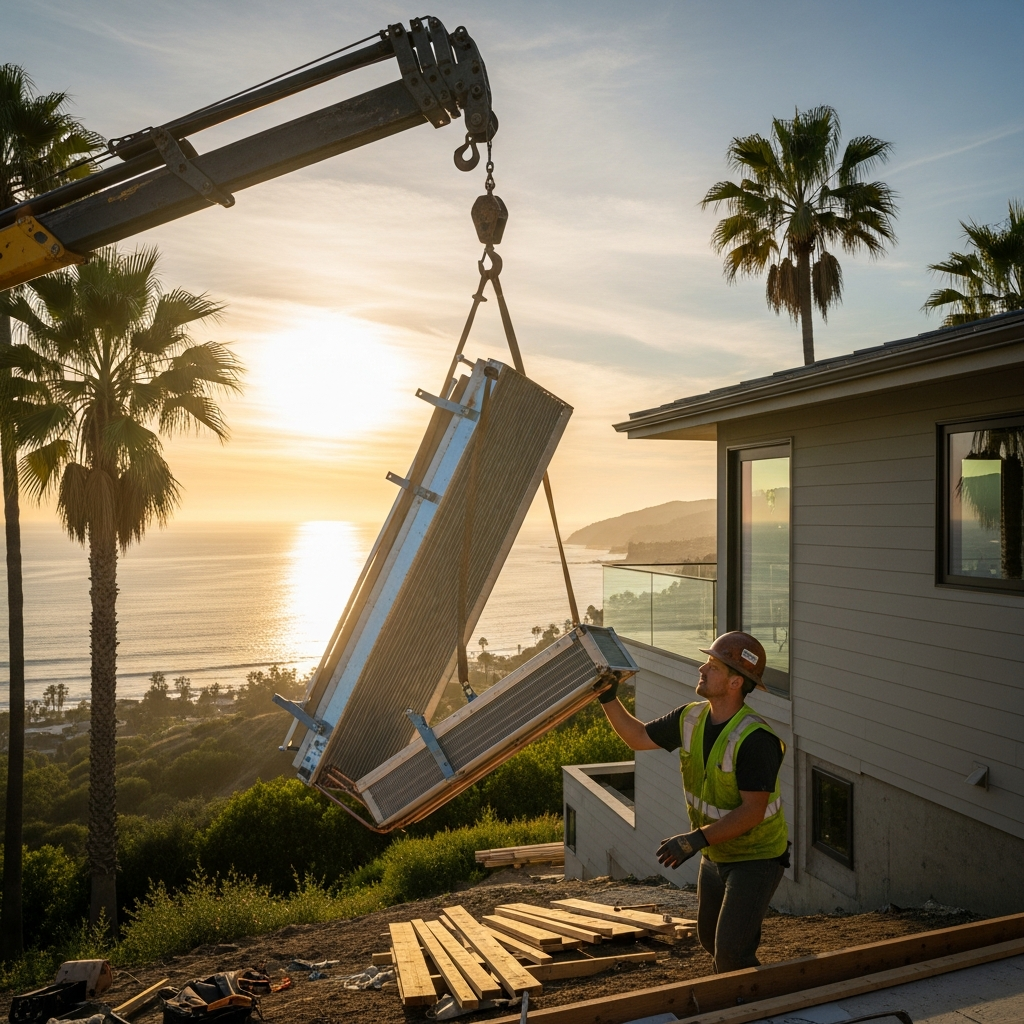
Logistics can be a puzzle on hill and canyon properties. We survey access for equipment and materials, verify load paths for cranes where needed, and ensure that parking and staging are neighborly. When crews can work without slipping into problem-solving mode every hour, installations finish neater and faster. Homes with sensitive finishes, like stucco that needs careful patching or custom plaster walls, benefit from staging that minimizes disturbance. These touches aren’t fluff; they’re the difference between a job that technically works and one that settles into your life with grace.
Hidden Factors That Drive the Overall Picture
While we avoid reciting line items, it helps to understand the levers behind an installation’s overall scope. Coastal-rated equipment increases durability demands. Reworking or replacing ducts can be transformative but requires attic or crawlspace access that varies from home to home. Zoning—using multiple air handlers or damper-controlled branches—can trim energy use and elevate comfort, especially in multi-level houses, but it adds design and control complexity. Advanced filtration and ventilation strategies are invaluable during smoke events and allergy seasons, and they change the hardware conversation from mere cooling to whole-home well-being. Electrical capacity shapes choices too; older panels may be snug on space, and thoughtful planning prevents nuisance trips or awkward compromises later.
Future-proofing is part of the Malibu mindset. If you plan to add solar or a battery, we design with those upgrades in mind. If the ADU out back might become a rental or long-term guest space, we consider independence so that guests can set their own temperature. If you work from home and spend most of your day in an office with big windows, we create a microclimate that keeps you focused without overcooling the rest of the house. Thinking ahead saves you from revisiting the system the next time life evolves.
Midway Recap: Designing for Malibu Reality
By the time you are halfway through an installation plan, you should feel clear on capacity, layout, equipment, and aesthetics. You should understand how salt air protection, noise mitigation, and filtration choices fit your routines. And you should have a calendar that respects local reviews and your remodel timing, if any. For many homeowners, browsing resources on air conditioning clarifies terminology and helps frame the right questions, from inverter operation to duct redesign. Clarity breeds confidence, and confidence turns into a system that simply disappears into daily life, doing its job quietly and well.
One more insight that often surprises newcomers: Malibu microclimates can change with a two-minute drive. A home up Corral Canyon may want stronger afternoon performance and shading strategies, while a Point Dume bungalow might prioritize corrosion resistance and whisper-quiet operation. Let your system mirror your microclimate rather than a generic coastal template. It’s the difference between good and great.
Energy, Sustainability, and Long-Term Comfort
Efficiency is not a buzzword here; it’s how you protect the home’s serenity and the grid’s stability on peak days. Inverter heat pumps, sealed ducts, and smart controls are the trifecta, and proper commissioning ties them together. We verify refrigerant charge, airflow, and control logic so that the first month’s operation mirrors the engineer’s intent. With Malibu’s mild shoulder seasons, a heat pump can heat gently in spring mornings and cool lightly by afternoon without the on-off choppiness that makes rooms feel unsettled. Smart thermostats can learn your commute or surfing routine and idle the system when the ocean breeze makes opening windows the better choice.
Durability connects to sustainability too. A system that resists corrosion and uses thoughtful filtration won’t need premature replacement. That means fewer disruptions, less waste, and a calmer household. If you enjoy hosting, consistency is golden: the living room feels comfortable for guests at 2 p.m., and bedrooms settle quietly at 10 p.m. even on a heat wave’s second day. When installation is done right, you notice ease rather than equipment.
Frequently Asked Questions
Do I need a permit for a new AC system in Malibu?
Yes, and it is wise to plan for it early. Permits verify that electrical work, equipment placement, clearances, and noise guidelines meet local codes. If you live within an HOA or a neighborhood with architectural review, their approvals typically precede municipal inspection. Starting the paperwork early avoids delays when crews are ready to work.
Can my existing ducts be reused?
Sometimes. We evaluate duct size, insulation, leakage, and layout. Clean, well-sized ducts can remain; leaky or undersized runs undermine comfort and efficiency. Because many Malibu attics are tight and hot, we weigh the disruption of replacement against the comfort gains. If you frequently notice temperature swings between rooms, duct updates are often part of the solution.
How long does installation typically take?
Once approvals are in place and the scope is clear, many straightforward projects complete in a few days. Timelines extend when ductwork is rebuilt, when structural support is needed for rooftop mounting, or when coordination with other trades is essential during a remodel. A crisp schedule with milestone check-ins keeps everyone aligned.
Will salt air damage my equipment?
Coastal environments are tough on unprotected metals, which is why we favor coastal-rated coils, protective coatings, and stainless fasteners. Regular rinsing of outdoor units and scheduled maintenance extend life. Proper placement away from direct spray or pooling runoff also pays dividends.
Is a heat pump a good choice for Malibu?
Absolutely. Our climate is tailored for heat pumps, and inverter models provide excellent humidity control and quiet operation. They offer gentle heating for cool mornings and efficient cooling on sunny afternoons, eliminating the dramatic swings associated with older, single-speed equipment.
What about noise and my neighbors?
Quiet operation is a design priority. We select low-sound outdoor units, isolate equipment on vibration-damping pads, route ductwork thoughtfully, and place condensers where reflected noise won’t bounce into patios or bedrooms. These choices preserve the calm that Malibu evenings are known for.
How should I prepare my home before installation day?
Clear access to mechanical spaces, attics, and electrical panels speeds the process. If pets are on site, consider safe, quiet spaces away from activity. Share gate codes, parking notes, and any neighbor considerations in advance so crews can be efficient and respectful.
Final Steps and Next Moves
If Malibu has taught us anything, it is that context wins. A system that respects the coast, the canyon winds, and your day-to-day rhythms will feel effortless for years. If you are planning now, take a moment to explore trusted insights on air conditioning, then gather your notes and walk your property with a seasoned local technician. When you are ready to move from ideas to a tailored plan, reach out to schedule a site visit and we will help you map an installation that vanishes into the home yet shows up perfectly when the summer sun decides to linger.