
The rhythm of Malibu life has its own cadence—marine-layer mornings, sunlit afternoons, and cool evenings with the windows cracked open to the sound of surf. Your home’s comfort should slide easily into that pattern, and the way to make that happen is with thoughtful seasonal air conditioning service. From carbon-coated sea breezes to smoky Santa Ana winds, our environment asks more of cooling equipment than a quick dust-off in late spring. As we talk through the timing and scope of seasonal care, it helps to remember the basics of air conditioning, because airflow, cleanliness, and calibration are the levers that keep a system serene when the weather shifts day to day.
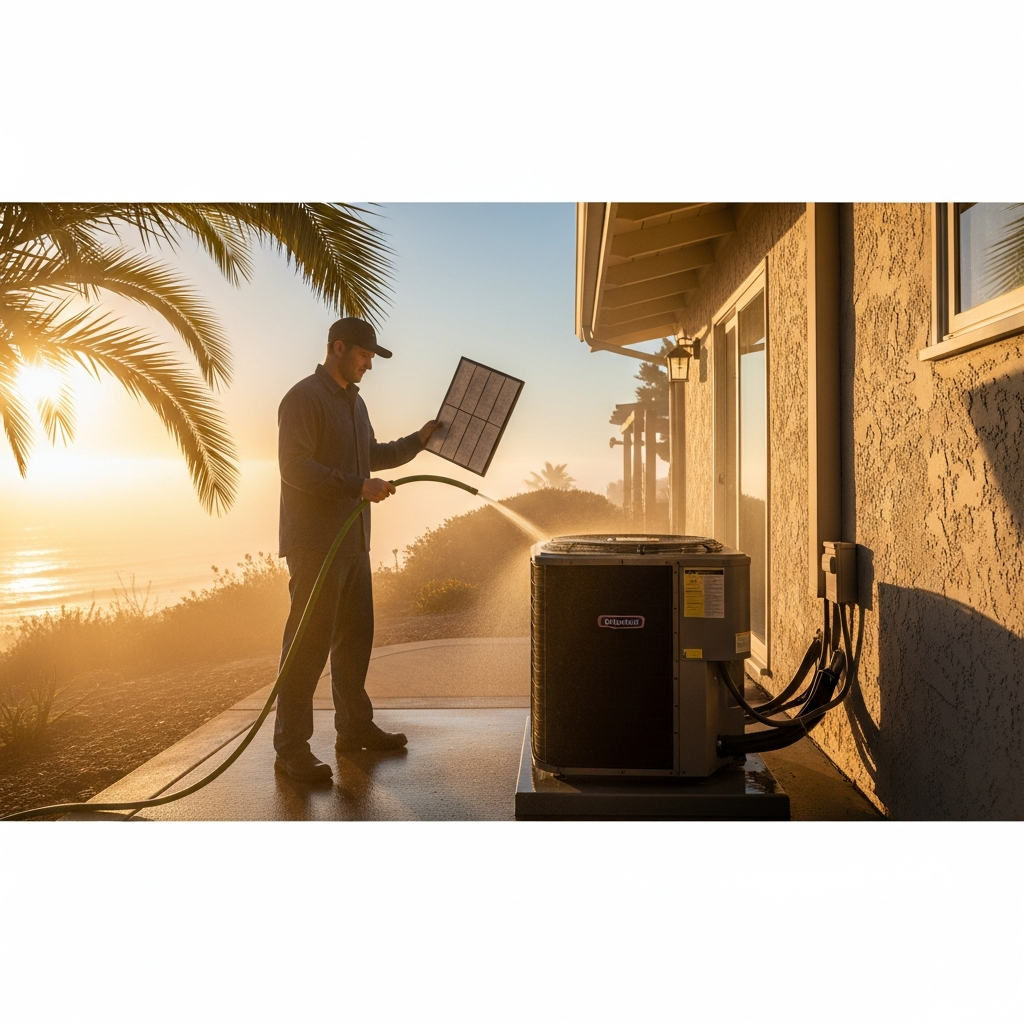
Spring service in Malibu is less a ritual than a reset. After a winter of intermittent use—or idle weeks if you heat with something else—coils collect fine salt, filters may be forgotten, and drains can accumulate debris in long, shallow runs. A thorough tune includes checking static pressure to see whether ducts are still delivering air as designed, verifying blower settings, and ensuring the outdoor unit is ready to face months of sun and mist. If you live close to the water, I favor a gentle coil rinse and an eye on cabinet finishes so small corrosion points don’t grow into problems.
Spring: Setting the Stage
As mornings stay cool and afternoons warm, your system spends more time at low speed if it’s a variable model. That’s an asset, but only when airflow is clean. I start by inspecting filters and returns, because a starved blower loses its quiet grace and begins to strain. Returns in older homes are often undersized or awkwardly placed; a seasonal visit is a good moment to talk about improvements that could make the rest of the year simpler and more comfortable. I confirm electrical connections, test capacitors and contactors for signs of early wear, and calibrate the thermostat to read honestly in its exact location.
Condensate management is a quiet hero in coastal homes. Shallow slopes and long runs to exterior drains can form pockets where algae or dust collect. I like to vacuum lines, add cleanouts where none exist, and test float switches. The goal is a system that shrugs at a humid day, not one that quietly fills a secondary pan while you’re at the beach. Outdoors, clearing brush and leaves from around the condenser keeps airflow free and protects from critter mischief during the quieter months.
Summer: Quiet Performance Under Sun
By midsummer, the best service is the one you barely notice because everything simply works. But a mid-season check can pay dividends in Malibu, especially for homes right on the water where salt accumulates quickly. A rinse of the coil, a look at fan blades for balance, and a quick verification of refrigerant pressures against the system’s design conditions confirm that you’re not wasting energy or inviting premature wear. Indoors, I listen for any new whistling at returns and check that dampers haven’t drifted. Small tweaks restore that barely-there airflow you fell in love with on the first warm day.
Guests and open doors are summer in a nutshell. That reality tests systems in fits and starts—cooling idly for hours and then running hard when everyone returns from the beach. Smart thermostats help here. Gentle pre-cooling before a crowd arrives spares the system a sprint from zero. During service, I revise schedules with owners so comfort matches the ebb and flow of real life rather than a rigid weekday pattern. It’s a conversation worth having twice a year because habits shift with seasons.
Fall: After the Heat, Before the Wind
As days shorten, Malibu eases into a sweet spot. Afternoons are warm, evenings turn crisp, and windows open more often. Fall service focuses on resetting after summer loads and preparing for the first Santa Ana winds. Filters that look fine can be surprisingly loaded after a busy guest season. I prefer to swap early rather than wait for complaints of reduced airflow. Outdoor units get another rinse if you are near spray, and I take a moment to verify that vibration isolators and mounts remain tight after months of cycling.
For heat pump owners, fall is the perfect time to ensure defrost cycles are set properly and that thermostats transition smoothly between modes. Quiet, steady heating is the goal when night breezes cool more than expected. It’s also the time to talk about wildfire season preparation: which filters to keep on hand, when to seal windows, and how to program the system to minimize intake of smoky air if you have a ventilating component.
Winter: Rest, Reset, and Readiness
Winter by the water is forgiving to cooling systems, but that doesn’t mean your equipment should be ignored. A light service confirms electrical connections, checks that seals hold against salty mist, and ensures drains are clear for the occasional warm spell that nudges the system into cooling. If you rely on a heat pump for warmth, we confirm that auxiliary heat isn’t overstepping its role and that defrost cycles don’t create drafts. These are subtle checks, but they pay off when a January day flips unexpectedly from cool to mild.
Winter is also planning season. If you’ve been thinking about adding a return, upgrading to a higher-MERV media cabinet, or reworking a duct that always rattles, now is the time to schedule. Work is easier to coordinate, and you aren’t pressed by an immediate need for cooling. I often sit at kitchen tables discussing options with homeowners who prefer to make quiet upgrades well before summer buzz arrives.
Malibu Realities: Salt, Smoke, and Sun
Three elements drive more seasonal service decisions here than anywhere else: salt, smoke, and sun. Salt seeks any weakness in exposed metal. Routine rinses of outdoor coils, protective coatings, and stainless hardware blunt its edge. Smoke season demands flexible filtration strategies; having a set of filters ready lets you swap quickly after a heavy day rather than waiting weeks. Sun, especially on south- and west-facing glass, shapes load profiles. Thermostats positioned carefully and supported by remote sensors read comfort in the rooms that matter most, keeping the whole system honest.
Canyon homes have their own rhythm. Dusty breezes and longer ducts shape how often filters need attention. Attics in these homes can run warm well into the evening; verifying insulation levels and attic ventilation during a seasonal visit turns a tune-up into a performance upgrade. I keep a mental map of neighborhoods where certain issues recur—Topanga border homes with tricky returns, Point Dume properties sensitive to evening noise—and plan service with those in mind.
Making Maintenance Part of Daily Ease
The most successful service plans are simple. Filters sized for easy access get changed on time. Drain cleanouts you can reach without a ladder get used. Thermostats with plain-language schedules get followed rather than finessed every day. I always ask owners what feels like a chore and what feels natural; then we shape maintenance so it disappears into routine. The right design details at installation—hip-height filter cabinets, outdoor clearances that allow a quick rinse—continue to pay you back every season.
Scheduling also matters. Malibu’s calendar is crowded on weekends and relaxed midweek. Early-morning service avoids beach traffic and frees the rest of the day. If you have a gated drive or limited parking, a quick heads-up ensures we arrive with the right vehicle and tools so no time is lost. Those simple courtesies are as much a part of seasonal success as a thermometer and a wrench.
Mid-Season Check-Ins
A brief mid-season check can catch the small shifts that, left alone, become reasons to call in a panic. A soft start that’s a touch weaker, a blower that hums slightly louder, a drain that shows a hint of buildup—addressed promptly, they vanish back into the background. It’s also the perfect moment to reexamine how air conditioning feels in your home. If a bedroom warms up after sunset or a den cools faster than you like, a return adjustment or a small zoning tweak can smooth the edges.
Frequently Asked Questions
Q: How often should I service my system in Malibu? A: At least twice a year—once before peak cooling and once before smoke and wind season. Homes right on the water benefit from an additional quick rinse and check mid-summer.
Q: What can I do between visits? A: Keep filters fresh, especially after smoky or dusty days, keep the area around the condenser clear, and watch for water in secondary drain pans. If you notice new noises or temperature swings, call before the next heat spike.
Q: Do I need special equipment near the ocean? A: Coastal-rated coils, protective finishes, and stainless hardware last longer. Pair those with strategic placement and routine rinses to keep performance steady.
Q: Will higher-MERV filters strain my system? A: Not if the system is designed for them. With appropriately sized returns and a media cabinet, you can capture finer particles without overworking the blower.
Q: How do smart thermostats help? A: They learn your patterns, schedule gentle pre-cooling, and use remote sensors to read rooms you actually occupy. That steadier approach reduces starts and stops and keeps comfort even as the day changes.
Q: Can seasonal service prevent most breakdowns? A: It dramatically reduces them. By catching weak capacitors, dirty coils, or creeping drain clogs early, we avoid the emergency calls that always seem to arrive on the hottest afternoon.
Your Next Step
If you want your Malibu home to feel naturally comfortable through every season—calm mornings, lively afternoons, and easy evenings—the smartest move is a seasonal plan that respects the coast. Let’s map a schedule that fits your routines, protects your equipment from salt and smoke, and keeps performance quiet and reliable. When you are ready for attentive care and modern air conditioning guidance shaped by life on the shoreline, reach out and set your next visit today.