
When an air conditioner in Malibu starts acting up, it rarely shouts. More often it murmurs—a longer run time, a faint rattle on a breezy night, air that feels less crisp than last month. In a coastal town where mornings are damp with marine layer and afternoons run warm and bright, those small changes add up quickly. Troubleshooting here is as much about reading the coastline as it is about reading gauges. Before you find yourself fussing with the thermostat on a hot weekend, it helps to learn the common coastal culprits and the calm, methodical steps that bring a system back to itself. It also helps to lean on regular air maintenance so issues stay small and scheduled rather than surprising.
Think of your AC as an orchestra. Outdoors, the condenser sheds heat; indoors, the blower moves air across a chilled coil; thermostats and sensors keep the rhythm steady. Malibu’s environment nudges each player in subtle ways. Salt settles on outdoor fins and electrical contacts. Fog wets surfaces at dawn and dries under sun. Offshore winds push dust and, some seasons, ash into filters. Hillside homes hide equipment in tight spots, which changes how air moves and where water wants to sit. The better you understand these nudges, the faster you can trace a symptom to its source.
Most homeowners start with comfort complaints: the house doesn’t cool like it used to, certain rooms lag, or the system sounds different. Begin with airflow. Filters load faster near the ocean, especially after windy weeks or busy weekends with doors swinging open. A filter that looks passable can still throttle the blower. If air feels dull at the vents or return noise has a hiss it didn’t have before, airflow is asking for help. Swap the filter, wipe the return grille, and listen again. Many “mystery” issues soften right there.
Outdoor coil: the quiet heat bottleneck
When the condenser coil wears a fine film of salt and dust, heat doesn’t leave as easily. The fan may run longer, and the air near the unit can feel warmer than usual. If you stand back and see that the coil looks matte instead of faintly metallic, residue is likely. A gentle rinse with power off, water flowing from inside the cabinet outward, can restore performance. Avoid pressure that folds fins—it creates restrictions you’ll fight for months. If rinsing doesn’t change much, deeper cleaning with coil-safe products may be needed, a task best handled by a technician who knows coastal metals.
Listen to the fan too. Winds in canyons can buffet blades, creating a wobble or intermittent rattle. Loose panels add to the chorus. Tightening hardware and confirming the fan motor runs within its normal amperage clears two common paths to poor heat rejection, and these checks take minutes when you know what you’re hearing.
Indoor coil and drains: comfort’s hidden gatekeepers
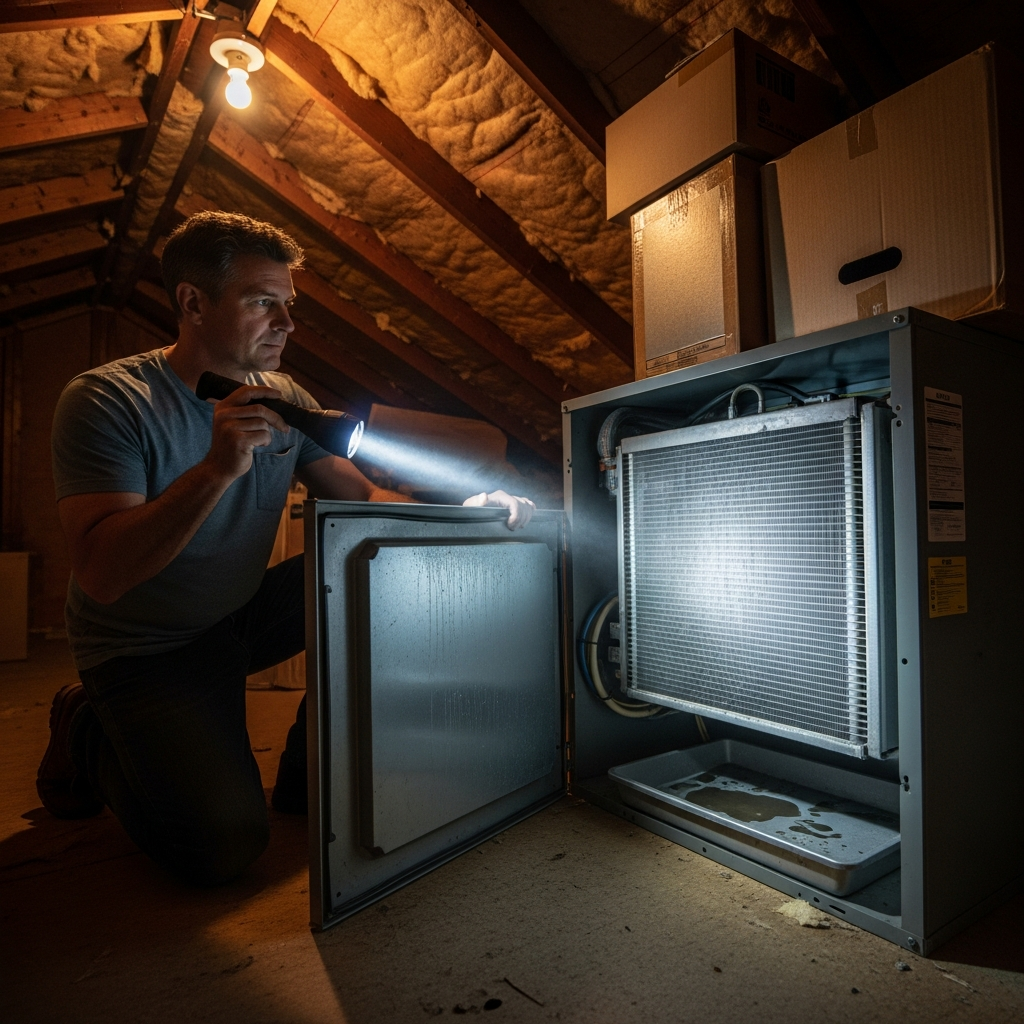
Inside, the evaporator coil and its drain shape how cool and dry the house feels. After a foggy stretch, algae can grow in quiet corners of the drain line, and dust pulled through returns can build a film on the coil’s face. Early hints include a musty start-up scent or a temperature that drifts above your setpoint by a degree or two on familiar afternoons. Shine a light into the coil cabinet if access allows; a clean coil shows fine, evenly spaced fins, while a loaded one looks muffled or streaked.
If water gathers in the secondary pan or drips from an overflow line outside, stop and address the drain before running the system hard. Clearing the trap and line restores the coil’s ability to shed moisture. Pair that with a fresh filter and a quick check of return leaks, and you often reclaim lost comfort without touching refrigerant or expensive parts.
Thermostats, sensors, and sun
Malibu’s bright afternoons can fool thermostats placed on sun-warmed walls or near glass. A sensor that reads a degree or two high will call for more cooling than the room needs, lengthening run times and masking other issues. If your schedule has changed—say, shades are open longer for the view—your thermostat might need a relocation or a calibration. Smart controls help you see patterns, but the basics still rule: the sensor should feel the room, not the sun, a TV, or a draft from a nearby door.
Communication between sensors and the air handler matters, especially on modern variable-speed equipment. Loose connections or minor corrosion on low-voltage terminals can create intermittent behavior—brief shutdowns, odd delays, or a fan that runs when it shouldn’t. A visual check and a light cleaning restore order more often than you’d expect in coastal homes.
Ducts, returns, and the open-door lifestyle
Malibu living invites the outdoors in, which means returns sometimes draw what the door sweeps and screens leave behind. Leaks in return ducts can pull attic or garage air, adding salt, dust, and heat load the system didn’t plan for. Symptoms include a room that lags on hot days, whistling registers, or a system that feels oddly loud for the cooling it delivers. A quick smoke test or pressure reading tells the truth. Sealing key leaks and balancing dampers can transform comfort, and it feels like magic because it addresses the foundation: the air the system actually moves.
Watch the registers themselves. A vent aimed at a thermostat can trick it into short-cycling. A register behind a sofa can smother a room that otherwise seems well supplied. Small adjustments to aim and clearance ripple into calmer cycles and steadier temperatures.
Power quality, surges, and coastal weather
Variable-speed systems love clean, steady power. While Malibu’s grid is generally stable, storms and wind events can cause brief disturbances. Sensitive boards respond unpredictably when voltage dips or spikes. If your system behaves oddly after an outage—flashing indicators, fans running out of sequence—cycle power properly and allow controls to reset. If symptoms persist, a pro can check boards and connections for signs of stress, and surge protection may be worth a conversation for peace of mind.
Even on single-speed systems, poor connections at contactors or the service disconnect make for intermittent starts. Salt bloom on electrical faces is common near the coast. A careful inspection and cleaning keep electrons moving as designed and prevent a nuisance trip on a weekend when you’d rather be outside.
When refrigerant isn’t the first suspect
It’s easy to point to refrigerant whenever cooling feels weak, but in healthy systems refrigerant doesn’t vanish. Before assuming a charge issue, resolve airflow and coil cleanliness. Measure temperature split across the coil once filters are fresh and surfaces are clean. If readings still hint at a problem—superheat and subcooling out of range—then a trained technician can test for restrictions or leaks. This order of operations prevents masking a simple issue with a complicated one and respects how often coastal film, not refrigerant, is the real villain.
For Malibu’s mix of older and newer homes, long line sets installed during remodels are common. More joints mean more places to inspect, and insulation on those lines can weather in the sun and salt air. Rewrapping deteriorated insulation is a quiet fix that immediately improves performance on warm afternoons.
Reading the sounds and scents
Trust your senses. A new electrical odor outdoors can indicate a contactor arcing under load. A sweet, musty scent at startup indoors hints at a damp coil or a drain starting to slow. Metallic rattles often trace back to a loose panel caught by canyon gusts. None of these automatically signal major trouble, but they’re early postcards from the system asking for a check. Addressing them on a mild weekday is far nicer than waiting until the calendar and the thermometer conspire against you.
Some sounds are seasonal. On foggy mornings, you may hear a brief whoosh as the fan sheds moisture. On windy nights, the condenser may hum differently as air crosses the fan blades. Distinguish normal seasonal voices from true changes by paying attention over time; the more familiar you are with the soundtrack, the easier it is to spot a new instrument out of tune.
Working with local pros for calm resolutions
When you call in help, share details about your home’s exposure and recent weather. “We had a week of heavy fog and doors were open most afternoons,” tells a Malibu-savvy tech where to look first. Expect them to measure static pressure and temperature split, check coil condition with a light, verify drains, and assess the outdoor coil for salt film. The visit should end with photos and a narrative that make sense in plain language. Once airflow and cleanliness are back in balance, the system often feels new again without any drama.
Schedule follow-ups before the season’s first warm surge. Those early appointments flow quietly, while later slots fill fast. A midseason check focused on airflow and drains is usually enough to keep momentum. In the background, your personal notes and the technician’s photos become a logbook you consult next year, an antidote to guesswork.
Frequently asked questions
Why does my AC run longer after foggy weeks?
Fog leaves a fine film on coils and can promote algae in drains. The outdoor coil sheds heat less effectively, and the indoor coil may hold a bit more moisture. A gentle rinse outside and a quick check of drains and filters indoors usually restore normal run times. In Malibu, this is a seasonal pattern, not a sign of sudden failure.
What’s the first thing to check when rooms feel less crisp?
Start with airflow. Replace or clean the filter, wipe return grilles, and confirm registers aren’t blocked. If comfort doesn’t rebound, look at coil cleanliness and drains. Only after those basics are right should refrigerant or controls become prime suspects.
How can I tell if the outdoor coil needs more than a rinse?
If a careful rinse doesn’t change the feel of the supply air or the sound of the system, or if the coil face looks patchy and dull up close, deeper cleaning may be needed. A technician will use coil-safe products and methods suited to coastal metals and can straighten fins where needed to restore airflow.
Could thermostat placement really cause comfort swings?
Absolutely. A thermostat that feels morning sun or sits near a heat source will misread the room, driving longer or shorter cycles than you want. In bright Malibu homes, a small relocation or shading can steady comfort without touching the equipment.
Why do I smell a musty odor when the system starts?
That scent often signals moisture that lingered where it shouldn’t—on a coil that needs cleaning or in a slow drain. Addressing those areas early keeps the system efficient and prevents bigger issues. If the odor persists, a deeper inspection of the blower and return is in order.
Should I worry about power surges?
Short disturbances can unsettle sensitive controls. If the system behaves oddly after an outage, power it down fully, wait a moment, and restart. If symptoms continue, a professional can inspect connections and boards. Surge protection may be a wise addition for peace of mind, especially on modern equipment.
Ready to troubleshoot with confidence?
If you’d rather spend your summer evenings on the deck than deciphering why the AC feels off, put the fundamentals in place and lean on a local pro for the details that matter along the coast. When it’s time, schedule expert air maintenance so your system stays tuned to Malibu’s rhythm—quiet, steady, and ready for the next warm afternoon.