
Living by the ocean in Malibu is a daily gift—the soft morning fog, the sparkle by midday, and the kind of evening breezes that make you linger on the deck a little longer. Your air conditioner feels all of that too, which is why a coastal home benefits from a slightly different maintenance mindset. Salt air paints a fine film on metal, fog wets and dries the system like clockwork, and wind can usher in dust and the occasional ash late in the season. With the right habits, your equipment shrugs off those challenges and keeps the house calm, quiet, and comfortably cool. The very first habit I suggest is embracing regular air maintenance so your system’s care keeps pace with the shoreline’s rhythm.
These tips come from years of walking Malibu properties—from low-slung beach cottages in Malibu Colony to hillside sanctuaries in Big Rock and Encinal. The theme is simple: protect the surfaces that exchange heat, preserve clean airflow, and watch water wherever it wants to linger. If you follow that trio, your AC handles summer without breaking a sweat, and small fixes stay small. Think of this as a gentle, local owner’s manual written with our breeze and brine in mind.
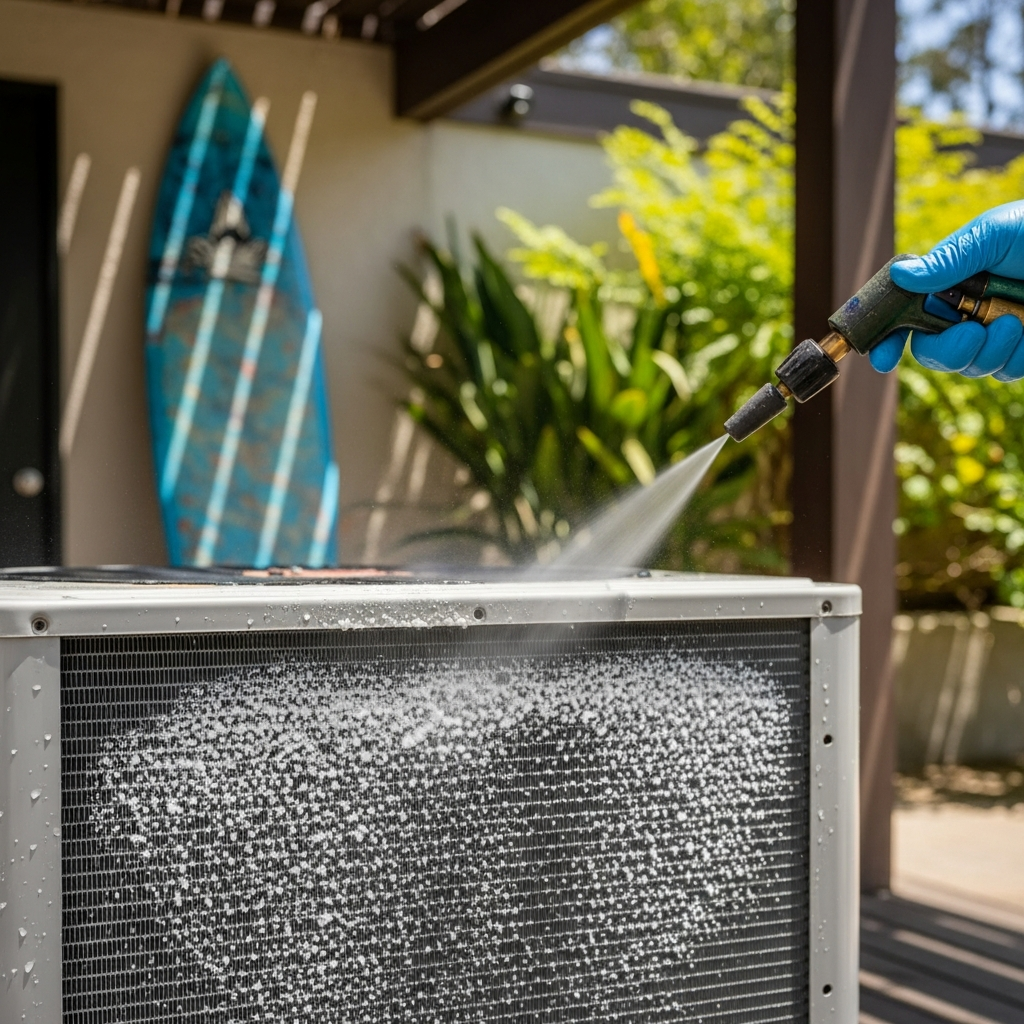
Start outdoors, where salt does its quiet work. The condenser coil is a radiator designed to shed heat; when it’s wrapped in a film of chlorides and dust, it runs hotter than it should. A periodic rinse, done carefully with the power off and the water aimed to float debris out rather than force it deeper, resets that surface to something like new. If your unit lives under a deck or near a wall that traps mist, watch for recirculating air that drives heat back into the coil. Small changes in clearance or deflectors can make a big difference in how easily heat leaves the cabinet.
Protecting against salt and moisture
Salt takes its time but never takes a day off. Coated coils and corrosion-resistant hardware help, but they still appreciate a fresh-water rinse and gentle cleaners designed for aluminum or mixed-metal coils. Don’t be tempted by pressure; bent fins choke airflow and are far harder to fix than a film is to remove. If you’re particularly close to the surf, talk with a technician about protective coatings and how to maintain them so they remain a benefit rather than a peeling layer that traps grit.
Fog is the other constant. Those mornings leave a sheen on cabinets, grills, and fins. When the sun breaks through, that moisture bakes with whatever the wind brought overnight. Scheduling cleanings just after the foggiest weeks gives you the most bang for your effort, returning surfaces to their best before the warmest days. Indoors, fog season often coincides with closed windows and steady runtime, which means drains are active; keep them clear so moisture leaves the home as designed.
Airflow is comfort’s foundation
Great cooling begins with easy breathing. In coastal homes that open and close all day, filters see a fascinating mix of pet hair, fine sand, and dust. Resist the urge to use the most restrictive filter you can find; match the media to your blower’s capability so you trap debris without strangling airflow. A technician can measure static pressure and show you where the sweet spot lies. Meanwhile, glance at return grilles regularly. A quick wipe keeps the first barrier clean, and that small act extends the life of your filter and keeps fan noise down.
Ducts deserve a periodic look, especially in older homes or places where renovations re-routed runs. Even a small return leak that pulls attic or garage air invites salt and dust into the system. Sealing those gaps is a quiet upgrade you feel every day. If you have rooms that run warmer by late afternoon, a light re-balance in early summer can smooth out the hot spots without overcooling the entire home.
Water goes where it wants—guide it
Coastal humidity may be gentle compared with the tropics, but Malibu’s cool mornings and warm afternoons keep condensate lines busy. A clear, sloped drain with a clean trap is non-negotiable. Algae loves standing water in shaded runs, so watch the lines that tuck into closets or crawlspaces. If you’ve had surprises before, ask about simple treatments and traps that hold their seal. Many homeowners never see the evaporator, but the first sign of a slow drain is a faint musty scent or a drip from a secondary line. Catching that clue early keeps ceilings dry and visits easy.
Outdoor, think about splashes. Surfers rinsing boards, kids washing sandy feet, and irrigation overspray can all mist the condenser. Redirecting a nozzle or adding a discreet deflector protects the coil from a constant bath of minerals and salt. Over months, that one tweak can add up to fewer cleanings and a cooler-running unit.
Placement and microclimates
Where your condenser lives shapes its daily life. Under decks, in side yards, or below grade, airflow can stall and heat can recirculate. If you feel hot air blowing back into the cabinet, it’s a sign the unit is rebreathing what it just expelled. A small shift in louver direction, trimming vegetation, or adding space around the coil opens a path for air to carry heat away. In wind-prone canyons, consider how gusts hit the fan; strong crosswinds can buffet blades and create odd noises. Simple wind breaks—more gap than solid wall—help air move the way the unit expects.
Sun matters too. Shade can lower head pressure and help efficiency, but avoid dense covers that trap heat or invite salt-laden moisture to linger. Aim for dappled conditions and clean clearance. Indoors, place thermostats where they feel the room, not the sun, and not the heat radiating off a nearby oven or television. You want decisions driven by your comfort, not by a patch of morning light.
Seasonal rhythms to adopt
Spring is your reset, when you wash off winter’s moisture and give the system a fresh start. Early summer is when you fine-tune airflow and confirm drains behave under steady runtime. Midseason is for gentle rinses and quick verifications; late summer into fall is when offshore winds suggest a filter check and a coil glance. Winter, while quiet on runtime, is active for salt—light rinses and an eye on outdoor hardware keep corrosion from taking a lead. This cadence doesn’t demand rigid dates; it thrives on paying attention to what the ocean and the canyons are doing and responding with small, smart actions.
Fold documentation into this rhythm. A few photos of the coil and a note of key readings—static pressure, temperature split, and a quick drain check—give you a living record that guides the next visit. Over time, you’ll learn your home’s quirks: the week each year when fog lingers longest, the direction of a wind that nudges a deck chair and the fan, and the mild day when a rinse makes a big difference.
Working hand-in-hand with your technician
Coastal fluency shows up in the details a technician prioritizes. Listen for mentions of gentle coil cleaners suitable for aluminum, checks of contactor faces for pitting, and a habit of photographing conditions for comparison. A good partner adapts scope as your home teaches them what matters most: maybe your drain wants more attention than your coil, or your blower stays remarkably clean thanks to a strong return filter game. Invite that customization; it trims unnecessary steps and focuses effort where the payback is real.
Schedule visits when the weather supports the work. If fog is thick, a deep coil cleaning may be better later in the day when drying is faster. If you’re planning deck refinishing, coordinate so sanding dust doesn’t coat a freshly cleaned condenser. Little courtesies like that echo in system performance and in how pleasant the home feels during the process.
Listening to what the system tells you
Air conditioners speak softly. A new rattle on a breezy night, a buzz that wasn’t there last week, or air that feels a touch dull at the vents all whisper that something wants attention. In Malibu, those whispers often trace back to salt film, a tired contact, a filter ready for a change, or a drain beginning to slow. When you respond early, the fix is almost always quick and calm. Waiting until a hot weekend amplifies the small into the stubborn, which is why a little attentiveness pays outsize dividends on the coast.
Don’t forget your senses in shoulder seasons. On a cool morning, put your hand near a supply vent and feel how crisp the air is compared with last month. Walk past the condenser on a warm afternoon and notice whether the air around it feels hotter than usual. These simple checks mesh with your seasonal routine and help you decide if a midseason touch is in order.
When upgrades make sense
Not every improvement is a replacement. In coastal homes, small upgrades can lift reliability. A better return grille that reduces noise and resistance, a drain safety that shuts the system down before a spill, or a mild coil coating applied and maintained correctly can be smart. If you’ve battled salty winds for years, a conversation about materials and placement during your next visit may lead to tiny changes with big comfort gains.
Smart controls can help too, not by replacing maintenance but by nudging it. Alerts for filter changes or unusual run times draw your attention at helpful moments. Pair that with hands-on care, and you have a system that not only behaves but communicates.
Frequently asked questions
How often should I rinse the outdoor unit near the ocean?
Light rinsing during foggy spells and after windy weeks keeps the coil from wearing a film that dulls performance. Always power down first, avoid pressure that bends fins, and aim to float debris outward. Pair rinsing with professional cleanings in spring and, if needed, midseason for a dependable baseline.
Do coil coatings eliminate the need for cleaning?
They help but don’t replace care. Coatings slow corrosion and make residue easier to remove, but salt and dust still settle. A gentle cleaning routine remains essential, and a technician familiar with coastal materials can advise on the right products and intervals.
What filter should I use if I keep doors open often?
Choose media that captures fine particles without choking your blower. Overly restrictive filters can create noise and reduce comfort. A simple static pressure measurement guides the choice. You may find a slightly more frequent change schedule works better than a heavier filter that burdens airflow.
My condenser is under a deck that traps heat—what can I do?
Create space for air to escape by opening lattice, trimming plants, or adding a simple deflector that guides hot discharge air away. The goal is to prevent the unit from rebreathing its own heat. A technician can assess airflow patterns and suggest small changes that make a big difference.
How do I know if the drain is starting to clog?
Early hints include a musty scent at startup, water in a secondary pan, or a gurgle where the line meets a trap. If you’ve noticed any of these, a quick check now is easier than a cleanup later. Algae thrives in shaded, warm lines, so keeping them sloped and clean is key.
Are smart thermostats helpful in coastal homes?
They’re helpful as assistants. Alerts and data highlight patterns, like longer run times after foggy weeks or when a filter is due. But they complement rather than replace hands-on care. The combination of attentive cleaning, good airflow, and smart nudges delivers the most reliable comfort.
Time to give your system some coastal care?
If you’re ready to align upkeep with the way Malibu actually feels day to day, set a simple rhythm and lean on a local pro to confirm the key measurements. When it’s time to act, book expert air maintenance so your home stays effortlessly cool through the brightest afternoons and the softest, salt-kissed evenings.