
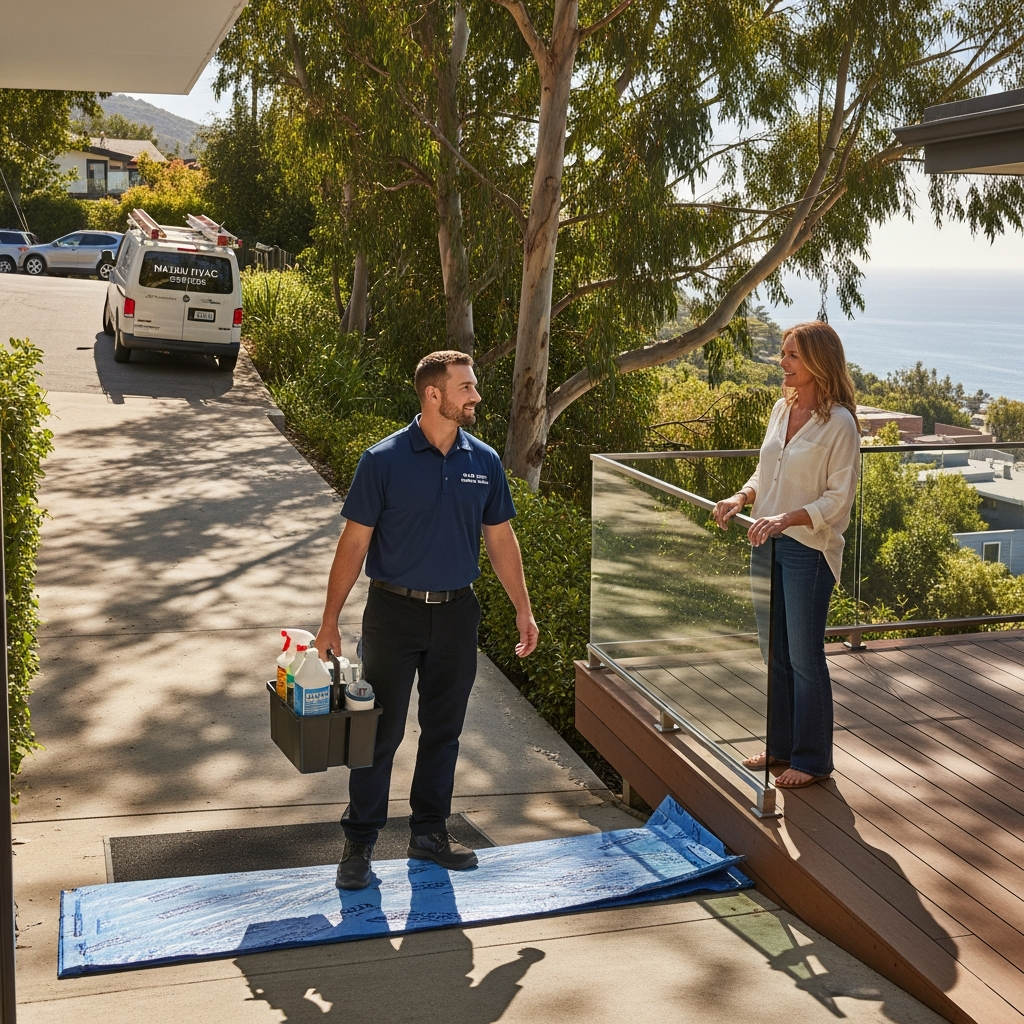
Deciding who should care for your air conditioner in Malibu is a bit like choosing a captain for a familiar stretch of coast. The map looks simple from a distance, but anyone who lives here knows the currents: morning fog, salt mist, canyon winds, long sunny afternoons, and the occasional late-summer haze. A maintenance partner who understands these rhythms will keep your system gliding quietly through the season. From Point Dume to Ramirez Canyon, the homes are eclectic and the equipment is too, which makes the choice personal and practical. As you weigh your options, begin with the basics and then look for signs of genuine coastal savvy. And early on, commit to regular air maintenance so the relationship starts on steady footing.
The right fit blends technical skill with soft skills: clear communication, careful documentation, and respect for the way Malibu neighborhoods actually work. Driveways are tight, decks are delicate, and access can be creative. A team that arrives prepared, protects the property, and explains their findings is worth its weight in comfort. The goal is not to find the flashiest brand or the busiest schedule but the steady hand that treats your system like a long-term responsibility.
Before we explore traits to look for, consider what makes Malibu distinct for HVAC. Salt air accelerates corrosion, even several streets inland when the wind is right. Homes often perch on slopes or wrap around courtyards, so condensers may live below decks or behind gates. Outdoor showers, surf gear, and garden irrigation create microclimates around equipment that few inland techs encounter daily. A maintenance service fluent in these details reacts faster and, more importantly, anticipates them so your system runs smoothly without drama.
Licensing, training, and proof of craft
Clear credentials are table stakes. Proper licensing, insurance, and relevant certifications show a baseline of competence and accountability. Beyond the paperwork, ask about continuing education and hands-on coastal experience. Technicians who train on variable-speed systems, airflow diagnostics, and corrosion mitigation bring skills that matter specifically here. If they can walk you through how they measure static pressure, verify temperature split, and confirm refrigerant health without “topping off” by habit, you’re hearing the language of careful, data-driven maintenance.
References help, but local references help most. A service that can point to homes in your neighborhood or similar exposures—say, a bluff-top property with deck-mounted equipment—has already learned lessons that transfer directly to your place. Listen for stories of problems they solved proactively, like identifying a chronic drain issue in foggy months or protecting a coil in a courtyard that traps mist.
Coastal knowledge you can hear in the first visit
When a technician walks your property, attend to what they notice unprompted. Do they look for wind patterns, clearance around the condenser, or signs of salt bloom on fasteners? Do they ask where sand and damp gear typically land after a beach day? Those questions reveal the kind of pattern recognition that keeps Malibu systems reliable. Indoors, a pro will peer at returns and supply registers for dust trails that hint at leaks, check the blower for a film that builds up in homes opened daily to the sea, and confirm that the condensate route is short, sloped, and protected from algae growth.
Documentation is a second language for good maintenance. Expect photos of coil conditions, readings for superheat and subcooling, notes on static pressure, and plain-English explanations of what those numbers say about your system. Over time, this becomes a living record that guides decisions and helps distinguish between “nice-to-have” and “needs attention now.”
Respect for property and neighborhood rhythm
Malibu’s charm comes with close quarters. The best services move through that with grace. They stage vehicles considerately, lay down protective paths over delicate decking, and manage rinse water near the condenser so it doesn’t splash a neighbor’s wall or garden. They also understand the flow of the day—arriving after marine layer lifts if a task needs dry conditions, or scheduling a noisy step before quiet hours. This choreography sounds small, but it reflects the care you want inside the equipment as well.
Access planning is part of that respect. Many outdoor units sit below grade or behind lattice. A team that arrives with the right ladders, lighting, and safety gear isn’t improvising on your time. That preparedness shortens visits without rushing the work you hired them to do.
Scope that matches Malibu realities
Ask candidates to describe a typical coastal tune-up. You want to hear about gentle coil cleaning aimed at salt residue, inspection of electrical contacts for pitting, verification of fan motor health under load, and a careful check of drains that see daily moisture. Indoors, expect a discussion of blower cleanliness, static pressure, and return integrity so the system isn’t pulling attic or garage air. If you have enhanced filtration or UV, they should explain how they verify it protects air quality without throttling airflow—a common stumbling point when good intentions meet real-world fans and ducts.
Just as important is how they prioritize. Not every system needs every task every time. A service that adapts scope to your exposure and run-time shows maturity. They should be able to tell you which items are critical for your home this season and which can wait, then prove those choices with photos and numbers.
Communication that builds trust
After the visit, the best teams translate findings into a clear narrative. “Here’s what your coil looked like and how we cleaned it. Here are the readings before and after. Here’s the minor wear we’re watching and why it matters—or doesn’t—this year.” You should never feel buried in jargon, nor should you feel like concerns were brushed aside. Look for services that invite questions, offer to walk you through the photos, and welcome a follow-up call if something comes up a week later.
Timeliness is part of communication. Malibu’s first warm weekend always surprises a few folks, and schedules tighten. A partner who recommends dates ahead of that surge and honors them is signaling that they see your home as an ongoing client, not a one-off job wedged between emergencies.
Technology and tools that make a difference
From coil-safe cleaners made for aluminum and mixed metals to instruments that log and share readings, the kit matters. Ask how they handle delicate fins or whether they use fin combs when appropriate. Do they carry drain cleaning tools that avoid splash-back in tight mechanical closets? Can they set up a temporary catch for rinse water near your landscaping? None of these are glamorous, but in coastal homes they separate good intentions from good outcomes.
Some services offer optional sensors that monitor temperature, humidity, or even coil conditions for early warnings. While not essential, thoughtfully deployed sensors can help homes that host frequently or sit closed for stretches. If offered, make sure they’re configured to complement, not replace, hands-on inspections.
Signs you’ve found the right partner
When the fit is right, you feel it. The first visit ends with your system quieter, your questions answered, and a plan that feels custom to your home. You receive clear documentation, not a mystery checklist. The next appointment is scheduled at a sensible interval, and you know what it will cover and why. If a part shows early wear, the recommendation makes sense in the context of your readings and photos, not generic advice.
Over a season or two, the relationship deepens. You notice fewer surprises, and when the winds shift or a deck project changes airflow around the condenser, your service has practical suggestions ready. That kind of familiarity is especially valuable in Malibu, where microclimates vary street by street and small changes add up.
Common pitfalls to avoid
Be wary of one-size-fits-all promises that ignore the coast. An inland checklist applied here often overlooks corrosion, drain behavior, and access issues that define Malibu maintenance. Equally, be cautious of visits that rely on topping off refrigerant without investigating why readings drift. In a healthy, sealed system, refrigerant doesn’t need an annual add; chasing numbers can hide a restriction or a small leak that deserves real diagnosis. Another red flag is dismissing airflow measurements as optional—on our mix of older ducts and modern equipment, airflow is the foundation of comfort and reliability.
Finally, watch how a service treats your time and space. Rushed arrivals, muddy paths, or explanations that dodge your questions don’t get better over time. You’re inviting a team into a long-term role; it’s fair to expect calm, careful work that respects your home and neighborhood.
Making the choice, then keeping the momentum
Once you choose, set the first two visits in the calendar: a spring baseline and a midseason check that revisits airflow and coil cleanliness. Share how you use the home, from open-door afternoons to quiet mornings, so the plan fits. Keep the photos and readings they provide; over a couple of years, you’ll have a clear, personalized record that guides smart decisions.
Most importantly, embrace a cadence that turns maintenance from a chore into a habit. Malibu rewards that mindset with steady comfort that feels easy even when the weather doesn’t. In time, you’ll barely think about the system at all—which is the best sign that your choice was a good one.
Frequently asked questions
What questions should I ask on a first call with a maintenance service?
Ask about licensing and insurance, their experience with coastal corrosion, and how they measure success during a visit. Invite them to describe a typical Malibu tune-up and what they adjust based on proximity to the ocean or canyon winds. Request sample reports or redacted photos to see how they document findings. The clarity and confidence of those answers tell you as much as the content itself.
How important are airflow measurements like static pressure?
They are essential. Static pressure and temperature split reveal whether ducts and filters are supporting the system or holding it back. In homes that open to the outdoors and gather fine dust or salt, airflow changes over time. Measuring gives the technician a compass—without it, recommendations are guesses rather than targeted improvements.
Should I prioritize local references over online reviews?
Both help, but local references carry context. A review might praise punctuality; a neighbor can tell you how the service handled rinsing coils without splashing a shared walkway or how they planned access to a deck-mounted unit. In Malibu’s close quarters, those details matter.
Do I need a service that offers emergency calls?
Rapid response has value, but a partner focused on prevention reduces the odds you’ll need urgent help. If a service does offer after-hours support, treat it as a safety net, not the defining feature. What matters more day to day is the thoroughness of routine visits and the clarity of the follow-up.
How often should documentation be updated?
Each visit should produce fresh photos and readings. That way you can compare this spring’s clean coil to last summer’s midseason check, or flag a drain that tends to slow after foggy weeks. Over time, the record turns into a roadmap tailored to your home.
Can I start with a single visit before committing?
Absolutely. A well-run first visit will feel like a thoughtful assessment and a reset rolled into one. Pay attention to how the team explains their process, what they notice about your property, and how they present results. If it clicks, set the next date so momentum doesn’t fade just as summer arrives.
Ready to choose with confidence?
If you want a partner who treats your system like a long-term responsibility and understands the coast we call home, begin with a clear plan and set your first visit before the season warms. When you’re ready, arrange professional air maintenance with a team that brings coastal experience, careful documentation, and calm, respectful service to every Malibu address.