
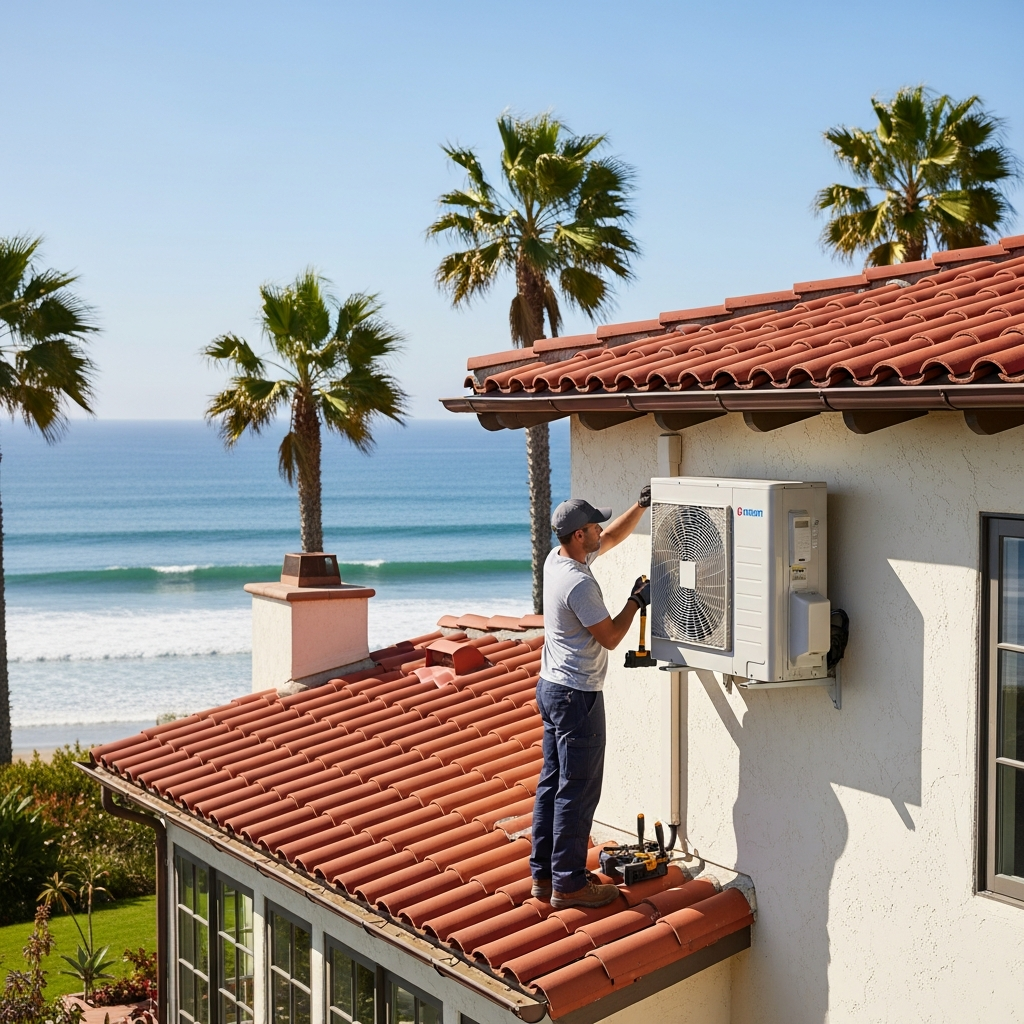
Living in Malibu, you come to understand quickly that our coastal breeze can be both a gift and a wildcard. Mornings might begin with a cool marine layer drifting over Carbon Beach, and by early afternoon the sun sharpens over the bluffs of Point Dume, warming stucco walls and red-tile roofs until the interiors of our homes start to feel like they’re holding onto summer. I’ve helped neighbors across Malibu Canyon and up into the hills above Serra Retreat prepare their homes for those swift changes, and I’ve seen how a properly designed air conditioning system does more than just cool a room; it smooths out the rhythm of the day so that comfort feels effortless. When people search for air conditioning installation near me in Malibu, they aren’t just looking for a contractor—they’re looking for local insight, a way to translate Malibu’s unique climate and architecture into year-round ease.
It’s why choosing the right partner for air conditioning installation matters so much here. Installation in Malibu is never a one-size-fits-all job. Beachfront homes face salt air and moisture that can challenge condensers, while hillside residences wrestle with long line sets, difficult access, and strict planning guidelines. Even within a few miles, the temperature swing between a La Costa townhome and a home tucked back in Ramirez Canyon can fool a generic design into underperforming. A local approach, grounded in the patterns of our microclimates and the character of Malibu’s neighborhoods, becomes the difference between an AC that simply runs and one that truly supports your lifestyle.
When I sit down with a homeowner, the first conversation is rarely technical. We talk about how you live. Do you open the doors in the morning to invite in the ocean breeze and then shut everything by noon? Are you building out a home office over the garage where heat tends to gather? Do you entertain spaces that need to be comfortable after sunset when temperatures fall but indoor humidity can linger? Answers to those real-life questions guide the direction, whether we look at a high-efficiency heat pump for whole-home comfort, a ducted system tuned for quiet operation, or a ductless solution for rooms that demand custom attention.
Because Malibu homes are so varied—from classic bungalows along the coast to modern glass pavilions in the hills—designing for aesthetics is part of the craft. You want discreet grilles that blend with plaster ceilings, outdoor units positioned to respect views and landscapers, and sound levels that won’t disturb a late dinner on the patio. Local knowledge pays off here, from choosing corrosion-resistant components that shrug off salt air to locating condensers where breezes help performance without creating noise reflections. It’s the difference between a system that looks like an afterthought and one that feels architected into the property from day one.
The bones of a successful installation begin with a careful load calculation. Malibu’s mix of sunlight, shading from mature eucalyptus, and exposure to afternoon winds requires attention to detail. Oversizing a system brings short cycles, uneven comfort, and humidity problems; undersizing leaves rooms lagging on those unseasonably warm days we know too well. With accurate modeling—window orientation, envelope tightness, insulation depth, and the reflectivity of your finishes—a system can be selected that runs consistently, quietly, and efficiently. Good design also anticipates the days when wildfire smoke drifts through the canyon or the marine layer turns heavy. That means integrating filtration and ventilation intelligently so your home stays a refuge no matter what the air outside is doing.
Ductwork, often invisible and often the culprit, deserves just as much attention as the equipment. In older Malibu houses with crawl spaces or challenging attic access, ducts may be undersized, leaky, or crushed from previous remodels. Restoring airflow with properly sized, sealed, and insulated ducts can transform performance. In new construction, we plan duct routes to reduce static pressure and balance rooms, then commission the system so airflow matches the design on paper. I’ve seen projects where simply correcting return placement and adding dampers reduced noise and balanced temperatures, avoiding the temptation to increase capacity unnecessarily.
Our permitting environment expects thoughtful work too. Malibu and the county framework encourage energy-smart choices that fit California’s broader goals. That often means designing for variable-speed compressors, efficient fan motors, and smart controls that learn occupancy and patterns. Not only does this save energy, it trims noise and smooths comfort to the point where you forget the system is even running. A well-tuned variable-speed heat pump paired with well-sealed ducts and a zoning strategy can let different parts of the home move at their own pace, whether you’re hosting on the main level or sleeping upstairs with windows cracked to hear the waves.
There is also the matter of corrosion resistance for beachfront properties. I always recommend protective coatings on outdoor coils, stainless hardware where appropriate, and placement strategies that reduce salt spray exposure. Regular rinsing schedules can be built into maintenance to keep coastal systems clean and efficient. For hillside installations, the focus shifts to access, drainage, and seismic considerations. Simple details—vibration isolation pads that respect neighbors, thoughtful condensate routing that avoids staining stonework, or condenser platforms cut into grade without telegraphing vibration—show up every day in how pleasant the system is to live with.
In the thick of summer, it’s easy to measure success by the thermostat reading. But comfort in Malibu is emotional, too. It’s the quiet hum that fades into the background of a lazy Sunday afternoon. It’s waking up to rooms that are restful rather than stuffy after a warm evening. It’s walking from kitchen to den without that slap of temperature difference that reminds you the system is fighting the house instead of partnering with it. When a design embraces Malibu’s coastal rhythm, you expend less thought adjusting, compensating, and fussing. The system simply follows along, ready when a heat wave rolls in, restrained when the breeze returns.
Sustainability is part of the conversation with almost every homeowner I meet, and Malibu’s bright skies make that natural. Pairing high-efficiency systems with home energy strategies—tight envelopes, reflective roofs, smart blinds—reduces runtime and lengthens equipment life. If you’ve invested in solar, intelligent controls can time cooling with available generation, while battery backup planning ensures your home keeps its cool when the grid hiccups. Even without additional technology, choosing equipment that modulates rather than toggles between on and off yields tangible gains in comfort and efficiency. Thoughtful maintenance, from seasonal check-ups to coil cleaning, preserves that performance over the long haul.
Smart thermostats and room sensors have come a long way, and in sprawling Malibu floor plans they can be the glue that keeps things even. Instead of a single hallway reading bossing the whole home, distributed sensing lets your system respond to the spaces you actually occupy. If your bedroom sits over a garage and tends to run warm, or your living room catches the late-day sun, micro-adjustments keep temperatures aligned without overcooling the rest of the home. These refinements live quietly in the background, but they shape the experience every day.
Halfway through most projects, homeowners are surprised by how much planning happens before any equipment is lifted into place. That choreography—evaluating electrical capacity, coordinating with carpenters and painters to conceal grilles, timing crane lifts when street access is easiest—comes from local repetition. The middle of an installation is where all that groundwork pays off, and it’s also a smart moment to revisit your goals. Have we tuned the zoning to match your daily routines? Have we aligned control strategies with your solar schedule? Has the placement of returns and supplies preserved the visual calm you want? When you approach air conditioning installation as a design exercise rather than a commodity, the result feels intentional, not incidental.
Noise is another area where Malibu’s expectations are high, and rightly so. Nighttime quiet is part of why we live here. Selecting low-sound outdoor units, isolating vibration, and paying attention to how sound bounces off hardscape and walls can shave perceived noise dramatically. Indoors, proper duct sizing and smooth transitions prevent whistling and rush. In bedrooms, I prefer lower velocity supply strategies that breathe rather than blast. You sleep better, and the system works less.
Air quality deserves a special mention because our region faces seasonal smoke, wind-blown dust, and pollen shifts. Integrating filtration that goes beyond the bare minimum can make an immediate difference, and doing so without sacrificing airflow is a matter of matching filters to fans, not just picking a filter with a high rating. Add in a measured approach to fresh air—meeting ventilation needs without pulling in the afternoon haze—and you get clarity that’s easy to feel. On hot, dry days, a bit of moisture control keeps wood floors and instruments stable; on damp mornings, dehumidification prevents that clammy feel. These aren’t luxuries in Malibu—they’re the finishing touches of real comfort.
After installation, commissioning is the quiet hero. Verifying that refrigerant levels are dialed in, airflow matches the design, and controls speak the same language as your routine prevents the slow creep of frustration months later. I’ve walked into homes where a fan speed change and a thermostat update turned what felt like a flawed system into a loved one. Documenting those settings and teaching you how to nudge them when seasons change puts you in the driver’s seat without demanding a technician for every small tweak.
When you consider the phrase near me, what you’re really asking is who knows my street, my view corridors, the way fog hugs my roofline, the access challenges of my driveway, and the rhythm of my days. That intimacy breeds better decisions at every turn—from condenser placement that respects a neighbor’s patio to duct routes that keep ceilings unscarred. In Malibu, where natural beauty sets a high bar, the right installation honors both performance and poise.
Maintenance is where long-term relationships are forged. Seasonal visits that rinse salt from coils, verify drainage, check electrical connections, and clean sensors fend off surprise breakdowns during those late-summer spikes. These touchpoints also give us a chance to adjust to the way you’re actually using the home this year versus last—maybe a new baby shifted sleep schedules, or a remodel changed a room’s exposure. Small recalibrations keep the system aligned with the life it serves.
For anyone planning a remodel, integrating AC planning early prevents tear-outs and patchwork later. Coordinating with architects to hide returns in reveals or integrate linear diffusers cleanly into millwork lifts the result from practical to beautiful. In homes with strict aesthetic goals, that collaboration can even influence equipment selection, favoring systems that allow longer duct runs or slimmer indoor units. Again, local experience counts, because we’ve learned which details stand up to humidity, salt, and sun.
What makes Malibu different for AC installation compared to other parts of Los Angeles?
Malibu’s coastal microclimates, salt-laden air, hillside access, and the interplay between foggy mornings and hot afternoons create conditions that challenge generic designs. Systems must account for corrosion resistance near the water, longer line sets and access planning in the hills, and ventilation strategies that handle smoke and marine layer without sacrificing efficiency. A local approach transforms these variables from obstacles into opportunities for stable, quiet comfort.
Do I need to replace ducts when I install a new system?
Not always, but it’s wise to evaluate them with the same rigor as the equipment. If ducts are undersized, leaky, or poorly laid out, a new unit will inherit those problems. In Malibu’s older homes, especially, upgrading returns, sealing and insulating runs, and balancing airflow can unlock the performance you’re paying for. The right call depends on a pressure test, visual inspection, and the design goals for your rooms.
Are heat pumps a good fit for Malibu’s climate?
Yes. Modern heat pumps excel in our mild winters and handle summer cooling with impressive efficiency. Their variable-speed operation pairs well with Malibu’s daily temperature swings, delivering even comfort and low sound. With thoughtful design, a heat pump can provide year-round conditioning while keeping your energy profile trim, especially when coordinated with solar or smart controls.
How can I keep my outdoor unit from corroding near the beach?
Placement, protective coatings, and maintenance form a three-part defense. Position condensers to reduce direct salt spray, specify units with corrosion-resistant components, and apply coil coatings where exposure is high. Build a light rinse into seasonal maintenance to wash away salt accumulation. These steps dramatically extend service life without compromising performance.
Will a new system be loud?
It shouldn’t be. Selecting quiet equipment, isolating vibration, optimizing duct design, and positioning outdoor units thoughtfully can keep sound levels remarkably low. Indoors, balanced airflow and proper register selection eliminate whistle and rush. Outdoors, attention to how sound reflects off hard surfaces and how breezes interact with fan discharge helps maintain the nighttime quiet Malibu homeowners love.
How do wildfires and smoke affect AC design here?
They encourage us to prioritize filtration and controlled ventilation. We match higher-efficiency filters to fans that can handle them, seal ducts to avoid drawing unfiltered air, and design fresh air strategies that meet health needs without pulling in smoky air when conditions are poor. The goal is a home that remains a haven during challenging air days.
What should I expect during the installation process?
Expect a planned sequence that starts with design and permitting, then moves through preparation, equipment placement, duct or line-set work, and detailed commissioning. Good teams communicate schedule, protect finishes, and clean up daily. At the end, you’ll receive a walkthrough of controls, documentation of settings, and maintenance guidance so the system you invested in keeps performing.
If you’re ready to make your Malibu home feel as calm inside as the ocean looks outside, let’s plan it thoughtfully. From the first conversation about your daily rhythms to the last commissioning check, a careful approach makes the result seamless. Reach out today to talk through your goals and map a design that respects your architecture, your neighborhood, and the climate we share. Your next step starts with expert air conditioning installation tailored to Malibu’s unique character.