
Malibu’s dramatic coastline writes the story of our days: fog-tinged mornings, bright afternoons, and the briny breath of the Pacific sweeping across decks and courtyards. That same beauty tests mechanical systems in ways inland homes never see. If your AC feels a little off—less cool, a bit louder, more temperamental as the summer unfolds—you’re not imagining it. The coast has a way of sneaking into equipment and nudging small issues into bigger ones. Understanding the most common air conditioning issues in Malibu—and the coastal fixes that address them—turns frustration into a plan and keeps your home feeling like the refuge it’s meant to be.
The pattern is familiar. Morning marine layers condense on outdoor units, salt rides the wind onto metal, and late-day sun pours through west-facing glass until indoor heat loads swell. Add canyon gusts that turn patios breezy and drive fine grit into louvers, and you’ve got a recipe for strain. None of this is cause for alarm when the system is designed and maintained for the coast; it simply means Malibu equipment needs a little more finesse and attention to detail.
Salt-laden corrosion: the quiet saboteur
Salt in the air is microscopic, but its impact is mighty. It clings to condenser coils, nibbles at fasteners, and sets the stage for corrosion that reduces heat transfer and shortens component life. Symptoms begin subtly: slightly longer run times, a touch more noise, a sense that the home isn’t getting quite as crisp as it used to. The coastal fix starts with selection—coated coils, composite or stainless hardware, and cabinets that shed moisture. Placement matters as well: avoid direct ocean wind paths, keep vegetation clear to prevent trapped dampness, and elevate units above areas that collect water.
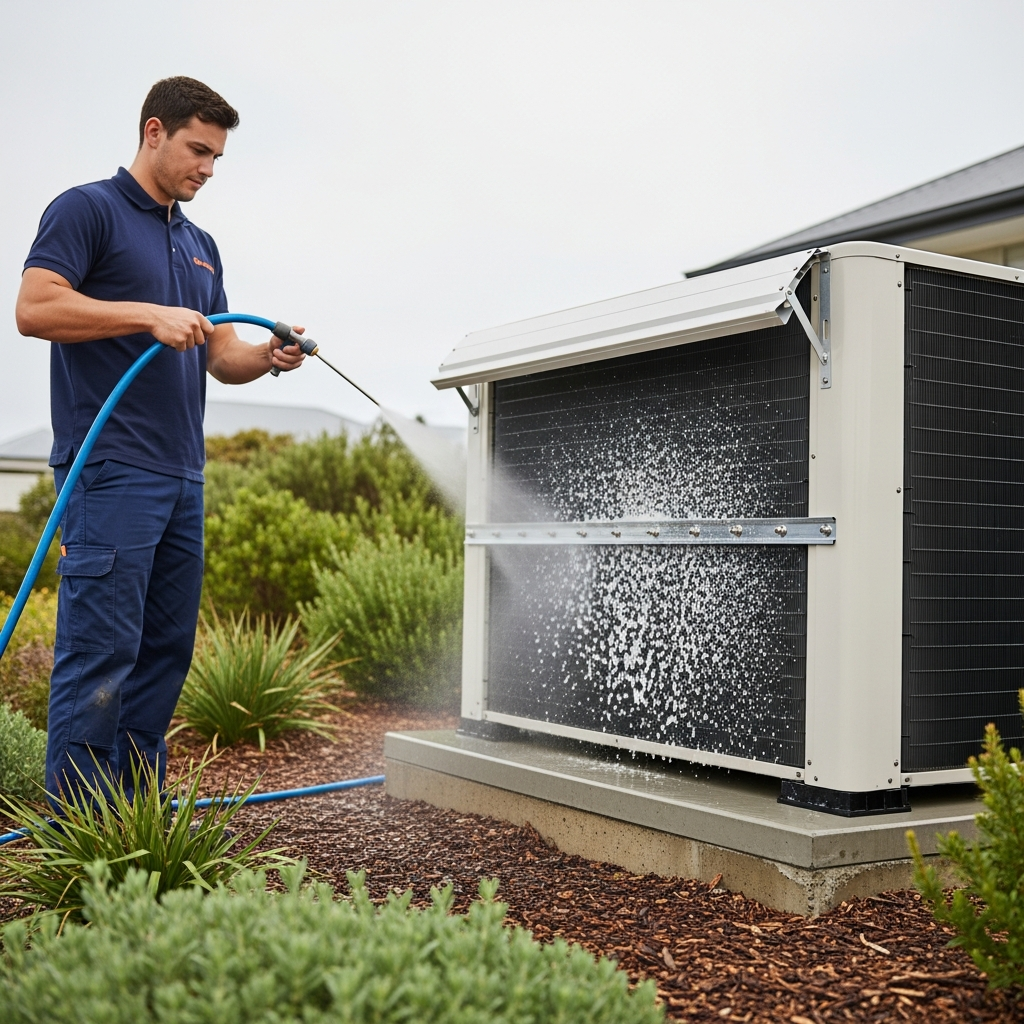
Maintenance is the daily defense. Gentle freshwater rinses (not power-washing) lift salt from fins without bending them, while visual checks catch early rust on brackets or panels. Over time, this cadence preserves efficiency and preserves the quiet that keeps Malibu living serene.
Marine layer moisture and mold risk
When mornings arrive with fog and damp railings, your home absorbs that moisture—especially in shaded rooms and closets that don’t receive much airflow. If AC cycles are short and aggressive, humidity can linger even as temperatures dip, opening the door to mildew smells and latent stickiness. The fix is tuning the system for longer, low-speed operation that allows coils to condense moisture properly. Filters must be clean to maintain airflow, and return paths should invite circulation from tucked-away spaces so no pocket is left stagnant.
For homes with persistent humidity pockets, adding discreet returns or a small, continuous-ventilation strategy evens things out. The goal is a home that dries gently as the day brightens, preventing the musty undertone that can accompany even a well-kept space.
Clogged condensate drains
Coastal air carries organics that love to settle where water lingers. Condensate lines—especially those with flat runs—invite biofilm and algae, eventually slowing or blocking flow. You’ll notice gurgling, intermittent drips where there shouldn’t be, or safety switches tripping on especially damp days. The fix is simple and preventive: periodic line flushing, traps correctly configured for your equipment, and cleanout access that makes quick work of maintenance. Indoors, secondary drain pans with float switches provide a safety net that protects ceilings and finishes.
During remodels, rerouting lines for better slope and fewer elbows reduces the places where growth can take hold. Out of sight doesn’t have to mean out of mind when access is designed smartly from the start.
Wind, grit, and fan performance
Those breezes we celebrate can turn feisty on certain afternoons, driving fine grit into louvers and changing the pressure around outdoor fans. If condenser airflow is compromised, efficiency falls and noise rises. Coastal fixes include wind baffles that tame gusts without choking intake, as well as periodic cleaning of louvers and coils to remove debris. Indoors, ensure return grilles aren’t directly in wind paths from open doors; pressure swings can make systems sound louder than they are and cause doors to thump as air pressure shifts.
Thoughtful landscaping also helps. Low, open plantings allow good airflow while softening wind exposure. What you don’t want are dense shrubs wrapping the unit like a blanket—they trap moisture and grit alike.
Uneven cooling in glass-heavy rooms
Malibu living celebrates glass walls and endless views, but that design can trap heat on summer afternoons. You might feel comfortable near the kitchen island but notice that a sun-drenched seating area stays stubbornly warm. The fix is diffuser strategy: aim throw patterns to brush cool air across the glass so it descends gently into the occupied zone. In some cases, slim ducted or ductless additions dedicated to a problem area bring control without tearing into the entire system.
It’s also wise to coordinate with shading—overhangs, light shelves, and automated shades—to reduce radiant spikes. The AC then works in a steady, quiet cadence rather than a panicked sprint each afternoon.
Thermostat placement and microclimates
One hallway thermostat can’t represent a home as varied as Malibu’s. If it sits in a breezy path or in shade while a west-facing room bakes, the system chases the wrong target. The fix is zoning with distributed sensors that reflect how you actually use the space. Bedroom sensors guide nighttime settings; great-room sensors anticipate sunset heat. The result is less overcooling in some rooms, less undercooling in others, and an overall sense that the system understands your routine.
Small relocations can have large effects. Move a thermostat off a sunlit wall or away from a door that opens to wind, and you remove false signals that spur unhelpful cycles.
Refrigerant leaks accelerated by corrosion
In salty environments, tiny pinholes can develop in unprotected coils, slowly releasing refrigerant. Performance wanes, and the system begins to run longer to do the same job. Coastal fixes start with protected coils and careful brazing practices; ongoing vigilance includes monitoring pressures and superheat/subcooling trends so technicians can spot anomalies early. Prompt attention prevents compressor strain and keeps comfort steady through summer’s peaks.
When replacement is on the table, choosing platforms designed for lower refrigerant volumes and higher efficiency reduces the overall risk profile while improving day-to-day comfort.
Duct leakage and infiltration
Older homes or rushed remodels can leave ducts with gaps that draw in attic or crawlspace air—exactly the air you don’t want in a coastal setting. Signs include dusty supply air, musty smells, and rooms that never quite match the setpoint. The fix is sealing and balancing: mastic or high-quality tape on joints, careful attention at boots and plenums, and a balancing pass that sets registers for the way you live. Tighter ducts mean cleaner, quieter, more efficient operation—and fewer complaints about that one room that always lags.
When ceiling space allows, replacing kinked or undersized runs pays dividends. Air moves gently, sound drops, and the system no longer wastes effort fighting its own pathways.
Power hiccups and recovery
Grid blips do happen. Some systems recover gracefully; others stumble, cycling awkwardly or throwing nuisance errors. Coastal fixes include surge protection, controls that stage a calm restart, and settings that remember zones and schedules without human intervention. The home returns to equilibrium faster, avoiding periods of clamminess or undue heat after an outage.
For homes with solar and storage, control strategies bias operation toward self-generated power, smoothing the ride and preserving battery reserves for evening routines. The outcome: comfort that feels composed even when the grid is not.
Maintenance cadence that matches the coast
Many AC issues are simply the coast asking for attention. Filters in busy summer months, coil rinses after windy periods, a quick inspection of drain lines when marine layers hang around—these small steps keep systems at their best. Malibu equipment thrives on consistency rather than heroics. When maintenance is planned with the rhythm of the seasons, problems shrink from events to footnotes.
Communication matters too. Modern systems can report data points that hint at trouble long before comfort slips. Paying attention to those signals makes fixes faster and less invasive.
When remodels reshape airflow
Add a wall of glass, remove a partition, or vault a ceiling, and air patterns change. If the AC plan doesn’t evolve with the architecture, the home can develop hot and cool pockets. The fix is a light recalibration—register adjustments, added sensors, or in some cases, a strategically placed slim ducted unit that supports a new living area. Malibu homes are living things; their cooling should evolve as readily as their spaces.
Bringing mechanical teams into design early prevents awkward compromises later. A small soffit to carry a duct or a carefully chosen diffuser can preserve both the look and the feel of a room.
Frequently Asked Questions
Q: Why does my AC seem to struggle more after foggy mornings?
A: The marine layer adds moisture that your system has to remove before sensible cooling feels effective. If cycles are short, humidity lingers, making rooms feel warmer and stickier. Tuning for longer, lower-speed operation improves drying and overall comfort.
Q: How often should condenser coils be rinsed near the ocean?
A: Light freshwater rinses after windy or particularly salty days are helpful, with more thorough cleanings scheduled regularly. Avoid power-washing, which can bend fins. The goal is gentle, consistent care that lifts salt without damaging coils.
Q: What’s the best fix for a single hot spot near a glass wall?
A: Adjust diffuser throw to sweep cool air across the glass, add a discreet return to improve circulation, or consider a slim ducted or ductless unit dedicated to that area. Often, small adjustments deliver outsized comfort gains.
Q: Can I prevent drain line clogs?
A: Yes. Proper slope, accessible cleanouts, and periodic flushing keep lines clear. Secondary pans and float switches add protection so a minor blockage doesn’t become a ceiling stain.
Q: How do I know if duct leakage is an issue?
A: Signs include dusty or musty supply air, rooms that chronically underperform, and higher-than-expected runtimes. A pressure test and visual inspection reveal gaps, and sealing with mastic or high-grade tape typically restores performance.
Q: Are wind baffles worth it for coastal condensers?
A: In exposed locations, yes. Properly designed baffles maintain airflow while taming gusts and reducing salt deposition. They should be installed with clearance specs in mind so performance isn’t compromised.
If your Malibu home’s cooling has felt a step behind the weather, a coastal-focused plan can restore calm. With corrosion-aware materials, smarter placement, and a maintenance rhythm attuned to the marine layer, your system can take the ocean in stride. When you’re ready to smooth out the bumps and reclaim that effortless interior climate, start a conversation about air conditioning fixes made for our shoreline. The view won’t change—but the way your home feels will.