
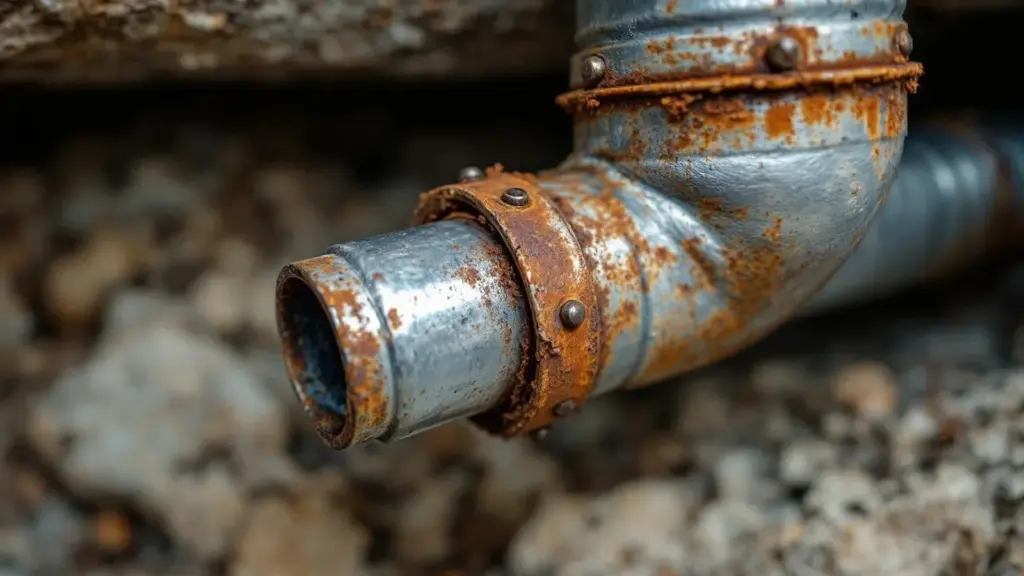
Signs of Corrosion in Malibu Home Ventilation Systems
How do you know if beach air is quietly destroying your heating and cooling vents? When salt-laden marine air enters your home, it interacts with moisture and metal, sparking a chemical reaction that degrades your system. For beachfront properties in Malibu, California, monitoring the structural integrity of your ventilation network is essential to preserving indoor air quality and keeping utility costs manageable. Early detection of rust and metal decay prevents minor oxidation from turning into a complete system breakdown.
1. Reddish-Brown Discoloration on Vent Grilles
The most visible indication of active metal degradation starts at the registers and grilles where air enters your living spaces. When you inspect the slatted metal covers on your walls, ceilings, or baseboards, look closely at the corners and screw holes. A powdery, reddish-brown, or orange residue indicates that moisture in the air has reacted with the iron in the metal. Because Malibu homes experience high relative humidity during early morning marine layer roll-ins, these external metal fixtures are often the first to show cosmetic and structural wear. Ignoring these spots allows the oxidation process to creep backward into the hidden main duct lines, where remediation becomes much more complex and costly.
2. White Powdery Deposits on Aluminum Ducts
Many modern Malibu homes utilize aluminum branch ducts or flexible duct connections rather than traditional galvanized steel. When aluminum oxidizes, it does not produce the classic red rust associated with iron. Instead, it develops a dull, chalky white or grey powder known as aluminum hydroxide. This powdery buildup can easily be mistaken for simple household dust or drywall overspray. However, if you wipe it away and notice tiny pits or a rough, cratered surface on the metal underneath, you are dealing with active marine-induced decay. These microscopic pits eventually grow into pinholes, allowing conditioned air to escape into your joists and crawlspaces.
3. Musty Odors coming from the Air Registers
If you want it handled correctly the first time, consider professional air duct cleaning in Malibu.
When metal oxidizes inside a dark, enclosed ventilation system, it often creates a distinct, metallic, or musty smell that circulates whenever the blower fan turns on. This scent is not merely the smell of old iron; it is often exacerbated by organic material. Flaking rust creates a textured, rough surface inside the sheet metal. This rough surface acts like velcro, trapping moisture, skin flakes, pet dander, and outdoor spores. If you notice a persistent damp odor when your system runs, it is a strong indicator that the smooth protective lining of your metal ducts has degraded, creating a breeding ground for musty contaminants. Scheduling a professional air duct cleaning malibu ca inspection can help identify whether rust or accumulated debris is the primary source of the smell.
4. Rattling, Vibrating, or Whistling in the Walls
As structural degradation progresses, the metal sheets that form your rectangular supply lines lose their rigidity. Well-maintained ducts are stiff and balanced to handle high velocity airflow without moving. However, when salt air eats away at the seams, joints, and support hangers, the metal panels become thin and weak. This structural softening leads to physical movement. You might hear a metallic rattling or popping sound, known as oil-canning, as the system cycles on and off. In other cases, when seals completely erode, high pressure air escaping through tiny, rusted gaps creates a high-pitched whistling sound inside your walls or under the floorboards.
5. The Unique Malibu Marine Layer Acceleration
Home ventilation systems in Malibu face a highly specific environmental challenge due to the local microclimate. Unlike inland Southern California properties, coastal homes here are subjected to daily cycles of fog, salt spray, and shifting winds. The marine layer carries microscopic sodium chloride particles deep into your home ventilation system, where they settle on cold metal surfaces during evening cooling cycles. When the daytime sun warms the house, the combination of salt, warmth, and ambient moisture creates an aggressive electrolyte solution that accelerates the electrochemical degradation of galvanized steel. This relentless cycle is why local properties require dedicated coastal air duct maintenance strategies that go far beyond standard dry-climate filter changes.
Many Malibu homeowners rely on expert air duct cleaning in Malibu for exactly this.
6. Unexplained Spikes in Monthly Energy Bills
When oxidation compromises the seams of your distribution lines, it creates physical gaps and separation between duct sections. Your heating and cooling system relies on a sealed loop to deliver air efficiently. When these gaps open up, pressurized air escapes into unconditioned areas of your home, such as the attic, crawlspace, or wall cavities. This means your system must run longer and work harder to achieve your desired thermostat setting. If you notice your energy usage climbing steadily during seasons of moderate weather, it may be due to thermal loss through eroded, leaking ductwork. A thorough assessment by a licensed malibu hvac contractor can determine if your system is losing conditioned air to the outdoors.
7. Flakes of Rust Collecting on Carpets and Furniture
In advanced cases of internal decay, the structural damage is no longer confined to the inside of your walls. The high velocity air pushing through your system can dislodge loose, oxidized metal scales from the interior walls of your supply lines. These tiny, sharp, brown or orange particles are then blown directly out of the supply registers, settling on carpets, bedding, and nearby furniture. If you find small, dark, granular debris directly beneath your ceiling or wall vents that leaves a rusty streak when wiped up, your internal metal pathways are actively flaking apart. This level of deterioration requires immediate attention to protect both your household surfaces and the mechanical components of your blower motor.
Ready for the next step? Learn how air duct cleaning services in Malibu can help and reach out to the team.
Frequently Asked Questions
Can salt air damage ductwork hidden inside walls?
Yes, salt air can penetrate wall cavities through exterior weep holes, vents, and unsealed gaps, causing quiet oxidation on the outer surfaces of your ducts even if the indoor air feels dry. Over time, this external rust can eat completely through the sheet metal from the outside in.
How often should coastal homes have their ductwork inspected for rust?
Due to the aggressive nature of salt air and high morning humidity, Malibu homeowners should have their ventilation pathways professionally inspected every two to three years. This proactive schedule allows you to address localized oxidation before it spreads throughout the entire system.
Can rusted air ducts be cleaned, or must they be replaced?
If the oxidation is surface-level and the metal remains structurally sound, the surface can often be cleared of debris and sealed. However, if the metal has developed deep pits, holes, or structural sagging, those damaged sections must be replaced to restore proper system pressure and efficiency.
Do you suspect that salt air is taking a toll on your home ventilation system? Contact Smart HVAC System today to schedule a detailed inspection of your ductwork and protect your coastal home’s indoor air quality.