
Why Coastal Salt Air Damages Malibu HVAC Ducts
Ocean breezes carry microscopic salt particles that travel inland, settling deep inside your home ventilation systems. In Malibu, California, where properties sit directly along the Pacific Coast Highway and up into the canyons, this airborne salinity is a constant environmental factor. Over time, the unique seaside chemistry can degrade ductwork materials, leading to restricted airflow, structural weakness, and poor indoor air quality if left unmanaged.
How does marine salt air enter and settle in Malibu HVAC systems?
The gentle onshore winds that define life along the Malibu coast carry aerosolized ocean water, commonly known as marine aerosol. As these tiny, moisture-laden salt particles drift through the air, they easily bypass standard, low-efficiency fiberglass air filters. Once inside the HVAC system, these microscopic salt crystals cling to the damp surfaces of the evaporator coils and the interior lining of your ductwork. Over months and years of continuous operation, this salt accumulates, creating a sticky, corrosive crust. This buildup not only restricts the smooth flow of conditioned air but also acts as a magnet for organic dust and moisture, accelerating the deterioration of the entire distribution system from the inside out.
Why is the chemical reaction of salt particularly destructive to ductwork?
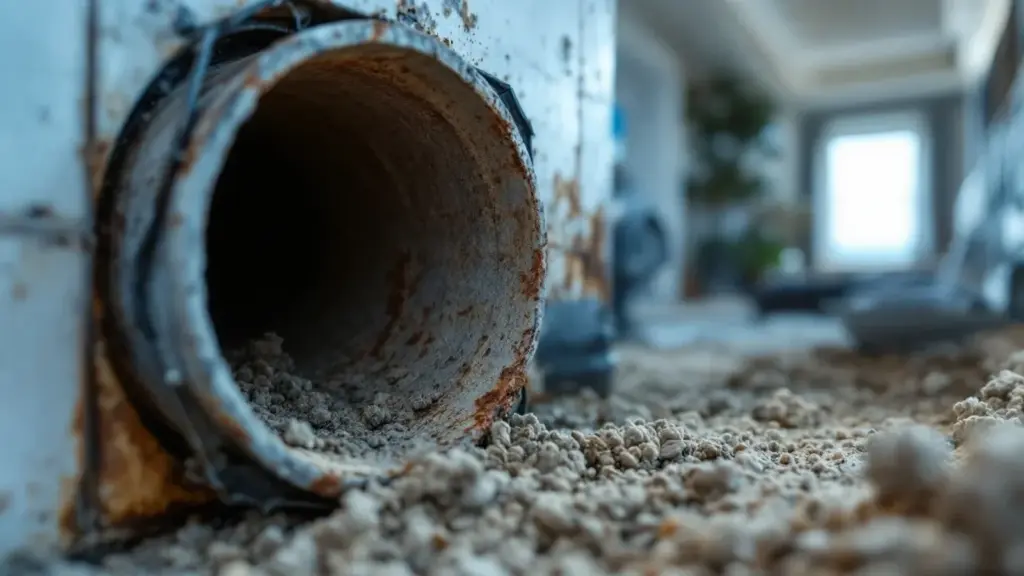
The destructive nature of salt on metals comes down to a process called electrochemical corrosion. Marine salt contains high concentrations of sodium chloride, which acts as an incredibly efficient electrolyte. When moisture from our humid Malibu mornings settles on the metal surfaces of your ductwork, the salt dissolves and breaks down into charged ions. This liquid solution speeds up the natural oxidation process of the metal, stripping away protective coatings on galvanized steel or aluminum ducts. Without regular oversight, this chemical reaction leads to pitting, rust spots, and eventually structural holes. For beachfront homes, addressing this chemical wear is a core component of overall ventilation corrosion management.
Which types of ductwork materials are most vulnerable to coastal damage?
In Malibu coastal environments, the material composition of your ventilation system dictates how quickly it will succumb to the elements. Standard sheet metal ducts made of galvanized steel are highly vulnerable; once the thin zinc coating wears away, the steel underneath rusts rapidly. Flexible ducting, while wrapped in plastic, utilizes internal wire coils for structural support. If salt-laden air penetrates the outer jacket, these thin metal coils corrode and collapse, pinching off airflow entirely. Even duct board systems can absorb moisture and salt, leading to structural sagging and fiber breakdown. Understanding these vulnerabilities is why regular inspections are so critical for maintaining system integrity over the years.
If you want it handled correctly the first time, consider professional air duct cleaning in Malibu.
How does Malibu’s unique local microclimate accelerate duct deterioration?
Malibu features a highly specific coastal microclimate characterized by dense morning marine layers, high humidity, and dramatic temperature swings between the beach and the canyons. This cycle of heavy morning fog followed by warm afternoon sun creates a repeating condensation loop inside unconditioned spaces like crawlspaces, attics, and joist bays where ductwork is typically routed. When the moist marine air cools inside the ducts, it condenses into liquid water. This constant moisture reactivation of the salt residue inside the system creates a permanent corrosive bath for your ductwork. This local environmental cycle makes consistent post-beach ventilation care and systemic maintenance absolutely necessary for local properties.
What are the primary signs that salt air has compromised your ductwork?
Homeowners can often spot the warning signs of salt damage before a total system breakdown occurs. One of the first indicators is the appearance of fine white powder or rusty flakes around supply registers and return grilles. You might also notice a musty, metallic odor when the heating or air conditioning first kicks on, which indicates moisture retention and oxidation inside the system. Physical signs include sagging flexible ducts in the attic or visible rust streaking along the seams of metal pipes in your crawlspace. If you notice localized drafts or a sudden drop in airflow to certain rooms, it often means the corroded duct walls have breached, allowing conditioned air to escape into your building cavities.
How does salt-damaged ductwork impact home energy efficiency and utility costs?
When salt-induced corrosion creates pinholes, cracks, or disconnected joints in your ductwork, your HVAC system has to work significantly harder to maintain comfort. Conditioned air escapes into unconditioned attics or under-floor spaces, while unconditioned, humid crawlspace air is pulled into the living areas. This loss of pressure forces the blower motor to run longer cycles, which rapidly increases electricity consumption. Furthermore, salt buildup on the interior duct walls creates surface friction, disrupting the smooth laminative flow of air. To counteract this loss of efficiency and protect your system, scheduling professional coastal air duct maintenance is a highly effective way to restore proper system balance and lower monthly energy usage.
Many Malibu homeowners rely on expert air duct cleaning in Malibu for exactly this.
Can regular cleaning prevent the long-term effects of salt air corrosion?
While cleaning cannot reverse structural metal loss that has already occurred, regular, professional cleaning is the most effective preventive measure to halt the progression of salt damage. Removing the accumulated salt crust deprives the electrochemical process of the electrolyte it needs to cause corrosion. When a skilled technician clears out the salt, dust, and moisture-holding organic debris, the dry metal surfaces are no longer subjected to continuous chemical attack. Utilizing specialized local service providers ensures that these delicate components are cleared safely, without damaging the fragile material linings of your system.
Why should Malibu homeowners rely on a professional malibu hvac contractor for seaside care?
The coastal conditions of Malibu demand specialized knowledge that generic mainland service providers often lack. A professional malibu hvac contractor understands how to handle delicate, salt-weakened duct materials without causing further structural damage. Trained technicians utilize specialized negative-pressure vacuum systems equipped with HEPA filtration to safely extract salt residues and debris without releasing them into your living space. They can also assess whether certain sections of your ductwork are candidates for sealing or if they require targeted replacement. This professional expertise ensures your home ventilation system remains robust, efficient, and clean despite the harsh, salty elements right outside your door.
Summary of Coastal Protection
Living along the Malibu coastline offers unparalleled beauty, but the marine air requires proactive maintenance to protect your home’s infrastructure. Salt air corrosion is a silent process that can quietly compromise your indoor air quality and drive up energy costs. By understanding the chemical impact of salt on your ventilation and staying ahead of the wear with professional air duct cleaning malibu ca, you can preserve the efficiency of your system and enjoy fresh, clean air in every room of your coastal home.