
How to Estimate Beachfront Duct Restoration Costs in Malibu
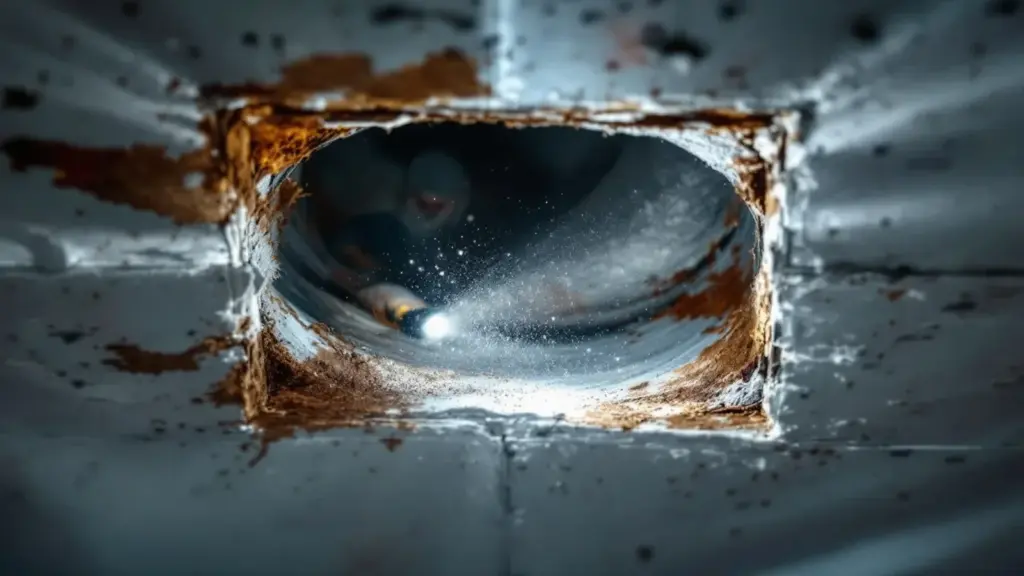
Ignoring the hidden spaces inside your heating and cooling system can lead to quiet, compounding damage that compromises your indoor climate. Over time, the moisture-laden sea breeze carrying microscopic salt particles deposits sticky residue throughout your ventilation system, accelerating corrosion and trapping debris. In Malibu, California, where stunning beachfront homes face the relentless elements of the Pacific, delaying professional maintenance can lead to premature system failure, poor airflow, and degraded indoor air quality. Understanding the variables that shape the cost of air duct cleaning malibu ca is essential for protecting your coastal investment.
Before You Start: What You Will Need
To accurately assess the scope and potential cost factors of your beachfront ventilation restoration project, gather the following information before contacting a local specialist:
- Original Blueprints or HVAC Layouts: Knowing where your duct runs travel, especially in multi-level oceanfront homes, helps identify potential access issues.
- System Age and Material Records: Identify whether your ducts are made of sheet metal, fiberglass duct board, or flexible plastic.
- Visual Inspection Notes: Check for visible rust around supply registers, white powdery salt deposits on grilles, or musty odors when the fan kicks on.
- Service History: Note the last time your system was professionally cleaned, repaired, or inspected.
Step 1: Identify Your Ductwork Material and Vulnerabilities
The first factor influencing the cost of ocean air duct cleaning is the composition of your home’s air distribution system. Beachfront properties in Malibu feature a wide range of architectural styles, each utilizing different duct materials that interact uniquely with coastal humidity:
- Sheet Metal: Highly durable but prone to corrosion at joints and seams if the protective zinc coating wears away under the influence of marine air.
- Fiberglass Duct Board: Excellent for insulation, but its porous surface can trap salt crystals and moisture, making deep remediation more labor-intensive.
- Flexible Ducting: Common in tight spaces, but fragile. It must be handled with extreme care to prevent tears during mechanical brushing, which can increase the time required for a safe, thorough cleaning.
To understand how ocean air impacts these materials over time, you can read our detailed guide on coastal salt air HVAC damage in Malibu.
Step 2: Assess Access and Architectural Complexity
Malibu’s coastal architecture often incorporates custom designs, vaulted ceilings, and multi-story layouts built directly over the sand. Accessibility plays a major role in labor costs. Technicians must be able to reach every run of your system to perform a complete cleaning. Homes built on piers or stilted foundations may have ductwork routed through tight, damp crawlspaces underneath the house, requiring specialized safety equipment and protective gear. High, hard-to-reach ceiling vents require ladders or scaffolding, extending the setup and teardown times for the service crew. The more complex the physical footprint of the home, the more hours must be dedicated to securing proper access to the entire system.
If you want it handled correctly the first time, consider professional air duct cleaning in Malibu.
Step 3: Measure the Level of Salt Encrustation and Contamination
Standard household dust is light and dry, but coastal air introduces high humidity and salt spray. This combination transforms typical dust into a heavy, sticky, saline paste that clings tenaciously to the inner walls of your ductwork. Removing this stubborn layer requires more than a simple vacuum sweep; it often demands advanced mechanical brushing, agitation tools, and specialized contact cleaning. If the salt-laden moisture has already initiated oxidation, technicians must also address rust flakes and protect weakened metal. Homeowners who notice these early warning signs should consult our resource on signs of corrosion in Malibu heating ducts to evaluate the structural integrity of their systems.
Step 4: Count the Number of Zones and Runs
Most professional ventilation cleanings are scaled by the size of the system, which is determined by the total number of supply vents, return grilles, and independent heating or cooling zones. Large beachfront estates often feature multiple dedicated air handlers and extensive duct networks to manage different floors or wings of the property. Cleaning a multi-zone system requires sealing off each zone individually to maintain the negative air pressure necessary for a containment-based cleaning. The more zones and branches your home has, the more time and specialized equipment will be required to execute the process without cross-contaminating your living spaces.
Step 5: Determine the Need for Sanitizing and Sealing Treatments
Once the physical debris, salt buildup, and dust are extracted, beachfront homes frequently benefit from secondary treatments to preserve the clean environment. High relative humidity along the Malibu shoreline can create conditions where organic growth thrives inside dark duct passages. Applying EPA-approved, scent-free sanitizing agents can help inhibit this growth. Additionally, if the cleaning process reveals minor air leaks or loose joints caused by age and salt-induced degradation, sealing those leaks helps restore system efficiency and prevents humid beach air from being sucked into the crawlspaces or attic runs.
Step 6: Evaluate Filtration and Preventative Additions
A final element of a comprehensive restoration project is upgrading your system’s filtration to prevent future ocean-air intrusion. Installing high-efficiency media filters, moisture-resistant grilles, or marine-grade outdoor enclosures helps protect your newly cleaned ductwork from rapid re-contamination. Discussing these upgrades during your initial evaluation allows you to bundle preventative measures with the primary cleaning, saving time and ensuring your system is optimized for the harsh coastal climate.
The Malibu Coastal Climate Factor
Many Malibu homeowners rely on expert air duct cleaning in Malibu for exactly this.
The unique geography of Malibu, stretching along a narrow strip of coastline between the Pacific Ocean and the Santa Monica Mountains, subjects residential HVAC systems to intense environmental pressure. The marine boundary layer brings persistent morning fog, high relative humidity, and salt-laden sea breezes that can travel miles inland. This microclimate accelerates the breakdown of traditional building materials. In older Malibu homes, particularly those built along Broad Beach, Malibu Road, or the Point Dume bluffs, older galvanized ductwork often suffers from advanced rust because of decades of exposure. Younger properties with modern zoning systems still face rapid salt accumulation on damp indoor evaporator coils and within return air paths. Regular maintenance is not merely an aesthetic choice in this region; it is a critical preservation step to combat the corrosive seaside atmosphere.
When to Call a Professional in Malibu
While homeowners can easily replace filters and wipe down exterior register grilles, deep duct restoration requires commercial-grade negative air machines, high-output compressors, and specialized HEPA filtration. Attempting a DIY cleaning of your ventilation system can push accumulated salt and dust deeper into the walls, damage fragile flexible ducting, or release contaminants into your living spaces.
If you are ready to have your system professionally serviced, it is crucial to work with an experienced oceanfront HVAC contractor who understands the specific demands of marine environments. Professional intervention is highly recommended if you notice air whistling, reduced airflow from your registers, visible rust staining around vents, or if you are wrapping up a major renovation. For post-construction or seasonal cleanup tips, refer to our guide on post-beach ventilation care in Malibu.
Frequently Asked Questions
How often should beachfront homes in Malibu have their ducts cleaned?
Due to the high moisture and salt content in the air, beachfront properties generally require inspection and cleaning every two to three years, compared to the standard three to five years recommended for inland homes.
Does salt air damage standard flexible ducting?
Yes, while the plastic liner of flexible ducts does not rust, the wire helix reinforcing the duct can corrode if moisture penetrates the outer jacket, leading to eventual collapse or tears.
Can duct cleaning help improve my system’s cooling efficiency?
Removing thick layers of sticky, salt-laden dust from the duct walls and registers restores designed airflow, reducing the strain on your air handler and helping your system cool your home more effectively.
Keep Your Coastal Home Fresh and Efficient
Protecting your beachfront property from the subtle, continuous wear of coastal salt air requires proactive care. Investing in professional inspection and cleaning for your ventilation system helps preserve your indoor comfort and ensures your heating and cooling equipment operates reliably year after year. When you need expert care tailored to the Malibu coastline, trust a qualified Malibu HVAC contractor to deliver thorough, high-standard maintenance. Contact us today to schedule a comprehensive evaluation of your home’s air distribution system.