
Malibu homes have a way of surprising even seasoned installers. One day you’re routing a lineset through a classic beach cottage with original plaster; the next, you’re balancing airflow in a hillside home with a glass-wrapped great room that soaks up late sun. Our coastal weather and topography add layers of complexity, from the marine layer’s dampness to salt air’s corrosive bite. Over the years, I’ve noticed patterns—recurring challenges that can undermine comfort and shorten equipment life if they’re not addressed proactively. If you’re planning air conditioning installation in Malibu, knowing these common issues helps you ask sharper questions and get a result that feels right from day one.
Most problems don’t come from bad equipment; they come from design shortcuts or rushed workmanship. The good news is that each pitfall has a clear solution, and most can be avoided entirely with disciplined planning, testing, and attention to how Malibu’s microclimates and building styles interact.
Improper Sizing and Short Cycling
Oversizing is one of the most frequent missteps. A system that’s too powerful cools the air quickly but doesn’t run long enough to remove moisture, leaving rooms cool but clammy on foggy mornings. It also tends to roar on and off, which is disruptive and hard on components. The antidote is a proper load calculation that accounts for glass exposure, shading, insulation, and even canyon winds. Inverter-driven systems help by matching output to real-time needs, but they still need to be sized correctly to achieve that smooth, quiet operation Malibu homeowners expect.
Undersizing creates its own frustration, especially in spaces with floor-to-ceiling windows or vaulted ceilings that trap heat. The system runs constantly, never quite catching up, and wear accelerates. The cure is the same: data-driven design that maps each room’s needs and pairs them with ductwork and registers that can deliver.
Airflow Imbalances and Noisy Ducts
Another frequent complaint is noise—whooshing, rattling, or the feeling that the system is blasting air in one room while barely reaching another. This usually traces back to undersized returns, too-sharp duct transitions, or registers that don’t suit the airflow. Malibu remodels sometimes layer new ducts onto old ones, and the patchwork can choke the system. The solution is to treat airflow like plumbing: smooth paths, proper diameters, and balanced distribution. When we test static pressure and adjust dampers, add or resize returns, and rework tight turns, the system quiets down and comfort evens out.
Sound also reflects off hard surfaces. Placing returns away from echo-prone corners and choosing registers that diffuse air can make a big difference. It’s design work more than gadgetry, and it pays off nightly when bedrooms stay tranquil as the system idles along.
Coastal Corrosion and Outdoor Unit Placement
Salt air encourages rust on coils, fasteners, and cabinets. Outdoor units too close to sprinklers, low spots where water pools, or tight alcoves with poor airflow fare worse. We avoid those traps by using coastal-rated materials, elevating and securing the condenser on a stable pad, and keeping clearances that let breezes sweep salt mist away. Gentle rinsing during heavy salt periods also helps, but the real win is getting placement and materials right from the start.
Noise and view protection come into play here as well. Side yards near bedrooms, walled courtyards, or spots facing neighbors can magnify sound. A few feet of thoughtful relocation, slight orientation changes, or modest sound-attenuating fencing can significantly improve the experience.
Leaky Ducts and Missed Commissioning Steps
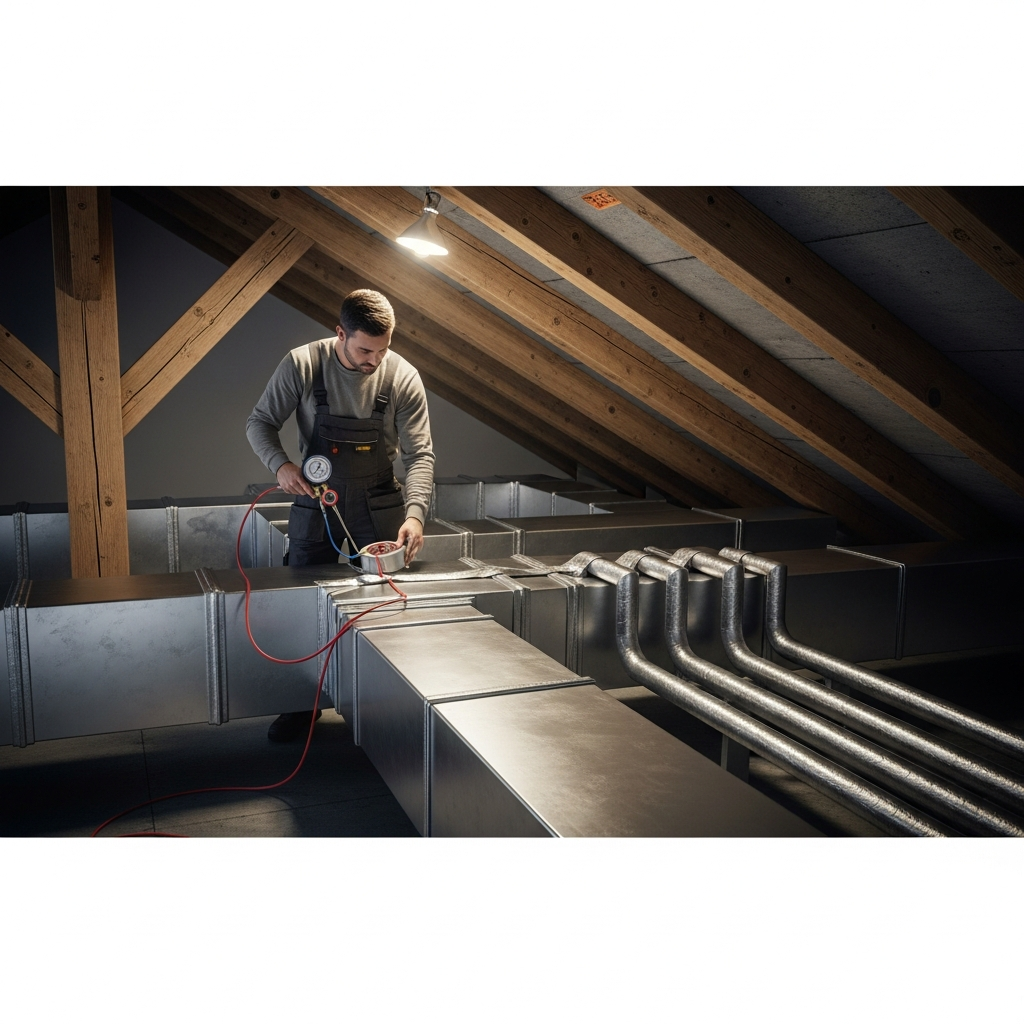
Duct leakage is a silent thief of performance. Air paid for at the condenser ends up cooling attics or crawlspaces instead of rooms. In Malibu’s energy code framework, duct sealing and verification are standard, but hurried projects sometimes treat them like boxes to check. True commissioning includes leakage testing, static pressure measurement, confirmed refrigerant charge, and control calibration. When those steps happen, the difference is immediate: registers deliver the right airflow, temperatures stabilize, and the system runs quieter and longer at low speeds.
Register and grille selection also matters. A gorgeous room can feel drafty if the register throws air directly at a seating area, or it can end up with streaks on the wall if return placement isn’t balanced. These are the small touches that separate a merely functional install from a great one.
Condensate Drainage and Water Damage Risks
Attic air handlers and fan coils are common in Malibu, especially in remodels. Without careful condensate routing and safety switches, a clogged drain can lead to ceiling stains or worse. We design positive drainage with cleanouts, slope the lines correctly, and add float switches that cut power if water rises. In high-salt, dusty, or smoky periods, regular maintenance keeps the evaporator coil and drain pan clean, reducing the risk of clogs. It’s not glamorous work, but it protects finishes and keeps surprises at bay.
On the exterior, condensate should discharge where it won’t stain stucco or create slippery spots. Routing that’s both discreet and accessible for service is the hallmark of thoughtful planning.
Thermostat Placement and Control Logic
I’ve seen thermostats sunning themselves on west walls, right where late light tricks the system into overcooling. I’ve also seen controls mounted near supply registers, where cool air fools the sensor. The fix is to place thermostats on interior walls away from heat sources and drafts, and to configure control logic—schedules, fan modes, and staging—to fit your routine. Smart thermostats can learn patterns, geofence your arrival, and pre-cool spaces, but they still rely on good placement and commissioning to deliver their best.
Zoning missteps show up often, too. Too many zones without airflow safeguards can starve the system; too few leave rooms with distinct needs fighting each other. Balancing damper control with bypass strategies and correct minimum airflow keeps equipment happy and rooms consistent.
Coastal Regulations, Permitting, and Documentation
Malibu’s permitting environment protects safety, views, and community character. Skipping permits or under-documenting work can cause headaches later, especially during remodels or sales. Proper permits, Title 24 compliance, and inspection sign-offs confirm that duct sealing, electrical work, and equipment sizing meet standards. They also help when future owners or tradespeople need to understand the system’s design. Doing the paperwork right is part of doing the installation right.
Where the Coastal Zone applies, exterior placement and visual impact call for extra thought. Good planning anticipates those needs, reduces back-and-forth, and preserves timelines. The end result is an installation that feels integrated rather than tacked on.
Ignoring Maintenance From Day One
A new system may feel like a set-and-forget purchase, but Malibu’s environment will test any complacency. Planning filter access, coil protection, and service clearances during installation makes maintenance easy—and that’s what keeps efficiency high and noise low over time. Coastal rinse routines, seasonal inspections, and smart alerts from connected thermostats catch small issues before they grow.
The thread through all these issues is respect for design and place. Malibu isn’t a challenge to beat; it’s a setting to understand. When installation aligns with that understanding, systems run quietly, last longer, and make homes feel settled and serene.
Frequently Asked Questions
How do I know if my system is sized correctly?
A proper load calculation considers window area, orientation, insulation, air leakage, and room usage. If your system cycles frequently, leaves rooms clammy, or struggles in the afternoon, it may be oversized or undersized. Commissioning tests and a room-by-room assessment reveal the truth and guide corrections.
What’s the best way to protect outdoor units from salt air?
Use coastal-rated coils and components, elevate the unit on a stable pad, keep sprinklers away, and preserve airflow with clearances that let breezes move salt mist along. A gentle rinse during heavy salt periods and periodic inspections go a long way toward preventing corrosion.
Can duct issues really cause that much noise?
Yes. Undersized returns, sharp transitions, and high static pressure force air to rush and whistle. Correcting those details—adding returns, smoothing transitions, and balancing dampers—usually quiets the system dramatically while improving comfort.
What prevents condensate leaks from attic units?
Good slope, cleanouts for maintenance, secondary drain pans where required, and float switches that shut the system down if water rises. These safeguards, paired with routine maintenance, protect ceilings and finishes from unexpected water events.
Do I need permits for a replacement unit?
Yes. Permits ensure electrical safety, duct sealing, and code compliance. They also provide documentation that helps with future renovations and real estate transactions. In Malibu, thoughtful planning also considers coastal guidelines for exterior placement where applicable.
If you want your project to start strong and stay strong, partner with a team that treats design, testing, and coastal durability as nonnegotiable. We’ll assess your home, explain options in clear terms, and deliver a system that feels calm, clean, and consistent. When you’re ready to move forward with air conditioning installation that avoids common pitfalls, we’re here to make the experience straightforward and satisfying from the first site visit to the final walkthrough.