
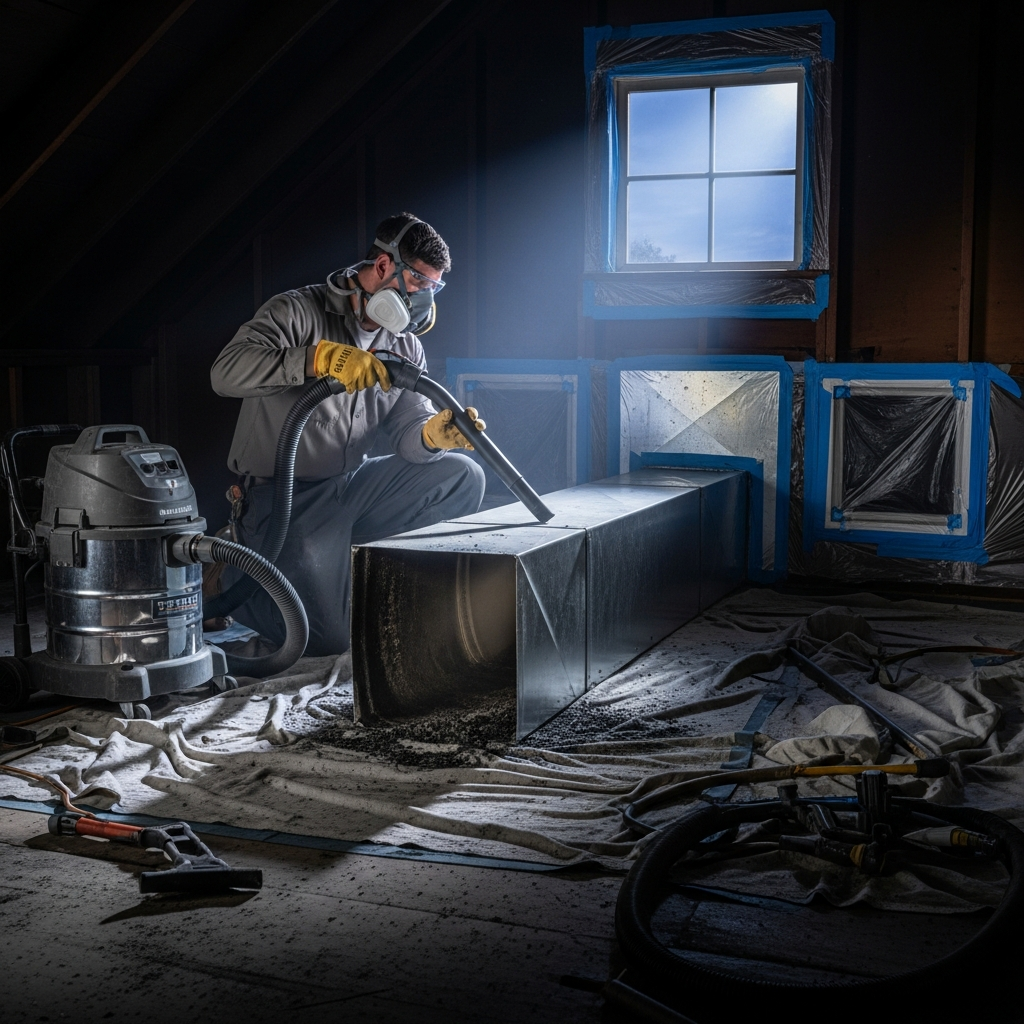
When autumn light turns crystal-clear over the Santa Monica Mountains and the air drifts downslope in warm, insistent gusts, Malibu residents know to take stock. We tidy yards, check emergency kits, and scan air quality reports with a practiced eye. Even when flames never crest the ridgeline, smoke often does, seeping into homes in ways that are both subtle and stubborn. After the ash settles and the winds ease, many of us discover a second season embedded indoors: a faint campfire note in the hallway, dust that seems darker than usual, and vents that release a memory of the weeks just past. This is where air duct cleaning earns its place in a wildfire plan for Malibu—less as a luxury and more as a restoration that helps your home exhale the smoke it has held.
Smoke behaves differently from ordinary household dust. Its particles are tiny, buoyant, and stubbornly adhesive. They slip past small gaps, ride along clothing, and wait in the stillness of closed rooms. Inside a duct system, those particles settle on surfaces, lodge in ridges of flexible runs, and collect at low points in long trunks. Even with doors and windows shut, normal household activity can draw smoke indoors through minute openings, and your HVAC system, if running, dutifully carries those intruders throughout the house. Days or weeks later, when the sky is blue and the hills are green again, the ghost of smoke remains in the pathway that moves your daily air.
Malibu’s geography complicates the picture. Homes cling to slopes, stack across multiple levels, and often rely on long duct runs to reach a far office or guest suite. Some sit near canyons that act like wind tunnels during Santa Anas, funneling dust and smoke directly toward eaves and vents. Beach-adjacent properties face a different mix: a daily marine layer and a salt touch that join the smoke residue inside ductwork, creating a slightly tackier surface for particulates to cling to. Any plan to restore indoor air after wildfire season must respect these nuances of design and location.
The maintenance rhythm of a Malibu home adapts around fire weather. Early in the season, many families swap filters, schedule tune-ups, and walk through the house to confirm that returns are unobstructed and registers seat properly. During smoke days, homeowners monitor outdoor conditions and, when possible, run systems in modes that limit outside air intake while maintaining indoor comfort. After the event, the questions begin: Is the odor I smell from carpets and furnishings or something deeper in the system? Are my filters the only thing that took on the soot, or has it settled into the ducts themselves? The answers come from a visual and olfactory inspection, and sometimes from the simple test of time—if, after fresh filters and thorough surface cleaning, the smoky note persists when the blower starts, the duct pathway likely needs attention.
Cleaning after wildfire exposure is both art and discipline. The art is in isolating the parts of the system that collected the most residue and prioritizing them without over-treating the rest of the house. The discipline is in containment—sealing registers, maintaining strong negative pressure, and using HEPA-filtered collection so that what is loosened is also captured. Flexible ducts, common in Malibu attics, demand a gentle technique that agitates residue from the ridges without tearing the liner. Metal trunks accept brush systems, but elbows and tees still call for finesse to avoid simply relocating soot down the line. Throughout, protecting furnishings and ensuring dust does not migrate into living spaces turns a challenging job into a smooth restoration.
Odor is the telltale symptom many homeowners want resolved first. Smoke smell is not just fragrance; it is chemistry carried on particles. Remove the particles and you remove the smell. That simple truth guides effective post-wildfire duct cleaning. While some may ask about deodorizers or foggers, these are best considered after thorough mechanical removal of residue and only when a specific need remains. Low- or no-VOC treatments can be helpful in targeted areas, but the star of the show is always the negative-pressure extraction paired with appropriate agitation.
There is a health angle that deserves careful language. Clean ducts do not cure medical conditions, but they can reduce the recirculation of irritants that aggravate sensitive airways. For households with asthma or allergies, especially after a season of living indoors with closed windows, the difference between air that is invisibly smoky and air that is neutral can feel significant. Kids doing homework at the kitchen island, a grandparent visiting for the holidays, or a pet that prefers the cool tile near a vent all benefit from a pathway that is not shedding remnants of last month’s sky.
Energy and comfort join the conversation too. Residue on interior duct surfaces and across coils adds resistance, and resistance forces the system to work harder than it should. After cleaning, airflow relaxes. Rooms settle into their setpoints with less drama, and the thermostat’s dance becomes calmer. That matters particularly in sprawling Malibu homes where a single system may serve far-flung rooms. When air moves without friction, distant spaces stop feeling like afterthoughts.
Because wildfire smoke is cyclical, many homeowners ask about timing. An inspection soon after air quality improves provides clarity. If filters are visibly dark, if returns show smudging, or if the odor test—turning the fan on and noticing that unmistakable scent—confirms the presence of residue, cleaning sooner pays dividends. Delay can allow soot to mingle with the everyday dust and salt that Malibu life inevitably brings, creating a stickier matrix that clings harder to duct surfaces. Early intervention is simply easier and more effective.
Preparation helps the process go smoothly. Before a crew arrives, note rooms where the odor is strongest, and think back to how you ran the system during smoke days. Did you keep the fan circulating to even out temperatures, or did you shut the system down entirely? Those details help pinpoint where residue may have concentrated. After cleaning, match your filter choices to the coming season, balancing capture efficiency with the blower’s comfort zone so you do not trade residue removal for a too-restrictive media that provokes noise and pressure drops.
Malibu’s sense of stewardship extends to how we manage the cleaning itself. Ask for methods that emphasize containment and responsible waste handling. HEPA-filtered collection and careful sealing minimize what escapes into rooms and out to the neighborhood air. If any treatment is considered, request low- or no-VOC products and a rationale for their use. This restraint aligns your indoor recovery with the broader environmental ethic that guides so many choices here on the coast.
The psychological reset is real, too. After weeks of smoke maps and gusty forecasts, a home can feel taut, holding its breath. The day after a careful cleaning, when the system cycles on and delivers nothing more than cool, neutral air, the tension releases. Shelves stay cleaner. Mornings smell like the ocean again, not like memory. Movie night feels simple. That is the role air duct cleaning plays in a Malibu wildfire plan: it restores the baseline, letting comfort slip back into invisibility.
Maintenance after the fact is straightforward. Keep an eye on returns, especially in high-traffic areas where soot tracked on shoes can become a local source of recirculation. Vacuum and wipe grille faces when you see a fine gray film. Replace filters promptly when they darken, and avoid overextending high-efficiency media after a heavy smoke event. Small habits extend the gains of a deep clean and prepare the home for whatever the next season brings.
There is room for optimism in this rhythm. Wildfire seasons ebb and flow, but Malibu households get better at meeting them each year. We gather go-bags, check gutters, and build air plans that include comfort and health. In that plan, duct cleaning is not a constant chore; it is a strategic reset after an extraordinary stress on your home’s lungs. Treat it that way—precisely timed, well executed, and folded into a broader routine that celebrates our coastal life.
As you make this plan, keep the central decision simple. If, after fresh filters and surface cleaning, you still catch a smoky note when the system starts, your ducts are asking for attention. Choose a partner who understands Malibu’s hillsides, our marine layer, and the way Santa Ana winds work a house. Midway through your preparations or right after the smoke lifts, schedule professional air duct cleaning so your system can move air with the effortless quiet you remember from before the winds rose.
How soon after a smoke event should I consider cleaning?
As soon as outdoor air quality stabilizes and you have replaced filters, do the smell test. If turning the fan on releases a clear smoke note, schedule an inspection. Early cleaning removes residue before it mixes with everyday dust and salt, making the process more effective.
Will cleaning remove all traces of smoke odor?
In most cases, yes—provided residue in the ducts and on key components is the source. Mechanical removal under negative pressure captures the particles that carry the scent. If furnishings or carpets also hold odor, addressing them in tandem ensures a full reset.
Can I rely on high-efficiency filters instead of cleaning?
Filters are vital, especially during smoke days, but they work best in clean systems. When ducts hold residue, filters end up repeatedly straining the same particles, which shortens their life and can restrict airflow. Cleaning the pathway and selecting appropriate filters deliver the best results together.
Is the process safe for flexible ducts common in Malibu homes?
Yes, when performed with the right tools and a gentle technique. Flexible ducts require careful agitation and strong containment to avoid damage and to capture loosened soot. Experienced teams clean flex runs effectively while preserving their integrity.
How will I know the cleaning worked?
You will notice it first by smell—or the absence of it. Air will feel neutral when the system starts. Dust on surfaces will accumulate more slowly, and rooms will reach set temperatures without the blower sounding strained. These everyday signals are the best confirmation.
If you want your home to release the last echoes of wildfire season and return to quiet, effortless comfort, take the next steady step. Talk through your layout, describe how smoke days felt, and then schedule professional air duct cleaning with a Malibu-focused team that treats your home—and our coastline—with care.