
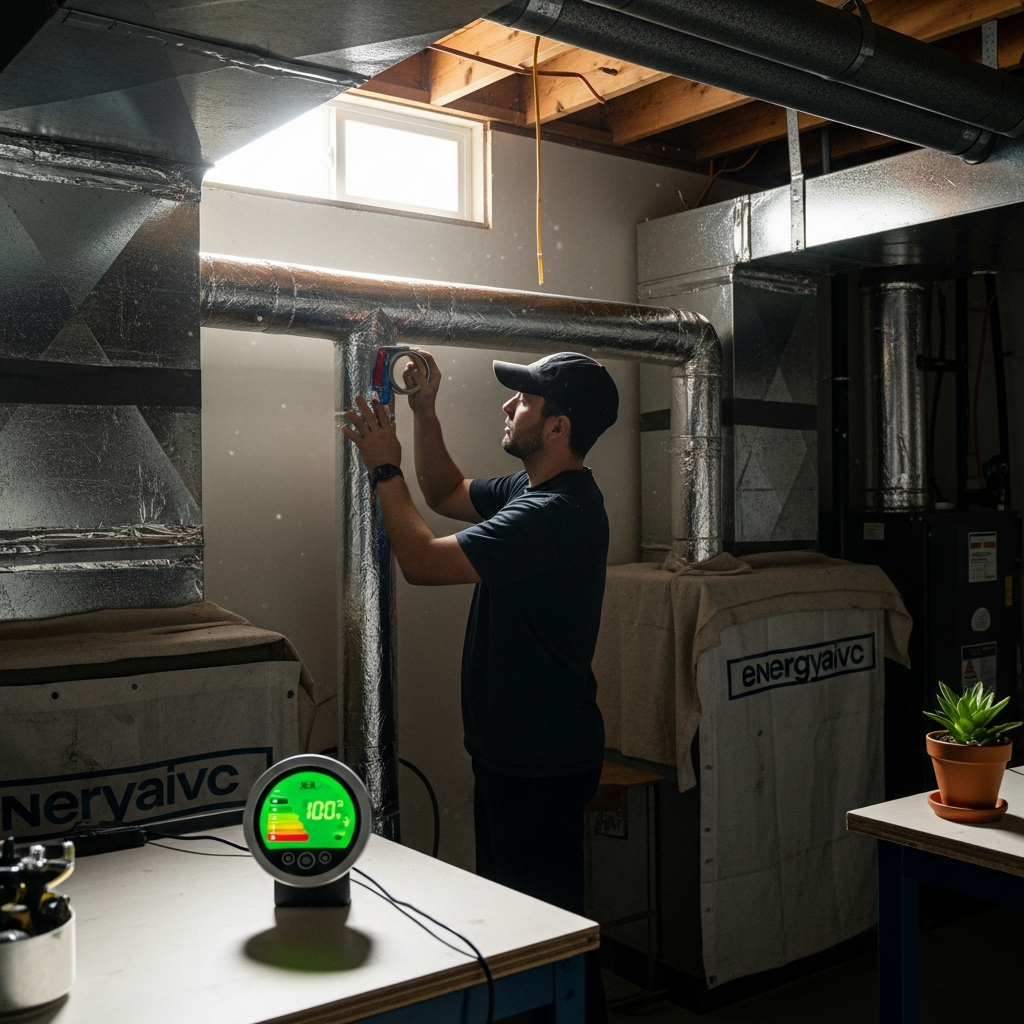
In Malibu, where the mountains lean toward the Pacific and every clear day feels like borrowed treasure, environmental choices carry a little extra weight. We recycle diligently, we think about water use in long dry spells, and more of us each year choose high-efficiency appliances and thoughtful building materials. The hidden systems in our homes deserve the same attention. Air duct cleaning, at its best, is not just a chore for tidiness or comfort; it is a practice with environmental implications that ripple from your utility bill to the broader air we share. When ducts are maintained with care, the result is lower energy demand, fewer wasted materials, and a home that works in harmony with the coastal climate.
Begin with the most immediate link between ducts and the environment: energy. Your HVAC system is among the largest energy users in a typical home. Debris inside ducts and across blower components creates drag and resistance. That friction forces the system to run longer to meet the same thermostat setting. Even small inefficiencies compound over months of heating and cooling. Clean ducts reduce that resistance, allowing air to travel with less effort. In practice, homeowners experience shorter runtimes, more even temperatures, and fewer episodes of the blower surging or short cycling—all of which point to a gentler energy footprint.
Malibu’s unique climate amplifies these gains. Cool evenings and warm days mean many homes run systems in short bursts, often switching between mild heating and cooling. In such conditions, a system that breathes easily can make subtle, frequent adjustments without straining. That saves energy and reduces wear on parts. When equipment avoids the stress of pushing through dust-choked pathways, it tends to last longer. Fewer replacements and repairs mean fewer materials manufactured, transported, and eventually recycled or discarded.
Another layer of environmental impact is indoor air quality itself. Clean ducts limit the recirculation of pollutants, which matters for personal health, but it also intersects with the way we ventilate our homes. In Malibu, many of us relish open windows, yet on days of high pollen or distant wildfire smoke we must rely on our mechanical systems. When those systems are clean, filters perform more effectively, capturing particulates without being overwhelmed by a storm of recirculated dust and lint. Efficient filtering supports lower fan speeds and lets us run systems only as much as needed, reducing overall energy consumption.
The cleaning process can be either environmentally wise or wasteful, depending on technique and materials. A conscientious approach uses strong negative pressure and targeted agitation to remove debris while preventing re-release into living spaces. Containment is key, not only for cleanliness but to keep particle-laden air out of the neighborhood. HEPA filtration on equipment ensures captured dust stays captured. Disposable items—bags, covers, and wipes—should be minimized and chosen for low environmental impact, while durable drop cloths and reusable barriers reduce waste. In this respect, a well-run cleaning looks as much like good housekeeping as it does like mechanical service.
Chemical use is another area where choices matter. Some situations justify antimicrobial treatments or coil cleaners, but the default should never be blanket application. Low-VOC or VOC-free options exist, and spot treatment guided by evidence—visible growth, specific odors, or lab confirmation where appropriate—keeps chemistry targeted. Inside the close envelope of a home, restraint is a virtue. Teams that prioritize mechanical removal of debris and moisture control reduce the need for solvents and foggers, protecting indoor air now and preserving the broader environment later.
Duct integrity and sealing, often addressed during a cleaning, yield environmental dividends that extend beyond cleanliness. Leaky ducts on the return side draw in dusty attic or crawlspace air, which then must be conditioned. On the supply side, leaks waste conditioned air into spaces that do not need it. Both scenarios raise energy use and transport more pollutants through the system than necessary. Sealing and insulating ducts trims those losses. For hillside homes with long runs and elevation changes, this can be especially impactful, creating a loop of savings where reduced waste lowers runtime, which in turn slows wear, which means fewer replacements and less material consumption across the system’s life.
Wildfire seasons underscore the relationship between clean ducts and environmental resilience. When smoke blankets the region, closing windows is often the safest move. Our mechanical systems become the gatekeepers for indoor air. If they are clean and balanced, filters can capture smoke particles without clogging immediately, and energy use stays reasonable even as we run fans more than usual. After smoke clears, a prompt assessment and, when indicated, a targeted cleaning prevent months of recirculating soot that would otherwise drive more frequent filter changes and longer runtimes. That moderation is both a comfort and an environmental win.
Malibu’s architecture, too, informs the environmental picture. Homes perched along canyons or stepped down slopes often rely on complex duct paths to serve separate zones. In these designs, small inefficiencies multiply. Cleaning that pays close attention to elbows, tees, and low points where debris collects reduces turbulence and helps airflow behave predictably. When air distribution is even, occupants are less tempted to overcool a zone to compensate for a stubborn warm office or to overheat a living room to warm a cool bedroom. Balanced comfort encourages moderate thermostat settings, and moderate settings save energy.
There is a quieter environmental benefit often overlooked: the soundscape inside and just outside the home. Dirty registers and obstructed ducts produce whistles and rumbles that lead some homeowners to run systems at higher speeds for shorter bursts or to cycle fans more often in an attempt to “push through.” Clean, smooth pathways invite lower, steadier fan speeds. That calmer operation creates a gentler acoustic environment indoors and reduces the on-off cycling that neighbors sometimes hear outdoors. While sound is not measured on a utility bill, it shapes how we live with our machines, and machines we can live with comfortably tend to be operated more efficiently.
Waste management during and after cleaning completes the picture. Collected debris—lint, dust, insulation fragments, and occasional objects—should be contained and removed with minimal mess, and disposable materials should be used thoughtfully. Technicians who plan routes through a home to protect floors and minimize trips help reduce both risk and waste. When homeowners combine cleaning with a review of filters and a discussion about right-sizing ongoing maintenance, they often reduce the number of throwaway items used over the year. Fewer filters changed unnecessarily and fewer ad hoc cleanup supplies thrown away add up.
Finally, consider the broad ethic that guides many Malibu households: we try to live in a way that honors the landscape we enjoy. Regular attention to duct cleanliness aligns with that ethic. It is a choice to let your home run with less effort, to keep particulate burdens low indoors, and to avoid unnecessary chemical use or material waste. When repeated across a neighborhood or a city, those choices shape a local environment that is quieter, cleaner, and kinder to the grid that serves us all.
In the first weeks after a careful cleaning, homeowners usually notice the immediate benefits—air that smells like nothing, rooms that reach comfort easily, and surfaces that gather dust more slowly. The environmental benefits unfold alongside them. Fewer long fan runs mean less electricity drawn at peak times. Equipment that is not overworked tends to last longer, postponing the day a blower or coil is manufactured, shipped, installed, and eventually recycled. And with each small step toward efficiency, we participate in a local culture that prizes stewardship.
For anyone building an environmental strategy for their home, it is helpful to include the invisible systems. Ask for techniques that emphasize mechanical removal, HEPA containment, and low-waste practices. Request low- or no-VOC products when treatment is necessary. Consider how sealing and insulation, addressed during cleaning, reinforce the gains. And take the long view: a decade of small efficiencies is a quiet gift to both your home and the place we share.
In the middle of making these choices, many homeowners want a simple starting point. Begin by considering how your home feels and sounds today. If odors linger after wildfire season, if dusting is an endless task, or if your system seems to work too hard for too little comfort, those are invitations to act. From there, partner with a team that understands Malibu’s climate and can provide professional air duct cleaning guided by environmental best practices. The combination of cleaner air pathways and conscientious methods is where personal comfort and local stewardship meet.
Does duct cleaning really make a noticeable difference in energy use?
While savings vary by home, cleaner ducts reduce airflow resistance, enabling your system to meet setpoints with less effort. Over months of operation, shorter runtimes and smoother performance typically lower energy demand and wear, supporting both utility and environmental goals.
Are chemicals necessary for effective cleaning?
Often no. Mechanical removal under negative pressure, combined with good containment, addresses most debris and odor issues. When treatment is necessary, targeted applications of low- or no-VOC products are preferable to blanket fogging. The aim is to solve the problem with the least environmental impact.
How do wildfires affect the environmental case for cleaning?
Smoke events force us to rely heavily on mechanical systems. Clean ducts and appropriate filters keep smoke particles from recirculating and help systems run more efficiently under stress. After smoke clears, a targeted cleaning prevents months of soot-driven runtimes and extra filter waste.
Will cleaning help my filters last longer?
Yes. When ducts are clean, filters capture incoming particulates rather than re-filtering debris already in the system. That can extend filter life and reduce the number of replacements, which saves materials and keeps performance steady between changes.
Is there a best time of year in Malibu to schedule cleaning for environmental impact?
Scheduling before your home’s highest-use season maximizes benefits. For many households, that might be late spring or early fall. The key is to act ahead of demand so your system operates efficiently during the months you rely on it most.
If you are ready to pair personal comfort with careful stewardship of Malibu’s environment, this is a good moment to act. Begin with a conversation about your home’s needs and your goals, then schedule professional air duct cleaning that emphasizes low-waste methods, clean containment, and a plan that keeps your home and our coastline in easy balance.