
Malibu living invites us to swing doors open to the ocean and let the day drift in, but the truth is that most of our indoor air travels a much less romantic route: through the returns, trunks, and branches of an HVAC system that works year-round. That system quietly catches the grit from sandy feet, the hint of salt suspended in the marine layer, and the fine dust that tumbles down canyon winds. A thoughtful maintenance rhythm turns that hidden network into a reliable partner. With a plan that respects the seasons, your home’s architecture, and the realities of wildfire smoke and renovations, you can keep ducts clean and comfort steady without turning your calendar into a checklist.
Start with perspective. Duct cleaning maintenance is less about a date circled in red and more about understanding how and when your home collects debris. Malibu’s climate produces predictable cycles: spring’s damp mornings and pollen, summer’s open doors and late-night gatherings, fall’s Santa Ana winds and the possibility of smoke, and winter’s cool, humid evenings. Each phase leaves a different signature inside your system. A maintenance plan that anticipates these shifts—paired with well-chosen filters and occasional professional cleaning—keeps air pathways clear and your system running with a quiet confidence.
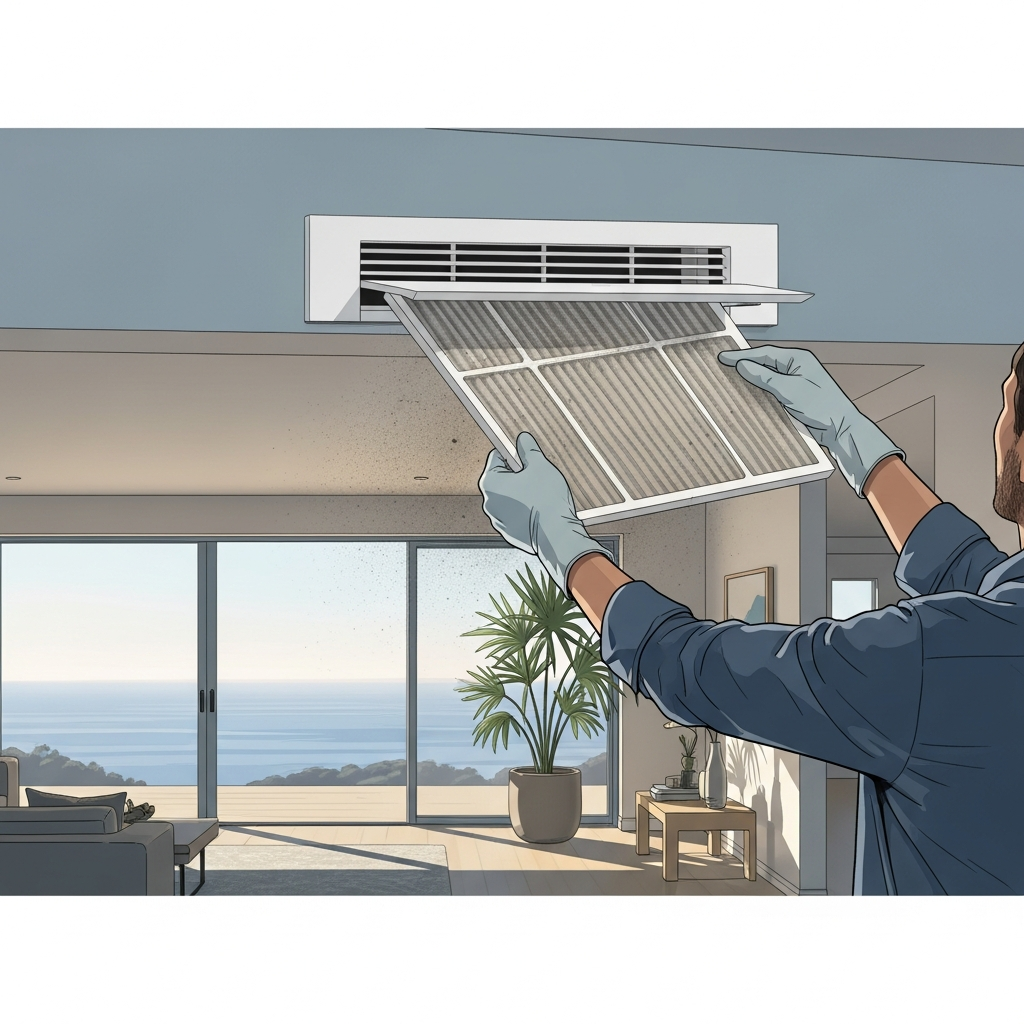
In practice, this begins with the returns. Those broad grilles in hallways or living rooms are the lungs of your home. They draw in the mixture of everyday life—pet hair, fabric lint, dust from traffic in and out—and send it toward the filter. When returns are visibly dusty, the filter has been saddled with more than its share of work. Wipe grilles gently when you see a gray film, check for obstructions behind furniture or drapes, and make a habit of glancing up during seasonal changes. A clean return face does not replace deeper service, but it helps prevent loose debris from being pulled into the ductwork where it can settle.
Filters bridge the gap between everyday upkeep and professional care. The right filter protects your equipment while allowing your blower to breathe. In Malibu, where wildfire smoke can intrude some years and salt-laden air always plays a role, choose media that balances efficiency with airflow. The tightest filter is not always the best choice if it taxes your system. Pair filter changes with household rhythms—after a cluster of guests, post-renovation, or as seasons shift. When a filter shows an unusual layer of black or brown film after a smoke event, that is your signal to consider a deeper look inside the ducts themselves.
Professional cleaning is your periodic reset. Think of it as a deep breath for the house after it has run a marathon of open windows, beach days, and holiday dinners. The process typically uses strong negative pressure and targeted agitation to coax debris from trunk lines and branches while protecting the rest of the home with sealed registers and containment. In Malibu’s architectural mix—beach bungalows with short runs, hillside homes with long, winding trunks—techniques vary, but the aim is the same: remove accumulation that chokes airflow, harbors odor, and burdens components like the coil and blower.
Wildfire seasons deserve special attention in your plan. Even if flames never approach Malibu, smoke can settle into homes miles from the nearest ridge line. Those tiny particles are stubborn stowaways. After smoke clears, replace filters promptly, ventilate when outdoor air quality allows, and then assess. If you can still detect a campfire note when the system starts or your surfaces dust faster than usual, it is time to evaluate the duct interior. A well-timed cleaning focuses on the sections most affected and helps your home shed that invisible cloak of smoke so you can return to neutral air.
Renovations and maintenance projects also call for extra vigilance. It takes only an afternoon of sanding or cutting to feed returns a day’s worth of dust. Cover grilles before work begins, and do not rely on a shop vacuum afterward to rescue ducts. Instead, once the project is done, use that moment to examine how the system is performing. Is airflow even? Do rooms smell right again? A targeted professional visit that checks returns, main trunks, and any runs nearest the work zone often pays back with months of cleaner air and lower dusting chores.
Malibu’s varied construction styles introduce quirks that maintenance should honor. Older homes may have a patchwork of metal ducting, while modern builds often rely on flexible runs through complex chases. Flex ducts need gentler cleaning and demand that registers be resealed carefully afterward. Metal runs can be more resilient but may hide debris pockets at elbows. Long hillside homes with rooms stepping down a slope may have ducts that change elevation and collect debris at low points. Communicating your floor plan and history—additions, remodels, known leaks—helps a technician tailor the approach.
Energy efficiency is not just an abstract benefit of clean ducts; it is something you feel. Smooth pathways let air glide through the system. Your thermostat reaches setpoints without drama, and rooms fall into the same comfortable range faster. You hear it too, as registers lose their hiss and the blower sounds less urgent. Over time, that gentler operation supports equipment longevity, reduces surprise service calls triggered by overheating blowers or dirty coils, and lines up with Malibu’s broader commitment to environmental mindfulness.
Odors respond well to systematic maintenance. After a season of closed windows or a stretch when doors stood open all day, you may notice a subtle heaviness or the ghost of last fall’s smoke. Because those scents cling to particles, removing the particles is the straightforward fix. A clean duct interior paired with fresh filters and healthy ventilation habits opens the possibility of air that smells like nothing—which, as any homeowner knows, is the best scent of all.
It helps to think of maintenance as something woven into your routines rather than something that interrupts them. If you host often, a post-season reset might be your cadence. If you are a surfer who returns with sandy toes, glance at the hallway return more often. If you travel frequently and leave the system on a set schedule, consider a quick check when you return to make sure filters are seated and registers are clear. Each small habit becomes a thread in a larger fabric of comfort.
In the middle of this plan, keep one simple refrain in mind: a clean pathway equals easy breathing for your home. When in doubt—after a smoky week, a big remodel, or when dusting becomes a daily battle—reach for professional guidance. The right partner will ask about your lifestyle, your home’s design, and your goals, and then outline a maintenance path that fits. Often, that path includes periodic air duct cleaning alongside filter strategy, sealing attention, and small adjustments that change how your system feels day to day.
As you maintain, do not overlook the edges of the system. Supply registers should sit cleanly in their openings with intact seals so conditioned air enters rooms, not wall cavities. The area around your air handler should remain tidy to support good drainage and prevent dust from becoming a magnet for moisture. Outdoor units, if part of your system, should have clear space to breathe and should be located to minimize salt exposure when possible. Each of these details contributes to the long-term cleanliness of the ducts themselves by limiting the influx of what you would rather not recirculate.
Finally, celebrate the results. A home that reaches a steady temperature quickly, holds a quiet hush while the system runs, and greets you with neutral air when you return from the beach is a home that has benefitted from consistent maintenance. You notice it in the smaller rhythm of daily life: less time chasing dust, easier sleep when breeze becomes chilly and windows close, and a sense of control when wildfire season or renovation plans loom. Maintenance does not demand perfection; it asks for attention. In Malibu, where nature is always at the threshold, that attention goes a long way.
How often should ducts be professionally cleaned in Malibu?
There is no one-size answer, but a common rhythm is inspection every one to two years, with cleaning as needed after smoke intrusions, major renovations, or when dust and odors persist. Households with pets, frequent guests, or lots of open-door days may benefit from more frequent service.
Will better filters replace the need for duct cleaning?
Filters are essential, but they work best in partnership with clean ducts. A dirty duct system can overwhelm even high-quality media and contribute to pressure drops that strain the blower. Clean pathways and correctly chosen filters together deliver the smoothest airflow and the most consistent indoor air quality.
Does duct cleaning help with energy efficiency?
Yes. Removing debris reduces airflow resistance, helping your system move air more easily. That can shorten runtimes, lower noise, and reduce the wear that leads to surprise service calls. Over months of operation, those small advantages add up to meaningful comfort and energy benefits.
What signs suggest I should schedule cleaning soon?
Persistent dust on surfaces, faint smoky or musty odors when the system starts, visible buildup on return grilles, or uneven room temperatures all suggest the air pathway needs attention. After construction, even small projects, it is wise to assess whether dust has made its way into returns.
Is the process disruptive to daily life?
Professional teams work with containment, sealed registers, and clear communication. While the system will be offline during the service, most projects complete within the day. Homes are left tidy, and the immediate difference in freshness and airflow often surprises homeowners who had grown used to the old baseline.
If you are ready to ease your daily routines, cut down on dusting, and let your home breathe as freely as the ocean air outside, now is a good moment to plan your next step. Start with a conversation about your household rhythms and any recent smoke or renovation exposure, then schedule professional air duct cleaning as part of a Malibu-focused maintenance plan built for the coast we love.