
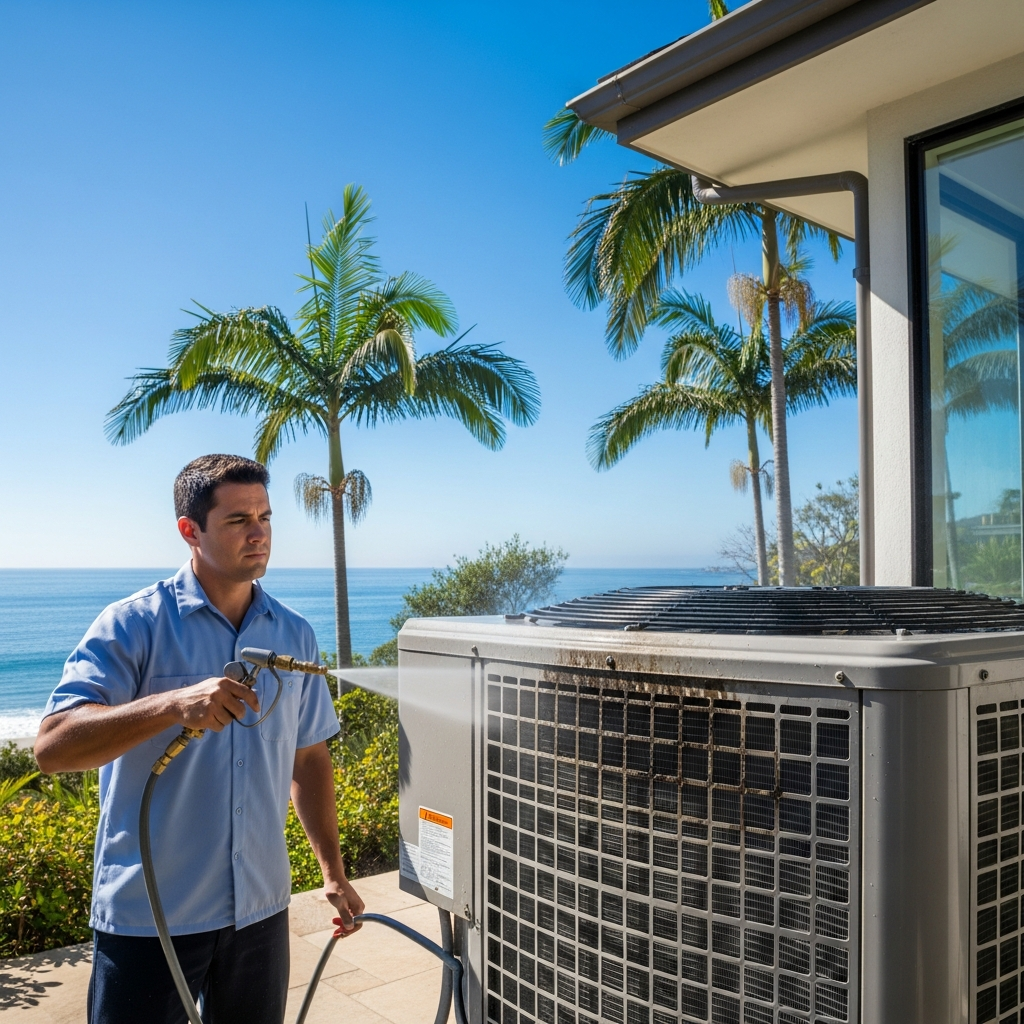
On summer afternoons in Malibu, the breeze can switch from cool and gray to warm and dry within a few hours, and your home’s comfort system has to keep up with every change. Our team lives with the same ocean mist, canyon winds, and salt-laden air you do, and we’ve learned exactly how those conditions shape the way we care for Malibu’s cooling equipment. Early in the season, homeowners often ask for a quick check because the unit sounds a little different or the bedrooms feel stuffy at night. That’s usually the first sign that coastal wear is catching up. If you’ve noticed similar quirks, you’re not alone, and you’re smart to get ahead of them—especially around here, where the Pacific’s salty breath works nonstop on exterior metal. We specialize in practical, lasting solutions for coastal properties, and we’ll walk you through what matters most for dependable comfort. And yes, if you’re just starting to research what makes systems tick, it helps to understand the basics of air conditioning so you can spot small problems before they become major ones.
Repairs for coastal homes start long before a wrench comes out of the tool bag. They start with the environment. Salt crystals in the marine layer settle into fins and fasteners, gradually dulling heat exchange and corroding protective coatings. Morning fogs leave a thin film on outdoor coils that can harden if it isn’t rinsed away, and wind-driven sand can chew away at fan blades and louvers. Malibu’s geography compounds things: canyons funnel gusts that shake rooftop units, while homes perched above the water take the brunt of onshore winds. On quieter days, the marine layer traps moisture that encourages oxidation in places you can’t easily see, like beneath mounting feet or inside electrical compartments. When we talk through repair options, we’re not just thinking about today’s symptom; we’re thinking about how this environment will treat the fix six months from now.
How Malibu’s Microclimates Affect Repairs
People sometimes picture Malibu as a single sweep of beach, but the microclimates change as fast as the curves on PCH. Carbon Beach tends to be cooler and damper; Point Dume can swing hot by midafternoon; Latigo and Corral Canyons will channel winds that rattle louvers; and further inland near Kanan the sun can beat down with very little marine influence. Those shifts impact everything from refrigerant pressures to the way duct runs behave in attics. In a cliffside home with big panes of west-facing glass, late-day solar gain can overwhelm an underserviced system, making it seem like the AC “isn’t working” when the real issue is clogged filtration and salt-packed fins throttling airflow. In a canyon home, hot afternoon winds push dust and pollen into outdoor equipment, changing the dirt load in a completely different way. Effective repair work takes all of that into account.
When we arrive for a repair, we begin by listening—to you first. You know your home’s rhythms: the way bedrooms pick up a chill at 6 a.m., how a guest room seems stagnant in summer, or how the living room quietly hums while the deck doors are open. Those details guide the inspection. Then we test. Airflow, static pressure, refrigerant superheat and subcooling, motor amperage, and thermostat calibration each tell part of the story. On coastal systems we also check for galvanic corrosion on joints and mounting brackets, degraded gaskets on electrical covers, and pitting on contactors. If a unit sits on a flat roof, we look at how rainwater drains and whether salt residue collects under the condenser’s base. These aren’t glamorous steps, but they’re the ones that keep Malibu equipment alive year after year.
Common Coastal Repair Issues We See
Salt-softened fins are the quietest culprit. A condenser coil can look clean from a distance yet be matted down so tightly that air slips through in a narrow path, forcing the compressor and fan to work harder. Cleaning here isn’t just about spraying; it’s about rinsing the right way, protecting electricals, and sometimes gently straightening fin surfaces without tearing the aluminum. We also see failed capacitors from relentless heat and exposure, seized fan motors where bearings have lost their lubrication, and cracked UV-baked wire insulation that invites nuisance trips. Indoors, Malibu’s beach life shows up in filters: a combination of pet hair, sea salt, and wildfire ash can load them quickly. The result is uneven cooling, noisy returns, and condensate drain issues as coils become too cold and start freezing. Clearing lines and re-establishing proper airflow often revives a “tired” system faster than people expect.
In older beach cottages and updated bungalows, ductwork is another frequent source of trouble. Time, temperature swings, and attic critters can leave ducts loose or leaky. Even small gaps add up, pulling in hot attic air and spreading fine dust throughout the home. That dust then finds its way to the indoor coil and blower wheel, reducing efficiency and comfort. Part of a repair may involve sealing or re-hanging runs, resetting flex ducts with better radius turns, or adding simple balancing tweaks so your primary living spaces actually receive the air they’re supposed to. Repairs that respect airflow fundamentals always last longer than patches that ignore them.
Our Approach to Durable Repairs
Coastal work rewards patience and the right materials. On metal fasteners and brackets we favor stainless hardware or factory-matched parts that resist corrosion. Where appropriate, we recoat bare metal after repairs and elevate outdoor units to encourage drainage under the base. Electrical panels get fresh gaskets and a careful reseal to limit salt intrusion. We protect surrounding surfaces before coil service and use cleaners that won’t leave harmful residues. Indoors, we pay attention to how the air actually moves: clearing return pathways, brushing blower wheels, and verifying that the coil face is clean across the entire surface, not just at the edges you can see with a flashlight. When we replace components, we document baseline readings—airflow, temperature split, pressures—so you have a snapshot of healthy operation to compare against in the future.
One of the most satisfying parts of this job is seeing a home breathe correctly again. The difference isn’t only cooler rooms; it’s quieter nights, drier air on sticky mornings, and smoother cycling that you feel but barely hear. Malibu homeowners often tell us they can finally leave the slider cracked at sunset without the system “giving up.” That outcome starts with solid repairs and ends with a plan to keep the system from slipping back into bad habits as the salt returns.
Seasonal Realities: Marine Layer, Heat Waves, and Santa Anas
Through May and June, our marine layer can cling until lunchtime. Equipment spends hours in cool, damp air before the sky opens and temperatures jump. That daily switch stresses weak electrical components and reveals marginal airflow. By late August and into September, we pivot to longer heat waves, often punctuated by Santa Ana winds that are hot, fast, and dusty. Those winds are tough on outdoor units, especially at hilltop homes: debris can plaster itself against coils overnight. We advise rinsing and clearing foliage and, when possible, scheduling a midseason check so we can restore peak performance just as those conditions are building. It’s also a time when we encounter refrigerant leaks exposed by sustained high load. Catching them early keeps compressors out of danger and prevents cascading damage through the rest of the system.
Wildfire seasons have added a new challenge: microscopic ash. Even when Malibu is spared from flames, particulates can drift for days. They’re too fine for coarse filtration and will blind a coil that never used to mind a little dust. After a smoky week, pay attention to noises at start-up and whether rooms feel clammy. That’s your cue to reach out. Part of our midseason visit might be swapping to a higher MERV filter briefly, then stepping back down once the air clears to protect airflow. It’s a balancing act we navigate house by house.
When a Repair Isn’t Just a Repair
There are moments when repairing the symptom without addressing its cause would be a disservice. If coil surfaces are severely pitted, for instance, chasing recurring leaks could become a stressful cycle. In homes where the outdoor unit sits just yards from salt spray, we talk candidly about coatings, wind baffles, and relocation options that keep the investment protected. Inside, if duct leakage or return restrictions keep creating hot and cold pockets, we’ll show you exactly what we’re seeing and propose fixes that unlock the performance you’re already paying for. The right decision isn’t always the biggest job; sometimes it’s the small change that preserves comfort and saves energy the rest of the summer.
Because energy use matters as much as comfort, we also keep an eye on how today’s repair affects tomorrow’s bills. A blower wheel caked with film can lift your energy use quietly; so can a slightly slow condenser fan on a hot day. Clearing those drags returns your system to the efficiency it was designed to deliver. And if you’re curious about how system design itself influences usage, the fundamentals of air conditioning—heat transfer across clean coils with the right refrigerant charge and plenty of unobstructed airflow—tell the whole story. Get those right, and you’ll feel the difference every evening when the breeze turns.
What to Expect on Repair Day
We’re guests in your home, and we act like it. That means careful parking where views and neighbors matter, drop cloths and shoe covers, and tools that stay organized and out of the way. We walk you through findings at each step so there are no surprises, and when we’re finished we share simple care tips tailored to your property—like how often to hose the coil base in a spot that collects spray, or when to expect filters to load based on your pet family and beach habits. If the repair calls for parts we don’t carry, we secure the system as best as possible and communicate clear next steps. Most of the time, though, we resolve common issues in a single visit because we stock trucks with coastal-grade components and the cleaners that make the biggest difference here.
After repairs, you’ll likely notice quieter ramp-ups, steadier temperatures, and fewer swings as the marine layer ebbs and flows. You may also notice that doors close more gently when the system is on. That’s a sign we’ve relieved excessive static pressure by opening clogged pathways and tuning airflow. Small improvements compound into a calm, comfortable summer night.
Pro Tips for Coastal Longevity
Between service visits, there are a few habits that help. Rinse the outdoor coil with a gentle stream of fresh water every few weeks during peak salt season, preferably in the morning before the sun is intense. Keep vegetation a couple of feet back to maintain airflow and allow breezes to dry the cabinet. Indoors, learn where your primary return is and keep that path open; relocating a bench or oversized plant can be the difference between a whisper and a struggle. If you enjoy leaving windows cracked to hear the waves, consider how that affects humidity and temperature drift, and let us help you tune the system so it responds without overworking. Malibu living is about enjoying your space—your comfort system should support that without demanding attention.
Frequently Asked Questions
Why do Malibu homes need different repair strategies than inland homes?
Coastal air speeds up corrosion, loads coils with salt crystals, and bathes equipment in moisture during marine-layer mornings. Inland systems don’t fight those same conditions day after day. Effective Malibu repairs use corrosion-resistant hardware, proper rinsing and cleaning methods, and airflow-first diagnostics that account for salty residue and wind exposure. We also consider local microclimates—canyon gusts, foggy mornings, and late-day solar gain—so the repair holds up under the exact conditions your home experiences.
How often should I schedule professional service after a repair?
For most coastal homes, we recommend a thorough check before summer and a quick post-heat-wave review, especially if Santa Ana winds have been active. If your outdoor unit sits within sight of the surf or on a windward roof, add light rinses every few weeks. This cadence keeps coils clean, verifies refrigerant stability, and ensures drains and safety controls are clear so small issues don’t return as bigger ones.
Is coil cleaning safe for my landscaping and finishes?
Yes—when it’s done correctly. We shield nearby plants, use cleaners appropriate for your coil type, and rinse with fresh water to neutralize residues. We avoid harsh agents that can damage fins or leave films that attract more dirt. Protecting the cabinet, paint, and surrounding surfaces is part of the job, and we take the extra moments required to do it right, especially around delicate coastal landscaping.
What signs suggest corrosion has advanced too far for a simple fix?
Repeated refrigerant leaks at different points, severe fin loss where you can almost see through the coil, and mounting brackets that crumble or crack are warning flags. Electrical components with widespread pitting or swollen capacitors that return quickly after replacement also point to deeper issues. In those cases, we’ll show you photos and readings so you can decide on next steps with full context.
Can smart thermostats help with Malibu’s changing conditions?
They can, particularly models that learn your routines and adjust gently instead of snapping the system on and off. With variable-speed equipment, the right thermostat helps maintain comfort through marine-layer mornings and warm afternoons without big swings. We set schedules that match your lifestyle—surf checks, school runs, and evening deck time—so the system feels invisible but responsive.
What if my system is cooling some rooms but not others?
That usually points to airflow imbalances, leaky or undersized ducts, or a return pathway that’s too restricted. Sometimes a previous remodel unintentionally blocked a return or lengthened a duct run beyond what the blower likes. We measure room-by-room performance, adjust balancing, and recommend small duct corrections that restore even comfort. The fix is often simpler than people expect once we see how the air actually moves.
Will I need special parts because I live near the ocean?
Often, yes. Coastal kits, coated coils, stainless fasteners, and weather-resistant gaskets extend life in salty air. Even a basic repair benefits from upgraded hardware that resists corrosion. We keep these parts on our trucks because they’re the difference between a repair that lasts through one season and one that keeps your system steady year after year.
Ready for Reliable Cooling in Your Malibu Home?
If your system has started to struggle—or if you simply want peace of mind before the next heat wave—reach out and let us put our coastal experience to work for you. We’ll inspect with care, explain what we find in plain language, and recommend fixes that respect your home and the ocean air it lives in. To get started today, schedule service and learn more about smart, durable approaches to air conditioning for Malibu’s unique climate. We’re nearby, we’re prepared, and we’re ready to help your home feel effortless again.