
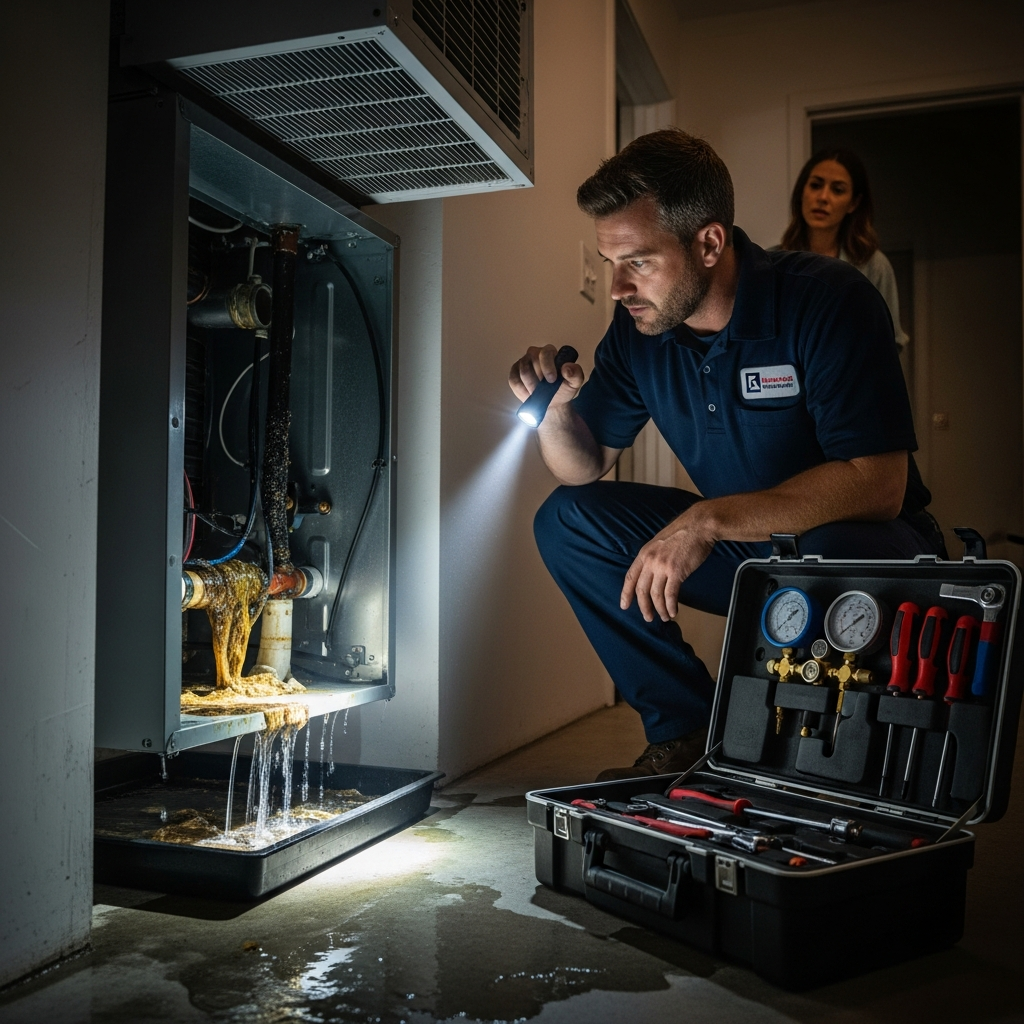
When the mercury rises and the marine layer refuses to break, Malibu homes and businesses lean hard on their cooling systems. Most days, a well-maintained unit hums through the heat without fanfare. But there are moments—right as guests arrive for a weekend, during a busy dinner service, or in the middle of a work-from-home deadline—when the AC wavers or fails and you need help now. Emergency air conditioning maintenance is not just about speed; it is about calm, informed action that stabilizes the situation and buys back comfort quickly. As a local who has seen how ocean air, canyons, and sun combine to stress equipment, I can tell you that preparation makes the difference. It begins long before the first urgent call, with a clear air conditioning maintenance plan that reduces surprises and ensures that when issues do arise, the path to resolution is short and surefooted.
Emergencies rarely arrive politely. They show up as a sudden warm room, an unexpected noise, a thermostat that refuses to respond, or water where it does not belong. In Malibu’s coastal environment, root causes often trace back to salt exposure, drainage challenges, or components that have worked a little too hard through a stretch of hot afternoons. The first goal is stabilization—protect the space, protect the equipment, and gather reliable information. That looks like turning off a system that is short-cycling aggressively, clearing obstructions from the outdoor unit, or catching a drain overflow before it damages finishes. From there, it is about triage: prioritizing steps that restore partial function or prevent further harm while you coordinate a comprehensive fix.
Speed matters in these moments, but so does judgment. A seasoned technician arrives with two things in mind: what is most likely to be wrong given Malibu’s conditions, and what can safely be done right now. They listen to the system, ask a few focused questions—when did you notice the change, what was the weather like at the time, has anyone adjusted the thermostat or opened unusual areas of the house—and then follow a sequence tailored to the symptoms. They check for power and control signals, examine condensate safety devices, look closely at the outdoor coil for salt film or lodged debris, and measure temperatures to confirm whether the system is moving heat as it should. Each step narrows the field until action becomes obvious.
Common Emergency Triggers on the Coast
Coastal life introduces a handful of recurring culprits. Condensate overflows are common after a week of foggy mornings; a line that was nearly clear becomes blocked, and a float switch opens to protect the home by stopping the system. Outdoor units, especially those near landscaping or on windy sites, can ingest leaves or fine debris that choke airflow and cause rapid cycling or tripped safeties. Electrical terminals show early corrosion, leading to intermittent signals that mimic larger failures. And filters, often forgotten in the rush of daily life, grow restrictive to the point that the blower struggles, turning noise and weak airflow into a cascade of discomfort.
When these issues collide with a heatwave or a full house, it can feel urgent quickly. The good news is that many emergencies are preventable with vigilant routine care and are recoverable with swift, precise attention. Even when a part must be replaced, stabilizing steps—clearing drains, cleaning coils, securing connections—often bring partial relief while you coordinate the next move.
What to Do While You Wait
When you have called for help, a few actions can protect comfort and equipment. First, check the filter and replace it if it is clearly dirty; that one step can relieve strain instantly. Make sure the outdoor unit has room to breathe—move beach gear, trim back foliage if safe to do so, and gently rinse sand or dust from the coil if you know how and the manufacturer allows it. Indoors, look for signs of condensate issues: water around the air handler, a tripped float switch, or a drain line that feels clogged. If water is present, turn off the cooling mode to protect finishes and prevent further overflow.
Thermostat settings can also help. On an especially hot day, asking the system to make aggressive setpoint jumps can be counterproductive. Choose a moderate goal and let the home cool steadily. Close blinds where afternoon sun beats in, and consolidate activity to rooms that hold temperature better. These small choices keep the environment more comfortable and give the technician a stable baseline to assess when they arrive.
How Emergency Pros Triage and Stabilize
Upon arrival, a seasoned emergency technician moves quickly but methodically. If the system is safe to run, they gather temperature and pressure data to see how heat is moving. If it is not, they identify why—whether a safety device has tripped, a motor has overheated, or a connection has failed. They clear drains, clean coils where fouling is obvious, secure suspect wiring, and test controls. In Malibu, they are particularly attuned to salt effects; terminals and contactors near the coast can look fine at a glance yet behave intermittently. A careful eye catches those subtle tells and corrects them before they evolve into chronic issues.
Communication is part of the stabilization. Good technicians explain what they see and what they will do next, giving you a short-term outlook and a longer-term recommendation. If they can restore partial function, they will, and they will also set expectations clearly: perhaps the system will cool more slowly until a specific part arrives, or perhaps certain rooms will feel better than others for a day or two. That clarity is immensely helpful when you are coordinating guests, staff, or family routines around a temporary constraint.
Prevention: The Best Emergency Strategy
Every urgent visit teaches a lesson for the future. Patterns emerge: a certain home’s drain line needs more frequent cleaning because it sits flat for a few feet; a particular retail space sees afternoon drafts that stir up dust around the condenser; an office suite’s thermostat was placed where morning sun confuses it. Folding these lessons into a preventive plan is the surest way to reduce future emergencies. Spring and fall remain the prime windows for deeper work—rinsing coils, confirming charge, tightening connections, and calibrating controls—while a midseason look-in during a hot stretch catches early drift before it triggers a call.
What makes prevention powerful in Malibu is the attention to microclimates. A hillside home facing inland heat needs a slightly different approach than a cottage on the bluffs awash in mist. A storefront that opens frequently requires filtration and airflow strategies that account for constant door swings. A restaurant shares its cooling burden with a lively kitchen. Recognizing those differences turns a generic checklist into a living plan that keeps your space steady, and a well-managed maintenance schedule is the backbone of that plan.
Readiness at Home and Work
Readiness is not the same as worry; it is calm preparation. Keep basic supplies on hand: the right filters for your system, a flashlight near the air handler, and a sense of where the disconnects and shutoffs live. Make sure vegetation stays trimmed and that the outdoor unit has space. If your equipment sits on a roof, know how to provide safe access. Share simple signs of trouble with family or staff—unusual noises, water where it should not be, or air that feels warm when the thermostat calls for cool—so someone can call early.
For properties that host guests, like vacation rentals, a quick reference card near the thermostat can reduce confusion and false alarms. Clear instructions for setpoints, fan modes, and what to check before calling help can spare an urgent evening call and keep visitors comfortable. On the business side, managers should keep a log of notable events: a hot afternoon that taxed the space, a filter change date, a minor leak that was resolved. That context speeds diagnosis when someone does arrive in an emergency.
Frequently Asked Questions
What qualifies as an AC emergency in Malibu?
Situations that threaten property or well-being—water leaks around the air handler, a complete loss of cooling during extreme heat, burning smells, or persistent breaker trips—warrant immediate attention. Sudden, unexplained performance drops also deserve a prompt call to prevent escalation.
How fast can emergency help realistically arrive?
Response times vary with demand and traffic, but providers prioritize urgent cases based on symptoms and risk. Clear information when you call—what you see, hear, and feel—helps dispatch triage effectively and set accurate expectations.
Is there anything I should not do while waiting for help?
Avoid repeatedly resetting breakers or forcing the system to run if a safety switch has tripped; you could worsen the problem. Do not open sealed electrical panels or attempt coil cleaning with harsh chemicals. Stick to safe steps like checking filters, clearing space around the outdoor unit, and adjusting shades.
Why do emergencies seem to happen during heatwaves?
Extended high demand exposes marginal components. Salt film that slightly impeded heat transfer suddenly becomes a major obstacle. A nearly clogged drain tips into overflow. Electrical terminals that were borderline begin to heat and fail under continuous load. Heatwaves reveal and accelerate underlying weaknesses.
Will preventive maintenance really reduce emergency calls?
Yes. Regular cleaning, calibration, and inspection catch small drifts before they trigger safeties or degrade comfort. Patterns observed across seasons guide targeted improvements that make systems more resilient during peak stress.
What information helps the technician most during an emergency?
Share when you noticed the issue, any recent changes to thermostat settings, unusual sounds or smells, and whether the system has shut itself off. If safe, note whether the outdoor unit is running and whether air at the vents feels cool or warm. These details speed diagnosis.
From Urgency to Stability
The best emergency outcomes pair quick response with thoughtful prevention. When your AC falters on a hot afternoon, a steady hand and clear plan bring relief fast. But the real win is what happens afterward: you fold the lesson into a smarter routine, align maintenance with Malibu’s coastal quirks, and step into the next season with confidence that your system will hold steady.
If today is the day you turn urgency into readiness, begin by choosing a local partner who knows the signs and solutions that work here. Invite a careful assessment, build an action plan, and keep essentials on hand so small fixes are simple. To take that first step without delay, anchor your approach to a proven path of air conditioning maintenance, set reminders that respect your schedule, and enjoy the comfort of a home or business prepared for whatever the weather sends our way.