
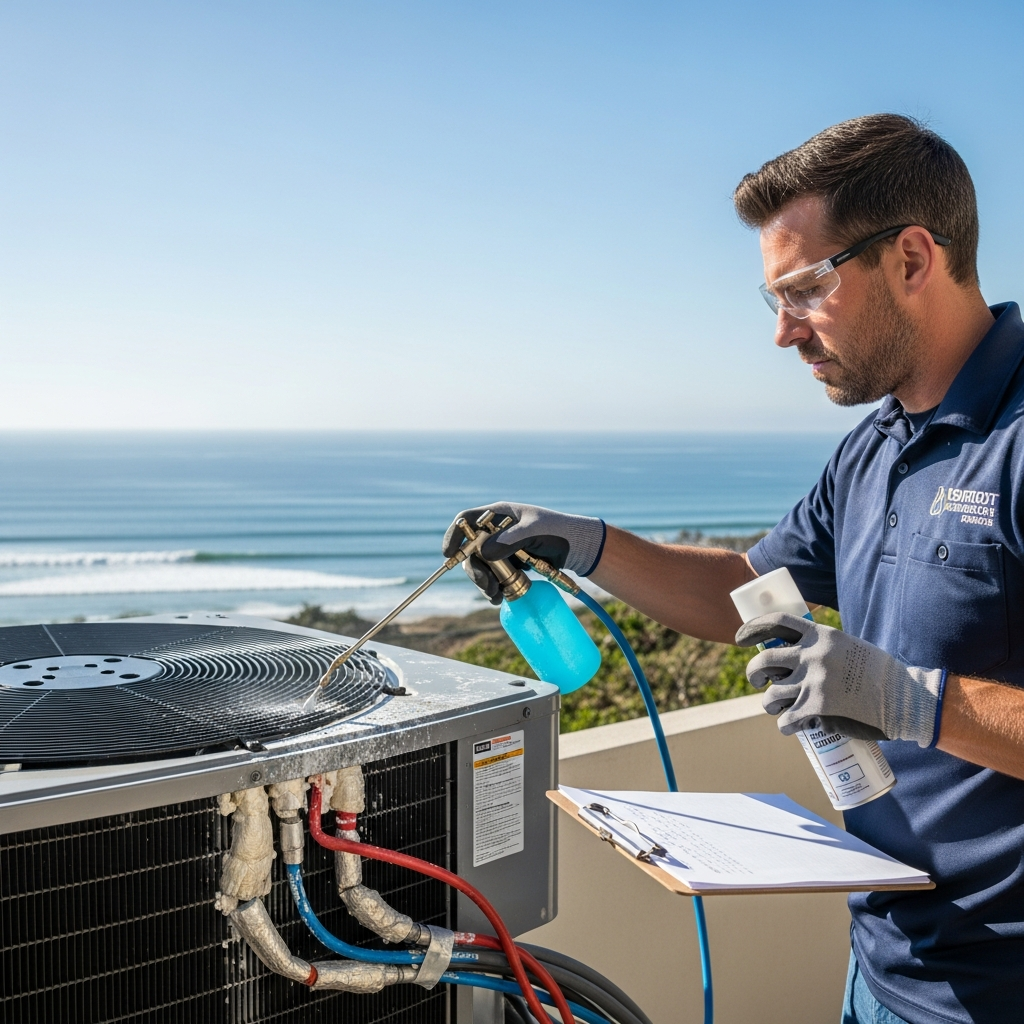
Talk to anyone who has lived in Malibu through a few summers, and you will hear the same refrain: the sea breeze is a gift until the temperatures creep upward and the marine layer hangs stubbornly over the canyons. That is when a dependable cooling system becomes more than a luxury; it is a lifeline. When neighbors ask what shapes the overall investment in caring for that lifeline, I always start with the basics. Effective care is less about a one-time fix and more about a rhythm—attentive checks, smart scheduling, and adjustments that honor both the equipment and the unique coastal environment we call home. In this introduction, I will frame the real-world factors that influence what you put into your system over time, why the local climate plays an outsized role, and how a consistent plan for air conditioning maintenance preserves comfort, efficiency, and peace of mind without unpleasant surprises.
Malibu homes and businesses are as varied as the shoreline itself. Some nestle into sheltered ravines where the winds die down and heat builds midafternoon; others stand exposed on bluffs where salty mist splashes windows even on calm days. That split personality means the same equipment model may age differently in two neighborhoods separated by a couple of miles. When you evaluate the long-term outlay for caring for your AC, you are really weighing how that system lives in your microclimate, how it is used day to day, and how faithfully it is monitored. The good news is that deliberate upkeep tends to reduce surprises. By addressing small issues before they become big ones and by aligning service to the rhythms of the coast, you safeguard your comfort while supporting the equipment’s lifespan.
Think of your AC like a high-mileage vehicle that does best when driven smoothly and tuned predictably. If you have ever ignored a dashboard light only to face a bigger problem later, you already understand the dynamic. The same applies to cooling systems. Coastal air carries salt, and inland heat drives higher run times; those forces combine to nudge components out of their ideal state unless someone is watching closely. A well-structured approach, customized to Malibu’s conditions, makes all the difference. It is not about doing “everything” all the time; it is about doing the right things at the right intervals and documenting what you find so you can make sensible, informed decisions.
Why Malibu’s Coastal Climate Matters More Than You Think
Salt in the air is both subtle and relentless. You may not see it day to day, but it finds its way onto condenser fins, electrical contacts, and exposed fasteners. Over months, that film interferes with heat transfer and can corrode metal surfaces. Homes closest to the water feel it first, yet even properties a mile or two inland are not immune. Add in the daily temperature swings—cool mornings, warm afternoons, and breezy evenings—and you have a recipe for expansion and contraction that gently loosens connections. From a maintenance perspective, those realities translate into more careful cleaning, protective coatings where appropriate, and extra attention to how outdoor equipment sheds heat under varying wind conditions. The better you match service routines to these quirks, the more consistently your system performs when you need it most.
Humidity plays a role as well. When marine moisture intrudes, your air conditioner does double duty, not only lowering the temperature but also wringing water from the air. That extra workload reveals itself in the condensate path—pans, traps, and drain lines. In our area, I recommend focusing on that drainage on every tune-up. Clearing clogs, confirming slope, and sanitizing components are small steps that help you avoid water damage and musty odors. Equally important is checking insulation on refrigerant lines, which can deteriorate faster in coastal sun and salt. Replacing insulation may seem minor, yet it protects efficiency and keeps your system from overworking during heatwaves.
What a Thorough Tune-Up Really Includes
When I talk with Malibu residents about what actually happens during a solid maintenance visit, I emphasize that it is part inspection, part cleaning, and part calibration. Technicians begin by listening—to the system, to the homeowner, and to the data. They measure temperature splits across the evaporator coil to understand how effectively heat is being absorbed. They evaluate static pressure in the ductwork to uncover hidden restrictions. They check electrical characteristics like amperage draw and capacitance to spot components that are straining. Each of these steps tells a story about where the system has been and where it is likely headed if left alone. Cleaning is equally targeted: coils washed to restore heat exchange, blower wheels cleared of dust that steals airflow, and air filters assessed not just for dirt but for fit and performance goals.
Calibration closes the loop. A thermostat that reads a couple of degrees off can push your AC to run longer than necessary. Dampers in the duct system, if misaligned, can starve rooms of airflow while overfeeding others. Even the simple act of tightening low-voltage connections pays dividends because intermittent signals confuse equipment. When you roll these steps together—listen, measure, clean, and calibrate—you give the system a reset that often reveals opportunities to improve comfort right away. The documentation that follows is equally vital, forming a baseline for next time and a record that helps you make sensible choices down the road.
Equipment Age, Usage Patterns, and Long-Term Planning
Age in HVAC terms is about much more than a year count. Systems that serve a beach cottage used on weekends may age slowly even if they are older on paper, while units serving a full-time residence with large windows and frequent entertaining may see heavier cycles. Malibu’s architectural variety plays a role here: high ceilings, glass walls facing the ocean, and rooms that flow to the outdoors make for beautiful living and complex cooling loads. As your system accumulates seasons, the conversation shifts from basic upkeep to strategic planning. Monitoring performance metrics over time reveals whether efficiency is drifting. When technicians spot trends—compressor amperage creeping up, discharge temperatures rising, or fan motors getting noisier—you are empowered to act before comfort suffers.
That kind of planning pays off most when it is connected to your daily life. If you travel for weeks at a time, a maintenance schedule that clusters visits around your departures can keep indoor humidity in check and prevent stale air. If you host frequent gatherings, planning checks before major events ensures the system can shoulder the peak load. These are not abstract ideas; they are small, local adjustments that reduce stress on equipment and keep indoor spaces welcoming year-round. Over time, the steadier the system runs, the more predictable your overall outlay becomes, because fewer emergencies interrupt your rhythm.
Airflow, Filtration, and the Hidden World Inside Ducts
Great cooling begins with great airflow. Filters that are too restrictive for the blower’s capability force the system to strain. Ducts that were pinched during a remodel or that rely on aging flex runs may rob rooms of the air they deserve. Malibu homes, especially older gems that have evolved over decades, sometimes hide these issues behind finishes and built-ins. During maintenance, a keen eye on return and supply paths catches imbalances you might only notice as uneven temperatures or noise. Choosing a filter that supports both cleanliness and airflow is an art; it depends on sensitivity to allergens, the presence of pets, and how tightly sealed the home is against ocean air. This is why a one-size-fits-all filter recommendation rarely works along the coast.
When technicians talk about duct integrity, they are not just chasing leaks for the sake of a number. They are protecting comfort and indoor quality. Sealing gaps keeps conditioned air where it belongs, but it also limits the infiltration of dust, pollen, and salt. In turn, coils and blower components stay cleaner longer, lengthening the intervals between deep cleanings. That cascade—better ducts, cleaner equipment, steadier performance—quietly influences what you invest over the years. Maintenance, in this context, is not a chore; it is a strategy that turns a complex set of variables into a system that behaves predictably.
Seasonal Timing and the Rhythm of the Coast
Timing is everything. In Malibu, early spring and early fall are ideal windows to give your system attention. The marine layer is active but temperatures are manageable, so you can afford a day of downtime while components are tuned. Early spring visits focus on readying the condenser for heat, addressing any corrosion from winter storms, and confirming charge and airflow so you hit summer prepared. Early fall visits emphasize drainage, thermostat programming for shoulder seasons, and cleaning that removes the summer’s salt and dust. Somewhere in the midst of that year, there is a midpoint check that suits your usage; if your home is a retreat that sits empty for stretches, a brief midseason look-in can keep things steady without intruding on your time.
In the middle of that yearly rhythm lies the habit that pays off consistently: documenting each finding and adjusting your plan accordingly. If your condenser sits in a windy spot where fine sand collects, make inlet cleaning a frequent touchpoint. If your attic runs hot and makes the air handler work harder, consider light insulation or ventilation improvements during a quieter season. These small customizations are where the value truly compounds. To keep that momentum, many locals lean on a well-structured preventive maintenance program that sets expectations, calendar reminders, and inspection depth appropriate for a house by the sea.
Warranties, Safety, and Documentation
Knowledgeable care is not just about comfort; it is also about protection. Many manufacturers predicate their warranties on proof of regular maintenance. Keeping a clear, dated record of inspections, measurements, and actions taken can be the difference between an approved claim and a frustrating outcome. Safety checks, too, are part of any responsible plan. Verifying that disconnects operate correctly, that wiring insulation remains intact, and that condensate shutoffs behave as designed is nonnegotiable. Those line items may never be visible to guests sipping coffee on the patio, but they are the quiet guardians of your home. Each is a marker on the path toward reliable, predictable performance along the coast.
Documentation also helps future you. If you decide to remodel or to upgrade equipment later, the notes your technician captured years prior—about duct sizing, load balance between floors, or the way afternoon sun spikes temperatures in the family room—become a map that guides smarter choices. In Malibu, where architectural details and siting vary widely, that historical record can be worth its weight because it prevents missteps and duplicates of work already done.
Comfort, Efficiency, and the Value of Stability
When we speak about the overall commitment you make to keep your cool, the conversation often returns to energy use and comfort. A finely tuned system moves heat efficiently and cycles off decisively, leaving rooms even and quiet. In contrast, a neglected one lingers, hunting for setpoints and overshooting them, which you feel as clammy air or drafts. The long-term benefit of purposeful upkeep is not just fewer disruptions; it is a home that feels right at 2 p.m. on a blazing day and also at 10 p.m. when the breeze returns. That stability matters if you work from home, welcome guests, or simply value a sanctuary from city heat. With each season that passes without drama, you will appreciate how your earlier decisions smoothed out the experience.
There is also something to be said for the way maintenance reframes how you think about your system. Instead of a black box that either works or does not, it becomes a partner whose needs you understand. You learn the normal hum and the timing of cycles. You notice when something sounds off and call earlier. This intimacy might sound odd, but in a coastal town where climate and salt challenge gear, it is the difference between being reactive and being ready. That shift—toward readiness—pays dividends you can feel on the warmest afternoons and the quietest evenings alike.
Signals That It Is Time to Revisit Your Plan
Even with a steady routine, your home will send signals when attention is due. Maybe the primary bedroom warms faster than the living room on similar days, or the thermostat shows swings that were not there last season. Perhaps your condenser seems to run longer into the night, or a faint odor appears when the system first kicks on. None of these alone is cause for alarm, but together they flag that conditions have changed. In Malibu, changes can stem from a neighbor’s new construction altering wind patterns, from vegetation growth around the condenser, or from shifting usage indoors. Paying attention to those cues and folding them into your maintenance conversation keeps your plan current and your comfort unruffled.
In my experience, homeowners who keep a simple log—just a few sentences when something feels different—tend to be the ones who make the best, calmest decisions later. They can point to dates and conditions, which helps technicians replicate the scenario and pinpoint root causes. This doesn’t have to be complicated; a note in your phone after an unusually hot spell is enough. Over a couple of seasons, that anecdotal data becomes surprisingly powerful, especially in a landscape as dynamic as ours.
Frequently Asked Questions
How often should I schedule maintenance for a Malibu home near the water?
For properties within close reach of ocean spray, plan on a comprehensive tune-up twice a year, typically in spring and fall, with a lighter midseason check if usage is high or the equipment sits in a windy, sandy spot. The extra attention counters salt accumulation and keeps drainage and insulation in top shape.
What specific components deserve extra care in the coastal environment?
Outdoor condenser coils, electrical terminals, fan motor housings, and any exposed fasteners tend to feel the brunt of salty air. Indoors, the condensate system and blower wheel need regular cleaning to protect airflow and prevent musty odors. Refrigerant line insulation exposed to sun should be inspected and refreshed as needed.
Can better filtration reduce how often I need deeper cleanings?
It can, but only if the filter matches your blower’s capability and home’s needs. Overly restrictive filters starve airflow and make the system strain. The best approach pairs a high-quality filter that your equipment can comfortably move air through with duct sealing and housekeeping habits that limit dust and salt intrusion.
Is it wise to adjust my thermostat schedule with the marine layer?
Yes. Programming that anticipates cool mornings and warm afternoons reduces unnecessary runtime. Let the home float slightly cooler early, then hold steadier as the day warms. In the evening, allow a gentle rise so breezes finish the job. Small tweaks like these help the system cycle decisively.
What are signs my system’s performance is drifting?
Longer runtimes to reach familiar setpoints, new hot or cool spots in rooms that were once even, unusual noises on startup, and recurring odors are common flags. A technician’s measurements—static pressure, temperature split, and amperage—confirm whether these impressions reflect real mechanical drift.
How does documentation impact manufacturer warranties?
Manufacturers often require proof of regular maintenance to support warranty claims. Detailed records of dates, readings, and tasks performed demonstrate that the system was cared for appropriately. That history can smooth claim approvals and guide better decision-making even beyond warranty periods.
Final Thoughts and Next Steps
If you take nothing else from this local’s guide, let it be this: in Malibu, the most dependable way to manage what you put into your cooling system over the years is to be proactive, tailored, and consistent. Respect the salt air, the shifting winds, and the way our homes breathe with the ocean. Listen to what your equipment tells you in small ways before it has to shout. And keep a cadence that fits your life so comfort never plays second fiddle to the weather.
When you are ready to put a thoughtful plan into action, reach out to a trusted local team and schedule a visit that looks beyond the basics. Ask for measurements, ask for documentation, and ask for recommendations that respond to your microclimate and habits. Most of all, choose reliability over reaction. To make that first step simple, explore a dedicated approach to air conditioning maintenance tailored to coastal living, then set your calendar with confidence and enjoy the calm of a home that simply feels right—no matter what the forecast says.