
Life After New Ducts: Setting Your Malibu Home Up for the Long Run
The day your new duct system starts, the difference is unmistakable—quieter rooms, steadier temperatures, cleaner-feeling air. In Malibu’s coastal environment, however, the real victory is sustaining that performance through seasons of fog, salt, and shifting winds. Maintenance after duct replacement maintenance is less about heavy lifting and more about small, consistent habits that protect the network you just invested in. As someone who has maintained systems from Point Dume to the eastern canyons, I can tell you the homeowners who enjoy lasting comfort are the ones who make these habits part of their routine.
Begin by reframing what maintenance means. We are not talking about tearing into ceilings or crawling through attics every month. Instead, think of stewardship: protecting filters, preserving insulation, staying attuned to subtle changes in airflow or sound, and scheduling quick professional checkups that keep everything aligned. The reward is a home that rides the daily marine layer and evening breezes with grace, year after year.
Protect Filtration to Protect Everything Else
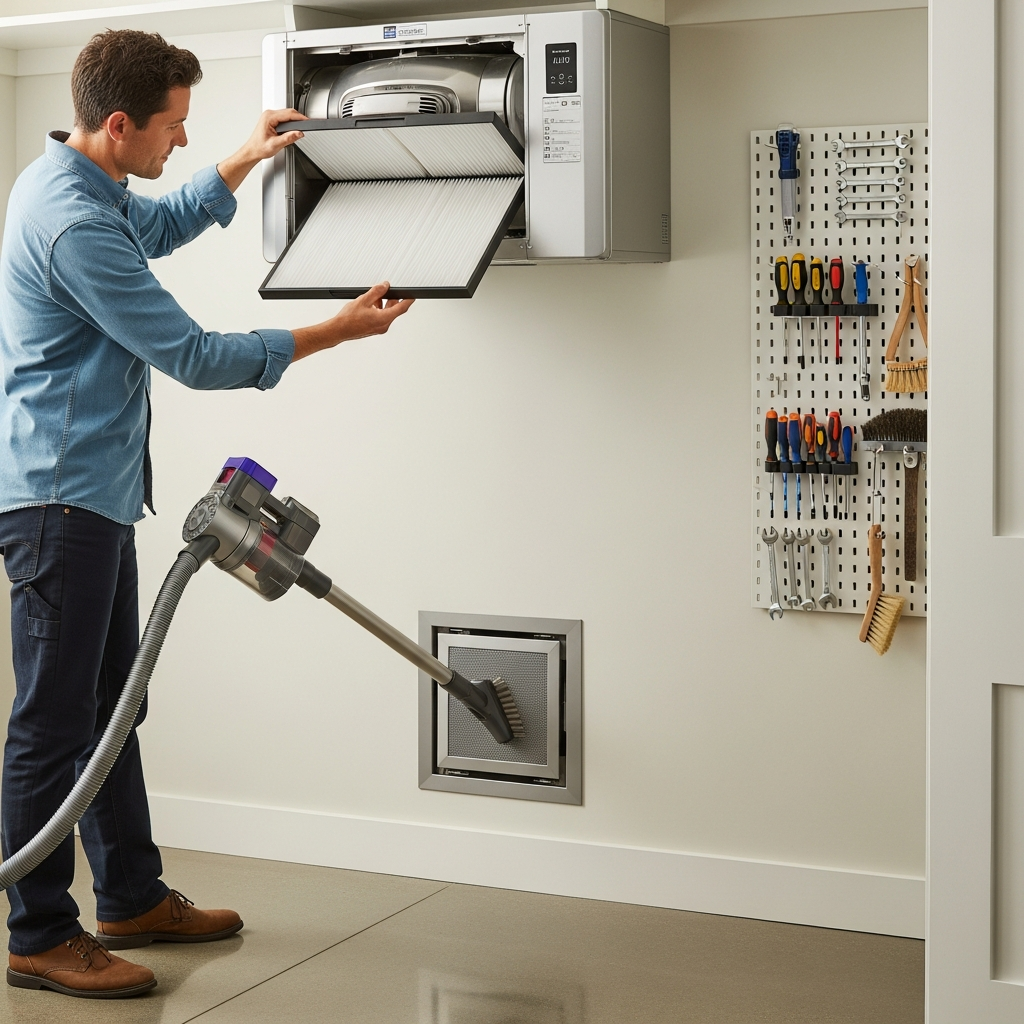
Filters are the front line. After replacement, your ducts are clean and sealed; keeping them that way hinges on the filter strategy at the air handler. In a coastal town, open windows and sliding doors invite salt spray and fine particulates indoors. Pets track beach sand, and seasonal smoke can test any system. Choose filters that balance capture with airflow, and commit to a change schedule. A clean filter lowers static pressure, which reduces fan effort, keeps noise down, and preserves the even delivery your new ducts were designed to provide.
Pay attention to the story your filter tells. Excessive dust buildup between scheduled changes may signal a new infiltration path somewhere, or a lifestyle shift—a now-constant home office, for example—that increases runtime. The filter becomes a quiet messenger prompting a closer look before small issues grow.
Keep an Eye on Attics and Crawl Spaces
Because so much ductwork travels through unconditioned spaces, a seasonal glance at those areas is wise. You are not inspecting every joint; you are scanning for broad changes. In attics, confirm that duct straps remain taut and spaced to prevent sags, and that insulation jackets are intact and uncompressed. After roof or electrical work, look again—other trades sometimes nudge runs unintentionally. In crawl spaces, make sure ducts remain elevated, vapor barriers look undisturbed, and there are no signs of pest activity.
These brief visual checks take minutes and prevent surprises. If you notice a flattening at a bend, a slipped strap, or a new vibration, a quick call for a tune-up now will be far easier than a repair in peak season.
Mind the Boots and Grills
After replacement, the connection between boots and drywall should be tight, an important detail that keeps air from escaping into the ceiling cavity and unfiltered air from sneaking in. From time to time, run your hand around supply grills to feel for drafts that should not be there. Dust rings or smudges can hint at leakage or a grill not seated properly. Gently vacuum grills to keep them clean, and if you remove a grill for painting, be sure it returns square and snug so the boot seal remains uncompromised.
Return grilles deserve equal attention. Because they draw air in, they collect dust faster. Keep them clean to prevent extra resistance, and listen for tonal changes—a new whistle or hum at a return can signal a clogged filter or a shifted connection that needs a practiced eye.
Watch for Changes in Sound
Healthy duct systems are storytellers, and their language is sound. When the network is balanced, startup is gentle, registers breathe quietly, and cycling feels unhurried. If a new note appears—a whoosh in a room that was always calm, or a whistle that accompanies a particular damper position—it is worth attention. Sound changes often precede performance changes, and addressing them early keeps comfort steady and avoids stress on equipment.
Keep notes if it helps. Jotting down when and where a sound appears, and under what conditions, gives a technician a head start on diagnosis. Small, attentive observations save time and protect your system’s easy rhythm.
Control Humidity and Ventilation Wisely
Malibu’s marine layer makes humidity management part of day-to-day comfort. Tight ducts help your cooling system dehumidify effectively, but household habits matter too. Use bath exhaust fans during showers and for a few minutes after. In the kitchen, run the hood during active cooking. These small steps reduce the moisture load your system must manage, helping ducts stay dry and insulation remain fluffy and effective.
During smoke events, close windows and let your filtration do the work. That is when sealed ducts shine, keeping unfiltered air out of the supply stream. After the event, a brief airing out on a clear day refreshes the home without overwhelming the system.
Safeguard the System During Home Projects
Renovations, even small ones, can ripple through a duct system. Before contractors begin, walk them through visible registers and returns, and remind them that attic or crawl-space runs are not storage shelves. Ask them to cap or cover registers if dust-producing work will occur nearby, and to alert you if they need to move any ducts for access. Protecting your distribution network during projects avoids setbacks and keeps the system clean.
After the work wraps, schedule a quick post-project check. It is the perfect time to confirm nothing shifted, seals at boots remain tight, and airflow still hits its targets. A short visit now prevents head-scratching months later.
Balance and Zoning: Gentle Adjustments Over Time
If your home includes zoning or balancing dampers, treat adjustments like steering a boat rather than tapping a brake. Small seasonal tweaks, informed by how rooms feel at different times of day, are better than sweeping changes. Keep dampers accessible and labeled, and make one change at a time so cause and effect remain clear. If a room’s use changes—a guest room becomes a studio—revisit balance to match the new pattern.
When in doubt, ask for a quick balancing visit. A few minutes with a flow hood and static pressure gauge can settle debates about whether a room needs more air or simply a different throw from the register.
Filter Upgrades Without the Penalty
During high-pollen months or wildfire smoke, you may want a higher-efficiency filter. Upgrading is feasible without straining the system, but do it thoughtfully. Choose media that pairs with your air handler’s capacity, and consider stepping up return size if you make a permanent change. The goal is to capture more without pushing static pressure beyond the quiet sweet spot your new ducts were designed for.
If you notice fan noise increase or rooms respond sluggishly after a filter change, that is feedback. Revisit filter choice or ask for a quick pressure check to confirm the network remains in balance.
Seasonal Checkups: Light Touch, Big Impact
Twice a year, align a system check with the seasons you rely on it most. In spring, look ahead to cooling; in fall, prepare for heating. These visits are less about repair and more about verification: static pressure, temperature splits, airflow, and a scan of critical joints and supports. With baseline numbers from commissioning, a technician can spot drift early and correct it before comfort falters.
These checkups are the secret sauce to longevity. They build a record that travels with your home, helping future service calls move faster and giving you confidence that the calm you feel today will still be there next summer and beyond.
Keep the Envelope in Sync
Your duct system does not live alone. Caulking around windows, sealing door thresholds, and maintaining attic hatches all support the work ducts do. When the building envelope stays tight, the distribution network does not have to overcome as much infiltration. The result is consistent comfort and a sense that the system barely has to try—even on the day when wind pushes hard or the sun lingers in your west-facing living room.
Small envelope fixes also protect air quality. Less outdoor dust and moisture sneaks in, letting your filtration keep pace easily. Think of these steps as a partnership: the home supports the ducts, and the ducts support the home.
What If Something Feels Off?
Trust your senses. If a room that used to settle nicely now feels sticky in the evening, or if a return that was once silent begins to hum, listen. The solution may be as simple as a fresh filter or a boot reseat after a ceiling paint job. Sometimes a strapping adjustment or a small reroute turns a new corner back into an easy curve. The key is addressing the nudge before it becomes a shove.
Keep communication simple and quick with your service team. Share what you notice, when it happens, and any recent changes to the home. That context helps us arrive prepared and keeps the visit efficient and focused.
Living with the Rhythm of Malibu
Coastal living rewards the prepared. On foggy mornings, your system gently lifts the chill; on breezy afternoons, it idles while the ocean takes the lead. On rare hot spells, it ramps smoothly, never shouting. After replacement, maintenance locks in that rhythm. Your home becomes a place where comfort is quiet, reliable, and almost taken for granted—a background condition that supports everything else you do.
From Point Mugu views to Malibu Lagoon breezes, no two properties are the same, which is why personalization matters. The tips that fit a bluff-top modern may differ slightly from those for a cozy beach cottage. The through-line is attention and care, applied easily over time.
Frequently Asked Questions
How often should I change filters after duct replacement?
Start with the schedule recommended for your filter type—often every one to three months—and adjust based on what you see and how the home feels. Malibu’s open-window lifestyle and seasonal smoke can shorten intervals. If a filter looks loaded early, that is information, not failure; respond by changing it and reassessing the interval.
Do new ducts need cleaning?
Clean, sealed ducts rarely need cleaning for many years. Focus on filtration and preventing infiltration from unconditioned spaces. If a home project created unusual dust or if a pest issue occurred, a targeted inspection is wise, but routine duct cleaning is not typically necessary in a well-sealed, well-maintained system.
What should I listen for as a warning sign?
New whistling at returns, a register that starts to roar, or vibration during startup are good cues. Also watch for rooms that begin to drift from setpoint or for dust collecting faster on surfaces. Small, new noises or comfort changes are invitations to check filters and connections.
Will higher-efficiency filters strain my system?
They can if paired with undersized returns or if changed without considering airflow. After replacement, you are better positioned to use higher-efficiency media because ducts and returns are right-sized. If noise increases or responsiveness fades after an upgrade, ask for a quick static pressure check and adjust accordingly.
How do I protect ducts during remodeling?
Brief your contractors, cover nearby registers, and ask them not to rest tools or materials on attic runs. After the project, have a technician verify that straps are tight, boots remain sealed, and airflow targets hold. A short visit now preserves long-term calm.
Are there seasonal steps specific to Malibu?
Before fire season, verify filters are fresh and windows seal well so you can rely on indoor filtration. In the damp winter months, use bath and kitchen exhaust to reduce moisture loads. After high-wind events, peek into attics or crawl spaces to confirm nothing shifted.
Can I adjust dampers myself?
Yes, with patience. Make small changes, one at a time, and give the home a day to respond before changing more. Keep notes so you can undo a tweak that did not help. If adjustments do not solve an issue, invite a technician to measure and balance with instruments.
What results should maintenance deliver?
Quiet operation, stable temperatures, and filters that tell a predictable story. When the network stays sealed and balanced, your home glides through Malibu’s daily climate rhythm with minimal effort and maximum ease.
Ready to Make Comfort Last
If your new system already feels like an upgrade, maintenance will turn it into a long-term asset. Build simple habits, schedule light seasonal checkups, and keep your eye—and ear—on the few cues that matter. When you decide it is time for guidance or a quick tune, reach out to local experts in book your duct replacement consultation and enjoy the calm confidence that comes from a home tuned to the coast and tuned to you.