Energy Efficiency Starts with the Path Air Travels
In Malibu, energy conversations often start with solar panels and smart thermostats, yet the biggest gains frequently come from a quieter hero: the duct system. I have watched homes overlooking Surfrider Beach and tucked deep in the canyons transform their energy profiles simply by modernizing how air moves. The latest trends in energy-efficient duct replacement are not flashy, but they are deeply effective. They reflect a maturing understanding of building science tailored to our coastal climate—an understanding that treats the duct network as an energy device in its own right.
Malibu’s microclimates magnify the importance of well-designed air pathways. Cool, damp mornings give way to luminous afternoons, while evening breezes ease temperatures back down. These swings create condensation cycles in attics and crawl spaces that age duct insulation and adhesives. Forward-thinking replacements embrace materials and layouts designed to thrive under those cycles, reducing leaks and preserving the energy you already paid to heat or cool.
Trend 1: Compact, Low-Loss Layouts
One of the most important shifts is toward compact duct design. Instead of long, meandering runs that snake across an attic, we tighten the layout, shorten branch lengths, and smooth transitions. The result is lower static pressure and fewer opportunities for heat gain or loss. In a Malibu bungalow with vaulted ceilings, for example, a reimagined central plenum with direct branches can cut friction losses dramatically. Fewer turns and shorter distances translate into quieter operation and reduced runtime, particularly noticeable on still, humid mornings when the system used to feel sluggish.
Compact layouts also simplify maintenance and inspection. It is easier to verify that straps are holding their shape and that insulation remains intact when the network is organized and accessible. That clarity pays dividends every season, especially after roof work or small renovations that might otherwise disturb runs hidden in distant corners.
Trend 2: Materials Built for Coastal Durability
Energy efficiency is inseparable from durability. In our salty air, lesser materials fail early and invite leaks that waste energy. The trend is clear: corrosion-resistant plenums and transitions, robust inner liners for flexible ducts, outer jackets that shrug off attic heat, and long-life mastics and tapes that do not dry out or peel under coastal conditions. Matching connectors, hangers, and boots complete the system, ensuring the strongest part is not let down by a weak link a few feet away.
When durability rises, performance stabilizes. You are not re-losing gains each season to pinholes, sags, and unraveling seams. Energy savings persist because the network stays sealed and insulated, year after year, through fog and fire season alike.
Trend 3: Right-Sizing for Variable-Speed Equipment
Modern heat pumps and air handlers prefer to cruise rather than sprint. They modulate output smoothly when duct resistance is low and predictable. Replacement projects increasingly prioritize sizing ducts to the actual operating curves of variable-speed equipment. That means larger returns to keep static pressure in the ideal range, carefully calculated trunk diameters, and branch sizes that deliver design airflow without turbulence. Homeowners notice the difference as steady temperatures, lower noise, and less on-off cycling.
Right-sizing also accommodates upgrades down the road. As more Malibu homes lean into electrification, a well-designed duct network becomes the platform on which these systems shine, proving that comfort and efficient operation can coexist even on those rare hot spells or the crispest winter mornings by the water.
Trend 4: Better Sealing at the Ceiling Plane
Energy efficiency in ducts is not only about the ducts themselves, but also the boundary where they meet your living space. We now treat boots and registers as critical air-sealing locations. By ensuring tight connections to drywall and sealing the perimeter, we prevent conditioned air from slipping into the ceiling cavity and stop dusty air from being pulled into the supply stream. This detail is especially meaningful in older Malibu homes where ceiling planes are a patchwork from decades of renovations.
The benefit is twofold: improved indoor air quality and better delivery of conditioned air to the room. It is the kind of small, meticulous step that adds up to a big, lived improvement across a home.
Trend 5: Thoughtful Zoning and Smart Controls
Zoning has matured. Rather than carving a home into too many small, competing zones, the trend is to create a few sensible zones aligned with use patterns and exposures—such as separating a sun-soaked great room from shaded bedrooms. When supported by a duct network designed to handle damper positions gracefully, zoning uses less energy while giving occupants control. Smart controls then manage schedules and small setpoint nudges so the system can idle when ocean breezes do the work and wake gently when needed.
The key is restraint and balance. A well-zoned home feels intuitive, not busy. The duct replacement lays the groundwork by ensuring that even at partial flows, static pressure remains friendly and airflow remains quiet.
Trend 6: Filtration and Energy Efficiency, Not Either/Or
Wildfire smoke in recent seasons made it clear that clean indoor air is as much an energy issue as a health one. When ducts leak, filters work harder and energy is wasted moving air that never reaches rooms. With tight ducts and generous returns, we can step up filtration without penalizing efficiency. The prevailing approach is to specify filters that balance capture with airflow, then design ducts to make that balance easy. The home stays cleaner and the system sips energy rather than gulping it.
For Malibu’s allergy-prone months, this trend has been a blessing. Homes feel fresher even with windows closed, and surfaces do not collect the same fine layer of dust that used to reappear a day after cleaning.
Trend 7: Commissioning as a Non-Negotiable
Perhaps the most vital trend is cultural: verification. We measure static pressure, temperature splits, and delivered airflow to confirm that the replacement performed as designed. In too many older systems, nobody ever checked. Commissioning ensures that gains are real and sets a performance baseline for future maintenance. Homeowners get more than a new network—they get proof that the network is delivering savings and comfort.
That data-driven approach makes it easier to spot drifts over time. If something changes after a renovation or unusual storm event, we have numbers to compare, not just memories of how the home used to feel. It is a modern, efficient way to keep homes tuned without guesswork.
Designing for Malibu’s Microclimates
Beachfront, bluff-top, canyon floor—each microclimate puts different demands on a duct system. In the canyons, evening cold air drainage challenges heating distribution. On the bluffs, solar gain through glass walls can create afternoon hot spots. Trend-setting replacements use room-by-room load insights to balance these differences. We increase supply to sunlit spaces during peak hours while ensuring bedrooms remain consistent and calm. The art is in harmonizing with the home’s architecture without fighting it.
Local knowledge matters here. Understanding the way fog lingers in certain pockets or how afternoon winds pressure one side of a house informs where returns sit and how supplies throw air. The duct system becomes a bespoke instrument tuned to a particular home’s daily score.
Attic and Crawl-Space Strategies That Save Energy
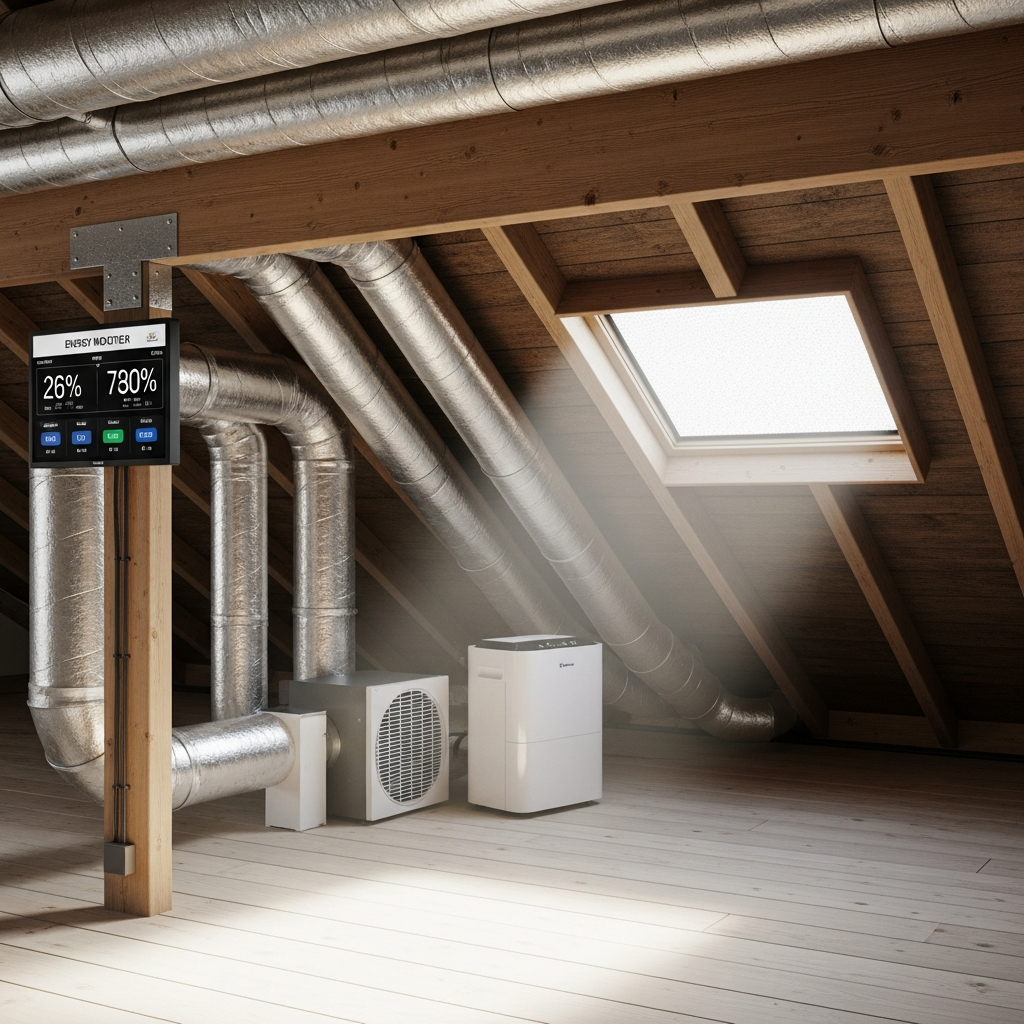
Because so much ductwork lives outside the conditioned envelope, managing those spaces is part of energy efficiency. We protect ducts from radiant attic heat with proper insulation and maintain clearances that keep jackets intact. In crawl spaces, we elevate and strap runs to prevent crushing and to reduce exposure to ground moisture. Seemingly small steps—like aligning strap spacing and tightening sags—can unlock significant airflow gains and help the system cruise at lower fan speeds.
We also plan for durability during service. Access pathways are considered so technicians can inspect and maintain without disturbing the network. An ounce of forethought prevents a pound of accidental energy loss down the line.
Mid-Project Transparency and Tuning
One of my favorite moments during a replacement is midstream airflow testing when the backbone is in place but grills are not yet installed. We can show exactly how adjustments—changing a transition angle or slightly upsizing a return—nudge the system toward peak performance. It is at this stage that I often remind homeowners to seek out specialists in duct replacement in Malibu because that tuning culture is what separates good from great in long-term energy savings.
This transparency builds confidence. Homeowners see the cause and effect and understand why details like boot sealing or strap spacing matter. The finished system then feels less like a mystery and more like a crafted tool serving the rhythms of the household.
Synergy with Electrification and Resilience
As more Malibu homes adopt heat pumps and consider battery storage, duct efficiency becomes a lever for resilience. Lower fan power and shorter runtimes make backup strategies more effective during outages, and a right-sized network supports comfortable operation under generator or battery constraints. Just as importantly, tight ducts help maintain indoor air quality when outdoor conditions deteriorate, a key comfort metric during regional smoke events.
In practice, this synergy means days when the breeze carries the cooling load, the system idles gracefully, and evenings when temperatures drop, the home warms evenly without surges. Energy efficiency is not only about numbers on a bill; it is about serene, predictable comfort that respects how you want to live.
What Homeowners Can Expect
Expect a process that begins with listening—how you use each space, where comfort frustrates you, and what your renovation plans might be. Then expect a design that maps those needs onto a compact, durable, quiet network. Installation follows with care for finishes and rigorous testing. When we are done, the thermostat becomes something you check less and less, because the home simply behaves.
The biggest compliment I hear is that life gets quieter and easier. Sunrooms stop overheating at 3 p.m., bedrooms feel gentle overnight, and the faint background rush of air fades to a whisper. That is energy efficiency you can hear and feel.
Frequently Asked Questions
How does duct replacement save energy in Malibu specifically?
By shortening runs, sealing leaks, and insulating appropriately for coastal conditions, replacement reduces losses between the air handler and rooms. Lower static pressure allows fans to move the same air at lower speeds, cutting electrical use. The system also cycles less because rooms reach setpoint faster and hold it longer.
Will better filtration hurt efficiency?
Not when designed correctly. We pair higher-efficiency filters with generous returns and right-sized ducts so static pressure remains in the ideal zone. The result is cleaner air and stable efficiency. Leaky, undersized systems are where filtration creates penalties; tight, well-sized systems handle it gracefully.
Is zoning worth it for energy savings?
In many Malibu homes, yes—when zones reflect genuine differences in use and exposure. Separating a sunlit living area from shaded bedrooms, for example, prevents over-conditioning one side of the house. The key is designing the duct network so it stays quiet and efficient even when one zone rests and another calls.
Which materials last longest near the ocean?
Corrosion-resistant metal plenums and transitions, robust inner liners on flex, durable outer jackets, and mastics and tapes that retain adhesion under humidity and heat. Matching hardware—hangers, connectors, and boots—prevents weak points that would otherwise undermine the system over time.
Can replacement help during smoke events?
Absolutely. Tight ducts keep unfiltered attic or crawl-space air out of the supply stream, letting your filtration protect indoor air more effectively with windows closed. Many homeowners notice dramatically improved air quality during regional smoke days after upgrading the distribution network.
How disruptive is the process?
With planning, disruption is modest. We protect finishes, stage materials, and often restore priority rooms first. Testing and commissioning happen during installation so the system performs on day one. Homeowners usually remark that the process was smoother and faster than expected.
Can I pair duct replacement with future electrification?
Yes, and it is wise to do so. A right-sized, low-resistance duct network is the foundation for efficient heat pump operation. When you later upgrade equipment, the distribution system will already be tuned for quiet, steady comfort.
What results should I feel right away?
Quieter airflow, steadier room-to-room temperatures, and faster response to thermostat changes. Over time, you will also notice cleaner air and a home that rides daily coastal swings with ease, using less energy to do so.
Make Your Home a Quiet Efficiency Story
If you are ready to translate smart design into everyday comfort, begin with the air pathways. A modern, compact, well-sealed network will make the most of your equipment and your Malibu microclimate. Start the conversation with local pros who take testing seriously and tune systems to your lifestyle. When you are prepared to move forward, connect with specialists to plan your duct replacement and enjoy the hush and steadiness that come from an energy-smart home by the sea.