
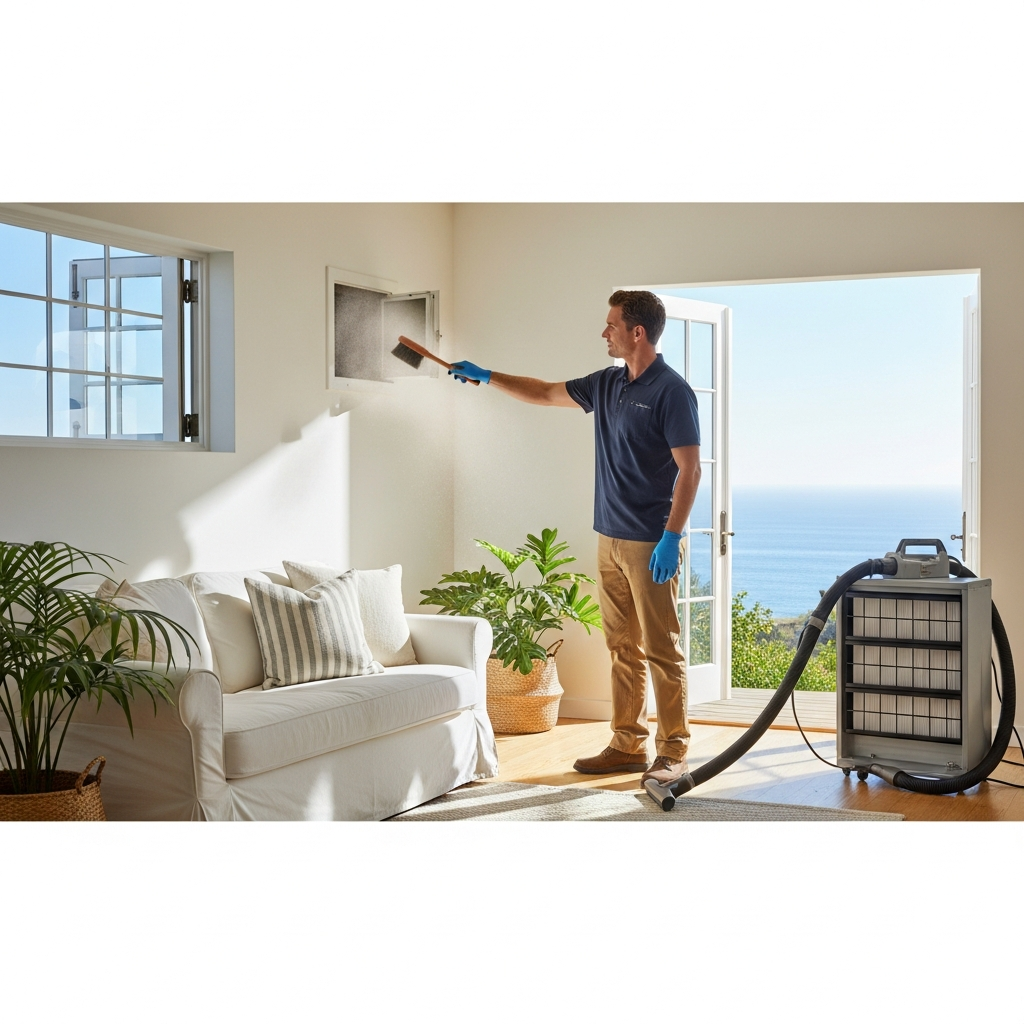
If you live in Malibu and battle seasonal sniffles, you already know our beautiful coastline and rugged canyons come with a trade-off: airborne irritants that ebb and flow with the weather. From breezy afternoons that track fine sand into open windows to autumn winds that lift chaparral pollen off canyon slopes, the environment shapes what settles inside our homes and, eventually, our ductwork. Over the years, I’ve watched homeowners transform their day-to-day comfort by paying closer attention to what’s circulating through their HVAC systems. The goal isn’t to create a sterile bubble; it’s to lessen the load of irritants so your body isn’t fighting an uphill battle. One element of that strategy is thoughtful, professional air duct cleaning that matches Malibu’s unique microclimates and your family’s sensitivities.
Allergy relief is rarely about one silver bullet. Instead, think of a series of nudges that together shift your indoor environment toward calm. I’ve seen this play out in ocean-close cottages where windows are open most days, and in canyon homes where shade and moisture encourage a different mix of organic particulates. Regardless of where you are on the map, the story begins with understanding how air moves through your space, what collects along the way, and how to interrupt that cycle with care rather than brute force.
What Malibu’s climate means for allergy triggers
Coastal living brings salt-kissed air that feels cleansing, but it also carries ultrafine particles that can adhere to surfaces and bind with dust inside ducts. In the canyons, late winter and spring awaken shrubs and trees that release pollen in pulses, especially after rains. When hot, dry winds arrive, they lift more than pollen—they churn soil, leaf matter, and even microscopic ash from past fire seasons. The result is a shifting blend of irritants that sneak into homes through open windows, door gaps, and even during routine foot traffic. Over time, some fraction of that load makes its way through returns and settles inside ductwork, where it can be dislodged in small bursts each time the system cycles on.
For households with sensitive sinuses or asthma, those microbursts matter. They’re not always visible, and you might not smell them, but your airways know the difference. This is why targeted maintenance, timed to our local seasons, can smooth out the peaks and valleys of symptoms that many Malibu residents describe.
Understanding the path irritants take in your home
Imagine your home’s air as a slow river. Returns pull it in, filters strain out what they can, the air handler conditions it, and supplies push it back into your rooms. Along the journey, bends, transitions, and textured duct interiors offer footholds where dust and pollen settle. Every door opening, cooking session, or pet zoomie can briefly stir that material. Good filtration helps a lot, but no filter captures everything. When the accumulation inside ducts reaches a certain point, you begin to notice patterns: dust on surfaces not long after you clean, a faint mustiness when the system starts, or morning congestion that eases after you’ve been outside for a while.
These observational clues are gold for a seasoned technician. Rather than treating every system the same, they listen for your story and match it to what they see—register staining, filter bypass, return grille loading, or telltale signs at the air handler. That narrative approach keeps the focus where it belongs: measurable conditions and practical steps that move the needle on comfort.
How professional cleaning supports allergy relief
When done well, duct cleaning complements filtration and humidity management by removing the settled material that continually seeds your indoor air. Crews set up negative pressure at the system to ensure debris is captured, then proceed branch by branch to agitate and draw particulates toward the collection unit. Returns typically receive extra care, as they accumulate the largest volume of household dust and dander. In homes near the beach, the crew may encounter a fine film with a slightly tacky feel; in canyons, a lighter but more abundant dust. Each calls for slightly different tools and touch to protect duct materials while effectively dislodging contaminants.
It’s not about scouring your system into austerity; it’s about reducing the baseline of irritants so that your body’s threshold isn’t crossed as easily. Homeowners often report clearer mornings, fewer afternoon sneezes when the AC kicks on, and less of that “dust bloom” feeling after weekend cleaning sessions. These are small wins that add up.
Filter strategy and airflow basics
All cleaning gains fade if filters don’t fit well or aren’t changed on rhythm. I can’t count how many times I’ve seen filter racks with tiny gaps that allow unfiltered air to skate past. Those gaps matter. A snug fit ensures your system actually uses the filtration you’re paying for. Equally important is choosing a filter grade that balances capture with airflow; overspecifying can strain equipment and underspecifying lets too much through. In our climate, with fluctuating loads and frequent window opening, a smart filter cadence tied to actual conditions—visible loading, seasonal shifts, big life events like a remodel or new pet—is more valuable than any calendar reminder.
Airflow balance also deserves attention. Rooms that feel starved for supply air can create subtle pressure differences that encourage infiltration through wall cavities or under doors, bringing more irritants into circulation. After cleaning, a quick review of damper positions, register settings, and return paths keeps your system’s breathing smooth and consistent.
Moisture, mold, and the canyon factor
Canyon properties introduce an extra layer: shade and moisture. While Malibu isn’t a rainforest, north-facing slopes and covered decks can keep areas cool and slightly damp. In such conditions, any water intrusion near ducts or around the air handler should be addressed carefully. Professional cleaning teams know to look for signs of past moisture, evaluate insulation contact, and recommend further steps if they find signs that warrant attention. The key is specificity—responding to actual findings rather than blanket treatments that don’t match your home’s reality.
If moisture has been present, technicians may suggest targeted sanitizing products suited to your duct material. Equally important is tackling the source: improving drainage, sealing exterior gaps, or adjusting how often windows are opened during cool, damp mornings. Allergy relief is as much about prevention as it is about removal.
Life with pets, kids, and open windows
Pets bring joy, but also dander. Children fill a home with life—and glitter, construction paper confetti, and plenty of foot traffic. Open windows welcome ocean breezes along with fine sand. None of these are reasons to close up shop and live in a bubble. Instead, use them to guide a realistic rhythm. If you host often, consider gently ramping up ventilation and filtration before and after gatherings. If your dog sheds seasonally, align filter changes with that cycle. If your windows are open most days, be a bit more attentive to return grille dust and keep surfaces around registers clean so they don’t contribute secondary debris into the airstream.
After a thorough cleaning, many families experience longer stretches between dusting sessions, fewer flare-ups after vacuuming, and a general sense of ease when the system starts. These aren’t just anecdotes; they mirror the way particulate load and trigger exposure influence our bodies.
Telltale signs your system is ready for attention
There are patterns I watch for in Malibu homes. A faint smoky or musty scent right as the fan motor spins up can reflect dust that’s been resting between cycles. Persistent dust at the leading edge of supply grilles suggests accumulation inside branch lines. Filters that load quickly may signal a return path pulling more household dust than usual, perhaps from a gap or a particularly active area. None of these signs are cause for alarm, but they are nudges to investigate. A quick assessment by a reputable team will confirm whether cleaning is warranted and what else, if anything, should be adjusted.
It’s worth noting that not every system needs the same intensity of work. Some are relatively clean and benefit from a gentle pass and a reset of filters and seals. Others, especially after nearby construction or a long renovation, require more decisive agitation and containment. Specificity is your friend.
How Malibu homes shape logistics and setup
Our topography and architecture create distinct logistical challenges. Beachfront homes might have limited driveway space for staging equipment; hillside properties may require long hose runs or careful ladder work for high registers. Reliable teams anticipate these realities, protect floors and finishes, and coordinate access so the day feels orderly rather than chaotic. They also understand the rhythm of Pacific Coast Highway and Malibu Canyon, setting windows that respect school traffic, surf events, and film activity that can complicate timing.
Inside, experienced technicians move through your home with a choreography that balances efficiency and respect. Bedrooms first if naps are on the schedule, the home office during a planned walk or errand, and common areas when you’re least likely to need them. This kind of sequencing doesn’t just feel better; it also promotes a more thorough result by minimizing mid-process interruptions.
Why thorough documentation matters
When allergies are part of the conversation, documentation becomes more than a receipt. Before-and-after photos anchor the story of what was found and what was removed. Notes on filter fit, return conditions, and any observed bypass give you a map for ongoing adjustments. If the crew suggests targeted sanitizing or points out a moisture concern, you’ll want those details for future reference. Clear documentation makes it easier to track whether symptoms recede after the work and to time your next maintenance step.
That paper trail also builds trust. In a place like Malibu where service providers come and go, a team that leaves behind clear images and notes proves that their attention extended beyond the invoice to your comfort.
The middle mile: keeping improvements going
After a successful cleaning, you control the middle mile—the period during which everyday habits determine how long the benefits last. Be mindful of open windows on high-pollen days when winds are pushing inland. Use door mats at entries that actually see use. Vacuum with a machine that has effective filtration so you’re not aerosolizing what you lift off carpets. And keep an eye on filter condition rather than only the calendar. When needed, bring in professional air duct cleaning at intervals that align with your home’s rhythms, not someone else’s generic schedule.
Small choices add up. Over a year, they can shape whether you’re reaching for tissues daily or only occasionally. In my experience, households that treat indoor air quality as a practice rather than a project see the steadiest comfort.
FAQs
Can duct cleaning really help with allergy symptoms?
For many Malibu homeowners, yes. By removing settled dust, pollen, and dander from inside ductwork, you reduce the particulate bursts that occur when the system starts. Combined with good filtration and smart habits, this can lead to fewer symptoms and calmer mornings.
How do I know if my ducts are contributing to my allergies?
Clues include dust on surfaces soon after cleaning, a faint odor when the fan starts, and noticeable dust at supply grille edges. A professional assessment can confirm whether there’s significant accumulation and identify other contributors like filter bypass or return issues.
What about mold concerns in canyon homes?
Moisture-prone areas require careful evaluation. If technicians see signs consistent with moisture intrusion, they’ll recommend appropriate steps tailored to your duct materials and the source of the issue. The emphasis should be on findings, not assumptions.
Do new homes need attention, too?
New construction often leaves behind drywall dust, sawdust, and installation debris that can irritate sensitive airways. A post-build cleaning and filter reset can be especially helpful for families prone to allergies.
Will the process be disruptive?
There is some noise and temporary access limits, but a considerate team sequences work around your schedule, protects floors and finishes, and communicates clearly throughout the day. Most homeowners are surprised by how manageable it feels.
How often should I schedule cleaning if allergies are a concern?
Frequency depends on your location, habits, pets, and sensitivity levels. Many households revisit the question after major seasonal changes, a renovation, or a noticeable uptick in symptoms. An individualized cadence beats a universal timeline.
What else should I do besides cleaning?
Focus on filter fit and grade, moisture management where relevant, and smart ventilation choices. Keep an eye on return grilles and high-traffic areas that contribute dust. Together, these steps extend the benefits and reduce triggers.
If you’re ready to create calmer air in your Malibu home and want a team that listens to your needs, now is a good time to schedule professional air duct cleaning. With a thoughtful plan and respectful on-site care, you can make your home a gentler place for sensitive airways all year long.