
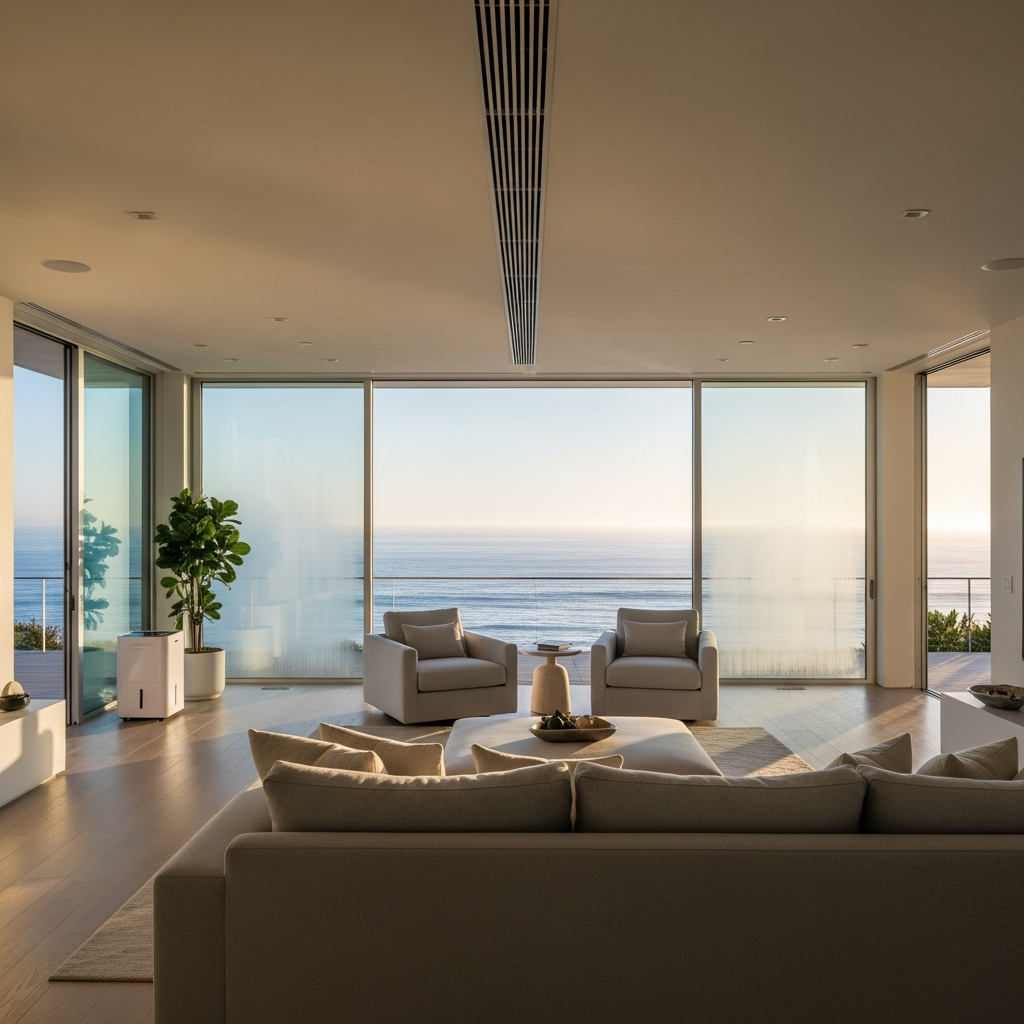
When you live on the edge of the Pacific, your home’s comfort story reads a little differently. The breeze off Point Dume can carry a chill at dawn, the afternoon sun can blaze across broad glass walls, and fog can roll in just when you want to open the sliders for fresh air. In Malibu, that dance between marine layer and sunshine is daily life, and it is precisely why thoughtfully designed air conditioning brings so many day-to-day benefits to coastal homes. Not just colder air, but steadier humidity, better air quality during wildfire season, and a quieter, more controllable environment where you can enjoy the ocean without bringing its harsher edges indoors.
As a local who has tuned systems from Carbon Beach to Trancas, I’ve seen how the coastline’s beauty creates distinct design and performance needs. Our homes are often open-plan, with dramatic rooms that soar, exterior walls lined with glazing, and decks that turn living rooms into breezeways. Those architectural choices make Malibu homes magical, but they also invite heat gain, salt-mist corrosion, and uneven temperatures. The right equipment, sized and zoned with the site in mind, can offset these challenges, so comfort never comes at the expense of the view.
Comfort That Adapts to Malibu’s Microclimates
Malibu is not a single climate. Morning fog cools Serra Retreat, while a mile away a canyon funnels warm air and bumps afternoon temperatures by several degrees. A well-planned air conditioning setup accounts for this by using variable-speed compressors and air handlers that can glide rather than slam from one speed to another. Instead of a system that blasts, coasts, and blasts again, variable technology modulates to match the exact load in the moment, which means steadier temperatures and far fewer hot-and-cold swings as the day changes.
This modulation pays off most in rooms with broad windows. Late-day sun hitting an ocean-facing wall can spike room temperatures quickly. A variable-speed unit senses that gentle climb and responds calmly, keeping comfort consistent without the noise and draftiness people associate with older AC. In hillside homes near Latigo or Las Flores, where airflow patterns can shift suddenly, that smooth response eliminates the roller-coaster effect and makes every hour feel predictable.
Quiet Cooling for Relaxed Living
If you’ve ever tried to enjoy an evening on the deck and found yourself talking over a buzzing condenser, you understand why quiet matters here. Malibu’s soundscape is surf, birds, and a whispering breeze; your cooling should slip into that soundtrack unnoticed. Modern condensers with advanced fan designs and insulated cabinets can be astonishingly quiet, and when sited properly—shielded from direct wind and away from echo-prone corners—they recede into the background entirely. Inside, variable-speed air handlers move air with less velocity, so airflow sounds like a soft breath rather than a gust. Peace and quiet are benefits just as tangible as the temperature on the thermostat.
Quiet isn’t only about enjoyment. For homes where bedrooms face the ocean or are near a neighbor’s deck, a silent outdoor unit maintains both your privacy and theirs. It also protects value; buyers take note of serene mechanical systems in a way they might not in other markets, because the difference is so audible in a coastal setting.
Humidity Control That Protects and Preserves
Fog and sea breeze raise indoor humidity even when temperatures feel moderate. Over time, that moisture sneaks into finishes, hardwood floors, cabinetry, and art. Good air conditioning does more than cool; it dehumidifies. Variable-speed systems, in particular, spend longer periods in low-power operation, which increases moisture removal without overcooling the space. The result is a home that feels crisp instead of clammy, an especially welcome improvement on those June Gloom mornings.
Humidity control protects investments, too. Salt and moisture are a one-two punch for corrosion and mildew. By keeping relative humidity in a comfortable middle range, your AC helps prevent swelling in door frames, warping in floors, and mustiness in closets. For wine storage rooms tucked under stairs or art studios over garages, that stable humidity can be the difference between worry and ease. I’ve met more than one Malibu guitarist grateful that a dialed-in cooling setup kept their favorite instrument from going out of tune with every marine-layer swing.
Healthier Indoor Air During Smoke and Wind Events
We all know that certain weeks of the year can bring smoke and fine particles down the canyons. When that happens, closing windows is a start, but it is your air conditioning and filtration that carry the load. High-efficiency media filters, properly sized for the system, capture more particulates without choking airflow. Sealed return plenums and well-fitted doors on equipment closets prevent dusty bypass around the filter, so everything the fan pulls in actually goes through the media.
For households near canyons like Encinal or Ramirez, adding enhanced filtration and ensuring ductwork is tight can transform indoor air during those events. Continuous low-speed fan operation can circulate air gently through the filter even when cooling isn’t required, cleaning the air while keeping noise to a minimum. The benefit is not abstract; during the worst days, cleaner indoor air becomes the most important comfort you can buy.
Smarter Zoning for Open-Plan and Multi-Level Homes
Many Malibu homes spill across levels—main living upstairs for views, bedrooms tucked below, and detached guest spaces a short walk away. Zoning divides the home into areas that can be conditioned independently, so the kitchen isn’t overcooled just to make the downstairs bedroom comfortable. With smart dampers and dedicated thermostats, you can tailor comfort to how you actually live. If the great room sees action from breakfast to sunset, keep it perfect. If the guest suite sits empty most weeks, let it drift and save energy.
In practice, an effective zoning plan starts with airflow. Ducts sized for quiet, steady movement keep zones from fighting each other. Thoughtful return placement prevents stagnant pockets near glass walls and open stairwells. And modern controls let you manage it all from your phone, so you can nudge temperatures before heading up PCH. Well-zoned air conditioning systems also keep peace in the household—no more late-night negotiations over which floor gets the cool air.
Energy Efficiency That Pays You Back in Comfort
Malibu homeowners are often as concerned about footprint as they are about utility bills. Fortunately, the same measures that lower energy use also improve comfort. Proper equipment sizing is first; oversized units short-cycle, create drafts, and do a poor job of dehumidifying. A right-sized system, on the other hand, runs longer and gentler, which is both efficient and pleasant. Add in well-sealed, insulated ductwork—especially important in attics that warm quickly under coastal sun—and your system can perform to its rating rather than fighting losses along the way.
Smart thermostats with adaptive algorithms learn your routine. They’ll begin pre-cooling before the sun hits your west-facing rooms, minimizing peak loads while keeping you unaware of the orchestration behind the scenes. If you split your time between Malibu and elsewhere, geofencing and schedules prevent conditioning an empty house. Over the long span of ownership, efficiency habits accumulate into a profound day-to-day ease: the house simply feels right more often.
Materials and Design That Stand Up to Salt Air
Salt air is tough on equipment. The best coastal installations fight back with materials and layout. Look for coated coils, stainless fasteners, and finishes designed for seaside use. Place outdoor units where they see circulation but not direct spray, and consider wind baffles in exposed lots to prevent fan overwork on blustery afternoons. Small details—like sacrificial anode kits and protective screens that don’t impede airflow—extend equipment life and performance.
Indoors, condensate management matters. When fog condenses on colder coils, drains must flow freely. Routing and trapping that resist odor and blockage prevent inconvenient leaks in utility rooms or garages. These aren’t glamorous details, but they are the reasons a system keeps doing its job year after year without intruding on your life.
Better Sleep and Quieter Mornings
Comfort at night is its own category of benefit. Bedrooms that are a degree or two cooler than living spaces help most people fall asleep faster and stay asleep longer, particularly during late-summer heat spells when winds calm and air hangs still. With well-designed supply placement, you can bathe a room in cool without blasting the head of the bed. Variable systems whisper through the night rather than waking light sleepers with a clunk and a rush.
And when dawn brings mist, you can hold the room dry and clear until the sun lifts the marine layer. That means crisp linens, windows that don’t fog, and mornings where the ocean is something you look at rather than something your walls absorb.
Protecting Art, Wood, and the Little Things
Malibu homes often double as galleries and music rooms. Art on the walls, sculptural furniture, heirloom rugs—each is sensitive to moisture and temperature. Consistent conditioning shields those pieces without you having to think about them. Over months and years, dehumidification prevents micro-swelling in wood and the slow fogging of framed glass. If you collect surfboards or keep cameras ready by the door, the same stability means less wax bloom on boards and fewer lens-cleaning sessions before sunrise sessions.
Even your home’s mechanical spaces benefit. Corrosion in electrical panels and on plumbing in coastal garages is common; a drier envelope slows that process, reducing nuisance trips, flickers, and the small frustrations that come from metal living close to the ocean.
Resale Appeal and Everyday Livability
Ask any local agent and they’ll tell you: quiet, efficient, well-zoned cooling is a selling point. Buyers touring homes from Paradise Cove to Big Rock often spend as much time feeling a space as looking at it. If the air is fresh, the temperature consistent, and the mechanicals tucked away doing their job silently, it creates confidence in the house. That confidence translates to time on market and how a buyer imagines their life there.
But the bigger benefit is the ordinary day. Coming home from a beach walk to a house that smells clean and feels steady, cooking in a kitchen that stays comfortable even when doors are open to the deck, or hosting a dinner where the great room stays balanced despite a western sunset—those are the intangible wins that make you forget the system is even there.
Making the Most of Natural Ventilation—Without Sacrificing Control
We live where outdoor living is part of the point. On most days, coastal breezes are wonderful. Modern cooling integrates with that lifestyle rather than fighting it. With a good design, you can throw open the sliders for sea air when it’s pleasant, then close up seamlessly when fog, pollen, or smoke roll in. Smart controls can even resume a gentle clean-up mode, drying out what the fog left behind without turning the house into a refrigerator.
This partnership with nature makes your home more livable, not less. You get the flexibility to choose what the day gives, with a safety net of comfort ready in the wings. That optionality is a quiet but powerful benefit of a capable system.
From Concept to Comfort: Designing for Your Malibu Lot
Every property is a little ecosystem. A home tucked behind knolls near Zuma may be sheltered from wind but bathed in afternoon sun, while one at the end of a point might be shaded but constantly breezy. A coastal-savvy design team looks at exposure, materials, window orientation, and how you actually use the house. Equipment location, duct routing that minds sound and aesthetics, and zoning that maps to daily life—these are the levers that turn technology into invisible comfort.
In remodels, this can mean modest changes with big payoffs: moving a return away from a sunny stairwell, reinsulating a handful of duct runs through a warm attic, or upgrading to a variable-speed air handler that matches an existing condenser. In new construction, the choices are even broader, from coastal-rated materials to dedicated dehumidification when needed.
Why Now Is the Right Time
Recent equipment advances have been kind to coastal homeowners. Efficiency standards pushed manufacturers to design units that sip power while providing better moisture control and quieter operation. Controls have grown more intuitive, and protective coatings extend life in salty air. If you have a system more than a decade old, the gap between then and now is big enough that you feel the difference in the first week. The home gets calmer, the air crisper, and the mechanical soundtrack fades into near silence.
And because Malibu homes are personal, bespoke places, customization is easier than ever. Whether you live full-time near Escondido Beach or split time and arrive on weekends, you can tune schedules, monitor indoor conditions remotely, and know that when you walk in, the home will already be at its best. In a place where what’s outside your windows is as important as what’s inside your walls, that is a benefit that never stops giving.
FAQ: Malibu Air Conditioning Benefits
Q: Do I really need AC this close to the ocean?
A: On many days, breezes are enough. But humidity, smoke events, and late-summer heat waves make dependable cooling and dehumidification a quality-of-life upgrade. Think of it as a comfort and air-quality system, not just cooling.
Q: Will salt air ruin my equipment?
A: Coastal-rated materials, protective coatings, and smart placement dramatically reduce corrosion. Pair those with routine rinse-downs and periodic service, and your system can thrive by the sea.
Q: Can I keep windows open sometimes and still benefit?
A: Absolutely. Modern controls make switching between natural ventilation and conditioned air simple. When fog or smoke arrives, close up and let the system quietly dry and clean the air.
Q: What about noise around decks and patios?
A: Newer condensers are far quieter than earlier generations. With careful siting and wind baffling where needed, outdoor living stays serene.
Q: Will zoning complicate my life?
A: Good zoning simplifies it. You set temperatures for how you actually use the home, and the system handles the rest. Guests sleep well, kitchens stay comfortable, and you waste less energy conditioning empty rooms.
Q: How does AC help during wildfire smoke?
A: With efficient filtration and sealed ductwork, your system becomes a circulator and cleaner, pulling particulates from indoor air while keeping windows closed.
Q: Is upgrading worth it if my current system still works?
A: If your system is older or struggles with humidity or noise, modern equipment can deliver quieter, steadier comfort and better air quality. The everyday difference is significant in coastal homes.
Ready to experience steady comfort, crisp air, and quiet operation tailored to your coastal lifestyle? Reach out to a trusted local pro and start with a conversation about your lot, your home’s layout, and your priorities. Whether you live steps from the sand or up in the canyons, a well-designed air conditioning solution can make every day in Malibu feel exactly right.