
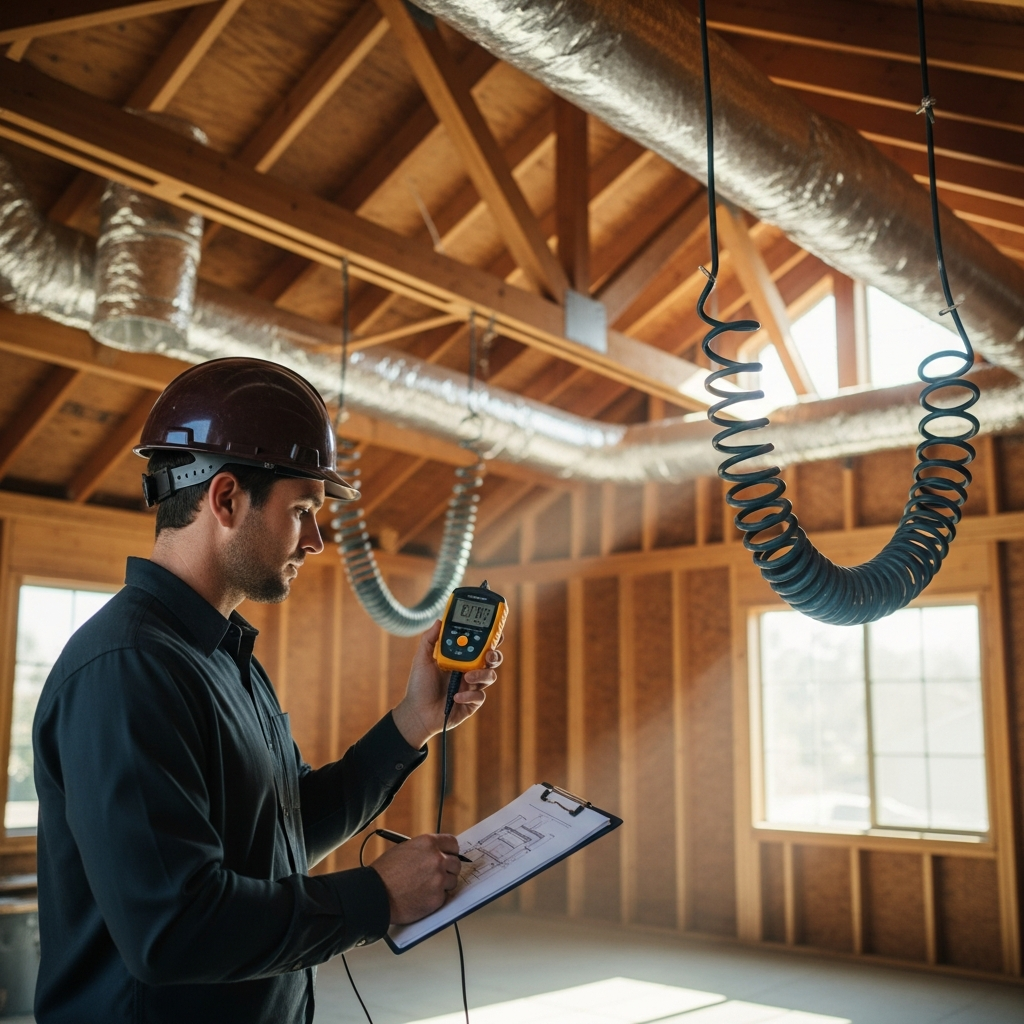
Choosing the right professional for duct replacement in Malibu is about more than swapping materials in your attic. It is about trust, craftsmanship, and a deep understanding of how coastal conditions shape the performance of your home’s air distribution. Licensed contractors bring training, accountability, and a commitment to building systems that meet standards today and stand steady for years. If you are at the stage of evaluating who should do the work, you are already focused on the most important variable in the outcome. Many homeowners begin by reviewing the scope of duct replacement so they can ask better questions and recognize a plan that has been tailored to their home rather than copied from a template.
In Malibu, the best projects are conversations. They start with listening: where do you feel drafts, which rooms never settle, what does the thermostat do on windy afternoons? A licensed contractor turns those lived experiences into design choices—resizing runs to quiet that office vent, adding a return to the primary suite, or selecting insulation that keeps morning fog from condensing where it does not belong. The difference between a replacement and a transformation is nearly always the quality of the team doing the work.
Why Licensing Matters in California
Licensing signals more than permission; it reflects training, testing, and legal accountability. In California, licensed HVAC professionals are versed in state energy standards, mechanical codes, and safety practices that protect your home and family. They know how to route ducts for proper clearances, secure supports at correct intervals, and seal joints with materials designed to outlast the tape-and-hope methods of decades past. When questions arise during inspection, licensed contractors navigate them with ease because the work was planned to meet requirements from the outset.
Insurance and bonding are part of this picture too. A licensed contractor operates within a framework that safeguards homeowners and crews. It is not just about paperwork; it is about delivering results with fewer surprises and complete transparency. In a community like Malibu, where homes can be complex and access tricky, that confidence is worth a great deal.
Local Knowledge: Malibu’s Microclimates and Materials
A contractor who works regularly in Malibu knows how sun exposure varies along the coast and how afternoon winds rush through certain canyons. That experience translates into smarter routing, fewer heat-soaked runs, and diffuser choices that feel natural to the room. They understand the implications of salt-laden air on unconditioned spaces and choose materials that will resist, not just survive, the environment. Rigid metal trunks with external insulation, short and properly supported flex runs, sealed boots, and mastic-sealed joints form the backbone of systems that thrive here.
Attic realities are another realm where local experience pays dividends. Some homes present low eaves and minimal clearance that demand creative yet code-aligned solutions. Others have generous attics but older duct layouts that waste space and pressure. A contractor with Malibu mileage can read these spaces quickly and propose designs that fit both the physics of airflow and the practicalities of installation.
Designing to Solve Real Problems
The strongest indicator you have found the right contractor is their focus on solving your specific comfort issues. If a room refuses to warm on winter mornings, they investigate whether the run is undersized, poorly routed, or simply leaking. If family members disagree about thermostat settings because the upstairs runs warm, the design may introduce a dedicated return or rebalance supplies. Measurements drive decisions: static pressure readings, airflow checks at registers, and duct leakage tests reveal where the system is struggling and where new ducts will have the greatest impact.
Good design also acknowledges how you live. An open kitchen that hosts gatherings needs a diffuser with a throw that reaches the island without creating a draft at the dining table. A home office should receive steady, quiet airflow throughout the day, not bursts of noise that interrupt calls. These are not luxuries—these are elements of a home that simply works.
Permits, Inspections, and Peace of Mind
Licensed contractors manage permitting and inspections as part of the process, not as afterthoughts. They document the existing system, produce a clear plan, and coordinate with inspectors to demonstrate compliance. When a city or county requires duct leakage testing, they welcome it because it quantifies the improvement. The upshot for homeowners is clarity: you see that the work meets standards, and you have the paperwork to prove it when you sell or remodel later.
Communication during inspections matters. When the inspector asks about insulation values, support spacing, or sealing methods, a confident answer built on the installed work itself speeds approval. That efficiency keeps the project moving and prevents lingering punch lists that can drag on after you think the job is done.
What the Replacement Experience Feels Like
A well-run project is as much about how it is conducted as it is about how it performs afterward. Crews protect walkways, cover sensitive areas, and maintain a clean access path to attics or crawlspaces. They remove old ducts in stages, keeping debris contained and equipment isolated. New sections are assembled on site with joints sealed as they go, rather than at the end in a rushed sweep. Supports are positioned to prevent future sagging, and boots are secured airtight to ceilings before registers are set. At each stage, the team double-checks measurements so the final system matches the design, not a compromise reached in haste.
Homeowners often get status updates each day—a quick walkthrough of what was completed, what is next, and any small choices to make about diffuser styles or trim. These small touchpoints turn a complex technical task into a surprisingly comfortable experience for the family living through it.
Mid-Project Verification and Fine-Tuning
Licensed contractors love data because it turns craftsmanship into measurable performance. Midway through, they may test static pressure and airflow, verifying that a quiet office is indeed quieter and that an upstairs bedroom receives the share of air the design promised. Dampers are set, returns tuned, and diffuser patterns tested with a hand anemometer. This is also a logical moment to revisit your initial goals—the same ones that brought you to research duct replacement—and confirm every box is being checked, from quieter operation to better balance.
When crews invite you to feel the difference at a register or stand in a room while the system cycles, they are demonstrating not just progress but proof. That confidence comes from training, repetition, and a commitment to doing the right thing even when it takes a little longer.
Aftercare: Maintenance and Documentation
When the work is complete, a licensed contractor provides documentation—photos, test results, and any as-built notes—so you have a clear record of what changed and why. They recommend a filter schedule and outline seasonal checkups that keep the system tuned. If you ever remodel a room or change how a space is used, those documents become invaluable references that help future professionals build on what is already working.
Day to day, your new ducts should fade into the background. Even temperatures, reduced dust, and a calmer soundscape tell you the system is doing its job. If something feels off as seasons shift, a quick call and a targeted adjustment are usually all it takes to restore the balance you enjoyed on day one.
Questions to Ask Before You Hire
Strong choices begin with strong questions. Ask prospective contractors how they size and balance systems, what materials they prefer for coastal conditions, and how they verify performance. Ask how they protect your home during the work and how they coordinate with inspectors. Listen for specificity—details about supports, sealing compounds, diffuser selection, and measurement tools. The more clearly a contractor can explain the why behind the what, the more likely you are to enjoy a result that feels custom-fit to your home.
If two proposals look similar on paper, the walkthrough and the contractor’s answers often reveal the better path. Look for a plan that feels orderly and intentional, one that addresses your exact comfort complaints instead of promising a generic fix.
FAQs: Licensed Contractors and Duct Replacement
Q: Why should I insist on a licensed contractor? A: Licensing signals training, code knowledge, and accountability. It protects your home and ensures the work meets standards that stand up over time.
Q: How do I know if a contractor truly understands Malibu’s climate? A: They will talk about salt air, temperature swings in attics, and routing choices that minimize exposure. Their material selections and sealing strategies will reflect those realities.
Q: Will a licensed contractor handle permits and inspections? A: Yes, that is typically part of the service. Clear documentation and confident communication with inspectors are hallmarks of professionals.
Q: Can I expect measurable improvements? A: Absolutely. Duct leakage tests, airflow measurements, and static pressure readings quantify gains in comfort and performance.
Q: How disruptive is the process? A: With protections in place, most families remain at home during the work. Daily updates help you plan around access to certain rooms or hallways.
Q: What happens if something feels off after completion? A: Reputable contractors return promptly to fine-tune dampers or diffuser settings. Warranty support and responsive communication are part of a professional relationship.
Q: Do licensed contractors offer design tweaks for aesthetics? A: Yes. From discreet registers to linear diffusers in modern spaces, they align function with the look and feel of your home.
Q: How soon should I schedule maintenance? A: Follow the recommended filter changes and plan an annual check. That small habit protects the performance you invested in.
Your Next Step Toward Quieter, Cleaner Comfort
If you are ready to turn ideas into a plan, start a conversation with a local, licensed professional who will listen first and design second. You will come away with clarity, a timeline, and a path that respects Malibu’s coastal realities while elevating your daily comfort. When you are set to move forward, explore duct replacement options that align with your goals, and experience how a well-built system quietly changes life at home.