
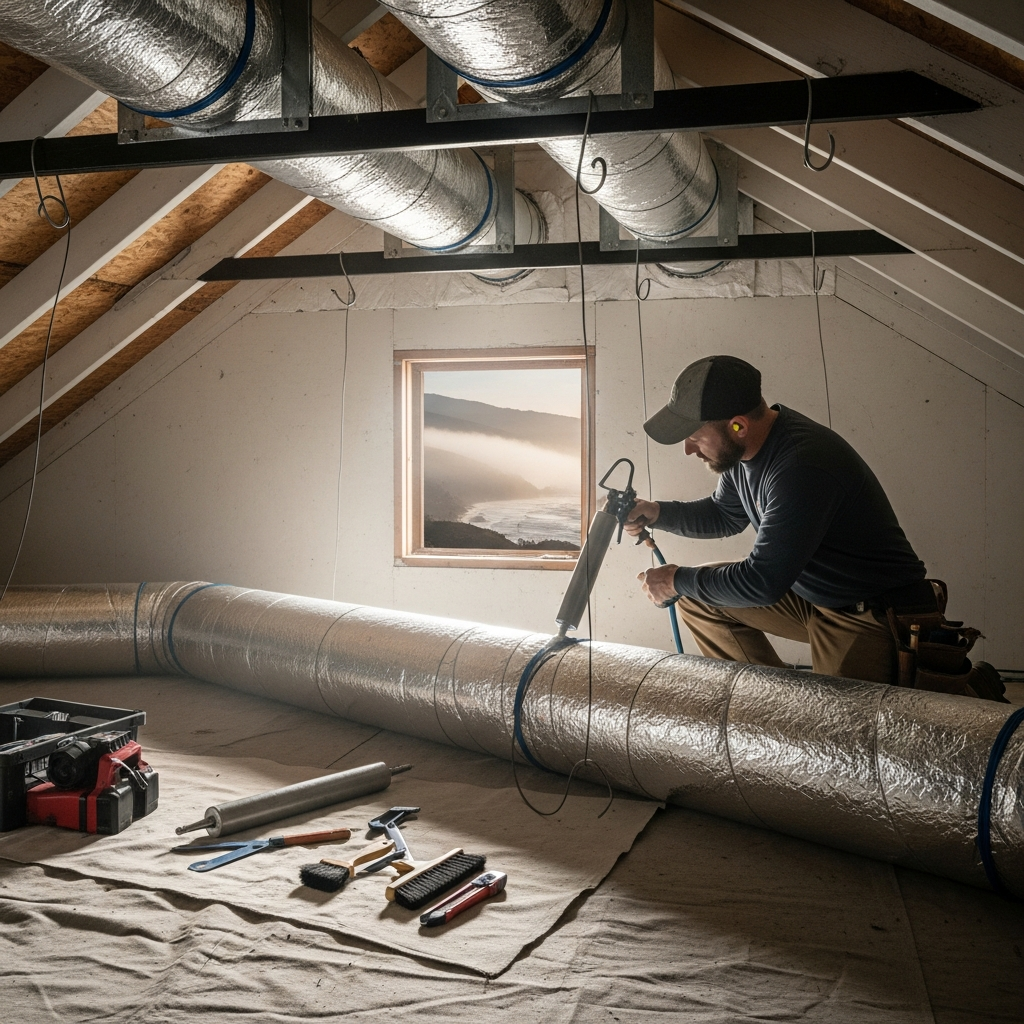
Along the Malibu coastline, comfort is shaped by the rhythm of the day: cool ocean mornings layered with marine mist, midday sun that warms rooftops and ravines, and evening breezes drifting in as the sky fades pink over the water. That beauty is also a quiet challenge for the air systems inside our homes. Salt air, humidity swings, and sun-baked attics ask a lot of our ductwork, and when it is time to renew those ducts, the best outcomes come from plans that respect the coastal climate. If you are exploring the effort involved, it is wise to begin with a clear understanding of the conditions your home faces year-round, and many Malibu homeowners start that journey by seeking guidance on duct replacement that is purpose-built for the coast.
Talking about what goes into an air duct replacement in Malibu is less about line items and more about strategy. Each decision—materials, routing, sealing, and insulation—either resists or admits the forces of salt, moisture, and heat. When you choose a path that anticipates those realities, you get a system that keeps your rooms consistently comfortable without calling attention to itself. The investment is not a number in isolation; it is a plan for years of steady performance in a setting that is both gentle in temperature and relentless in atmosphere.
The Coastal Factors That Shape Duct Decisions
Coastal air carries a fine crystalline mist that settles on exterior surfaces and, eventually, on anything exposed inside unconditioned spaces. In attics, that can translate to subtle corrosion on poorly protected metal, while morning condensation followed by rapid drying stresses insulation and sealants. Over time, joints can loosen and small gaps can become leak paths that rob your living spaces of cooled or heated air. Malibu also sees large attic temperature swings—cool mornings and high midday roof temperatures—that test the integrity of ducts day after day.
Humidity fluctuation plays a significant role, even if you seldom feel sticky air indoors. Ducts that are poorly insulated or sealed can develop condensation points during certain hours, inviting dust to cling and odors to build. When a system is redesigned with higher-grade insulation, meticulous sealing, and smart routing away from the hottest or most exposed rooflines, it stands a far better chance of staying clean, quiet, and efficient over the long haul.
Materials That Stand Up to Salt and Sun
Rigid metal ducts remain a favorite for primary trunks in coastal settings for their durability, clean interior surfaces, and predictable airflow. When paired with external insulation of the appropriate thickness, they shed heat effectively while resisting moisture ingress. For branch runs, quality flex duct used sparingly and supported at proper intervals provides quiet transitions into rooms without the sagging that invites dust buildup. In Malibu homes with tight attic conditions, well-crafted duct board plenums can also play a role, provided edges are sealed and protected with attention to detail.
Sealing strategies matter as much as the materials themselves. Long-lasting mastic seals at joints outperform tapes in the coastal cycle of damp mornings and warm afternoons. Mechanical connections fastened with screws and then sealed provide redundancy. The little touches—smooth radius elbows instead of abrupt turns, sealed boots tight to ceiling drywall, diffuser choices that match air throw to room dimensions—add up to the difference between a system that sounds like a breeze and one that sounds like wind.
Designing for Balance in Malibu Homes
The best time to improve comfort is during replacement. Malibu homes that were modified over the years often carry duct systems that no longer reflect how families use the rooms. An open kitchen may still have supplies sized for a closed plan; a home office might operate with a single undersized register. New ductwork gives you the chance to resize main trunks, add returns in larger spaces, and balance airflow to hallways that act like bottlenecks. A balanced system recovers hidden efficiency because your equipment stops fighting pressure imbalances and simply moves air the way it was designed to.
Balance also shows up as quiet. When ducts are matched to room needs and the equipment’s capacity, air velocities remain comfortable and diffusers do not whistle. Bedrooms feel restful, and conversations carry in living rooms without a competing whoosh overhead. The coastal climate invites homes to open windows on many days; when they close, a quiet, balanced duct system is the difference between a comfortable evening and one that feels unsettled.
Permits, Inspections, and Confidence
California’s energy standards and local requirements in Malibu provide a framework that ultimately benefits homeowners. Permits and inspections are not hurdles to get past; they are quality checks that confirm the work is built to last. Testing for duct leakage, verifying insulation values, and ensuring proper supports and clearances all contribute to a system that performs as designed. When your home is near the ocean, those specifications are not theoretical—they are the frontline protections against the slow creep of salt and moisture.
Professionals who focus on Malibu understand the little decisions that pass inspections and perform in the real world. They route returns to prioritize clean air, avoid long runs that bake under black roofs, and choose diffuser styles that complement coastal interiors. The result is a duct system that feels at home in your home, both functionally and aesthetically.
The Replacement Journey: What to Expect
Most projects begin with an assessment that includes photos of current conditions and a sketch or digital model of the existing layout. From there, a new design focuses on airflow goals, access realities, and comfort priorities you set. On installation day, crews protect flooring, isolate the attic access, and remove old ducts methodically. New trunks and branches are assembled in sections, with joints sealed as they are built rather than at the end. Supports are placed at the correct intervals to prevent sagging, and insulation is installed without compressing it so it retains its rated value.
Mid-project testing is common in high-quality work. Measuring airflow confirms that a bedroom getting shortchanged by the old system now receives its share. If a room runs a few degrees warm in the afternoon because of a southwest window, a contractor might adjust a damper or recommend a diffuser with a throw that reaches the seating area. This is also a helpful point to revisit your early research into duct replacement and make sure every expectation—from quiet operation to cleaner air—aligns with what the numbers are showing.
Coastal Maintenance Habits That Pay Off
After replacement, the goal is steadiness. Filters changed on schedule, an annual inspection to verify supports and seals, and a quick look at attic conditions after major wind events help preserve performance. If you notice new noise or temperature drift, it is worth a check sooner rather than later; small corrections keep the system tuned to the house as seasons shift. Homes that receive sea breezes through open windows enjoy fresh air, but that habit also brings in fine particles; a slightly more frequent filter schedule can be a simple trade for that coastal lifestyle.
Because Malibu’s climate is forgiving much of the year, some homeowners reduce runtime by opening windows and relying on natural ventilation. When the system is on, new ducts should feel invisible—no whooshing, no rattling, no unevenness. If it is calling attention to itself, that is information to share at your next maintenance visit so dampers or diffuser settings can be tweaked.
Comfort and Air Quality Benefits You Can Feel
Beyond the technical achievements of sealing and balancing, the daily experience is what matters most. Families routinely report sleeping better, finding less dust settling on furniture, and enjoying evenings where the thermostat stays steady without overshooting. In homes with sensitive occupants, improved filtration and tight returns reduce irritants that used to drift in from attics or garages. There is satisfaction, too, in knowing that your home’s core systems are not being quietly eroded by the coastal environment but are built to thrive in it.
Even aesthetically, a thoughtful replacement stands out. Registers sit flush and even, with finishes that suit the room. In some remodels, discreet linear diffusers complement modern lines. The overall effect is subtler than a new countertop but just as integral to how the home feels and functions day in and day out.
When Timing the Project Makes Sense
Because Malibu avoids extreme heat or cold most of the year, you have more flexibility. Spring and fall often provide the sweet spot for work, with reduced demand on the system. Families with school-age children may prefer breaks when schedules are more flexible. The duration of a project depends on access and scope, but with planning, crews can sequence areas to minimize disruption. Your day may include a bit of attic activity and a quick review of progress in the afternoon; the living space remains orderly, and by the final day, most homeowners are surprised how quietly the transformation took place.
If you are pairing duct renewal with other upgrades—like sealing a leaky attic hatch, improving insulation, or replacing aging diffusers—coordinating tasks can shorten the overall timeline. A single, coherent plan nearly always produces a calmer experience than piecemeal fixes stretched over months.
FAQs: Coastal Climate Air Duct Replacement
Q: Why are coastal conditions so tough on ducts? A: Salt crystals, humidity swings, and temperature cycles stress materials and seals, gradually opening gaps and reducing insulation performance. Purpose-built designs and high-quality seals counter those forces.
Q: Do I have to redesign my system, or can I simply swap ducts? A: Replacement is the best opportunity to adjust sizing, add returns, and improve balance. A straightforward swap rarely captures the full comfort potential in a coastal home.
Q: Will new ducts make my home quieter? A: Typically yes. When ducts are right-sized and sealed, air velocities normalize and diffusers operate without whistles or rumbles.
Q: How disruptive is the work? A: Most activity occurs in attics or crawlspaces, with careful protections at access points. Homes remain livable throughout, and daily clean-up keeps things tidy.
Q: What about permits and inspections in Malibu? A: Expect them. They verify proper materials, sealing, insulation, and supports—key to long-term performance near the ocean.
Q: Are metal ducts required near the coast? A: No single material is mandatory, but rigid metal trunks with external insulation and short, supported flex runs perform exceptionally well in coastal conditions.
Q: How do I maintain the new system? A: Change filters on schedule, schedule annual checkups, and glance at attic conditions after big wind events. Subtle tweaks keep the system tuned.
Q: Can I combine this with other home improvements? A: Absolutely. Air sealing, attic insulation upgrades, and diffuser replacements pair naturally with duct renewal for a cohesive comfort plan.
Ready for Coastal-Ready Comfort?
When you are ready to map out a plan that respects Malibu’s sea air and sun, a conversation with a local professional can turn goals into a clear, step-by-step path. You will come away with a design that addresses balance, quiet, and durability under coastal conditions. Begin your plan with trusted guidance and explore duct replacement options tailored to homes like yours, so the ocean stays outside where it belongs and comfort settles in every room.