
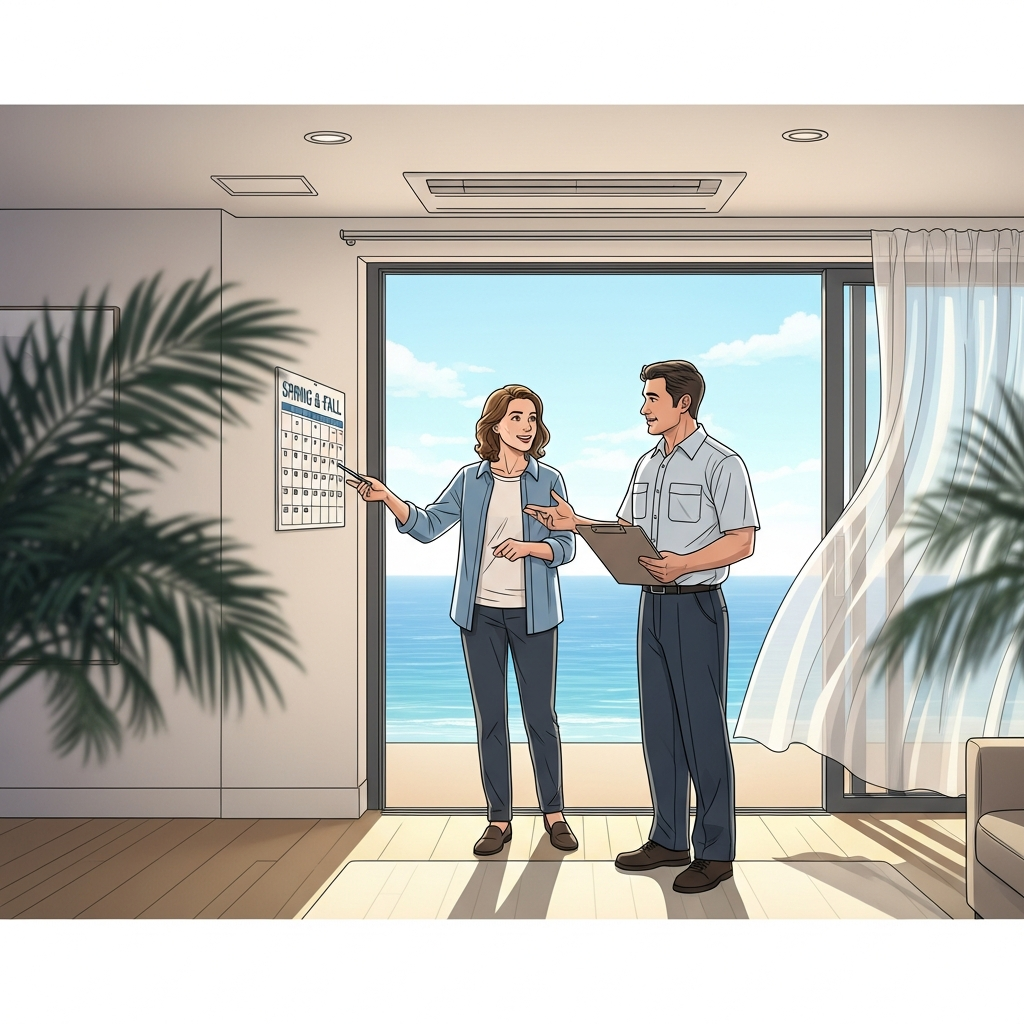
Building the right maintenance schedule for a Malibu home begins with understanding how our climate moves in layers. Mornings can be wrapped in fog, afternoons glow with sun along the Pacific Coast Highway, and evenings turn cool with a sea breeze that carries moisture and salt. A schedule that simply follows a calendar without respecting these rhythms will always miss something important. In the first few minutes of planning, it helps to anchor yourself with a simple resource that outlines the essentials of upkeep—clean coils, proper airflow, measured charge, and safe drainage. If you need a clear starting point, look at a concise overview of air conditioning maintenance so you know what to ask for when you book.
In Malibu, spring is the pivot. The marine layer thickens and retreats, and your system alternates between mild loads in the morning and real cooling in the afternoon. A spring visit ensures the cooling side is clean and calibrated before the first heat wave and before summer events fill your calendar. Filters should be fresh, coils rinsed and gently cleaned, and refrigerant levels confirmed so that when the sun climbs above the bluffs, your system can meet demand without straining. Importantly, this visit should include airflow measurements, because Malibu homes often have duct paths that wind through older attics and around additions, and small restrictions show up as uneven rooms in June and July.
By late summer, we sometimes face Santa Ana winds that break through the coast. Those winds can carry dry dust from inland areas toward the beach, loading filters quickly and depositing grit on outdoor units tucked in narrow side yards or behind privacy screens. If your home is exposed or you notice a dusty film on patio furniture after one of these events, add a quick check: verify filter condition, visually inspect the outdoor coil, and listen for changes in fan tone that might suggest restricted airflow.
Fall brings a different focus. We still see warm days, but nights cool down and moisture changes again. If you are using a heat pump, the fall visit serves both heating and cooling. Condensate systems deserve close attention because autumn can swing from dry to damp in a single day, and a partially obstructed drain will reveal itself when temperature and humidity drop at night. Electrical checks are also key; salt air plus seasonal moisture can accelerate minor corrosion on terminals and fasteners, particularly in equipment installed near exterior walls.
Winter in Malibu is generally gentle, but for coastal systems that means light but continuous duty. Outdoor units breathe moist, salty air every day, and that slow exposure adds up. A winter check is not always necessary, but homes close to the sand or perched on the first row above PCH benefit from a brief midwinter look to confirm outdoor coil condition and to ensure defrost cycles on heat pumps are operating cleanly without unusual noise. For homes with indoor air quality devices, this is also a smart time to confirm they are not imposing excess static pressure on the air handler when doors and windows are often closed.
Creating a living schedule starts with two anchor visits—spring and fall—and adds short, situational checks after extreme wind, wildfire smoke, or construction nearby. If you remodel a kitchen or open up walls, the dust that lingers can overwhelm filters for weeks even after the work ends. Noting these events on your calendar and planning a short filter and coil inspection afterward will keep surprises to a minimum.
Families in Malibu often split time between here and the city, or they host guests frequently. If your home sits idle for stretches, set your schedule so that a technician arrives just before you return for an extended stay. That visit should include a full system start-up sequence: verifying thermostat communication, testing safety switches, and confirming condensate flow under load. Nothing disturbs a long-anticipated week by the ocean like a musty odor or a sluggish air handler that could have been prevented by an hour of attentive care.
When dialing in the details, talk about filtration choice and cadence. Higher-efficiency filters catch the fine coastal haze and wildfire particulates that can drift into canyons, but they also add resistance. Your schedule should reflect the filter’s real-world life in your system, not just the label. Measure, adjust, and note how the home feels room by room over the following weeks. If the primary bedroom on the ocean side stays cooler but the interior office lags, that might point to a balancing tweak during your next visit rather than a full system change.
Professional care is only one side of the schedule. The homeowner’s role, done in minutes, protects every other step. Keep returns clear of drapes and furniture, listen for new rattles around the outdoor unit after high winds, and rinse the coil cabinet gently with a low-pressure stream if salt film is visible from a few feet away. These small habits make the formal visits more effective, and they prevent that slow creep of inefficiency that shows up as longer run times when summer arrives.
Midway through the year, revisit your plan with a quick check against a trusted reference for AC maintenance. Use it as a conversation point with your technician: what did we find in spring, how did the home feel during July and August, and what should change before fall? This loop helps you fine-tune the schedule with Malibu’s microclimates in mind rather than following a generic template that ignores our fog, wind, and salt.
Older homes and newer builds benefit from slightly different timing. Classic Malibu beach cottages sometimes have minimal insulation and irregular returns, so airflow measurement during spring is essential. Newer hillside homes may be tighter and rely more on balanced ventilation, making filter selection and static pressure checks even more pivotal. Either way, the idea is the same: schedule core visits around climate transitions, then add light-touch checks when the environment throws something unexpected your way.
If you have multiple systems serving different zones—perhaps a separate air handler for bedrooms and another for living areas—consider offsetting visits by a few weeks. That way, you are never without cooling or heating if a repair comes up, and you can compare how each zone responds to similar outside conditions. It is a subtle tactic, but it smooths life during peak seasons and keeps each system from being down at the same time.
The heart of a good schedule is communication. Tell your technician when specific rooms feel off, when windows are frequently open to invite the breeze, and when big gatherings are planned. Malibu living is often about blending indoors and outdoors, and that affects how your system cycles. By naming those patterns, your pro can tailor settings and suggest filter changes ahead of events rather than after guests have arrived.
Finally, your schedule should read like a story of your home, not just a set of dates. It reflects where your home sits relative to the water, how the sun strikes the windows in the afternoon, and whether your family loves to keep sliders open to hear the surf. When a maintenance plan respects those choices, the result is a home that stays even, quiet, and ready—no matter what the sky brings.
Frequently Asked Questions
When should Malibu homeowners schedule core maintenance visits?
Plan on spring and fall as the anchors. Spring readies your system for cooling under coastal sun, and fall prepares it for cooler nights and damp mornings. Add light-touch checks after severe wind, wildfire smoke, or nearby construction that stirs dust.
How do marine layers affect timing?
Morning fog and damp air increase the importance of coil cleanliness and condensate management. Scheduling just before the foggiest stretches in late spring, and reviewing drainage again in fall, prevents surprises when humidity rises and falls quickly.
What if my home is steps from the sand?
Expect more frequent visual checks of the outdoor coil and cabinet. Salt film accumulates faster, and gentle rinsing between formal visits helps. Consider a brief midwinter inspection to ensure corrosion is not advancing on outdoor electrical components.
Can I align maintenance with travel or guest schedules?
Yes. If your home sits vacant for weeks, schedule a start-up check right before you return. For guest-heavy periods, a pre-event visit catches airflow or filtration issues before the calendar gets busy.
How do multiple systems change the plan?
Offset visits by a few weeks to keep at least one zone fully available. Use these staggered appointments to compare performance and adjust balancing so bedrooms and living spaces feel equally comfortable.
If you want a simple way to translate this schedule into action, start with a clear outline of air conditioner maintenance, then put dates on the calendar that match Malibu’s seasons and your lifestyle. Reach out today to a local team that knows our coast, and let’s keep your home steady from foggy dawns to warm, glowing evenings with a quick request through air conditioning maintenance.