
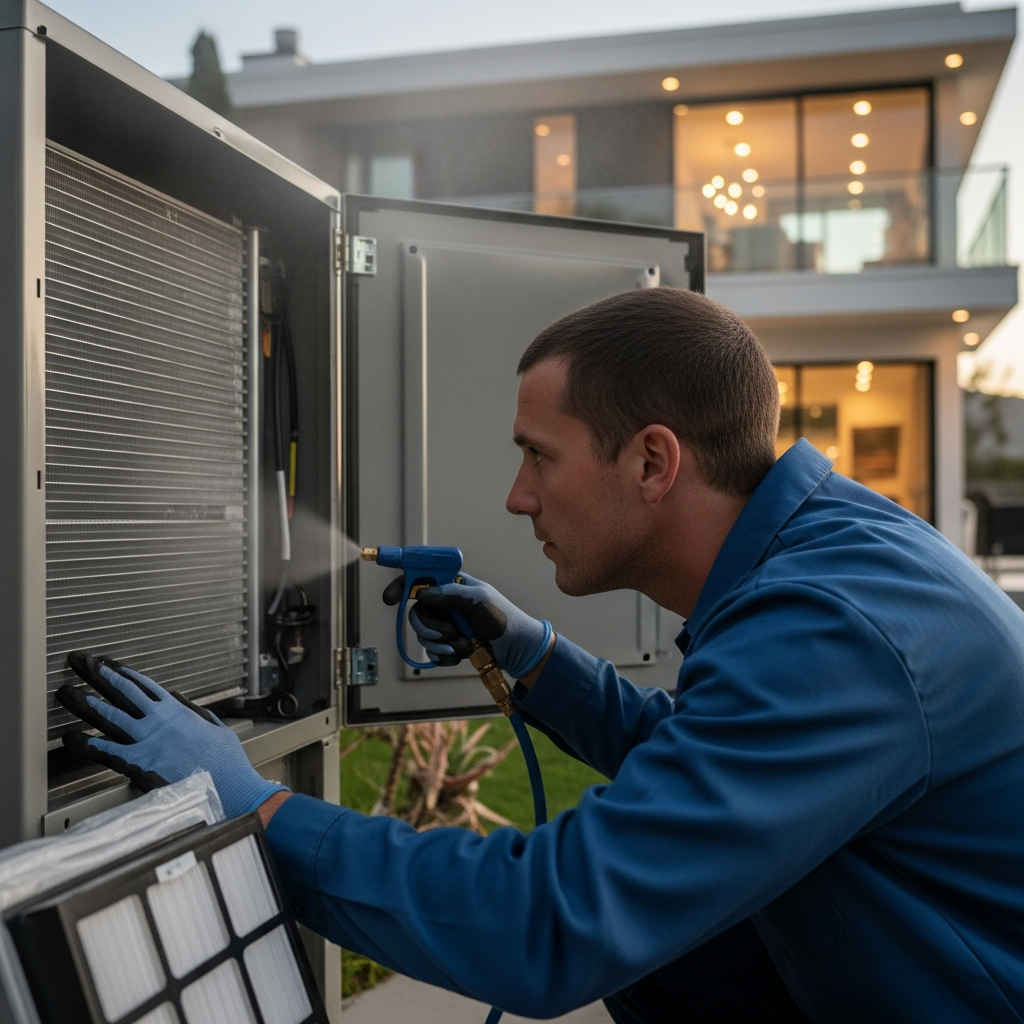
Preventive maintenance in Malibu is not a buzz phrase; it is the reason your home feels the way you expect on a warm afternoon when friends arrive from the city or on a misty morning when you want quiet, even warmth. The Pacific is stunning, and its air is different—salty, damp, and sometimes perfumed with pollen from canyon blooms. Those elements, along with occasional Santa Ana winds and seasonal smoke, ask more of your equipment than a typical inland system. Before you plan your approach, it can be helpful to ground yourself in the basics of air conditioning maintenance so you can layer Malibu-specific details on top of a sound foundation.
At its heart, preventive maintenance means acting before symptoms show up. Outdoor coils get attention while they still look decent to the naked eye; airflow is measured while rooms still feel balanced; charge is verified while cooling is steady. In Malibu, those preemptive moments matter because salt and moisture do their work quietly. A coil that looks fine from a few steps away may have a thin salt film binding dust to the fins, and that film becomes the seed of strain when the first heat wave arrives.
Start outside, where coastal air meets metal. Outdoor units in Malibu live in microclimates only a few miles apart. A home just above Surfrider experiences more morning dampness than a home tucked into a sunnier canyon off Rambla Pacifico. The maintenance routine should reflect that. Gentle rinsing, careful detergent selection when needed, and attention to corners and cabinet seams help prevent corrosion from establishing itself. It is equally important to inspect electrical components that ride with the coil: contactors, capacitors, and terminal connections. Salt wants into every gap, and catching oxidation at an early stage keeps performance consistent.
Inside, airflow is the part you feel with every breath. Malibu homes often blend original structures with later additions, which means return pathways and supply routes can be irregular. A preventive visit includes measuring static pressure, verifying return sizing and cleanliness, and confirming that key rooms receive what they need at peak hours. If the primary bedroom faces the ocean and runs cooler at night with open sliders, your system may need a slightly different balance than a similar home that stays closed and conditioned around the clock.
Filtration plays a starring role in preventive care here. Onshore breezes can bring in fine salt haze, while canyon winds carry dust and pollen. The right filter choice depends on your air handler’s capacity and the total static of your ducts. A high-MERV filter that looks great on paper can choke an older system, while a thoughtfully chosen medium-efficiency option—paired with a real schedule for changes—can protect coils and keep rooms fresher without penalty. A preventive mindset asks: what does the system measure when the better filter is installed, and how does the home feel weeks later?
Refrigerant charge is the quiet backbone of efficiency. Verifying superheat and subcooling under Malibu conditions makes sure your system is not running long or short when the afternoon sun hits. Because we live with quick transitions—from fog to bright sun in a single morning—charge that was marginal can become a problem quickly. Preventive checks confirm you are in the designed range before summer events or holiday weekends put your system on stage.
Condensate management is where prevention often pays off most dramatically. When damp marine layers meet warm indoor air, coils can pull a surprising amount of moisture from circulation. A partially obstructed drain may look fine when the load is light, then back up as the day warms. Testing with real flow, clearing traps, and confirming clean runouts keeps ceilings safe and closets dry. In Malibu’s layered climate, drainage should be proven, not assumed.
Noise and vibration also deserve a preventive ear. Outdoor fans exposed to salt and grit may start to sing slightly at certain speeds long before they fail. Indoor blowers that see higher static because of filter changes or duct shifts can buzz or hum in ways that signal stress. Listening with attention—and noting exactly when the sounds occur—steers smart adjustments that restore the quiet comfort that is the hallmark of a well-kept Malibu home.
Timing is the final ingredient. In our area, the strongest preventive rhythm is spring and fall, with optional light-touch checks after unusual wind or smoke events. Spring primes your system for steady cooling, while fall confirms that heating modes and dehumidification are ready for the cooler, damp evenings that follow the long, warm days. Homeowners right on the sand or in the first streets above the highway may add a brief winter visit, not for heavy work but to verify that salt is not getting ahead of the plan.
Documentation makes prevention tangible. Photos of coil condition, notes on static pressure and airflow room by room, and a simple calendar of filter changes turn a vague idea of “good maintenance” into a living plan. When the same local team returns season after season, they compare notes and show you how small steps—like a different filter or a minor balance change—translate into more even comfort during a hot August or a chilly, damp January evening.
Homeowner habits contribute too. Keep returns open, give the outdoor unit breathing room from beach gear and landscaping, and rinse the cabinet gently if a salty film appears. Share with your technician how you actually live with the system: if sliders are open most evenings, if a media room needs extra quiet, or if the guest suite tends to run warm with afternoon sun. Prevention works best when it is personal.
In the middle of all of this, having a clear baseline resource for AC maintenance helps you and your technician stay aligned. It is not about adding steps for their own sake; it is about selecting the right work for Malibu’s climate and your family’s routine. With a shared checklist and a local lens, preventive care becomes the simplest path to steady comfort.
Some homeowners wonder if newer systems require less preventive attention. In truth, today’s equipment often benefits more from thoughtful care because it is designed to operate within tighter tolerances. Variable-speed fans and compressors shine when airflow is balanced and coils are clean; they can hunt and hum when conditions are off. If you have a newer, high-efficiency system, prevention is what lets it deliver the quiet, even performance you invested in.
Older systems respond well to prevention, too. They reward gentle coil cleaning, sealing of modest duct leaks, and realistic filter choices that respect their airflow capacity. When those steps are taken, even a seasoned system can keep rooms comfortable day after day without the drama of short cycling or stubborn hot spots.
Ultimately, preventive maintenance is less about equipment and more about how your Malibu home feels through the seasons. It is the satisfaction of a living room that stays cool but not clammy during a foggy stretch, or a bedroom that remains peaceful and steady after a full day of sun. It is the confidence that a weekend with guests will flow without last-minute calls because you chose to act early rather than react late.
Frequently Asked Questions
How often should preventive maintenance be scheduled in Malibu?
Plan on spring and fall as the backbone, with optional quick checks after heavy wind, smoke, or unusual damp spells. Homes very close to the ocean sometimes add a brief winter inspection to confirm outdoor components are holding up under salt exposure.
What is different about preventive care near the beach?
Salt and moisture accelerate corrosion and help dust cling to coils. Preventive care emphasizes gentle coil cleaning, close inspection of electrical components, and careful verification of condensate performance during the morning-to-afternoon humidity shifts common on the coast.
Will preventive steps help with uneven rooms?
They can. Measuring static pressure, verifying return paths, and balancing supplies often resolve temperature differences between ocean-facing rooms and interior spaces. Small adjustments made early tend to produce the biggest comfort gains.
Do high-efficiency filters always make sense?
Not always. The right filter is the one that improves air quality without overloading your air handler. A preventive approach measures performance with the chosen filter and adjusts schedule and balancing so comfort and system health rise together.
What homeowner habits support prevention?
Keep returns clear, avoid storing items tightly around the outdoor unit, and share living patterns with your technician. Gentle rinsing of the outdoor cabinet between visits can help near the sand, and noting any new sounds speeds diagnosis during the next appointment.
If you are ready to make prevention your advantage, start by reviewing a simple outline of air conditioner maintenance, then book a Malibu-focused visit that respects our coastal climate and your daily rhythm. Reach out today, and let’s keep your home steady from fog-soft mornings to sunlit afternoons with a quick request through air conditioning maintenance.