
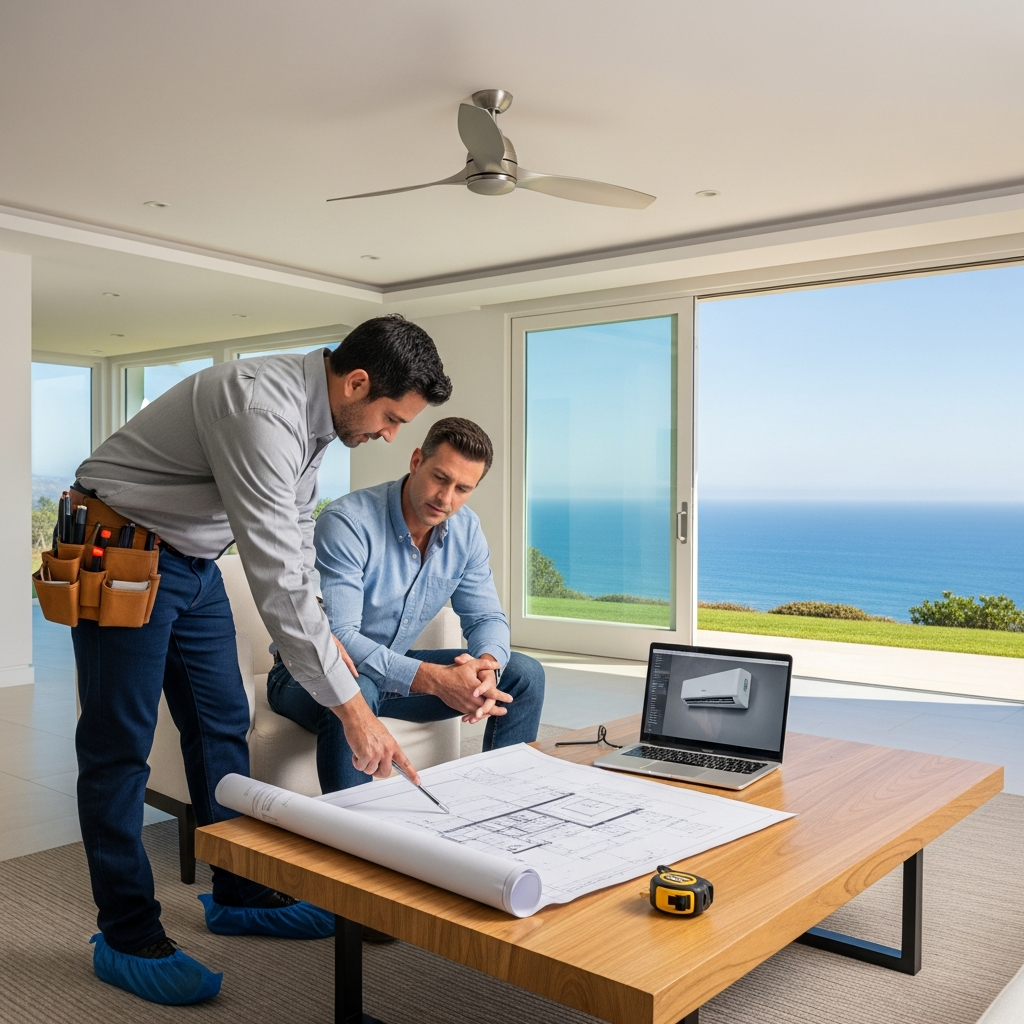
Talking about installation cost in Malibu is less about a single number and more about understanding the puzzle pieces that shape your project. From cliffside views to canyon breezes, coastal realities and architectural ambition converge here in ways that influence every decision. As a local installer who has spent years balancing performance, aesthetics, and the demands of our marine climate, I focus first on clarity. We’ll look at your home’s size and layout, the condition of existing ducts, the electrical service, the microclimate you live in, and the comfort priorities that matter most to you. Those inputs—not a generic price table—determine scope. When the plan is tailored and the choices make sense in your space, the result is a quieter, more efficient, and longer-lasting system. And along the way, thoughtful choices about air conditioning technology can lower lifetime ownership costs while preserving the breezy ease that defines Malibu living.
Why Malibu Homes Are Different
Coastal air carries salt that can corrode metals, while the sun’s intensity near the water and across glass-heavy facades creates afternoon heat spikes. Canyon homes often see steep temperature shifts, driving uneven loads across rooms and floors. Many Malibu properties also feature custom finishes, limited equipment access, and protected views that shape how and where condensers can live. All of this influences installation planning and, by extension, the final project scope. For example, a hillside home may need crane coordination to safely position outdoor units without compromising landscaping, while a beach-adjacent property might benefit from coastal-rated hardware and coatings that fight corrosion. These aren’t line items for their own sake; they’re smart responses to a place that rewards foresight.
Load Calculations and System Right-Sizing
No topic affects installation success more than proper sizing. Oversizing leads to short cycling, humidity issues, and noise. Undersizing leaves you chasing comfort on the hottest days. We perform room-by-room load calculations that consider insulation, window orientation, airtightness, and real-world usage. Malibu’s microclimates mean that two houses a mile apart can have very different needs; a beach cottage with consistent ocean breezes might demand less tonnage than a glass-forward ridge home baking in direct sun at 3 p.m. Correct sizing not only delivers better comfort; it also preserves equipment life and lowers energy use, the foundation of a smart investment.
Ductwork: The Hidden Highway
Duct condition and design can make or break a new system. Even a high-end condenser will disappoint if duct leakage, poor layout, or low return capacity starve airflow. We evaluate static pressure, measure leakage, and inspect insulation, especially in attics that see significant heat. Some projects call for targeted duct improvements: adding a return, resealing with mastic, upsizing runs to reduce noise, or addressing long flex duct runs that kink around trusses. In coastal homes where salt and moisture can sneak into attic spaces, proper sealing and insulation protect both comfort and air quality. Prioritizing ducts ensures that your new equipment operates in its designed sweet spot from day one.
Equipment Choices That Fit Malibu
Variable-speed and inverter-driven systems excel here because they modulate gently to match demand, which keeps rooms more even and humidity controlled. Heat pumps have also surged in popularity, offering both cooling and heating with improved efficiency. For homes with noise-sensitive outdoor spaces or HOA constraints, low-sound condensers and smart placement are vital. Coastal ratings, protective coatings, and stainless fasteners can extend life in salty air. And if you treasure views, we look at line set routing and condenser positioning to preserve aesthetics without sacrificing serviceability.
Electrical and Controls
Older homes may need panel assessments to confirm adequate capacity and safe wiring for new equipment. Dedicated circuits, correct breaker sizing, and proper disconnects are non-negotiable. Controls matter too: a well-chosen smart thermostat can fine-tune comfort and alert you early to issues, while zoning strategies can tailor temperatures to how you actually live—cooler bedrooms for sleep, steady comfort for a home office, and quiet power for a media room. Thoughtful controls feel luxurious while silently saving energy.
Permits, Codes, and Coordination
Permitting ensures that your installation meets safety and performance standards. In Malibu, that can mean attention to structural considerations for rooftop equipment, coastal environmental protections, and compliance with energy codes that push for efficiency. We handle the submittals, inspections, and scheduling, coordinating with other trades as needed. On complex projects, sequencing becomes key—electrical upgrades before equipment arrival, duct improvements timed with attic access, and finish work staged to keep the home livable throughout.
Acoustics and Vibration
Peace and quiet are part of Malibu’s charm. We account for sound not just in equipment selection but in isolation, line set routing, and mounting details. Rubber isolation pads, properly anchored platforms, and careful line set bends reduce resonance. Inside, balanced airflow and correct register placement minimize whistling and drafts. The goal is to feel comfort, not hear it.
Indoor Air Quality Considerations
Wildfire season and coastal humidity can affect indoor air quality. We address this with filtration strategies that match your system’s capabilities, ensuring that higher MERV filters don’t choke airflow. UV options, dehumidification strategies, and fresh air integration can elevate comfort further. For art collectors or homes with specialty materials, humidity control can protect valuables as well as well-being.
Project Timelines Without the Stress
Timelines vary with scope, access, and coordination. We start by mapping the project in practical phases you can track. That might mean duct upgrades and electrical prep early in the week, followed by equipment set and commissioning as inspections clear. We keep communication tight so there are no surprise gaps, and we maintain clear work areas, protecting floors and finishes along the way. Your routine matters; our schedule flexes to reduce disruption.
What Drives Installation Cost Without Quoting Numbers
While it’s natural to ask for a simple price, the better conversation is about drivers. The number of zones, the extent of duct remediation, structural or crane needs, corrosion-resistant upgrades, panel work, and smart control integration all shape the final scope. So do the choices you make around efficiency levels and noise performance. Instead of fixating on a single figure, we build a transparent scope that connects each line to a benefit you can feel: steadier temperatures, cleaner air, quieter operation, and equipment that’s set up to last beside the ocean.
Commissioning Makes the Difference
The day the system starts is when the real value is locked in. We measure refrigerant subcooling and superheat, confirm airflow through static pressure readings, calibrate thermostats, and verify condensate management. We document baseline data so future maintenance has a clear reference point. This careful, numbers-first handoff is what separates an installation that merely runs from one that delights.
Planning for the Long View
Ownership costs span years. Corrosion resistance, ease of service, and equipment that modulates to reduce wear all influence long-term value. We also consider how landscaping will grow around condensers and how attic conditions change across seasons. Proactive maintenance—gentle condenser rinsing, seasonal inspections, and filter strategies—keeps performance high. These habits don’t just protect your investment; they protect your peace.
Case Notes From the Coast
In a Broad Beach remodel, careful line set routing preserved ocean views while isolating vibration away from a quiet reading nook. The homeowner prioritized low sound and gentle modulation, so we selected a variable-speed system paired with duct improvements that reduced static pressure. Up in the hills, a family studio needed tight humidity control; zoning with a smart thermostat suite balanced comfort across glass-heavy spaces without overcooling at night. Each project revealed the same truth: cost reflects intention and context, and when both are clear, the outcome feels tailored and effortless.
FAQ
Q: What factors most influence installation cost in Malibu?
A: Duct condition, equipment type and efficiency, corrosion-resistant upgrades, access complexity, electrical work, and zoning or smart control choices are primary drivers. Local climate and architecture shape each of these elements.
Q: Do I need new ducts for a new system?
A: Not always. We assess static pressure, leakage, and layout. Sometimes targeted improvements—like adding a return or resizing a few runs—unlock the full potential of new equipment.
Q: How do you protect against coastal corrosion?
A: We recommend coastal-rated gear, protective coatings, stainless hardware, and maintenance practices that include gentle coil rinsing and periodic inspections to catch early signs of wear.
Q: Are heat pumps a good fit for Malibu?
A: Yes. Modern heat pumps offer excellent cooling with the bonus of efficient heating. Their ability to modulate makes them ideal for microclimates and homes that value quiet, steady comfort.
Q: How long does a typical installation take?
A: It depends on scope and coordination, but we map a clear schedule, communicate milestones, and protect living areas to keep your household moving smoothly throughout the project.
Q: Will a smart thermostat save money?
A: When set up correctly and paired with right-sized equipment, smart controls can trim energy use and provide early alerts, improving comfort and protecting your investment.
Begin With a Plan That Fits Your Home
If you’re weighing your options and want a clear roadmap without surprises, let’s start with a consultation focused on your space, your routines, and Malibu’s unique climate. We’ll translate priorities into a scope that delivers quiet, reliable comfort and a thoughtful path from first sketch to final commissioning. When you’re ready to explore the best air conditioning solutions for your home, reach out and take the first step toward a system that feels as good as the ocean breeze.