
Malibu living invites the outdoors in—morning marine layers drifting across canyons, the warm push of an afternoon sea breeze, and golden evenings when doors and sliders are flung open to the sound of waves. That joy comes with a quiet responsibility: caring for the hidden pathways that move air through your home. In our coastal environment, a smart approach to duct maintenance isn’t a chore list; it’s a rhythm that keeps rooms fresh, equipment steady, and the day-to-day feel of home as restorative as the view. I always start that conversation by pointing neighbors to the basics of air duct cleaning, because understanding the why behind the work makes the how feel natural.
Maintenance is not a single event. It’s a sequence of small, well-timed steps that, together, preserve the gains from a professional cleaning. Malibu’s climate—salty air, intermittent humidity, and seasonal winds—nudges dust and fine grit into places you rarely see. Your ducts don’t have to become a repository for all of it. With a clear cadence, you protect airflow, tame odors, and reduce the invisible wear that forces equipment to work harder than it should.
Start with an Honest Baseline
If you’ve recently moved into a Malibu home or can’t recall the last time the ducts were serviced, begin with a simple assessment. Pay attention to how the air feels when the system cycles on. Do some rooms lag or sound louder than others? Do you notice dust clinging to registers despite regular housekeeping? These observations tell you whether you’re due for professional attention. When a team does visit, ask for before-and-after photos and a quick review of any leaky seams or disconnected boots. That baseline becomes your maintenance map.
From there, filters are your front line. Choose media that your blower can handle without pushing static pressure too high. In coastal homes that see open doors and sandy feet, filters tend to load more quickly, especially during busy months with guests. Set a schedule that matches your reality rather than a generic timeline, and check filter condition after long, humid stretches when fine particles cling more readily to media.
Protect Ducts During Everyday Living
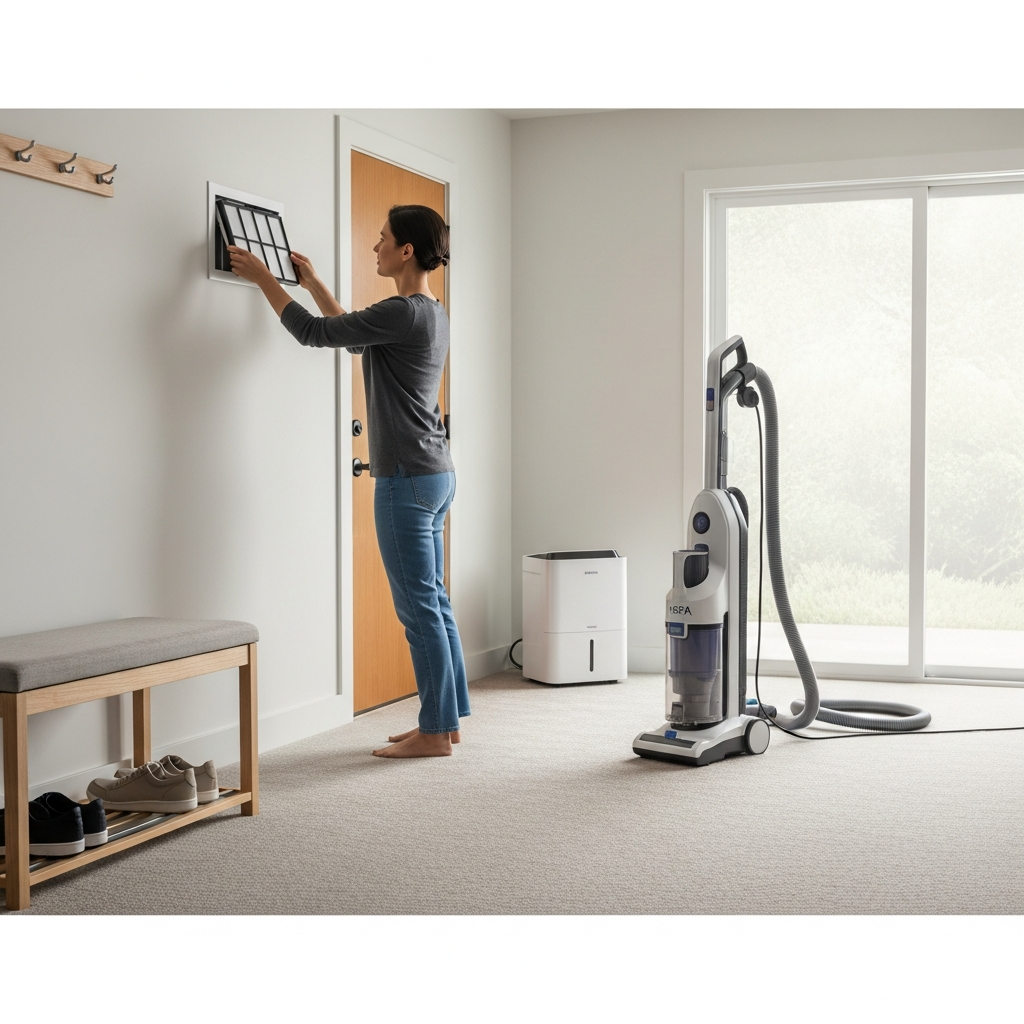
Tiny habits pay outsized dividends. Shoes off at the door cuts the grit that would otherwise find its way to returns. Vacuum with a HEPA-equipped machine so captured dust doesn’t escape back into circulation. Keep registers clear of furniture and drapery so air can move freely and without collecting dust bunnies that get pulled inside. If you’re renovating—a common Malibu pastime—ask the contractor to cap supply and return openings and to clean up daily. It’s much easier to keep gypsum dust and sawdust out than to remove it later.
Humidity management is another subtle maintenance tool. On foggy mornings, avoid short, frequent on-off cycles that cool duct interiors and invite light condensation. Let the system run long enough to move past the clammy period or use a dehumidification strategy that fits your equipment. Reducing those micro-moisture episodes keeps dust from turning into the sticky films that trap odors and fine particles.
Seasonal Touchpoints That Matter
Think in seasons rather than months. Late spring is a natural time to review conditions before summer cooling ramps up. Replace filters, peek at returns, and walk rooms to listen for unusual sounds. If wildfire smoke visited the coast recently, consider a post-event cleaning or at least a filter change and inspection. After the height of summer, when doors were open late and guests came and went, another quick check helps you decide if the system could use attention before a quieter fall.
Winter in Malibu may be gentle, but storms stir up dust and move moisture through attics and crawlspaces. A simple attic glance for blown-in debris near duct runs and a confirmation that hangers and insulation remain undisturbed will catch issues early. In raised-foundation homes, a brief crawlspace look for sagging flex duct or gaps at boots is equally valuable.
Pair Cleaning with Small Fixes
When a professional cleaning is on the calendar, use the opportunity to address small mechanical issues that accelerate re-soiling. Kinks in flex runs, leaky seams, or loose boots don’t just waste energy; they draw in the very dust you’re trying to remove. A quick refasten or seal during the same visit can extend the time your ducts stay clean and keep airflow closer to design intent. Afterward, confirm results with simple measurements—static pressure, a couple of supply readings—so you know the system is humming.
Material matters, too. Malibu homes often combine lined metal trunks with flex branches. Each responds differently to cleaning and to everyday conditions. Gentle agitation preserves lining while lifting the films that trap odors; careful handling keeps flex interiors from being crushed. Ask your technician to note sections that are fragile or nearing end-of-life so you can plan replacements as part of future improvements rather than emergency fixes.
Odor management fits naturally into maintenance. Cooking, pets, ocean spray, and the occasional smoky week leave traces. Clean ducts reduce the reservoir for those odors, but the rest of the home contributes as well. Launder soft goods after heavy-use weeks, and wipe hard surfaces so they don’t seed returns with fine films. When you take this whole-home view, each cleaning lasts longer and every filter change does more good.
Listening to Your Home’s Signals
Your house will tell you what it needs if you know how to listen. A soft flutter at a vent might be a loose screw or a small debris cluster. Dust halos around registers hint at leakage or internal films releasing particles under higher airflow. A room that lags in comfort could be the end of a run catching debris or a flex duct sag. When you notice these cues, a prompt check keeps small issues from becoming the reason you need a full cleaning sooner than planned.
It’s just as important to celebrate the positive signals. After a good cleaning and a few small fixes, rooms feel even, the system sounds calmer, and filters last closer to their expected interval. That’s your maintenance working—less re-entrainment of dust, fewer pressure drops, and a home that stays neutral-smelling even after busy weekends with visitors.
Midway through this maintenance rhythm, I encourage homeowners to revisit clear, practical guides on air duct cleaning so the connection between each small step and the larger goal stays vivid. When everyone in the household understands why registers shouldn’t be blocked or why filters deserve calendar reminders, consistency follows.
Frequently Asked Questions
How often should ducts be cleaned in Malibu?
Every three to five years is a solid starting point, leaning toward three for homes closer to the ocean, with pets, or with frequent open-door living. After wildfire smoke or a major renovation, move service sooner to remove residues before they settle in.
Do better filters mean I can wait longer between cleanings?
Quality filters help, but they don’t scrub films already inside ducts. Cleaning resets those surfaces so filters capture new particles efficiently. The right combination stretches intervals without compromising comfort.
What are the easiest maintenance wins?
Change filters on a realistic schedule, keep registers clear, protect ducts during renovations, and vacuum with HEPA filtration. These small steps slow re-soiling and help maintain steady airflow.
How do I know if a room’s airflow problem is dirt or design?
If cleaning and small mechanical corrections (like removing kinks) improve the room, debris was a factor. If little changes, duct sizing or layout may need attention. A technician’s measurements guide that decision.
Can odors return after cleaning?
They can if the rest of the home re-seeds the ducts or if filters are overdue. Pair cleaning with housekeeping resets and timely filter changes to keep odors from creeping back.
Is there a best season to schedule service?
Late spring or early summer works well, before peak cooling. If smoke affects the area, a post-event cleaning or inspection helps too. Ultimately, your home’s signals—odors, dust at registers, or uneven airflow—should drive timing.
Keep Your Malibu Air Moving Clean and Easy
A gentle, well-timed maintenance rhythm saves you effort and keeps every room feeling like the coastal retreat it’s meant to be. If you’re ready to tune up your plan, start by reviewing the essentials of air duct cleaning, then schedule a professional assessment that pairs cleaning with small fixes. The payoff is simple: quieter cycles, steadier comfort, and air that feels as clear as a bright day after the marine layer lifts.