
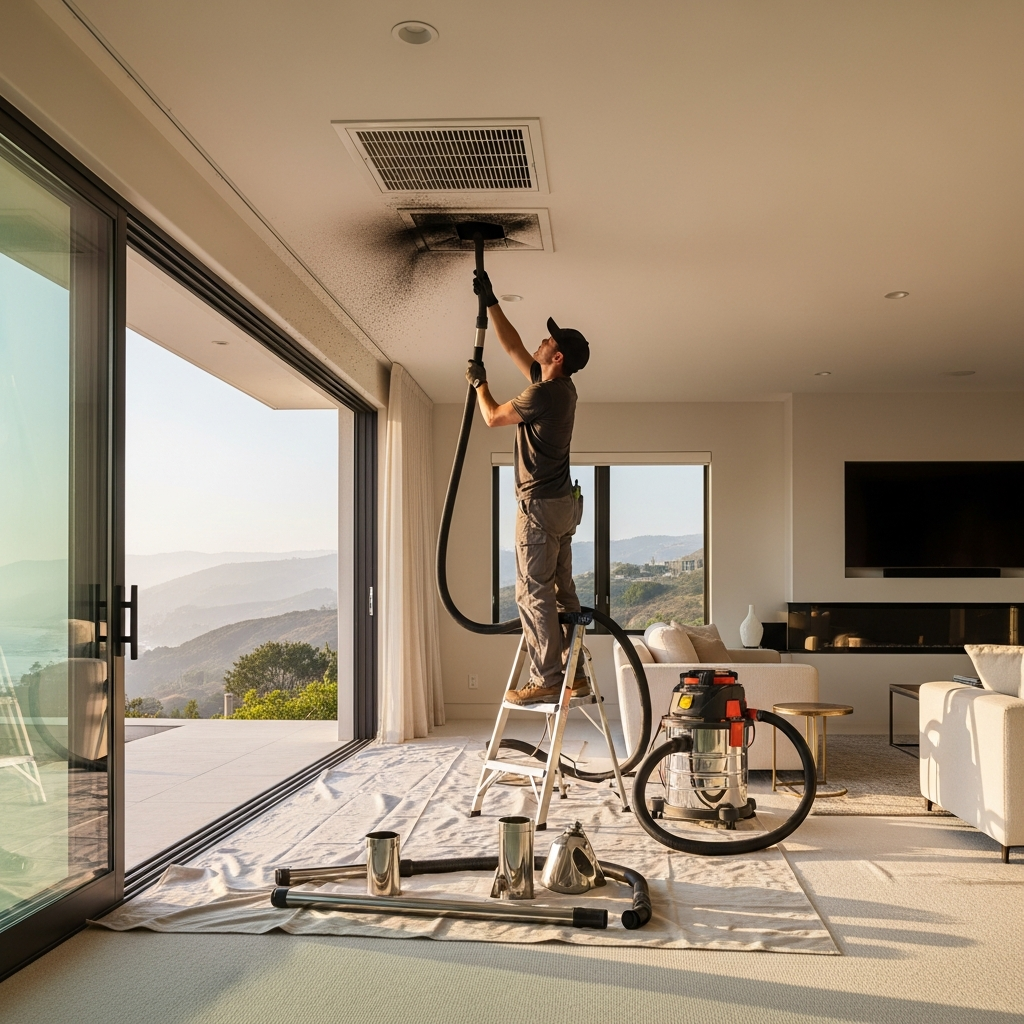
When smoke blows toward Malibu, we feel it in the back of the throat, see it in the filtered light, and sense it later inside our homes long after the skies clear. The reason is simple: wildfire particulates are exceptionally fine and cling to surfaces in ways everyday dust does not. Ductwork, with its quiet corners and textured interiors, becomes a natural resting place for those particles. As a local who has walked through homes from the beach to the foothills after major fire events, I have seen the same patterns repeat. The good news is that a careful, informed approach to air duct cleaning can resolve them—restoring clean airflow and the easy neutrality that makes a room feel like itself again.
It starts with understanding the unique residue that smoke leaves behind. Even homes that seem protected during an event often discover evidence later: a faint, smoky undertone when the fan starts, faster-than-usual filter discoloration, or a dusty film returning to surfaces soon after cleaning. These are common signals that the duct network is quietly holding on to what the wind delivered. If you have delayed service because the house seemed fine at first glance, do not be surprised if the issue reappears with morning humidity or the first cool evening when the system cycles more often. That is when the hidden residue makes itself known.
The Nature of Smoke Residue in Ducts
Wildfire smoke behaves differently from everyday household dust. Particles are typically much smaller, often submicron, and many carry sticky compounds that help them embed in textures. Inside ductwork, this means they adhere stubbornly to seams, turns, and the fine textures that line certain materials. If you have ever noticed that cleaning a living room eliminates odors temporarily, only for them to reemerge when the system starts, you have experienced this dynamic. The ducts are the memory of the smoke event, and until that memory is addressed, the scent returns.
Another complicating factor is moisture. Malibu’s marine layer and evening cool-downs introduce humidity that can briefly reawaken smoky odors. Residues that seem dormant on a hot, dry afternoon become noticeable at dawn or after the sun sets. This cyclical pattern is a hallmark of post-fire indoor air, and it explains why some homes report fluctuating odor intensity throughout the day.
Common Post-Fire Cleaning Challenges
One of the first obstacles is underestimating how far smoke traveled within the system. Even if the HVAC equipment was turned off during the event, particles may have entered through return grills when doors opened, or through small building envelope leaks. As the system cycles days or weeks later, that invisible guest is suddenly everywhere. Cleaning requires not only branch-by-branch attention but also careful work around coils and plenums where residues tend to gather and resist removal.
Containment is another challenge. If technicians do not establish proper negative pressure and filtration, agitated debris can escape back into living spaces. This is especially frustrating when it happens in homes with light furnishings, coastal-white finishes, or sensitive art—common in Malibu. Done correctly, cleaning is a calm, contained process; done hastily, it can create a new layer of cleanup and leave odors unresolved.
A third issue is partial service. Some teams address only the most accessible runs, leaving deeper elbows and longer horizontals relatively untouched. Because smoke particles excel at lodging in precisely those hard-to-reach areas, partial cleaning often yields partial results. Homeowners then assume duct cleaning “doesn’t work,” when in fact the process simply was not thorough enough for the type of residue present.
How Malibu’s Climate Complicates Recovery
Our coastal environment adds nuance to any post-fire response. Salt and fine sand already stress duct systems by creating sticky layers that grip soot more stubbornly. Morning humidity brings out latent odors, while afternoon dryness may lull homeowners into thinking the problem has vanished. Add in the desire to keep windows open when skies clear, and you have a recipe for recurring intrusion if a careful plan is not in place. Balancing ventilation with protection becomes a daily dance in the weeks after a fire event.
Homes that straddle canyon corridors feel this keenly. Winds tug smoke in surprising directions, and later, those same corridors funnel fresh air that unsettles residues you thought were dormant. Understanding your home’s specific exposures—beachfront, mid-slope, or canyon-adjacent—helps tailor the cleanup so it aligns with how air naturally moves through your spaces.
What Effective Post-Fire Duct Cleaning Looks Like
A strong plan begins with inspection. Professionals look for telltale soot signatures—darker lines where air changed direction, residue around returns, and any signs that coils or plenums have gathered a disproportionate load. The heart of the process is creating negative pressure inside the duct system and using targeted agitation so loosened particles migrate into high-efficiency filtration rather than back into rooms. For Malibu homes, attention to detail around delicate finishes and flooring is essential; protecting the home environment is inseparable from protecting your air.
Midway through, teams should verify progress visually where possible. Documentation matters because smoke residue can be subtle and transparent in photos; still, a trained eye can spot the sheen difference that marks a cleaned surface. Just as important is post-clean verification of airflow and temperature stability. If your system comes back online with a smooth, quiet start and steadier room-to-room balance, you know the core restrictions have been resolved.
Avoiding Recontamination
After cleaning, it is wise to check filters more frequently for a cycle or two. Any residual particles dislodged during early operation should be captured promptly. Keep windows closed on days when regional smoke returns, and ventilate strategically when the air is clear. Pay attention to return grills near entryways; these areas tend to invite reintroduction of fine dust and, in coastal zones, salt.
Odor management sometimes extends beyond ducts. Soft furnishings, rugs, and drapes can harbor smoke scents. While duct cleaning restores the air pathways, you may find that a parallel refresh of textiles and a careful wipe-down of surfaces accelerate the return to normal. The aim is comprehensive recovery: every part of the home releasing the memory of smoke together.
Misconceptions to Set Aside
It is tempting to wait and see if odors dissipate on their own. Sometimes they do diminish, but the deeper the residue, the more likely it is to persist. Another misconception is that home fragrances or simple filter upgrades will solve the problem. While they may take the edge off, they do not remove embedded particles. Real relief comes from addressing the source and restoring clean duct interiors so the system stops recirculating what was left behind.
Finally, do not assume that if the home’s interior looks pristine, the ducts are fine. Ductwork is the least visible part of your air system and the most critical when it comes to smoke memory. A focused cleaning unlocks the comfort and confidence you expect from your home each time the fan starts.
FAQ
Q: How soon after a wildfire event should I schedule duct cleaning?
A: As soon as practical once outdoor air has stabilized. Early attention prevents persistent odors and long-term recirculation of fine soot. If smoke events continue, a professional can advise on timing that balances immediate relief with practical logistics.
Q: Can I rely on filter changes alone to fix smoke odors?
A: Filters help, but they cannot remove residues already stuck inside duct surfaces or around coils. Comprehensive cleaning is the only way to break the cycle of recurring smoky undertones after startup.
Q: Will cleaning disrupt my home?
A: Properly executed cleaning is organized and contained. Floors and furnishings are protected, negative pressure directs debris into filtration, and the process proceeds section by section to minimize disruption.
Q: What if odors return after cleaning?
A: If odors linger, it may indicate an area was missed or that textiles and soft surfaces are contributing. A follow-up evaluation can identify gaps and suggest complementary steps to complete the recovery.
Q: Does Malibu’s humidity make odors worse?
A: Humidity can briefly amplify smoky scents by reactivating residues. That is why thorough removal combined with mindful ventilation strategy is so effective in our coastal environment.
Restore Freshness After the Fires
If your home still carries a faint memory of smoke, you do not have to live with it. Careful, comprehensive cleaning resets your air pathways and returns your rooms to calm, neutral comfort. Schedule professional air duct cleaning to clear post-fire residues and breathe easy again as Malibu’s skies brighten.