
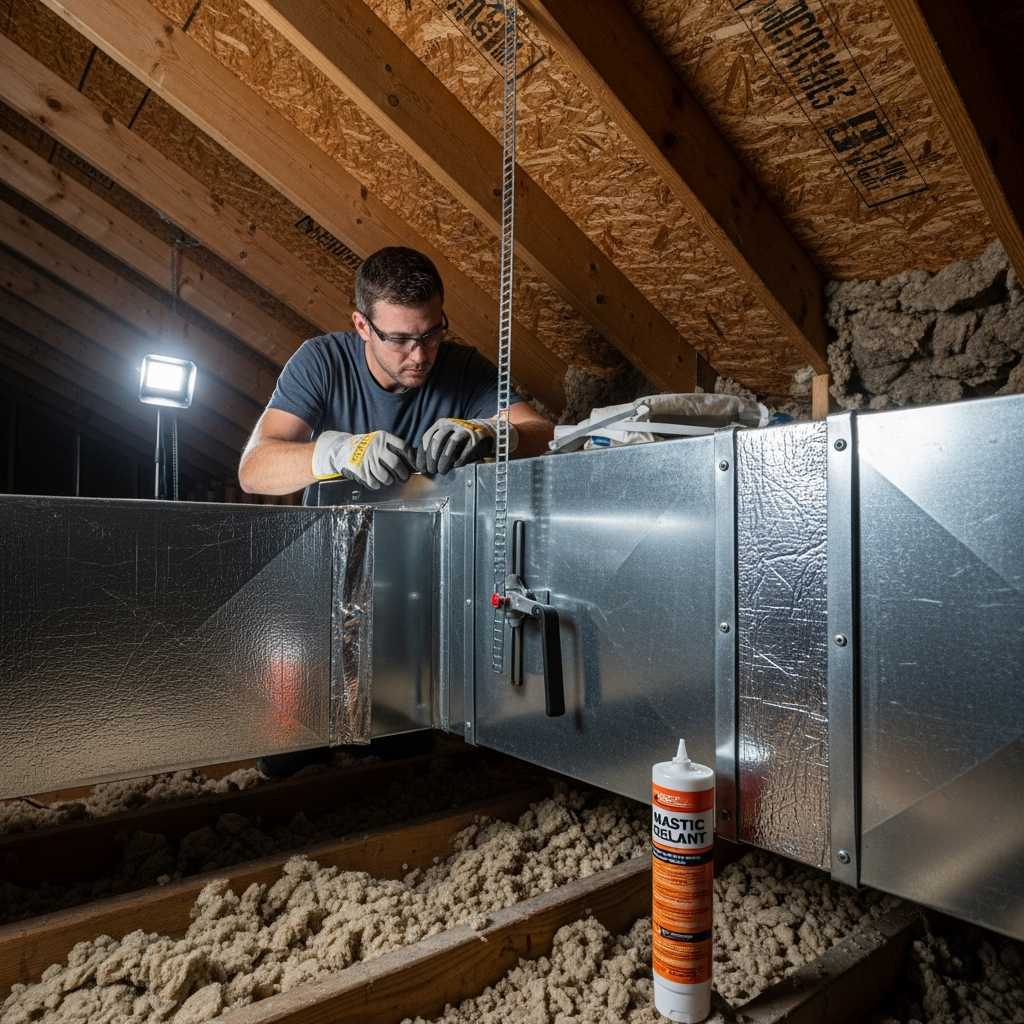
Understanding HVAC Duct Replacement for Malibu Homes
When Malibu homeowners ask about the cost of HVAC duct replacement, the most helpful answer starts with design, not dollars. The number you care about is shaped by the home’s architecture, the coastal climate, the materials chosen, and the quality of testing and commissioning after installation. The meaningful result, though, is comfort you can feel every day: steadier temperatures, calmer operation, and air that smells and feels cleaner. If those outcomes are your goal, it’s worth stepping back from generic advice and focusing on a plan tailored to your property. For many households, that conversation begins with an honest look at whether duct replacement is the right step or whether targeted redesign could deliver the same benefits.
Across Malibu’s neighborhoods—from beachside bungalows to hillside estates—duct systems tell the story of how a home has evolved. Renovations may have rerouted trunks in ways that seemed fine at the time but now starve certain rooms, or combined materials that don’t age the same when exposed to coastal air. Over time, small inefficiencies stack up: air leaks at collars and seams, undersized returns that make systems loud, and long, loosely supported runs that twist and add friction. Each one might be small on paper, but together they can produce real discomfort and needless energy use.
Design Drives Performance
Manual D principles guide thoughtful replacements. The process starts with measuring room loads, sizing supply and return ducts to match actual airflow needs, and choosing materials that serve the path from air handler to register with minimal turbulence. Rigid metal trunks can create stable backbones; high-quality flex can handle short, gentle connections where framing demands agility. The aim is smooth airflow at the right speed—fast enough to deliver comfort, slow enough to be quiet.
Insulation is the silent partner in this performance. In Malibu’s climate, where attic temperatures swing and the marine layer adds dampness, proper insulation and vapor control protect against condensation and heat gain. Combined with meticulous sealing using mastic and tight mechanical connections, these details lock in the gains you’re paying for.
Access Realities: Attics, Crawlspaces, and Chases
Every Malibu home is unique in how it grants access to its hidden spaces. Low-clearance attics, vaulted ceilings, and narrow chases can dictate which materials are feasible and how runs must be routed. On hillside properties, staging and safety considerations influence how a crew moves through the day. These realities aren’t obstacles so much as design inputs: the replacement plan adapts to them so you don’t compromise on performance or aesthetics.
Return air deserves special focus. Many systems underperform because returns are undersized or placed where they pick up noise. During replacement, it’s the perfect time to right-size returns, relocate them for quieter operation, and install filter cabinets that make maintenance easy and effective.
What Malibu’s Climate Adds to the Equation
Salt air is gentle on the soul and harder on metals. Over years, it can encourage surface corrosion on collars and screws, opening tiny gaps that leak conditioned air into unconditioned spaces. Wind-driven days create pressure differences that exploit weak connections. And when smoke events occur, a tight, well-filtered system keeps indoor air more bearable. Replacement is your moment to address all three at once: durability, sealing, and filtration.
Noise is another factor. Open-concept living demands quiet airflow. By smoothing transitions, reducing sharp elbows, and matching grille selection to room needs, a new duct design can drop the system’s “voice” so it fades into the background, even when the system is working steadily during a warm afternoon.
From Proposal to Proof
A helpful proposal goes beyond line items. It explains how each change—new trunks, adjusted branches, improved returns, upgraded insulation—contributes to airflow targets. It should specify sealing methods, insulation ratings, and the post-installation testing you’ll see at the end. That testing matters. Duct leakage measurements and airflow balancing put numbers behind comfort, letting you feel and verify the result.
In the middle of this process, many homeowners find it useful to pause, revisit room-by-room goals, and confirm that the design still reflects how they live. That’s also the perfect time to consider future needs—maybe a planned attic conversion or a home office that needs priority airflow. Making space for those possibilities during a Malibu-focused duct replacement can save complexity later.
Materials, Methods, and Longevity
Flex, metal, or a hybrid—each has a place when installed with care. The qualities you want to see are consistent: straight, unobstructed paths; gentle curves instead of sharp turns; supports that keep shape and pitch; seals that last because they’re both mechanical and mastic-bonded. Insulation should remain intact at joints and transitions, without gaps that invite heat gain or condensation.
Good workmanship also looks ahead to maintenance. Straightforward, accessible filter cabinets, register locations that can be reached without gymnastics, and service clearances around the air handler all make life easier years down the road. These small choices add up to a system that ages gracefully.
Coordination, Codes, and Inspections
Local experience pays off when it comes to permitting and inspections. Projects that anticipate inspection steps and sequence work accordingly move smoothly. Compliance with California Mechanical Code and energy standards isn’t just a requirement—it’s a blueprint for sealing, insulating, and documenting performance so your investment is protected and your comfort is repeatable.
Living with Your New System
After replacement, the most noticeable changes are usually quiet ones. A room that lagged behind now comes to temperature with the rest. The system’s sound softens. Dust settles less quickly. Over the first few weeks, your contractor may revisit to tweak a damper or two based on how you actually use rooms across the day. Those small adjustments are part of making the design truly yours.
Maintenance and Habits that Preserve Gains
With tight ducts and proper returns, filter changes do more heavy lifting. Make them routine. Keep supply paths and returns clear of furniture and fabric. If you hear new noises or notice shifts in comfort, a quick check keeps little things little. Most homeowners find that once the system is right, it largely disappears into the background, doing its job without fuss.
FAQs: Malibu Homeowner Questions, Answered
How do I know it’s time for new ducts versus cleaning?
If airflow is uneven, noise has increased, or there’s visible damage, sealing failure, or insulation breakdown, replacement often delivers more durable results than cleaning alone. Testing can pinpoint whether distribution losses or contamination are the primary concern.
Can I keep my current registers and grilles?
Sometimes, yes. But register selection affects throw, mixing, and sound. When the design calls for changes, it’s usually to align airflow with room geometry and reduce noise, which many homeowners appreciate immediately.
How long does a typical replacement take?
Timeframes vary with access and scope. Straightforward layouts can be completed quickly, while complex attics, multiple returns, or significant rerouting add time. A detailed site visit is the surest way to set realistic expectations.
Will new ducts lower my energy use?
A tight, properly sized system reduces losses and helps equipment run within its sweet spot. Many homeowners see steadier comfort with fewer runtime spikes, which is a practical sign that energy use is trending the right way.
Do I need permits?
In most cases, yes. A licensed contractor will obtain the necessary permits and coordinate inspections, ensuring the work meets current standards and is documented for future reference.
Next Steps for Malibu Residents
If you’re ready to move from abstract numbers to concrete comfort, the best first step is a home-specific evaluation that links design, materials, and testing into a single, coherent plan. That clarity keeps surprises out of the process and delivers the day-to-day ease you’re after. Start the conversation and schedule your assessment with a local team known for thoughtful duct replacement that respects Malibu’s unique homes and climate.