
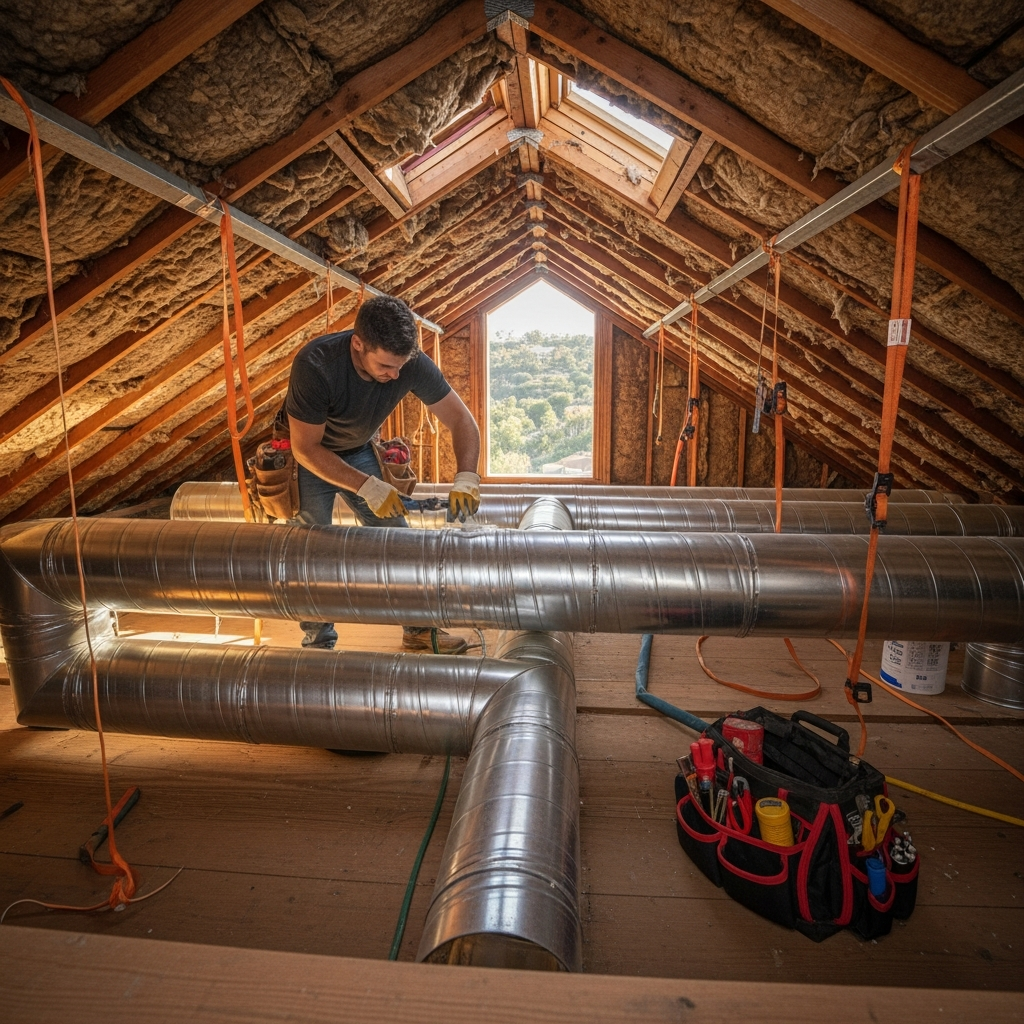
Air Duct Replacement in Malibu: What Really Shapes the Investment
In Malibu, the conversation around air duct replacement isn’t just a matter of swapping out old metal for new. Our ocean air, hillside terrain, brushfire seasons, and a patchwork of custom homes all shape how a project is planned and executed. If you’re beginning to weigh the value of better comfort, cleaner indoor air, and a quieter system, it helps to look beyond generic advice and focus on what actually matters here on the coast. Whether your home sits above the canyon winds or right along the shoreline haze, the way air moves through your ducts is tied to your daily comfort, energy use, and the long-term health of your HVAC equipment. If you’re starting to think seriously about duct replacement, a local lens makes all the difference.
Malibu’s microclimates can swing from cool, damp mornings to sunbaked afternoons, often within a short drive. That variability means an HVAC system can cycle more frequently, and any issues with duct layout, leakage, or insulation are magnified. Beyond comfort, the marine layer and occasional smoky days introduce particulates that cling to dust films inside duct interiors, pushing your filtration and system runtime harder than an inland home might experience. All of this frames the conversation around replacement in a more holistic way: it’s not just about new ducts, but about improving airflow, sealing, insulation values, and noise control to meet how we actually live along the coast.
Why Homes Here Tend to Need Attention Sooner
Many Malibu houses were built or remodeled in phases, with mechanical systems tucked into tight attics and winding crawlspaces that reflect the site, not a master plan. Over time, that leads to ducts that zigzag around structural members, kink around sharp turns, or use dissimilar materials joined hastily during past repairs. Add salt-laden air, which can nudge surface corrosion along collars, screws, and metal fittings, and you have a recipe for small leaks that steal conditioned air into the attic or crawlspace. Those leaks can make some rooms stubbornly warm or cool, forcing the thermostat lower or higher to compensate, and quietly nudging utility bills higher month after month.
Another local quirk is the way wind channels down canyons and across ridges. Attic pressure conditions can fluctuate, and any weak connections will show up as audible whistling or persistent hot and cold spots. If you’ve noticed a system that seems louder than it used to, or dust that returns too quickly after you clean, the ducts themselves—not just the air handler—may be the culprit.
Design, Not Just Replacement: The Manual D Mindset
A successful project in Malibu starts with design. Proper sizing and routing—often guided by Manual D principles—ensures that each room receives balanced airflow without overworking the blower. Too many older systems are a mismatch: generous supply to the main living spaces with starved returns, or the reverse. During a replacement, a careful designer will map the supply and return pathways, confirm static pressure targets, and choose materials that match the home’s needs, whether that’s rigid metal for durability in higher-traffic attic zones or high-quality flex for short, well-supported runs that navigate tight framing without sharp bends.
Insulation also matters for our climate. Coastal dampness can condense on inadequately insulated ducts, while summer heat in rooftop and high attics pushes temperatures to levels that quickly sap efficiency. A thoughtful plan chooses duct insulation and vapor barriers that keep moisture outside and conditioned air inside. Equally important is sealing with long-lasting mastic and properly sized collars; tape alone is not a replacement-grade seal for Malibu’s coastal environment.
Access, Attics, and Crawlspaces in Malibu
From Point Dume to the canyons, no two access situations are alike. Some homes have compact, low-clearance attics that require surgical precision to remove and install ductwork without disturbing insulation or finishes. Others rely on crawlspaces with limited entry points, where routing must be efficient to reduce friction losses while avoiding plumbing and structural obstructions. Steeper hillside lots add laddering and staging challenges, and interior finishes—vaulted ceilings or exposed truss aesthetics—may call for creative routing or ceiling register changes to maintain the home’s design integrity while elevating performance.
These on-the-ground realities shape how a project is scheduled and executed. Careful pre-planning protects original finishes, keeps dust in check, and allows the installation team to move efficiently despite tight conditions. In many cases, homeowners appreciate having a single point of contact who can describe the day’s work plainly and set expectations about any brief power interruptions, access needs, and how rooms will be left at the end of each workday.
Indoor Air Quality and Malibu’s Seasonal Realities
We all know the story of dry winds, marine haze, and the occasional smoke event. Duct systems are the highways of indoor air, so their cleanliness and sealing have immediate consequences for how your home smells and feels. During a replacement, it’s wise to look at filtration upgrades, sealed returns, and smart placement of registers so that circulated air avoids stirring up settled dust. Some homeowners take the opportunity to improve return air sizing, which can reduce noise and help your air handler breathe more easily. Others add zoning to reflect the way we actually use our homes: perhaps a guest wing seldom occupied or a studio that needs steady climate control.
In the middle of any decision process, it’s valuable to request a clear scope of work that includes design rationale, sealing approach, insulation specifications, and post-installation testing. When your contractor explains how the plan improves airflow and comfort room by room, you’ll see the logic behind the choices—not just the parts list. That’s the moment a generic bid turns into a Malibu-specific duct replacement plan.
Testing and Verification: Trust, but Verify
Solid projects end with data. Duct leakage testing gives you a snapshot of how tight the new system is, and balancing confirms each room receives the intended airflow. These aren’t academic exercises; they translate into quieter operation, fewer drafts, and stable temperatures across the home. It’s also the best way to confirm that the details—mastic seals, supported flex, lined plenums—are performing the way they’re supposed to.
Acoustics deserve special mention in Malibu’s open-plan homes. Returns near living areas can rumble if they’re undersized or if transitions are abrupt. During a replacement, the installer can include sound-friendly design elements—gradual transitions, lined trunks where appropriate, and thoughtfully placed returns—that keep conversation levels natural and movie nights immersive without extra system noise.
Materials Matter: Flex, Metal, and Hybrid Approaches
No single material wins every time. High-quality flex can be excellent for short runs with gentle curves, provided it’s stretched, supported, and kept away from sharp bends. Rigid metal shines in longer straight runs, areas subject to incidental contact, and spaces where durability is paramount. Hybrid systems leverage both, using metal trunks for stability and flex stubs for smart, quiet connections to registers. The key is not allegiance to a material but commitment to performance, longevity, and the realities of each home’s access and layout.
Sealing strategy is equally critical. Mastic at seams, properly fitted collars, and mechanical fasteners where appropriate build a system that stays tight long after the crew leaves. Insulation should be continuous and intact at transitions—the contrast between a well-insulated trunk and a bare collar is dramatic in an infrared image, and you’ll feel it in comfort as well.
Permits, Codes, and Doing It Right
Working in Malibu often involves coordinating with local building authorities and following California Mechanical Code and energy standards that guide duct sealing, insulation, and verification testing. A reputable team will navigate those requirements and communicate clearly about scheduling inspections. For homeowners, this removes guesswork and ensures that the finished system meets both performance expectations and code compliance. It also lays a paper trail that can benefit you during future renovations or when it’s time to sell.
What Homeowners Can Expect During Installation
Most projects begin with protective covering over floors, a clear plan for attic or crawlspace access, and a rundown of the day’s workflow. Crews typically remove old ducts in manageable sections to minimize debris, and they’ll stage new materials so they can build clean connections progressively through the space. Expect a short period of fine-tuning as registers are adjusted and airflow is balanced. Good communication is the hallmark of a well-run project; a daily recap of progress and what’s next helps you plan around family schedules and pets.
Aftercare: Living with Your New System
Once installed, the new ducts should feel invisible in the best way—steady temperatures, calmer operation, and cleaner air. Your job becomes simple: replace filters on schedule, keep supply and return grilles clear of furniture and drapes, and note any unusual sounds early. A follow-up check after the first season is a smart tradition. Technicians can verify everything is settling in as planned, answer new questions, and make minor adjustments that personalize comfort to how your household actually moves through the space.
FAQs: Malibu Homeowners’ Common Questions
How do I know my ducts are the real issue and not the equipment?
Uneven temperatures, visible duct damage, rooms that never feel right, and dusty returns are common duct clues. A professional assessment that includes static pressure readings and airflow measurements can distinguish between a distribution problem and an equipment problem, and it often finds both contributing in different ways.
Will I need to move out during work?
Typically, no. Most projects are completed while you remain at home. Crews isolate work zones, maintain safe pathways, and coordinate any short power interruptions. If attic or crawlspace access is inside a closet or hallway, you may be asked to clear that area temporarily.
What kind of maintenance do new ducts require?
A well-sealed and insulated system requires little beyond routine filter changes and periodic visual checks at accessible joints and registers. If you notice new noises, airflow changes, or sudden dust, call for a quick look. Small adjustments made early extend system life and preserve comfort.
Can I keep some existing ducts and replace only a portion?
Sometimes. If segments are in good condition, accessible, and compatible with the new design, a partial refresh is possible. That said, many performance issues come from cumulative small losses across the network. A thorough evaluation will weigh the benefits of partial work against the value of a clean slate.
What about wildfire smoke and coastal humidity?
Replacement is a prime time to address filtration and sealing. Better return paths, improved filter cabinets, and tight ducts keep outside contaminants where they belong—outside. Proper insulation and vapor control also help manage condensation risks when the marine layer rolls in.
Is there a best season for duct work in Malibu?
Work happens year-round, but shoulder seasons can be convenient since you’re less reliant on heating or cooling during installation. Availability varies, so it’s wise to plan ahead once you’ve decided on the scope of work.
Final Steps and Next Move
If you’re ready to trade guesswork for a clear plan, start with a home-specific assessment that pairs design, materials, and testing into one coherent strategy. When performance, comfort, and indoor air quality align, day-to-day living simply feels better. To talk through options that suit your home’s layout, climate exposure, and long-term goals, schedule your duct replacement evaluation with a trusted local specialist and take the first step toward a system that quietly does its job every day.