
Cooling a home at the edge of the Pacific brings pleasures and peculiarities. Malibu’s makeup of ocean mist, bright sun, and hillside breezes means even well-built systems face challenges different from those a few miles inland. The goal is not to worry—it is to know what is normal for the coast and what a proactive plan looks like. With an eye on salt, humidity, and microclimates, you can keep your home reliably comfortable and avoid most of the hiccups that send comfort sideways on the warmest days. Early in any troubleshooting conversation, I remind clients that the right air conditioning design and regular attention go further here than almost anywhere else in Southern California.
Salt Air and Corrosion on Outdoor Components
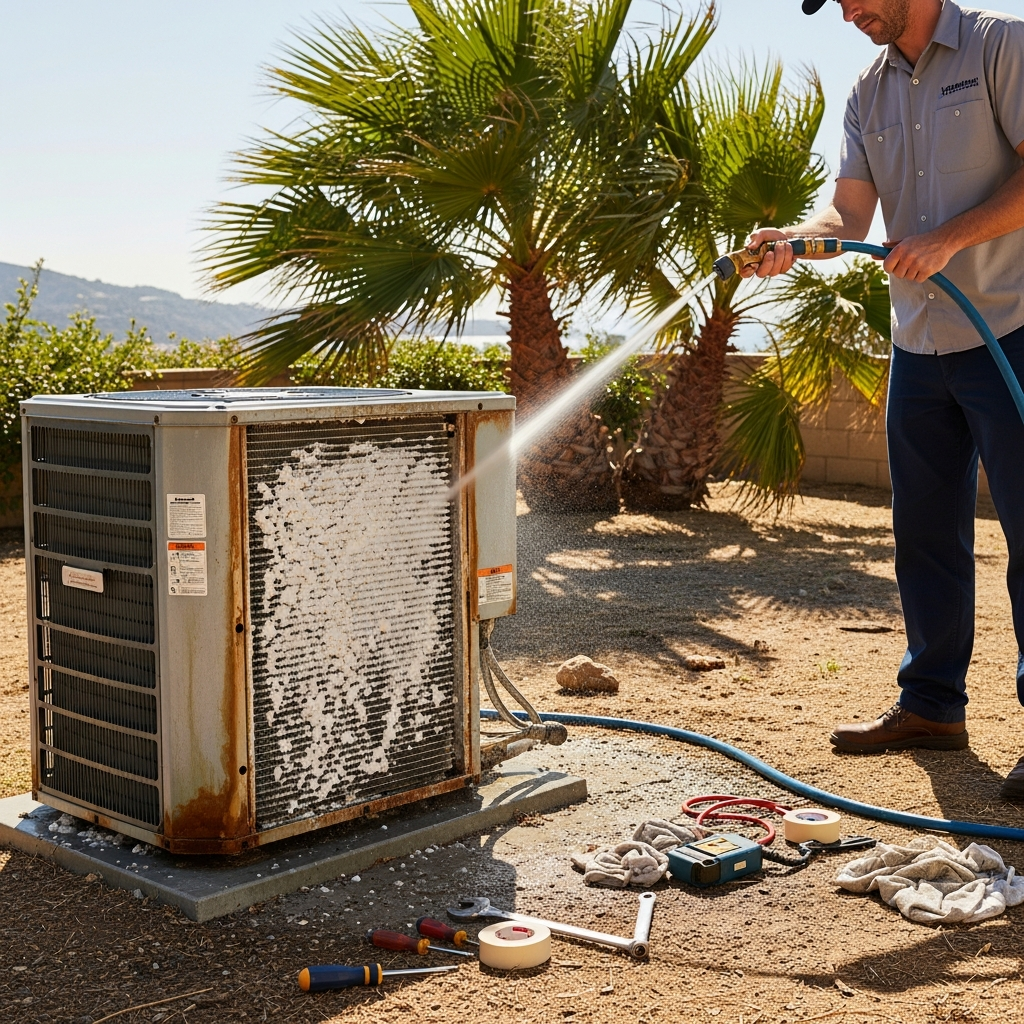
Salt is the quiet antagonist of coastal equipment. Over time it can oxidize metal, dull protective finishes, and reduce heat transfer on outdoor coils. Units placed where onshore winds strike directly are at particular risk. Signs include fin discoloration, a chalky appearance, or fasteners that show premature rust. Solutions start with placement—tucked away from prevailing wind when possible—and continue with gentle rinsing and periodic service to keep coils clean and protective coatings intact.
Clogged Coils and Reduced Airflow
Wind can carry fine grit, pollen, and coastal debris that accumulates on outdoor fins, restricting airflow. Indoors, neglected filters lead to reduced circulation, longer run times, and uneven temperatures room to room. If you notice the system working harder to achieve the same comfort, or if certain spaces refuse to come down to setpoint, airflow restrictions are a common culprit. Keeping filters clean and ensuring outdoor coils remain clear makes a noticeable difference in both performance and sound.
Condensate Drain Issues and Musty Odors
Moisture removal is a feature of cooling, and in humid spells that condensate must drain freely. Algae buildup or debris can obstruct lines, leading to slow drainage, water where it should not be, or a faint musty smell near supply vents. Because coastal air brings more consistent humidity than inland regions, regular inspection of the drain path is especially important. You want water whisked safely away, not lingering in pans or piping.
Uneven Cooling in Open-Plan and Glass-Heavy Spaces
Rooms with sweeping windows and skylights often pick up heat faster than interior areas. Without zoning or strategic ducting, the thermostat can satisfy the hallway while the living room runs warm. The reverse is also true: a bedroom may get overcooled to satisfy a sun-struck space. Detecting this imbalance is simple—walk the home during the warmest hour and feel where the air is lagging. The long-term fix frequently involves zoning or airflow adjustments rather than just lowering the thermostat.
Thermostat Placement and Microclimate Confusion
In Malibu, a hallway shaded by morning fog might read cool while the glass-wrapped kitchen bakes. If the thermostat lives in the hallway, the system can cycle off prematurely, leaving lived-in rooms uncomfortable. Smart sensors and better thermostat placement align control with reality, preventing short cycling and the uneven comfort that follows.
Noise that Creeps In Over Time
Even quiet systems can become less discreet if debris collects on outdoor fans, rubber pads compress, or fasteners loosen. Salt exposure accelerates minor changes. If you notice a new rattle, buzz, or hum, it is often a sign of small maintenance items rather than a major failure. Addressing them early keeps the serene Malibu soundtrack intact—waves, wind, and not much else.
Filters and Wildfire Season Considerations
During smoky or dusty periods, filters load faster. Reduced airflow follows, and the system struggles. If your home faces these conditions, plan on more frequent filter checks and maintain a small reserve on hand. When paired with steady circulation, good filtration protects indoor air quality even when windows must stay closed for days at a time.
Duct Leaks in Older or Add-On Homes
Some of Malibu’s most charming houses have enjoyed decades of renovations. Over time, ductwork can become a patchwork, with joints that leak or runs that were never balanced quite right. The clues include rooms that are consistently off by several degrees, a persistent film of dust, or higher-than-expected runtime during mild weather. A targeted duct evaluation often restores quiet confidence to the system’s performance.
Overcooling to Chase Humidity
When indoor air feels clammy, many people instinctively set the thermostat lower. This can leave the house chilly without addressing moisture. Systems that modulate and manage humidity solve the root cause, pulling moisture out steadily without turning rooms into refrigerators. The fix is both more comfortable and kinder to energy use.
When to Call a Professional
There is plenty you can observe—filter condition, clear space around outdoor units, basic thermostat settings. But if you encounter repeated short cycling, water near indoor units, breaker trips, or dramatic changes in sound or performance, it is worth bringing in a qualified technician. In coastal conditions, early intervention often prevents small issues from escalating.
FAQs: Common Coastal AC Problems
Why does my outdoor unit look chalky or rusty so soon?
Salt air accelerates surface wear. Gentle rinsing, protective coatings, and thoughtful placement away from direct ocean spray slow the process. Regular service maintains efficiency and appearance.
Why are some rooms always warmer than others?
Open plans and glass-heavy rooms gain heat faster. Zoning, duct balancing, and sensor placement align cooling with use, correcting persistent hot or cold spots.
What causes a musty odor when the AC runs?
Often it is related to condensate that is not draining freely or to filters past their prime. Clearing the drain path and updating filtration typically solves it.
Is it normal for the system to run a long time on foggy mornings?
Yes, humidity removal can extend runtime even when the temperature is modest. Systems that modulate handle this efficiently, keeping rooms dry and comfortable without overcooling.
How often should I change filters during smoky conditions?
Check more frequently than usual—smoke loads filters quickly. The right interval depends on your home’s exposure and usage, but extra vigilance during those weeks pays off in comfort and air quality.
Can I fix uneven cooling by just lowering the thermostat?
Lowering the setpoint can mask the issue but seldom solves it. Address underlying airflow, zoning, or thermostat placement to achieve lasting, even comfort.
If your home has started showing any of these coastal quirks, a small dose of attention now can restore quiet, even comfort before summer’s peaks arrive. Begin with a conversation about placement, airflow, and filtration, and explore modern air conditioning solutions that respect Malibu’s setting while keeping your home calm and cool all season long.