
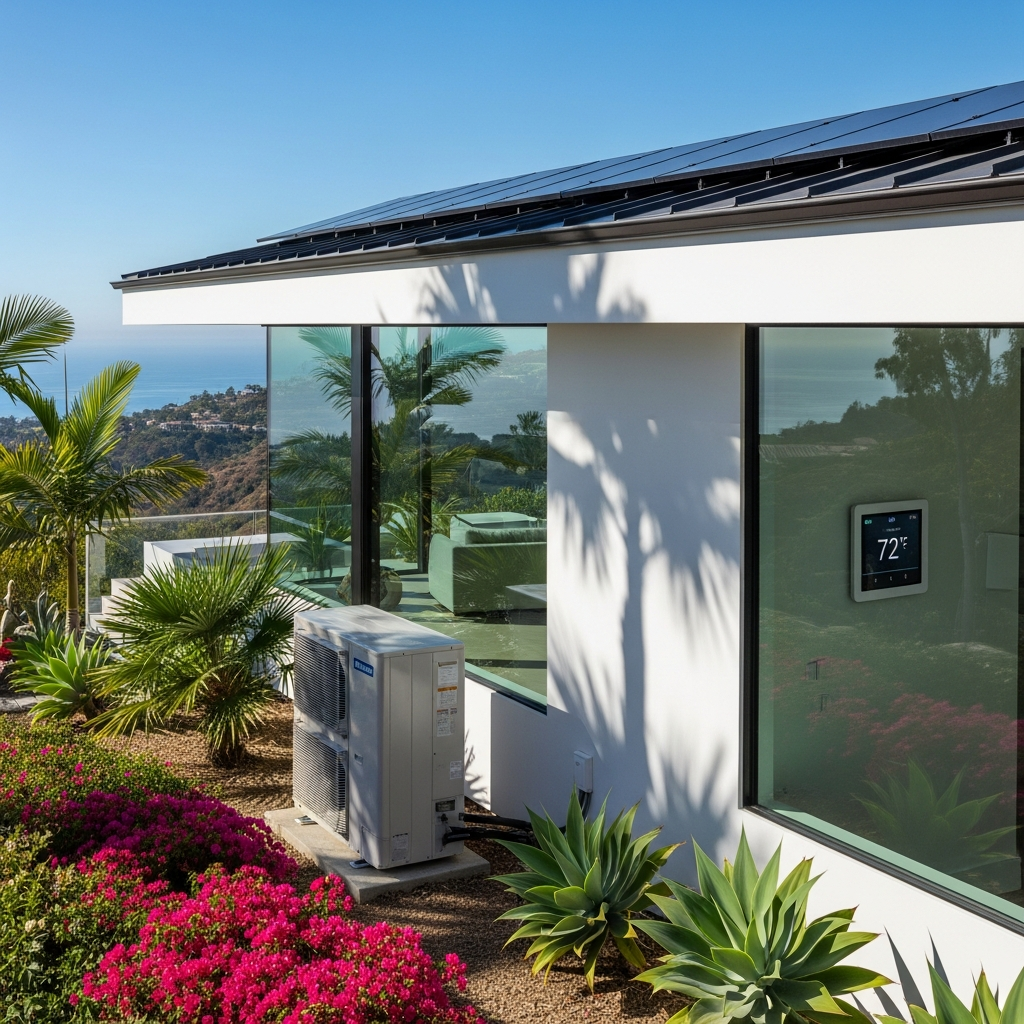
Energy efficiency in Malibu is not just about reducing utility bills; it is about living gently within a delicate coastal environment while enjoying impeccable comfort. The community’s architecture spans beach bungalows to hillside moderns, and each home benefits from cooling that adapts to real conditions rather than forcing them. As a local familiar with the way fog, sun, and ocean breezes play off one another, I have watched a new class of systems transform expectations. Early in a project, exploring next-generation air conditioning options sets the tone for a home that feels naturally comfortable while consuming far less energy than legacy equipment.
Variable-Speed Inverter Technology
The shift from single-speed to variable-speed compressors is the anchor of modern efficiency. Instead of a single on/off rhythm, inverter-driven systems scale output to match demand, which means they spend most of their time at low power sipping energy and quietly maintaining setpoints. The experience indoors is striking: steadier temperatures, fewer hot and cool spots, and a sound profile that fades into the background. On marine-layer mornings, the system can idle gently; when the sun breaks through and glass rooms warm up, it ramps smoothly, avoiding the energy spikes that used to define summer afternoons.
Zoning and Room-by-Room Precision
Energy efficiency blossoms when you stop treating a house as a single thermal block. Zoning divides the home into meaningful areas—bedrooms, living zones, studios—each with its own control. You no longer cool seldom-used guest rooms to maintain comfort where you actually live. In Malibu, where many homes are part-time or have fluctuating occupancy, zoning aligns cooling with how spaces are truly used. The result is a leaner runtime profile and a home that feels tailored to each hour of the day.
Smarter Controls and Learning Schedules
Controls have evolved from basic thermostats to intelligent platforms that learn preferences, leverage geofencing, and respond to subtle changes in indoor conditions. When tied to sensors that monitor temperature and humidity, the system can preempt discomfort rather than chase it. Imagine arriving home from an evening walk to a living room that already anticipates your comfort without blasting a wave of cold. The home simply meets you where you are.
High-Performance Filtration with Low Resistance
Cleaner air often meant heavier filters that taxed fans and elevated energy use. Today’s approach balances filtration with low pressure drop, allowing the system to move air efficiently while capturing fine particles. In Malibu, this is invaluable during windy or smoky days. The feeling is subtle yet unmistakable: the house smells fresher, surfaces collect less dust, and you sense a calm, consistent indoor environment that does not require overcooling to feel pleasant.
Heat Pumps Suited to Coastal Conditions
Malibu’s mild climate is a sweet spot for high-efficiency heat pumps. With inverter technology and corrosion-resistant outdoor components, these systems provide precise cooling in summer and gentle heating in the shoulder seasons without relying on fossil fuels. For many homes, especially those with strong envelopes and good glazing, a well-designed heat pump system becomes the year-round comfort platform, cutting energy use while increasing flexibility.
Envelope, Shading, and the Passive First Mindset
A truly efficient cooling plan begins before equipment selection. Window orientation, shading strategies, and reflective roofing can reduce peak loads dramatically. Malibu’s iconic glass walls benefit from high-performance glazing and exterior shading that tames solar gain at its source. When passive measures shoulder more of the work, mechanical systems can be smaller, quieter, and more efficient—an elegant expression of doing more with less.
Condensate Management and Coastal Durability
Efficiency also means keeping systems healthy. Along the coast, windblown debris and salt can affect outdoor coils, while indoor units benefit from clean drains that prevent musty odors. Design details—such as thoughtful placement, corrosion-resistant hardware, and accessible service points—sustain peak performance over time. An efficient system is not just frugal on day one; it remains consistently effective season after season.
Solar Synergy and Load Shifting
Many Malibu homeowners look for ways to harmonize with the sun, and cooling is a logical partner. Smart scheduling shifts portions of cooling to align with midday solar production, easing demand during the early evening when coastal neighborhoods stir with activity. Even without on-site generation, demand-aware controls can modulate output during peak windows while preserving comfort, creating a gentler footprint without sacrificing the living experience.
Quiet by Design
Efficiency and quiet tend to travel together. Systems that avoid hard starts run more softly, producing a steady hum rather than noticeable surges. With outdoor units placed strategically to protect views and soundscapes, Malibu homes retain the restorative hush that makes evenings so special here. You continue enjoying the rustle of palms and the ocean’s hush without mechanical noise competing for your attention.
Resilience and Smart Monitoring
Energy-wise systems often come with monitoring tools that track performance and alert you to changes before comfort suffers. Subtle variations—like a clogged filter or a restricted outdoor coil—can be spotted quickly and addressed, keeping the system in its optimal efficiency band. It is a modern kind of peace of mind: the home steadily cares for itself, and you intervene before small issues become big ones.
FAQs: Efficient Cooling in Malibu
Are variable-speed systems worth it near the coast?
Yes. They balance temperature and humidity with lower energy use and quieter operation. When paired with corrosion-resistant components and thoughtful placement, they perform beautifully in Malibu’s environment.
Will zoning really save energy in my home?
Typically, yes. By matching cooling to occupied rooms and schedules, you avoid conditioning empty spaces. The comfort improvement is immediate, and energy savings follow naturally.
Do efficient filters restrict airflow?
Modern high-performance filters are designed to capture fine particles with lower resistance than older options. With proper sizing and maintenance, they support clean air and efficient operation simultaneously.
Is a heat pump a good fit for Malibu?
Malibu’s moderate climate is ideal for inverter-based heat pumps that cool in summer and provide gentle heat during cooler months. They are efficient, quiet, and well-suited to coastal homes when specified for durability.
How does home design affect cooling efficiency?
Shading, glazing, and insulation reduce the load that equipment must handle. When passive strategies do more work, smaller, more efficient systems are possible, improving comfort and lowering energy use.
Can efficiency upgrades also make my home quieter?
Often they do. Equipment that modulates tends to run at low speeds most of the time, producing less noise indoors and outside. Good design and placement complete the quiet picture.
If you are ready to pair Malibu’s coastal beauty with precision comfort and a lighter footprint, it starts with equipment that works smarter, not harder. Explore modern air conditioning technologies, zoning, and passive strategies that align with how you truly live, and enjoy a home that stays calm, clean, and efficient every day of the year.