
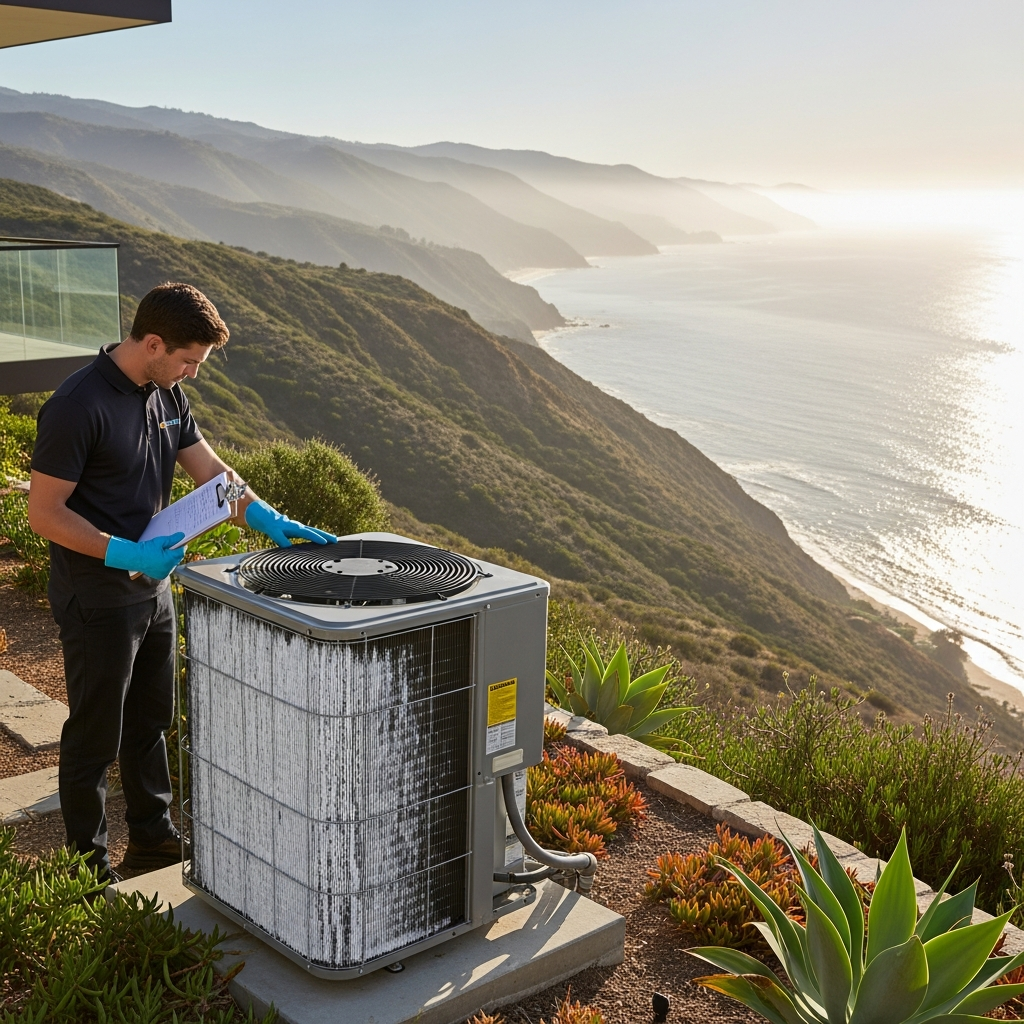
Understanding what shapes air conditioning maintenance cost in Malibu is less about hard numbers and more about knowing the local realities that nudge a service visit toward the simple or the complex. Here on the coast, a mile can mean the difference between salt-kissed breezes and sun-baked canyon heat, and those microclimates tell a story your technician reads the moment they arrive. Whether you are in a beachfront bungalow where the marine layer drifts through by breakfast or a hillside home with a sweeping canyon view and afternoon Santa Anas, the specifics of your property influence how your system ages, how it performs, and ultimately how much attention it requires. That is why homeowners who plan their routine air conditioning maintenance with their surroundings in mind tend to avoid surprises, preserve comfort, and keep their systems humming through the hottest Malibu afternoons.
Malibu’s Marine Layer, Salt Air, and the Story They Tell
On paper, air conditioning maintenance seems straightforward, but Malibu complicates the script in ways that matter. Salt air is both gentle and relentless: it rides the breeze inconspicuously and settles in a thin, almost invisible film on outdoor components. Over time, that film can encourage corrosion on condenser fins, electrical contacts, and fasteners. Add in the coastal fog that rolls in at dawn, and you have moisture that lingers long enough to hasten that corrosive relationship. Inland a bit, the sun bears down more directly, and the same equipment contends with elevated attic temperatures, which can stress blower motors and capacitors. These opposing forces—cool, damp mornings and warm, dry afternoons—expand and contract materials, loosen connections, and gradually change how smoothly your system runs. Maintenance here is as much about reversing those subtle effects as it is about routine cleaning, and that reality is one of the quiet drivers behind how complex a tune-up becomes.
What Truly Drives Maintenance Complexity
When neighbors compare how their last maintenance visit went, the differences often come down to the system’s size and layout, the age and brand of the unit, and how accessible the equipment is. A compact heat pump nestling behind a beach cottage fence may be quick to reach, while a multi-zone system serving a terraced hillside estate asks a technician to navigate steep exterior stairs and rooftop platforms. Those logistics shape how long a thorough check takes. Age and brand matter because older systems can require more careful inspection, and certain manufacturers use proprietary parts or configurations that take time to service properly. Then there is the hidden layer of maintenance history. Equipment that has enjoyed consistent care is easier to evaluate because trends are documented; the first visit after years of neglect, by contrast, may involve discovering and undoing a patchwork of earlier shortcuts.
Architecture and Access in Canyon and Beachfront Homes
Malibu homes are distinct. Mechanical rooms may be tucked behind wine cellars, condensers may perch on narrow decks squeezed between property lines, and indoor air handlers often hide in tight attic crawls under low-slung rooflines. In some neighborhoods, local regulations and homeowners’ association rules also govern where equipment lives and how technicians reach it. Each of those real-world details shapes how maintenance proceeds, from the time it takes to move ladders up exterior stairs to the care needed to protect delicate landscaping as equipment is accessed. Good technicians account for this in their planning, bringing the right tools and extra patience to handle unexpected hurdles without rushing the careful steps that keep your system safe.
Filters, Air Quality, and Hidden Workloads
Another underappreciated influence on maintenance complexity in Malibu is indoor air quality. Homes near the shore may experience a fine salt haze, while canyon properties can contend with dust, seasonal pollen, and the occasional ash residue after a wind event. If you’ve enhanced your filtration with higher MERV filters to care for allergies or to cope with wildfire season, your system might need closer attention to airflow and static pressure. Filters that are too restrictive can strain blowers; filters that are overdue for replacement can starve coils of air, drop system efficiency, and create the kind of conditions that propagate algae in condensate lines. A thorough maintenance visit pays attention to that entire chain—filter effectiveness, airflow, coil condition, and condensate drainage—to ensure the system breathes and drains the way it should.
The Role of Salt, Sun, and Wind on Outdoor Units
Step outside and look at your condenser. If it lives near the ocean, it wears the season like a favorite jacket: a little salt from winter storms, a sprinkle of beach sand after a gusty afternoon, a veil of fog most mornings. These souvenirs of Malibu living land between coil fins and cling to fan blades, and left alone they impede heat exchange and encourage corrosion. In the canyons, the story shifts to sun exposure, windblown debris, and the dry, dusty days that load fins with particles. Maintenance that includes careful coil cleaning and a patient rinse can turn a straining condenser back into a willing partner. That cleaning is delicate work because high-pressure water can fold fins, and harsh chemicals can do more harm than good. The simplest-looking steps are often the ones that ask for experience, and that is one more way a service call can grow from quick to comprehensive.
Attics, Crawl Spaces, and Ductwork Realities
Malibu attics can be balmy even on mild days. Equipment that lives under your roofline spends its summers inhaling hot attic air, and that heat can test capacitors and motors. If ducts wind through those same spaces, any leaks turn into a sneaky energy loss, diluting airflow to your rooms and asking the system to run longer to achieve the same comfort. Maintenance that includes duct inspections and when appropriate, airflow measurements, can reveal those unseen losses. Technicians who’ve worked in Malibu long enough learn to keep an eye out for rodent evidence as well, since a small breach can quickly turn into a nest that compromises insulation and contaminates air. Following the evidence and correcting the cause saves headaches later, even if it adds scope to what looked like a simple tune-up at first glance.
Timing Maintenance with the Malibu Calendar
Beyond the equipment, the calendar matters. Early spring maintenance helps a system shed the dust, moisture, and salt of winter before the first warm spell tests its resolve. A midsummer check can be wise for beachfront homes that see heavy use when guests arrive, while a late summer visit may help canyon homeowners prepare for heat that lingers into fall. After high-wind days, a quick visual check outdoors for debris around the condenser cage can save a service call. The rhythm of life here—beach mornings, canyon hikes by dusk, occasional foggy weeks that melt into brilliant sunshine—sets a pace that your air conditioning follows, and maintenance timed to those beats tends to be more effective and less disruptive.
How Consistent Care Shapes Long-Term Expenses
While it is tempting to focus on the number you might pay on a given day, the more durable measure is how consistently you maintain the system and how tailored that care is to your property. Steady filter changes, coil cleaning at the right moments, and thoughtful tuning of thermostat schedules reduce runtime and minimize stress on components. Homeowners who invest in documenting what their system needs based on where it lives—whether that is a little extra attention to condenser coatings near the surf or added drain protection in damp crawl spaces—tend to see fewer disruptions and steadier comfort. In that sense, maintenance cost is a curve you can smooth with planning, and scheduling regular air conditioning maintenance is one of the most reliable ways to keep surprises at bay.
What a Thorough Visit Looks Like
On a well-executed maintenance visit, the technician will start with the story your home tells as they walk toward the condenser: any signs of salt crusting, debris under the fan guard, or corrosion on screws and panels. Indoors, they listen for blower noise, measure temperature splits to gauge coil performance, and confirm that the thermostat communicates cleanly with the system. They check electrical connections for signs of heat stress or pitting, examine capacitors and contactors for age, and look at the condensate path with a skeptic’s eye because a blocked drain can turn a quiet ceiling into a late-night drip. They review filter size, fit, and frequency of replacement, mindful that the filter is both your indoor air ally and your blower’s gatekeeper. Each step in this process either removes friction from the system or identifies a change that will restore it to balance.
When Maintenance Uncovers a Repair
There will be times when the check reveals more than dust and a few loose screws. In Malibu, common findings include salt-pitted condenser coils that benefit from protective treatments, UV-damaged insulation on refrigerant lines that needs replacing, or condensate safety switches that need testing because summer humidity and morning fog push them into frequent use. Discoveries like a weak capacitor or a worn contactor lead to conversations about performance and reliability. The key is that those decisions happen with context: your home’s location, your usage patterns, and the seasonal demands ahead. A thoughtful technician will explain not just the what, but the why, tying each recommendation back to the environment your equipment calls home.
Smart Thermostats and the Malibu Lifestyle
Technology has made it easier to align comfort with real life. Smart thermostats can temper cooling when the afternoon marine layer dips the temperature and then gently ramp up when the sun burns through. For second homes or guesthouses, remote monitoring allows you to confirm that the system is operating, that humidity sits where it should, and that unexpected alerts get attention before guests arrive. Maintenance today frequently includes verifying that these controls are calibrated and that sensors in different rooms are reporting truthfully. Malibu’s many architectural styles can produce little thermal microclimates from room to room, and well-tuned sensors help the system serve each space as it actually lives, not as the thermostat imagines it should.
Noise, Vibration, and Neighborly Comfort
With homes as close as they sometimes are along the beach, how quietly your condenser runs can matter to you and your neighbors. Rubber isolation pads, secure mounting, and tight fan blades tame rattles that otherwise echo across a deck at dinner time. Maintenance that treats quiet as part of comfort ensures you enjoy the evening breeze without the backdrop of a chattering unit. It also avoids the kind of wear that vibration can cause over time, extending the life of fasteners, cabinets, and electrical components that do better when they are not shaking every time the system starts.
Preparing for Wildfire Season and Wind Events
While the beach defines Malibu life, wildfire season and Santa Ana winds are also part of the calendar. After smoky days, filters work harder, coils acquire a fine film, and condensate lines see more particulate. Maintenance that follows these events is not just about cleaning; it is about resetting the system to baseline so that lingering particulates do not become tomorrow’s airflow problem. If your condenser lives in an area prone to wind-blown debris, a discussion about protective screens or strategic planting may come up during a visit. Everything circles back to helping the system breathe freely and transfer heat efficiently in the face of whatever the season brings.
Homeowner Habits That Help
Small, steady habits shorten and simplify maintenance visits. Checking and changing filters on a realistic schedule for your household, keeping a gentle eye on the outdoor unit so that vines and furniture do not encroach on its breathing space, and listening for new sounds when the system runs all help. If you hear a rattle or notice a musty whiff near a supply register, mention it when you schedule. Those clues shrink the diagnostic path and keep the focus where it belongs: on restoring effortless comfort.
Choosing a Maintenance Partner Who Knows Malibu
A technician who knows Malibu will arrive expecting salt, sun, wind, and everything those forces mean for your system. They will carry coil cleaners that are kind to coastal aluminum, flashlights fit for tight attics, and patience for steep exterior stairs. More importantly, they will speak to you about your home in ways that make the work make sense: how to align maintenance with your calendar, how your microclimate shapes frequency, and how to protect equipment between visits. That kind of partnership gives you confidence, and confidence is its own kind of value in the middle of a heat wave when guests are due any moment.
Frequently Asked Questions
How often should Malibu homeowners schedule maintenance? Twice a year is a practical baseline for most homes, with a spring tune-up before sustained heat and a late summer or early fall check if your system works hard or lives close to the surf. Homes with light usage may do well with an annual visit, but the coast usually argues for a bit more attention.
What signs suggest my system needs attention sooner?
Watch for longer run times to reach the same temperature, new rattles or hums at startup, uneven cooling between rooms, or a musty odor near vents that may signal a condensate or coil cleanliness issue. Any sudden change after a windy day or smoky week is also worth a call.
Do beachside homes require different maintenance than canyon properties?
Yes, the emphasis changes. Beachside equipment benefits from frequent condenser rinses and corrosion checks, while canyon systems see more dust and heat stress that call for careful coil cleaning and airflow verification. Both benefit from vigilant filter schedules and condensate maintenance.
Can I rinse my condenser myself?
Gently rinsing with low-pressure water from the inside out can help in some cases, but be cautious. High pressure can bend fins and drive debris deeper. Avoid strong chemicals and be mindful of electrical components. When in doubt, ask a technician to demonstrate the safest approach for your specific unit.
Will a smart thermostat change maintenance needs?
It will not replace maintenance, but it can enhance it by revealing runtime patterns, alerting you to temperature or humidity swings, and helping tune schedules. During maintenance, a technician can confirm sensors are accurate and that control settings support comfort without unnecessary strain.
Is there a best time of day for maintenance?
Morning visits often work well, especially near the coast, because fog and cooler air make outdoor work easier and indoor testing consistent. In hotter canyons, early appointments also prevent attic work during the peak heat of midday.
What should I do between visits to support my system?
Replace filters on schedule, keep the area around the outdoor unit clear by a couple of feet on all sides, glance at your condensate drain line during peak humidity, and note any new noises or smells. Small observations help your technician focus their time where it counts.
Will maintenance extend the life of my system?
It cannot halt time, but it slows the wear that salt, heat, and dust impose. Clean coils, secure electrical connections, and healthy airflow reduce stress on compressors and motors, often translating to more seasons of trustworthy performance.
How do Malibu’s winds affect AC performance?
Wind can drive debris into outdoor units and alter pressure patterns around intakes and exhausts. After a blustery day, a quick look to ensure nothing has lodged against the condenser cage is wise. Maintenance following major wind events helps reset your system to its best operating state.
Can maintenance improve indoor air quality?
Yes. Clean coils discourage microbial growth, proper drainage prevents moisture problems, and correctly sized, well-seated filters capture particulates without overburdening the blower. Discuss your air quality goals so maintenance can align with the filtration and ventilation strategies in your home.
Ready for Reliable Cooling in Malibu?
If you are looking to care for your home’s comfort the same way you care for the view outside your windows, now is the moment to schedule thoughtful, locally informed service. Connect with a trusted professional and book your next visit so your system is ready for sunny weekends and foggy weekday mornings alike. To keep the process simple and your comfort steady, schedule your next air conditioning maintenance with a team that understands Malibu’s rhythm.